
Contents
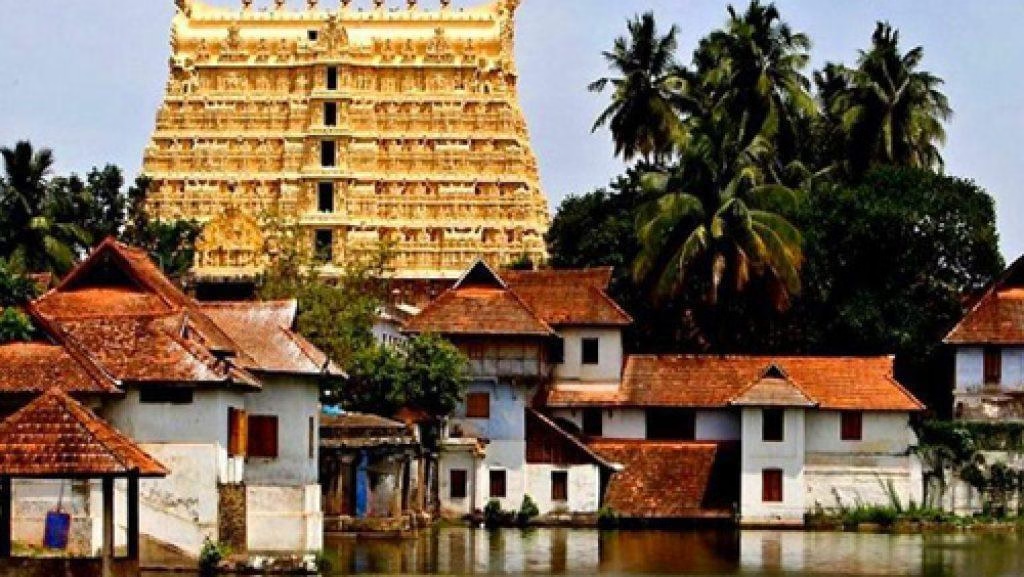
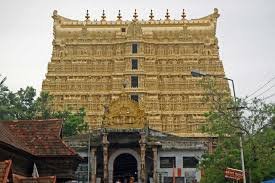
The origin of the Temple of Sree Padmanabhaswamy is lost in antiquity. It is not possible to determine with any exactitude, from any reliable historical documents or other sources as to when and by whom the original idol of Sree Padmanabhaswamy was consecrated. The Temple has references in Epics and Puranas. Srimad Bhagavatha says that Balarama visited this Temple, bathed in Padmatheertham, and made several offerings. Nammalwar, the 9th-century poet and one among the 12 Vaishnavite saints of the Alvar tradition, has composed ten hymns in praise of Lord Padmanabha. Some well-known scholars, writers, and historians, like the late Dr. L.A.Ravi Varma of Travancore, have expressed the view that this Temple was established on the first day of Kali Yuga (which is over 5000 years ago). The legends of the Temple are handed down through the centuries. One such legend which finds a place in the old palm leaf records of the Temple, as also in the famous grantha entitled “Ananthasayana Mahatmya”, mentions that it was consecrated by a Tulu Brahmin hermit named Divakara Muni. On the 950th year of Kali Yuga, a reinstallation of the idol was done. In the 960th Kali year, King Kotha Marthandan built the Abhisravana Mandapam. The principal deity Vishnu is enshrined in the “Anantha Shayanam” posture, the eternal yogic sleep on the serpent disheshan. Sree Padmanabhaswamy is the tutelary deity of the royal family of Travancore. The titular Maharaja of Travancore Moolam Thirunal Rama Varma is the trustee of the temple. The name of the city of Thiruvananthapuram in Malayalam translates to “The City of Lord Ananta”, referring to the deity of Padmanabhaswamy Temple.
Architecture
Legend / Local stories
Photo Gallery



How to Reach:
By Air
Nearest airport is Thiruvanathapuram (4 Km)
By Train
Railway Station Thiruvanathapuram (1km)
By Road
KSRTC, Thiruvanathapuram (1km)
Address
West Nada, Fort, East Fort, Pazhavangadi, Thiruvananthapuram, Kerala 695023
Contact Details
0471 246 4606
Recent Posts

Shri Kaamkoteeshwar Mandir, Varanasi – History & Significance
In the heart of Kashi, the eternal city of Lord Shiva, where the Ganges flows with celestial grace, stands the Shri Kaamkoteeshwar Mandir. This sacred Sannidhi is not merely a temple but a profound spiritual bridge between the Northern…

ओ सांवरे तूने ही मुझको संभाला – Lyrics & Meaning
ओ सांवरे तूने ही मुझको संभाला – A Prayer to Shyam Origin & Spiritual Essence Why This Bhajan Resonates Devotees chant this when overwhelmed by life’s storms—the refrain ‘तूने ही मुझको संभाला’ is the soul’s sigh of relief: “You…

कथा ये है महाराज मेरे की – Lyrics & Meaning
कथा ये है महाराज मेरे की छत्रपति संभाजी महाराज – A Prayer to Chhatrapati Sambhaji Maharaj Origin & Spiritual Essence Why This Bhajan Resonates Devotees chant this when their spirit feels tested—its powerful refrain “महाराज मेरे” is a soul’s…

Rigveda Samhita Yathartha Anuvada (ऋग्वेद संहिता यथार्थ अनुवाद) – Complete Set with Anvayartha & Hindi/English Translation
The Rigveda is the oldest surviving scripture of humanity and the foundational text of Sanātana Dharma. For serious students, scholars, UPSC aspirants studying ancient Indian history, Sanskrit learners, and spiritual seekers, a precise and grammatically structured translation is indispensable.…

आना भी अकेला है जाना भी अकेला है – Lyrics & Meaning | BharatTemples
आना भी अकेला है जाना भी अकेला है – A Prayer to the Divine Witness Origin & Spiritual Essence Why This Bhajan Resonates Devotees turn to this bhajan in moments of deep reflection—when life’s attachments begin to ache. The…

माता शेरावाली के द्वार जो भी जाता है – Lyrics & Meaning
माता शेरावाली के द्वार जो भी जाता है – A Prayer to Maa Sherawali Origin & Spiritual Essence Why This Bhajan Resonates Devotees turn to this bhajan in times of fear or uncertainty—its promise that no one leaves Maa’s…

मार लेना सपणी उबार लेणा भवरा – Lyrics & Meaning
मार लेना सपणी उबार लेणा भवरा – A Prayer to the Divine Beloved Origin & Spiritual Essence Why This Bhajan Resonates Devotees chant this in moments of deep vulnerability—its cry of “मार लेना सपणी, उबार लेणा भवरा” is the…

हमें श्याम सुंदर भरोसा तुम्हारा – Lyrics & Meaning
हमें श्याम सुंदर भरोसा तुम्हारा – A Prayer to Shyam Sundar Origin & Spiritual Essence Why This Bhajan Resonates Devotees chant this when feeling alone—its refrain ‘de do sahara’ is the soul’s cry for divine support. Lyrics in Hindi…

Mere Satguru Ne Di Thi Davai Lyrics in Hindi & Meaning
Mere Satguru Ne Di Thi Davai: Invoking the Guru’s Liberating Wisdom This soul-stirring bhajan venerates the Satguru (True Spiritual Master) as the divine physician who dispenses the only remedy for life’s deepest sufferings. Composed by Sant Karmaveer Tufani, it…

Janm Diyo Thari Maa Dukh Dekhiyo Lyrics in Hindi & Meaning
जन्म दियो थारी माँ दुख देखियो (Maa’s Grief Upon Birthing You) This soul-stirring Chetavani Bhajan (admonitory hymn) is addressed to the Divine Mother (Maa) – a call for repentance when children forget their filial duties in the dark age…