
Contents
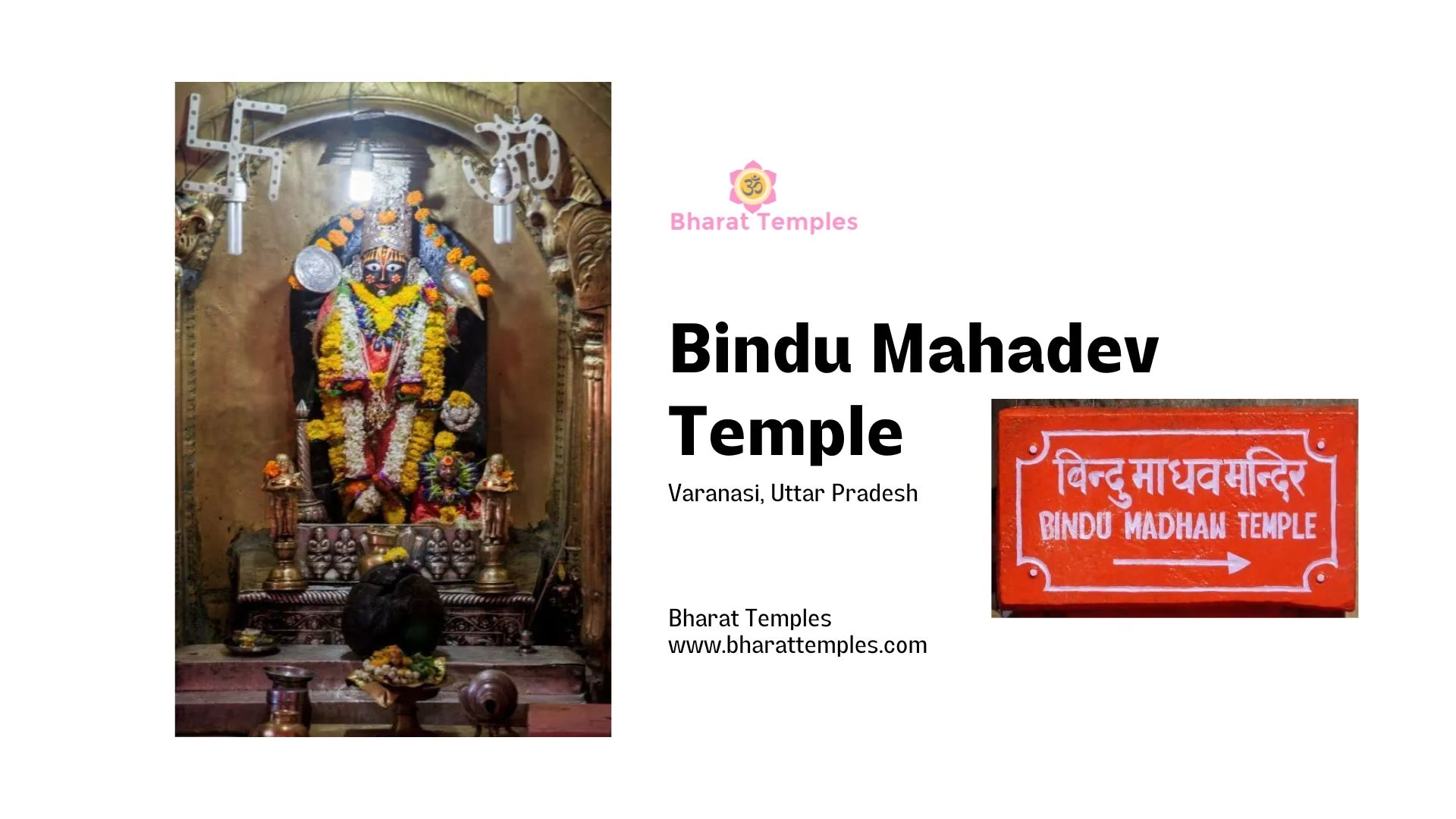
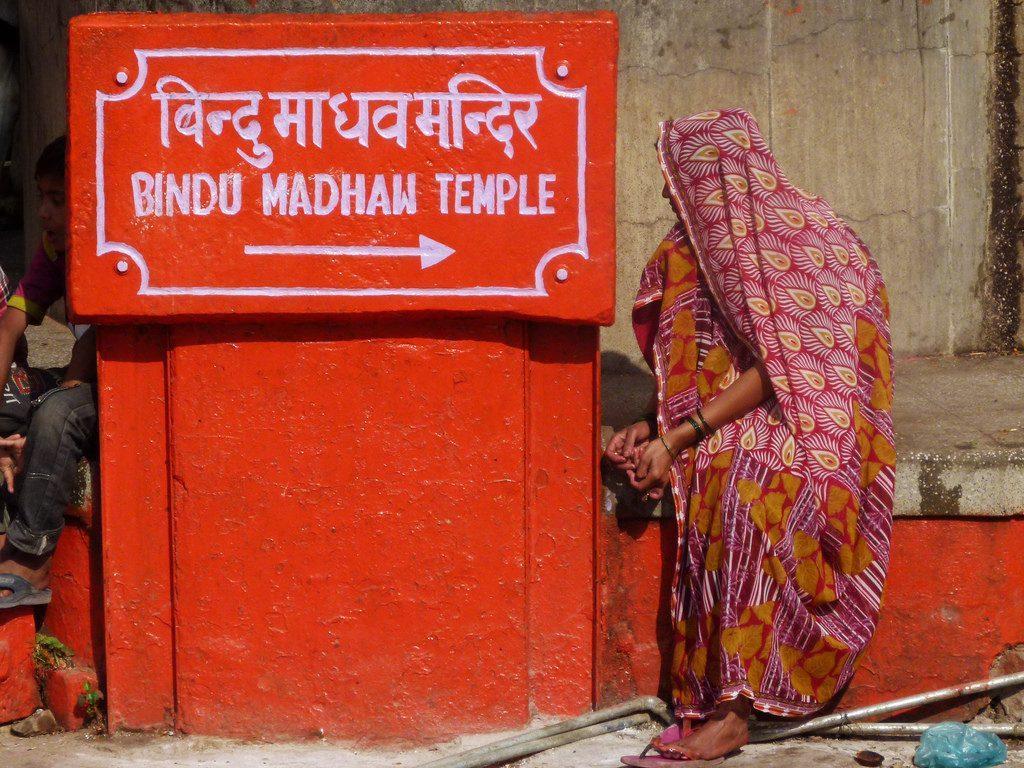
Bindu Mahadev Temple Varanasi stands as a silent sentinel of resilience and divine devotion on the historic banks of the Ganga. Known in local tradition as the Bindu Madhav temple, this sacred edifice is not merely a structure of stone but a repository of the profound spiritual energy that defines Kashi.
As the Lead Heritage Architect for bharattemples.com, I invite you on a journey through time to explore this architectural marvel, a testament to the endurance of faith through centuries of upheaval. Located near the bustling Scindia Ghat, the temple serves as a vital pivot point in the spiritual geography of Varanasi.
1. Introduction & Spiritual Essence
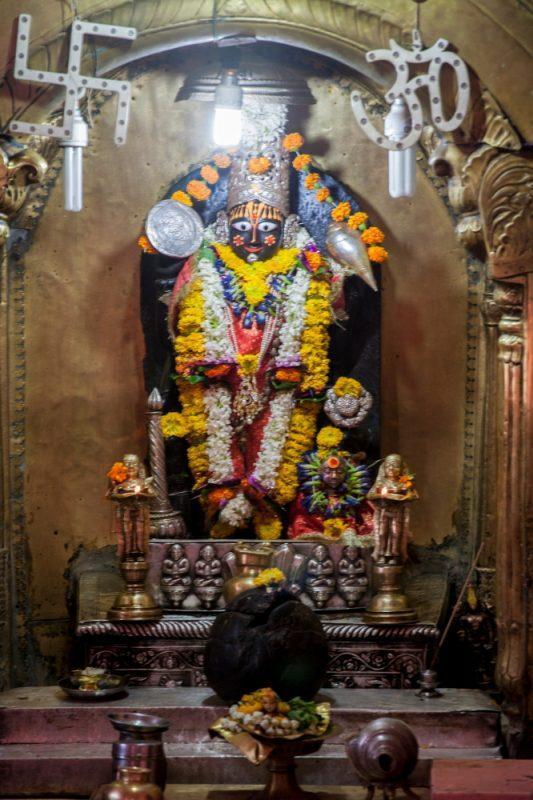
The primary deity at this shrine is Lord Vishnu, worshipped here as Bindu Madhav (or Bindu Mahadev, as per the local dialect). The term “Bindu” refers to a dot or a nucleus, representing the cosmic point from which creation emanates. Unlike the typical Shaivite association of the term Mahadev, this temple is a rare Vaishnava shrine dedicated to Lord Vishnu, yet deeply integrated into the Shaivite geography of Varanasi.
The murti (idol) is unique, often described as a Shaligram Shila (a sacred fossil stone) or a distinct anthropomorphic form representing the Lord in his Madhav form.
Phalaśruti: The Spiritual Benefits
Why do thousands of pilgrims flock to the steps of Scindia Ghat annually? The scriptures offer profound reasons:
- Ancestral Liberation: It is believed that offering prayers here helps cleanse the ancestral lineage (Pitra Dosha) and aids in the liberation (Moksha) of departed souls.
- Wealth and Prosperity: As per the Kashi Khand, bathing in the adjacent Pancha Nada Teerth and worshipping Bindu Madhav bestows the devotee with material wealth and prosperity.
- Karmic Cleansing: A single darshan is said to wash away sins committed knowingly or unknowingly, particularly those related to the water element.
2. Historical Origins & Scriptural Legend
The history of the Bindu Mahadev Temple is a chronicle of destruction and divine reconstruction. It is not merely a building; it is a witness to the history of Varanasi itself.
The Mythological Foundation
According to the Kashi Khand (Chapter 60), the site is rooted in the conversation between Lord Vishnu and Sage Agni Bindu. The sage, performing tapas (austerity) at Pancha Nada Teerth, requested Lord Vishnu to remain there eternally to bless the holy land of Kashi. Lord Vishnu acquiesced, establishing himself as Bindu Madhav. He declared that Kashi, situated on the tip of Lord Shiva’s trident, would remain indestructible even during the Great Deluge (Maha Pralay).
Interestingly, the legend holds that while Lord Vishnu resides here as Bindu Madhav, he offers Bael leaves to Kashi Vishwanath, and Shiva offers Tulsi (Holy Basil) to Vishnu, symbolizing the harmonious convergence of the two great sects of Hinduism.
A Chronicle of Resilience
While ancient texts date the sanctity of the site to the 5th century or earlier, the physical structure has faced invasions repeatedly.
Timeline of Construction:
- Ancient Origins: The site has been a place of worship since the early centuries CE.
- 16th Century: Reconsecrated by Raja Man Singh, acknowledging the site’s spiritual potency despite earlier demolitions.
- 1682 AD: The temple structure was again demolished during the Mughal period.
- 19th Century: The current magnificent structure was erected by the Raja of Aundh (from Satara, Maharashtra), restoring the temple to its former glory.
The temple architecture reflects this layered history, blending ancient sanctity with Maratha architectural patronage of the 19th century.
3. Architectural Marvels
As an architect, I observe the Bindu Mahadev Temple as a classic example of the Nagara style of temple architecture, infused with the distinct craftsmanship typical of the Maratha restoration period in Kashi.
Structural Elements
- The Shikhara (Spire): The temple features a towering shikhara, built in a tiered fashion (storeys) that recedes towards the apex, symbolizing the ascent of the soul towards the heavens.
- Garbhagriha (Sanctum Sanctorum): Located at the heart of the temple, the inner sanctum houses the deity. The layout ensures a direct line of sight for the devotee to the idol, facilitating deep meditation.
- Mandapa (Pillared Hall): The temple features a spacious mandapa that allows for congregational worship. The pillars are adorned with intricate carvings depicting scenes from the Puranas.
Heritage Status
While the temple is a protected monument under the Archaeological Survey of India (ASI), it remains a living temple where daily rituals are performed with unwavering precision. The stonework displays a resilience that matches the spiritual narrative of the temple.
Festivals & Rituals
Among the myriad festivals celebrated here, Kartik Purnima and Vaikuntha Chaturdashi hold supreme significance.
Vaikuntha Chaturdashi: Celebrated in the month of Kartik, this day marks the divine event where Lord Vishnu is said to have donated Kashi to Lord Shiva. The celebration involves a unique ritual where Lord Vishnu (Bindu Madhav) offers Bael leaves to Lord Vishwanath, and in return, Lord Vishwanath offers Tulsi leaves to Lord Bindu Madhav.
Deepavali (Diwali): The temple is illuminated with thousands of earthen lamps (diyas), symbolizing the victory of light over darkness.
4. Darshan & Ritual Logistics (2026 Guide)
Planning your visit requires an understanding of the daily schedules and special sevas. Below are the operational timings for 2026.
Daily Timings
| Session | Timing | Activity |
|---|---|---|
| Morning | 05:00 AM – 12:00 PM | Mangala Aarti, Shringar Darshan |
| Afternoon | 12:00 PM – 04:00 PM | Temple Closed (Sayan Aarti preparation) |
| Evening | 04:00 PM – 09:00 PM | Sayan Aarti, Darshan |
Key Sevas (2026 Schedule)
- Abhishekam: Performed daily with Panchamrit (milk, honey, ghee, curd, sugar).
- Archana: Special Tulsi Archana is highly recommended as per the Kashi Khand.
- Online Booking: Devotees can book specific sevas via the official Kashi Vishwanath Temple Trust portal. Note: While the portal covers Vishwanath, Bindu Madhav operates under similar administrative protocols. Look for “Annapurna/Bindu Madhav” seva categories.
Significant 2026 Festival Dates
- Deepavali: November 1, 2026
- Kartik Purnima: November 15, 2026
- Maha Shivaratri: February 27, 2026
5. Practical Visitor Guidance
Visiting Varanasi requires preparation. The lanes leading to Scindia Ghat are narrow and ancient.
Rules & Etiquette
- Dress Code: Modesty is paramount. Men should wear dhotis or full-length trousers; women should wear sarees or salwar kameez.
- Photography: Photography is permitted in the outer mandapa but is strictly prohibited within the sanctum sanctorum. Avoid flash photography to maintain the serenity of the space.
- Mobiles & Lockers: Large bags and mobile phones should ideally be left at your hotel or in designated cloakrooms near the ghats, as movement through the stairs can be difficult.
Crowd Management & Best Time to Visit
- Best Hours: The ideal time for a peaceful darshan is early morning (6:00 AM – 8:00 AM) or late evening (7:00 PM – 8:30 PM).
- Seasonal Advice: Summers (May-June) in Varanasi are scorching; carry a water bottle and a head covering. Winters are pleasant and ideal for pilgrimage.
- Accessibility: The temple is accessible via steep steps from Panchganga Ghat. It is not wheelchair accessible due to the heritage nature of the architecture.
6. Pilgrimage Connectivity
How to Reach
The Bindu Mahadev Temple is located at Scindia Ghat, Varanasi.
- Nearest Airport: Lal Bahadur Shastri International Airport (LBS), Varanasi (approx. 25 km from the city center).
- Nearest Railway Station: Varanasi Junction (BSB) is the major railhead, well-connected to all parts of India.
- Route via NH: From the airport or station, take the NH31/Hydari Road towards the city. The ghat is best reached by auto-rickshaw or boat.
- Walking Route: From Kashi Vishwanath Temple (approx. 1.5 km walk through the narrow lanes of the old city). Alternatively, take a boat to Panchganga Ghat and ascend the stairs.
There are steep steps to reach the temple ascending from the Pancha-ganga Ghat which is the most magnificent section of the Varanasi riverfront and built by Akbar’s minister Todar Mal in the year 1580.
Nearby Sacred Sites (Pilgrimage Circuit)
- Kashi Vishwanath Temple: The primary Jyotirlinga of Lord Shiva, located just a short walk away.
- Annapurna Devi Temple: Dedicated to the Goddess of Food, located adjacent to Vishwanath Temple.
- Sankat Mochan Hanuman Temple: Famous for the liberation of Ravana’s curse, located on the banks of the Assi river.
Frequently Asked Questions (FAQs)
While the name ‘Mahadev’ often suggests Lord Shiva, this specific temple in Varanasi is dedicated to Lord Vishnu in his form as Bindu Madhav. It is a rare Vaishnava shrine situated in the heart of Shaivite Kashi.
There is no separate VIP gate like at modern complexes. However, the Raja of Aundh’s family and senior temple priests often facilitate faster entry for distinguished devotees through the side entrance. Online seva booking can also prioritize your entry time.
Pancha Nada Teerth is the sacred pond mentioned in the Kashi Khand where Sage Agni Bindu performed penance. Bathing here is believed to cleanse one’s sins and assist ancestors in attaining Moksha.
Generally, only trained priests are allowed inside the sanctum sanctorum for Abhishekam. However, you can sponsor a Rudrabhishekam or Vishnu Abhishekam, which will be performed by the priests on your behalf.
Yes. One can reach the temple by ascending the historic steps from Panchganga Ghat. This route offers a magnificent view of the riverfront but involves a steep climb.
About the Author: As the Lead Heritage Architect and SEO Strategist for bharattemples.com, I combine architectural expertise with a deep reverence for India’s spiritual heritage. This guide is crafted to provide pilgrims with accurate, respectful, and actionable information for their journey to Bindu Mahadev Temple.
Recent Posts

Shri Kaamkoteeshwar Mandir, Varanasi – History & Significance
In the heart of Kashi, the eternal city of Lord Shiva, where the Ganges flows with celestial grace, stands the Shri Kaamkoteeshwar Mandir. This sacred Sannidhi is not merely a temple but a profound spiritual bridge between the Northern…

ओ सांवरे तूने ही मुझको संभाला – Lyrics & Meaning
ओ सांवरे तूने ही मुझको संभाला – A Prayer to Shyam Origin & Spiritual Essence Why This Bhajan Resonates Devotees chant this when overwhelmed by life’s storms—the refrain ‘तूने ही मुझको संभाला’ is the soul’s sigh of relief: “You…

कथा ये है महाराज मेरे की – Lyrics & Meaning
कथा ये है महाराज मेरे की छत्रपति संभाजी महाराज – A Prayer to Chhatrapati Sambhaji Maharaj Origin & Spiritual Essence Why This Bhajan Resonates Devotees chant this when their spirit feels tested—its powerful refrain “महाराज मेरे” is a soul’s…

Rigveda Samhita Yathartha Anuvada (ऋग्वेद संहिता यथार्थ अनुवाद) – Complete Set with Anvayartha & Hindi/English Translation
The Rigveda is the oldest surviving scripture of humanity and the foundational text of Sanātana Dharma. For serious students, scholars, UPSC aspirants studying ancient Indian history, Sanskrit learners, and spiritual seekers, a precise and grammatically structured translation is indispensable.…

आना भी अकेला है जाना भी अकेला है – Lyrics & Meaning | BharatTemples
आना भी अकेला है जाना भी अकेला है – A Prayer to the Divine Witness Origin & Spiritual Essence Why This Bhajan Resonates Devotees turn to this bhajan in moments of deep reflection—when life’s attachments begin to ache. The…

माता शेरावाली के द्वार जो भी जाता है – Lyrics & Meaning
माता शेरावाली के द्वार जो भी जाता है – A Prayer to Maa Sherawali Origin & Spiritual Essence Why This Bhajan Resonates Devotees turn to this bhajan in times of fear or uncertainty—its promise that no one leaves Maa’s…

मार लेना सपणी उबार लेणा भवरा – Lyrics & Meaning
मार लेना सपणी उबार लेणा भवरा – A Prayer to the Divine Beloved Origin & Spiritual Essence Why This Bhajan Resonates Devotees chant this in moments of deep vulnerability—its cry of “मार लेना सपणी, उबार लेणा भवरा” is the…

हमें श्याम सुंदर भरोसा तुम्हारा – Lyrics & Meaning
हमें श्याम सुंदर भरोसा तुम्हारा – A Prayer to Shyam Sundar Origin & Spiritual Essence Why This Bhajan Resonates Devotees chant this when feeling alone—its refrain ‘de do sahara’ is the soul’s cry for divine support. Lyrics in Hindi…

Mere Satguru Ne Di Thi Davai Lyrics in Hindi & Meaning
Mere Satguru Ne Di Thi Davai: Invoking the Guru’s Liberating Wisdom This soul-stirring bhajan venerates the Satguru (True Spiritual Master) as the divine physician who dispenses the only remedy for life’s deepest sufferings. Composed by Sant Karmaveer Tufani, it…

Janm Diyo Thari Maa Dukh Dekhiyo Lyrics in Hindi & Meaning
जन्म दियो थारी माँ दुख देखियो (Maa’s Grief Upon Birthing You) This soul-stirring Chetavani Bhajan (admonitory hymn) is addressed to the Divine Mother (Maa) – a call for repentance when children forget their filial duties in the dark age…