
Contents
1. Introduction & Spiritual Essence
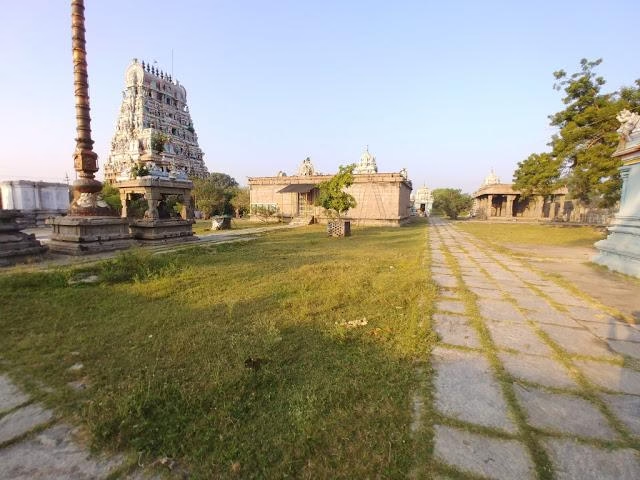
Welcome to the Singeeswarar Temple, a sacred haven nestled in the village of Mappedu, Thiruvallur district. This ancient temple, recently renovated to restore its former glory, is dedicated to Lord Singeeswarar (a form of Shiva) and his consort Pushpa Gujambal. The temple is not merely a structure of stone but a living center of vibrancy and energy, particularly revered for its astrological and spiritual significance.
Phalaśruti: The Boon of Devotion
Devotees flock to Singeeswarar Temple for specific blessings that address both worldly and spiritual needs:
- Excellence in Arts & Speech: It is unique that an idol of Sri Anjaneya (Hanuman) stands before Lord Shiva, holding a Veena (musical instrument). Aspiring musicians, students, and orators pray here for clarity of speech and mastery over the arts.
- Removal of Ancestral Karma: Rituals performed here are believed to cleanse ancestral karma, ensuring peace for departed souls and prosperity for the living.
- Health & Fertility: The temple houses a shrine for Veerapaleeswarar, worshipped to bestow Vamsa Vrithi (childbirth) and alleviate bone and joint-related ailments.
2. Historical Origins & Scriptural Legend
While exact construction dates are often veiled in the mists of time, temple records and local inscriptions suggest this is a structure of significant antiquity, later renovated to preserve its sanctity. The temple stands as a testament to the Dravidian architectural traditions that flourished in the Thiruvallur region.
The Legend of Singanatha
According to temple lore, the Sthala Purana holds a divine connection to Lord Brahma. It is said that Mother Saraswathi (Goddess of Wisdom) wrote the Singanatha Beejakshara (seed letters) on the tongue of Lord Hanuman using the stem of a lotus flower. This divine inscription blessed Lord Hanuman with clarity of speech and the title of “Nava Vyakarna Pandit” (scholar of nine grammars).
Traditionally, those born under the star Moolam (Moola Nakshatra) are advised to visit this temple. By lighting five ghee lamps (representing Lord Shiva’s five faces), devotees can overcome obstacles and gain wisdom.
3. Architectural Marvels
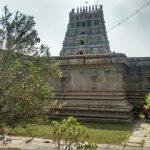
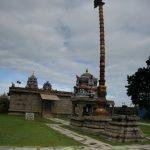
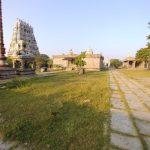
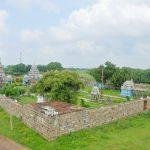
The Singeeswarar Temple is a classic example of Dravidian Architecture. The structure is designed in accordance with Vastu Shastra, ensuring the flow of positive energy.
- The Shikhara (Vimana): The towering roof over the sanctum sanctorum (Garbhagriha) features tiered structures typical of Tamil Nadu temples, adorned with intricate carvings of deities.
- Nandhi Mandapam: The bull deity Nandhi faces the Shiva Lingam. A unique feature here is the Nava Vyakarna Stone, a specific platform where devotees stand during Pradosham hours to pray for relief from bone diseases.
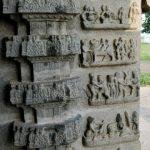
- Sculptural Details: The pillars feature exquisite carvings. Notably, the Anjaneya idol with the Veena is a rare iconography that attracts art historians and devotees alike.

4. Darshan & Ritual Logistics
Planning your visit requires understanding the daily schedule and the special sevas available. The temple administration has streamlined processes for both in-person and remote participation.
Daily Timings
| Session | Timing |
|---|---|
| Morning Darshan | 06:00 AM – 10:00 AM |
| Afternoon Break | 10:00 AM – 05:30 PM (Closed) |
| Evening Darshan | 05:30 PM – 07:30 PM |
Key Sevas & Online Booking
The temple performs various Abhishekams (ritual bathing of the deity) and Archana (chanting of names). Given the temple’s fame for those born in Moola Star, special lighting of ghee lamps is highly recommended.
Note: While the temple has a dedicated phone line for inquiries (+91 44 2760 8065), devotees should check with the local administration or current temple websites for the latest “Online Seva Booking” portals as digital infrastructure is continually updated for 2026.
2026 Major Festival Dates
To experience the temple at its peak vibrancy, plan your visit around these festivals:
- Maha Shivaratri: February 26, 2026 (Date subject to lunar calendar).
- Arudra Darshanam: December 2026 (Celebrating Nataraja).
- Pradosham: Occurring twice a month (13th day after New Moon/Full Moon). The 4:30 PM – 6:00 PM slot is specifically powerful for bone-related cures here.
- Aadi & Thai Fridays: Special floral decorations (Alankaram) are performed on Fridays during the Tamil months of Aadi (July–Aug) and Thai (Jan–Feb).
5. Practical Visitor Guidance
Ensuring a smooth darshan experience involves preparation. Here is what you need to know before traveling to Mappedu.
- Dress Code: Traditional attire is mandatory. Men should wear dhotis or trousers with shirts; women should wear sarees, salwar kameez, or skirts.
- Photography & Mobiles: Photography is generally prohibited inside the sanctum sanctorum. Mobile lockers are often available for storage near the entrance, though carrying minimal luggage is advised.
- Accessibility: The temple complex is compact. While recent renovations have improved pathways, the sanctum requires climbing steps. Wheelchair access may be limited to the outer courtyards.
- Crowd Management:
- Best Hours: Morning sessions (6:00 AM – 7:30 AM) are least crowded.
- Seasonal Advice: During summer (April–June), carry water and an umbrella. The granite floors retain heat.
6. Pilgrimage Connectivity
The temple is strategically located near major transit hubs in Tamil Nadu, making it accessible for both local and international pilgrims.
How to Reach Singeeswarar Temple
- By Road:
- From Chennai (49 km): Take the Bangalore Highway (NH 48). Cross Poonamallee and Savitha Institutions. Look for the Empee Distilleries blue structure on your right. Take the road towards Thakkolam; the temple is on the 17th km from the NH.
- Bus Routes: S 591 from T. Nagar (Chennai) to Perambakkam stops at Mappedu Bus Stop.
- By Train:
- Nearest Station: Kadambathur Railway Station (11 km). This station is on the Chennai Central – Arakkonam suburban line. Autos are readily available for the 20-minute ride to the temple.
- By Air:
- Nearest Airport: Chennai International Airport (MAA) is approximately 48 km away.
Nearby Sacred Sites
Enhance your pilgrimage by visiting these nearby temples:
- Thiruvalangadu Vadaranyeswarar Temple (20 km): One of the Pancha Bhoota Stalas (representing the element of Space/Akasha).
- Thakkolam Temple (18 km): Known for its historical inscriptions.
- Sriperumbudur (14 km): Famous for the Ramanuja shrine (Bhashyakara Sannidhi).
7. Frequently Asked Questions (FAQ)
1. Is there a VIP Darshan entry available?
The temple administration typically prioritizes elderly and differently-abled devotees. While there is no commercial “VIP Ticket” system like in Tirupati, donations for special sevas may allow expedited access during non-peak hours.
2. Can I perform Abhishekam for Lord Singeeswarar?
Yes, Abhishekam is performed daily. The morning session (before 10:00 AM) is ideal. It is recommended to book this in advance, especially on Mondays and Pradosham days.
3. Why is the temple significant for the Moolam star?
According to local legend, Lord Hanuman’s birth star is Moolam. Since Mother Saraswathi blessed him here with speech and wisdom, people born under this star visit to light 5 ghee lamps (representing Shiva’s 5 faces) to overcome obstacles.
4. Are there accommodation facilities near the temple?
The temple itself does not have a guest house. However, lodges and guest houses are available in Thiruvallur town (19 km) and Sriperumbudur (14 km). Chennai offers the widest range of hotels for overnight stays.
5. What are the specific prayers for health issues?
For bone and joint issues, devotees stand on the Nava Vyakarna stone in front of Nandhi during Pradosham hours (4:30 PM – 6:00 PM) and pray to both the Lord and the vehicle simultaneously.
Recent Posts

Shri Kaamkoteeshwar Mandir, Varanasi – History & Significance
In the heart of Kashi, the eternal city of Lord Shiva, where the Ganges flows with celestial grace, stands the Shri Kaamkoteeshwar Mandir. This sacred Sannidhi is not merely a temple but a profound spiritual bridge between the Northern…

ओ सांवरे तूने ही मुझको संभाला – Lyrics & Meaning
ओ सांवरे तूने ही मुझको संभाला – A Prayer to Shyam Origin & Spiritual Essence Why This Bhajan Resonates Devotees chant this when overwhelmed by life’s storms—the refrain ‘तूने ही मुझको संभाला’ is the soul’s sigh of relief: “You…

कथा ये है महाराज मेरे की – Lyrics & Meaning
कथा ये है महाराज मेरे की छत्रपति संभाजी महाराज – A Prayer to Chhatrapati Sambhaji Maharaj Origin & Spiritual Essence Why This Bhajan Resonates Devotees chant this when their spirit feels tested—its powerful refrain “महाराज मेरे” is a soul’s…

Rigveda Samhita Yathartha Anuvada (ऋग्वेद संहिता यथार्थ अनुवाद) – Complete Set with Anvayartha & Hindi/English Translation
The Rigveda is the oldest surviving scripture of humanity and the foundational text of Sanātana Dharma. For serious students, scholars, UPSC aspirants studying ancient Indian history, Sanskrit learners, and spiritual seekers, a precise and grammatically structured translation is indispensable.…

आना भी अकेला है जाना भी अकेला है – Lyrics & Meaning | BharatTemples
आना भी अकेला है जाना भी अकेला है – A Prayer to the Divine Witness Origin & Spiritual Essence Why This Bhajan Resonates Devotees turn to this bhajan in moments of deep reflection—when life’s attachments begin to ache. The…

माता शेरावाली के द्वार जो भी जाता है – Lyrics & Meaning
माता शेरावाली के द्वार जो भी जाता है – A Prayer to Maa Sherawali Origin & Spiritual Essence Why This Bhajan Resonates Devotees turn to this bhajan in times of fear or uncertainty—its promise that no one leaves Maa’s…

मार लेना सपणी उबार लेणा भवरा – Lyrics & Meaning
मार लेना सपणी उबार लेणा भवरा – A Prayer to the Divine Beloved Origin & Spiritual Essence Why This Bhajan Resonates Devotees chant this in moments of deep vulnerability—its cry of “मार लेना सपणी, उबार लेणा भवरा” is the…

हमें श्याम सुंदर भरोसा तुम्हारा – Lyrics & Meaning
हमें श्याम सुंदर भरोसा तुम्हारा – A Prayer to Shyam Sundar Origin & Spiritual Essence Why This Bhajan Resonates Devotees chant this when feeling alone—its refrain ‘de do sahara’ is the soul’s cry for divine support. Lyrics in Hindi…

Mere Satguru Ne Di Thi Davai Lyrics in Hindi & Meaning
Mere Satguru Ne Di Thi Davai: Invoking the Guru’s Liberating Wisdom This soul-stirring bhajan venerates the Satguru (True Spiritual Master) as the divine physician who dispenses the only remedy for life’s deepest sufferings. Composed by Sant Karmaveer Tufani, it…

Janm Diyo Thari Maa Dukh Dekhiyo Lyrics in Hindi & Meaning
जन्म दियो थारी माँ दुख देखियो (Maa’s Grief Upon Birthing You) This soul-stirring Chetavani Bhajan (admonitory hymn) is addressed to the Divine Mother (Maa) – a call for repentance when children forget their filial duties in the dark age…