
Contents
- 1 Somnatheshwarar Temple Melpadi: A Complete Pilgrimage Guide
Somnatheshwarar Temple Melpadi: A Complete Pilgrimage Guide
Updated for 2026 Pilgrims
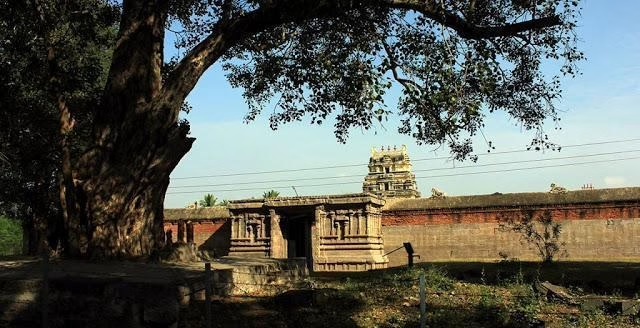
Welcome to the definitive guide for the Somnatheshwarar Temple, a silent sentinel of Chola grandeur nestled in the serene village of Melpadi, Vellore. As the Lead Heritage Architect at BharatTemples.com, I invite you to explore this sacred Abode of the Lord of the Moon, managed by the Archaeological Survey of India (ASI).
1. Introduction & Spiritual Essence
The Somnatheshwarar Temple in Melpadi is dedicated to Lord Shiva, revered here as Somnatheshwarar (The Lord of the Moon). Here, Shiva is a Swayambhu (self-manifested) Lingam. The presiding deity faces East, while the Goddess, Periyanayagi (also known as Akilandeswari), faces South.
Phalaśruti: The Benefits of Darshan
Devotees visit this temple to worship the Lord of the Moon (Chandran). According to Hindu scriptures, offering prayers to Somnatheshwarar is believed to:
- Remove Kalathra Dosham: Bestow harmony and prosperity in marital life.
- Cure Afflictions: Historically associated with healing ailments related to planetary alignments.
- Ancestral Blessings: Performing rites here is considered highly auspicious for cleansing ancestral karma.
2. Historical Origins & Scriptural Legend
Chronology and Builders
The temple stands as a testament to the architectural patronage of the mighty Cholas. Based on archaeological inscriptions found on the temple walls, historians confirm that the initial structure was built by Parantaka Chola I (907–953 CE) and significantly expanded by Rajaraja Chola I (985–1014 CE).
Scriptural References
While specific references in major Puranas are often linked to the name Somnath (common in North India), the Sthala Purana of Melpadi is vivid with local legends. The village derives its name from the deity Melpadi Amman. The temple is an architectural link to the early Chola period, featuring inscriptions that detail land grants and ritualistic orders from Chola regents.
The Legend of Chandran
Tradition holds that Lord Shiva is the supreme authority over the Navagrahas (nine planets). The Moon God, Chandran, who suffered from diminishing phases (Waning), found refuge here. By worshipping Shiva, Chandran regained his full luster, which is why this temple is named Somnatheshwarar.
3. Architectural Marvels
The temple is a masterpiece of the Dravidian architectural style, yet it retains the distinct early Chola simplicity.
Structure and Layout:
- Orientation: The temple is built facing East, adhering to Vastu principles where the East welcomes positive energies.
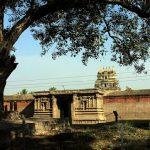
- Shikhara (Vimana): The sanctum features a pyramidal tower (Vimana) typical of early Dravidian styles, though the current structure is heavily fortified with plaster.
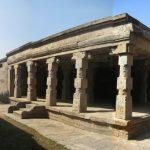
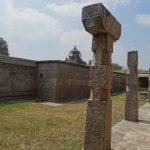
- Mandapas: A pillared hall (Mandapa) precedes the sanctum, featuring pillars adorned with intricate carvings of dwarfs and mythical creatures.
- Thiruvannamalai Influence: The structural layout shares a striking resemblance to the Arunachaleswara Temple in Thiruvannamalai, though on a smaller scale.
ASI Conservation:
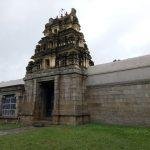
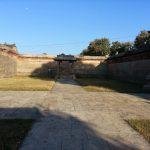
As an ASI-protected monument, the temple retains its ancient stone carvings without modern concrete replacements. Visitors will notice the absence of elaborate gopurams (gateway towers) found in later Nayak period temples, emphasizing its ancient roots.
Note on Monument Status: The temple is being maintained by the Archaeological Survey of India (ASI), ensuring the preservation of its historic sanctity.
4. Darshan & Ritual Logistics (2026 Guide)
Unlike active complex temples, this is a heritage site. The atmosphere is meditative and quiet.
Daily Timings
Please note that as a heritage site under ASI control, opening times can be subject to local committee changes. However, based on the historical precedent and current schedule:
| Session | Timing | Notes |
|---|---|---|
| Morning | 07:00 AM – 12:00 PM | Cooler temperatures for photography. |
| Evening | 04:00 PM – 06:00 PM | Peak recommended time for Darshan (Best Light). |
*Note: The temple is traditionally closed in the afternoon hours (12 PM – 4 PM). Please plan your visit accordingly.
Key Sevas & Online Booking
As this is an ASI-protected archaeological site, standard daily homams or pujas found in active temples may not be available for public booking. However, simple Archana and Abhishekam can be performed with the help of the local priest on-site.
Online Seva Booking:
For state-managed temples, booking is usually via the HR & CE Department of Tamil Nadu. However, for this specific ASI site, online booking is generally not required. Entry is free. For special offerings, one must coordinate directly with the on-site ASI caretaker or the local priest.
2026 Major Festivals
- Pradosham: The 13th day of every lunar fortnight (highly significant for Lord Shiva).
- Maha Shivaratri (March 2026): The primary festival of the year. Expect extended hours and special abhishekam.
- Arudra Darshanam: Celebrates the cosmic dance of Lord Nataraja (typically in December/January).
- Aadi Amavasai: A significant day for ancestor worship, drawing large crowds to Melpadi Amman shrine.
5. Practical Visitor Guidance
Dress Code:
Modest attire is required. Men should wear dhotis or formal pants/shirts; women should wear sarees, salwar kameez, or skirts covering the knees. Avoid shorts and tank tops to maintain the sanctity of the heritage site.
Photography Rules:
- Photography is generally permitted in the outer mandapas.
- Flash Photography: Strictly prohibited inside the sanctum to protect ancient murals and carvings.
- Professional equipment (tripods) may require prior permission from the ASI office.
Crowd Management & Accessibility:
- Best Time to Visit: Weekday mornings are extremely quiet. Weekends see a surge of local devotees and heritage enthusiasts from Chennai and Vellore.
- Seasonal Advice: In May and June, carry water and an umbrella, as the temple courtyard can be hot. The outer mandapa provides shade and is an excellent spot for rest.
- Footwear: There is a designated footwear stand near the entrance. It is advisable to wear slip-on shoes for easy removal.
6. Pilgrimage Connectivity
How to Reach:
The temple is located in Melpadi village, approximately 130 km from Chennai.
- By Road: Melpadi is situated on the Thiruvalam–Ponnai Road. From Chennai, take NH-40 (Chennai–Bangalore Highway). Take a left turn at Ponnai (towards Thiruvalam) or drive via Arcot–Ranipet. The temple is just after the bridge across the River Bahuda.
- By Rail:
- Katpadi Junction (KPD): 22 km (Approx 40 mins).
- Thiruvalam (TMU): 12 km.
- By Air: Chennai International Airport (MAA) is the nearest airport (approx. 135 km via Toll Road).
Nearby Sacred Sites (Pilgrimage Circuit):
- Vallimalai Cave Temple: Located 7 km away. A hill temple associated with the Sangam era and the legend of Idangazhi Nayanar.
- Choleeswarar Temple (Melpadi): Just a few meters away on the left side of the road. This is also an ASI-protected site dedicated to Lord Shiva.
- Thiruvalam Ulagalantha Perumal Temple: 12 km away. A Divya Desam (108 Vishnu temples) featuring a unique iconography of Lord Vishnu as the measuring giant.

7. Frequently Asked Questions (FAQ)
Is there a VIP darshan entry at Somnatheshwarar Temple?
As this is an ASI-managed heritage site, there is no official VIP darshan system like in large temple board complexes. The entry is open to all, and the crowd is generally manageable, allowing for a peaceful darshan.
Are there food facilities available inside the temple?
No. Being a protected archaeological monument, there are no annadhanam or canteen facilities inside the temple premises. It is recommended to eat at restaurants in Ranipet or Vellore before or after your visit. Carry snacks and water if you plan to stay for extended prayers.
What is the significance of the moon symbol here?
The temple is named Somnatheshwarar. ‘Som’ refers to the Moon God (Chandran). It is believed that worshipping here relieves devotees from Chandra Dosha (afflictions caused by the moon in one’s astrological chart), similar to the famous Somnath Temple in Gujarat.
Can we drive directly to the temple entrance?
Yes. The temple has a small area for parking vehicles. The approach road is a state highway (maintained by PWD), but the final turn into Melpadi requires careful driving as it is a village junction.
Is the temple accessible for senior citizens?
The temple has minimal steps, making it relatively accessible. However, the inner sanctum flooring is uneven due to ancient stone paving. We recommend assistance for those with mobility issues.
Contact Details (ASI Vellore Circle):
For specific heritage queries, visitors can contact the Assistant Archaeologist, Vellore Circle, Tamil Nadu.
Recent Posts

Shri Kaamkoteeshwar Mandir, Varanasi – History & Significance
In the heart of Kashi, the eternal city of Lord Shiva, where the Ganges flows with celestial grace, stands the Shri Kaamkoteeshwar Mandir. This sacred Sannidhi is not merely a temple but a profound spiritual bridge between the Northern…

ओ सांवरे तूने ही मुझको संभाला – Lyrics & Meaning
ओ सांवरे तूने ही मुझको संभाला – A Prayer to Shyam Origin & Spiritual Essence Why This Bhajan Resonates Devotees chant this when overwhelmed by life’s storms—the refrain ‘तूने ही मुझको संभाला’ is the soul’s sigh of relief: “You…

कथा ये है महाराज मेरे की – Lyrics & Meaning
कथा ये है महाराज मेरे की छत्रपति संभाजी महाराज – A Prayer to Chhatrapati Sambhaji Maharaj Origin & Spiritual Essence Why This Bhajan Resonates Devotees chant this when their spirit feels tested—its powerful refrain “महाराज मेरे” is a soul’s…

Rigveda Samhita Yathartha Anuvada (ऋग्वेद संहिता यथार्थ अनुवाद) – Complete Set with Anvayartha & Hindi/English Translation
The Rigveda is the oldest surviving scripture of humanity and the foundational text of Sanātana Dharma. For serious students, scholars, UPSC aspirants studying ancient Indian history, Sanskrit learners, and spiritual seekers, a precise and grammatically structured translation is indispensable.…

आना भी अकेला है जाना भी अकेला है – Lyrics & Meaning | BharatTemples
आना भी अकेला है जाना भी अकेला है – A Prayer to the Divine Witness Origin & Spiritual Essence Why This Bhajan Resonates Devotees turn to this bhajan in moments of deep reflection—when life’s attachments begin to ache. The…

माता शेरावाली के द्वार जो भी जाता है – Lyrics & Meaning
माता शेरावाली के द्वार जो भी जाता है – A Prayer to Maa Sherawali Origin & Spiritual Essence Why This Bhajan Resonates Devotees turn to this bhajan in times of fear or uncertainty—its promise that no one leaves Maa’s…

मार लेना सपणी उबार लेणा भवरा – Lyrics & Meaning
मार लेना सपणी उबार लेणा भवरा – A Prayer to the Divine Beloved Origin & Spiritual Essence Why This Bhajan Resonates Devotees chant this in moments of deep vulnerability—its cry of “मार लेना सपणी, उबार लेणा भवरा” is the…

हमें श्याम सुंदर भरोसा तुम्हारा – Lyrics & Meaning
हमें श्याम सुंदर भरोसा तुम्हारा – A Prayer to Shyam Sundar Origin & Spiritual Essence Why This Bhajan Resonates Devotees chant this when feeling alone—its refrain ‘de do sahara’ is the soul’s cry for divine support. Lyrics in Hindi…

Mere Satguru Ne Di Thi Davai Lyrics in Hindi & Meaning
Mere Satguru Ne Di Thi Davai: Invoking the Guru’s Liberating Wisdom This soul-stirring bhajan venerates the Satguru (True Spiritual Master) as the divine physician who dispenses the only remedy for life’s deepest sufferings. Composed by Sant Karmaveer Tufani, it…

Janm Diyo Thari Maa Dukh Dekhiyo Lyrics in Hindi & Meaning
जन्म दियो थारी माँ दुख देखियो (Maa’s Grief Upon Birthing You) This soul-stirring Chetavani Bhajan (admonitory hymn) is addressed to the Divine Mother (Maa) – a call for repentance when children forget their filial duties in the dark age…