
Contents
Introduction & Spiritual Essence
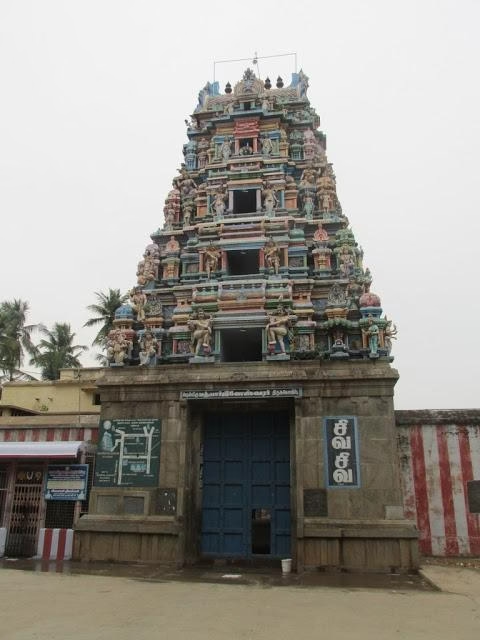
Located in the historic town of Pettavaithalai in the Trichy district, the Madhyarjuneshwar Temple stands as a significant Parihara Sthalam (remedial shrine) dedicated to Lord Shiva. While the presiding deity is worshipped as Madhyarjuneshwar, the consort is revered as Balambika (also spelled Pambikai). This ancient Chola-era temple is not merely a structural marvel but a potent spiritual destination for devotees seeking liberation from specific karmic afflictions, known as Doshas.
Why devotees visit: The primary spiritual benefit, or Phalaśruti, of worshipping here is the cleansing of Brahmahatti Dosha—the ancestral curse resulting from the killing of a Brahmin or intellectual violence. Additionally, because the temple is rooted in the traditions of the Siddhas, particularly Pottralam Poovai Siddhar, it is renowned for healing women-specific health ailments such as menstrual disorders and issues related to the uterus and menopause. Devotees believe that the divine energy here offers a pathway to physical wellness and karmic balance.
Historical Origins & Scriptural Legend
The temple’s history is deeply intertwined with the Later Chola dynasty. According to temple records and stone inscriptions dated 1205-1206 CE, the shrine was constructed by the great Chola Emperor, Kulothunga Chola III (r. 1178–1218 CE).
Scriptural Legend (Sthala Purana):
Tradition holds that Kulothunga Chola III was afflicted by Brahmahatti Dosha. To absolve himself of this grave sin, he embarked on a pilgrimage to construct 64 Shiva temples across his kingdom. The Madhyarjuneshwar Temple in Pettavaithalai is one of these 64 sacred shrines built as a penance. This historical context transforms the site into a powerful destination for those seeking redemption and spiritual cleansing.
Further historical significance is added by an inscription from Rani Mangammal of the Nayaka dynasty (dated 1685 CE), found within the temple complex, indicating continued patronage and renovation during the post-Chola era.
Architectural Marvels
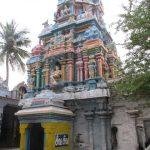
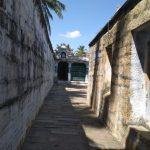
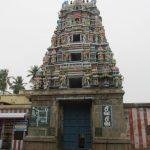
Exemplifying the grandeur of Dravidian architecture, the temple is an aesthetically rich structure adorned with intricate sculptures. As a testament to its historical value, the temple falls under the purview of the Archaeological Survey of India (ASI), preserving its ancient stone inscriptions and murals.
Architectural Highlights:
- Sanctum Sanctorum (Garbhagriha): Houses the Swayambhu (self-manifested) lingam of Madhyarjuneshwar.
- Shikhara: The towering roof structure follows the Dravidian style, capped with a Stupi (Kalasam).
- Mandapas: The temple features spacious pillared halls used for public rituals and rituals during festivals.
- Sculptures: The walls feature exquisite carvings depicting various forms of Shiva, Parvati, and celestial beings, reflecting the artistic zenith of the Chola period.
Darshan & Ritual Logistics
For devotees planning a visit in 2026, it is essential to align your schedule with the temple’s ritual timings. While specific timings are subject to local festival adjustments, the standard schedule is as follows:
| Darshan / Pooja Type | Morning Slot | Evening Slot |
|---|---|---|
| Temple Opening | 06:00 AM | 05:00 PM |
| Abhishekam (Ritual Bathing) | 07:00 AM – 09:00 AM | 05:30 PM – 06:30 PM |
| Archana (Individual Prayer) | 09:00 AM – 11:00 AM | 06:30 PM – 07:30 PM |
| Deepa Aradhana (Lamp Offering) | 11:30 AM | 07:30 PM |
| Temple Closing | 12:00 PM | 08:00 PM |
Key Sevas and 2026 Festivals
Devotees can perform specific Sevas to mitigate Brahmahatti Dosha and cure ailments.
- Special Abhishekam: Recommended on Mondays and Pradosham timings (sunset).
- Bhattacharya Puja: A specific ritual for those seeking relief from karmic debt.
- Online Seva Booking: While the temple primarily manages on-site bookings, pilgrims are advised to check the official Tamil Nadu HR&CE website for future online service integrations (if available) or contact the temple administrative office directly.
Major Festivals 2026:
- Maha Shivaratri: February 26, 2026 (Major celebrations with night-long vigil).
- Arudra Darshanam: December 2026 (Date subject to Tamil calendar; celebrates the cosmic dance of Shiva).
- Pradosham: Bi-monthly (13th day of the lunar fortnight).
Practical Visitor Guidance
To ensure a smooth and respectful visit, adhere to the following guidelines:
- Dress Code: Traditional attire is mandatory. Men should wear dhotis or trousers with shirts; women should wear sarees, salwar kameez, or long skirts. Avoid shorts and sleeveless tops.
- Photography: Photography is strictly prohibited inside the inner sanctum (Garbhagriha) and during active rituals. Exterior shots are generally permitted, but seek permission from the temple staff.
- Mobile Lockers: Electronic devices (mobile phones, cameras) are restricted in the sanctum area. Small storage facilities are often available near the entrance for a nominal fee.
- Accessibility: The temple is an active worship site with steps leading to the sanctum. It may not be fully wheelchair accessible in all areas.
Crowd Management
Best Hours to Visit: To avoid long queues, visit between 10:00 AM and 11:00 AM or during early morning hours (6:00 AM – 7:00 AM). Avoid weekends and Pradosham days if you prefer a quiet darshan.
Seasonal Advice: Summers in Trichy (April–June) are extremely hot. Carry sufficient water, wear a hat, and apply sunscreen. Monsoons (October–December) see moderate rainfall.
Pilgrimage Connectivity
The temple is strategically located between Trichy and Karur, making it highly accessible via rail and road.
How to Reach Madhyarjuneshwar Temple
- By Rail: The nearest railway station is Pettavaithalai Railway Station, located just 2 km away. Passenger and express trains connecting Trichy to Karur/Coimbatore halt here.
- By Air: Trichy International Airport is approximately 36 km away (about 50-60 minutes by car via NH569).
- By Road: The temple is located about 1 km inside from the Trichy–Kulithalai main road. It is 33 km from Trichy Central Bus Stand and 31 km from Trichy Railway Station.
Nearby Sacred Sites
Enhance your pilgrimage by visiting these nearby temples:
- Kulithalai Kadambar Temple (10 km): A beautiful Shiva temple situated on the banks of the Kaveri river.
- Patteswaram Dhenupureeswarar Temple (15 km): Famous for its unique nandi and the shrine dedicated to the Sun god.
- Kallanai Dam (25 km): An ancient dam built by the Cholas, offering a serene riverside atmosphere for relaxation.
Frequently Asked Questions (FAQs)
1. Is there a VIP darshan entry?
The temple management primarily follows a queue system for general devotees. VIP darshan options are rarely available for smaller temples, but senior citizens and physically challenged pilgrims are often given priority entry upon request at the ticket counter.
2. Can I perform rituals for Brahma Hatya Dosha?
Yes, this temple is specifically known as a Parihara Sthalam for Brahmahatti Dosha. It is recommended to consult the temple priest (Archaka) upon arrival to perform a specific Homa or Abhishekam tailored to this purpose.
3. What are the accommodation facilities?
There are no major hotels inside Pettavaithalai. For better lodging options, pilgrims usually stay in Trichy (33 km) or Kulithalai (10 km), which offer a range of hotels and choultries.
4. Is the temple open during solar and lunar eclipses?
As per standard Hindu tradition, temples usually close during eclipses. However, the Madhyarjuneshwar temple follows specific local directives, so it is best to verify with the temple office before planning a visit during such celestial events.
Recent Posts

Shri Kaamkoteeshwar Mandir, Varanasi – History & Significance
In the heart of Kashi, the eternal city of Lord Shiva, where the Ganges flows with celestial grace, stands the Shri Kaamkoteeshwar Mandir. This sacred Sannidhi is not merely a temple but a profound spiritual bridge between the Northern…

ओ सांवरे तूने ही मुझको संभाला – Lyrics & Meaning
ओ सांवरे तूने ही मुझको संभाला – A Prayer to Shyam Origin & Spiritual Essence Why This Bhajan Resonates Devotees chant this when overwhelmed by life’s storms—the refrain ‘तूने ही मुझको संभाला’ is the soul’s sigh of relief: “You…

कथा ये है महाराज मेरे की – Lyrics & Meaning
कथा ये है महाराज मेरे की छत्रपति संभाजी महाराज – A Prayer to Chhatrapati Sambhaji Maharaj Origin & Spiritual Essence Why This Bhajan Resonates Devotees chant this when their spirit feels tested—its powerful refrain “महाराज मेरे” is a soul’s…

Rigveda Samhita Yathartha Anuvada (ऋग्वेद संहिता यथार्थ अनुवाद) – Complete Set with Anvayartha & Hindi/English Translation
The Rigveda is the oldest surviving scripture of humanity and the foundational text of Sanātana Dharma. For serious students, scholars, UPSC aspirants studying ancient Indian history, Sanskrit learners, and spiritual seekers, a precise and grammatically structured translation is indispensable.…

आना भी अकेला है जाना भी अकेला है – Lyrics & Meaning | BharatTemples
आना भी अकेला है जाना भी अकेला है – A Prayer to the Divine Witness Origin & Spiritual Essence Why This Bhajan Resonates Devotees turn to this bhajan in moments of deep reflection—when life’s attachments begin to ache. The…

माता शेरावाली के द्वार जो भी जाता है – Lyrics & Meaning
माता शेरावाली के द्वार जो भी जाता है – A Prayer to Maa Sherawali Origin & Spiritual Essence Why This Bhajan Resonates Devotees turn to this bhajan in times of fear or uncertainty—its promise that no one leaves Maa’s…

मार लेना सपणी उबार लेणा भवरा – Lyrics & Meaning
मार लेना सपणी उबार लेणा भवरा – A Prayer to the Divine Beloved Origin & Spiritual Essence Why This Bhajan Resonates Devotees chant this in moments of deep vulnerability—its cry of “मार लेना सपणी, उबार लेणा भवरा” is the…

हमें श्याम सुंदर भरोसा तुम्हारा – Lyrics & Meaning
हमें श्याम सुंदर भरोसा तुम्हारा – A Prayer to Shyam Sundar Origin & Spiritual Essence Why This Bhajan Resonates Devotees chant this when feeling alone—its refrain ‘de do sahara’ is the soul’s cry for divine support. Lyrics in Hindi…

Mere Satguru Ne Di Thi Davai Lyrics in Hindi & Meaning
Mere Satguru Ne Di Thi Davai: Invoking the Guru’s Liberating Wisdom This soul-stirring bhajan venerates the Satguru (True Spiritual Master) as the divine physician who dispenses the only remedy for life’s deepest sufferings. Composed by Sant Karmaveer Tufani, it…

Janm Diyo Thari Maa Dukh Dekhiyo Lyrics in Hindi & Meaning
जन्म दियो थारी माँ दुख देखियो (Maa’s Grief Upon Birthing You) This soul-stirring Chetavani Bhajan (admonitory hymn) is addressed to the Divine Mother (Maa) – a call for repentance when children forget their filial duties in the dark age…