

Contents
Introduction & Spiritual Essence
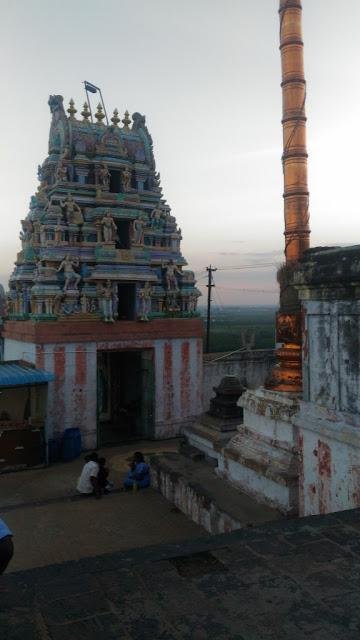
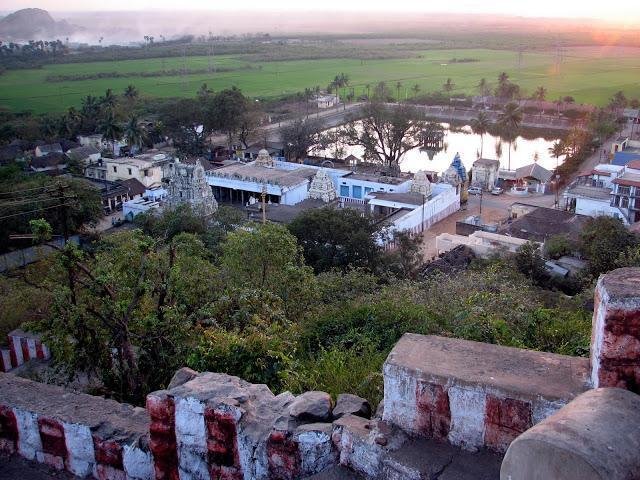
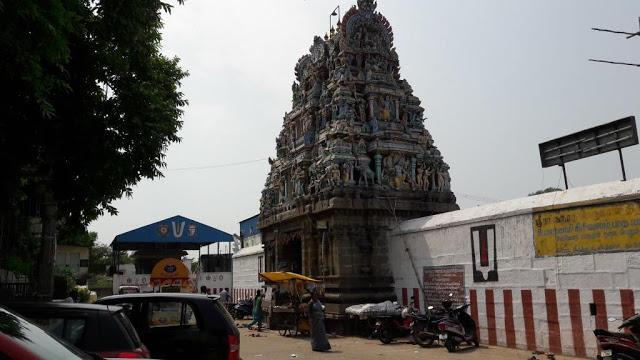
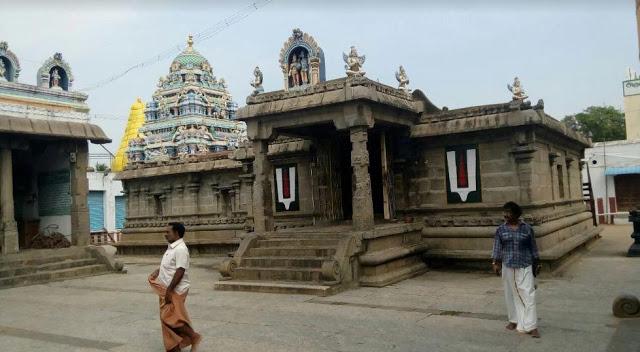
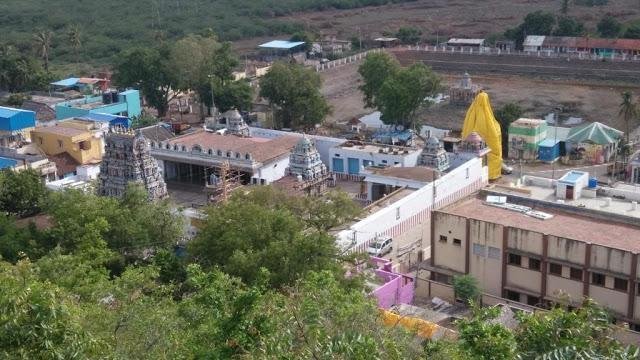
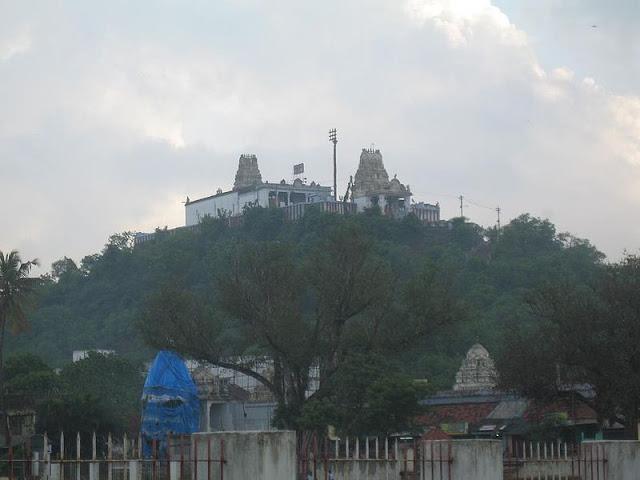
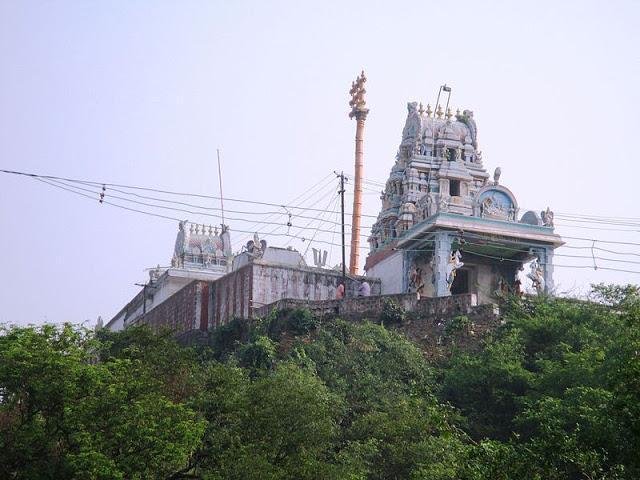
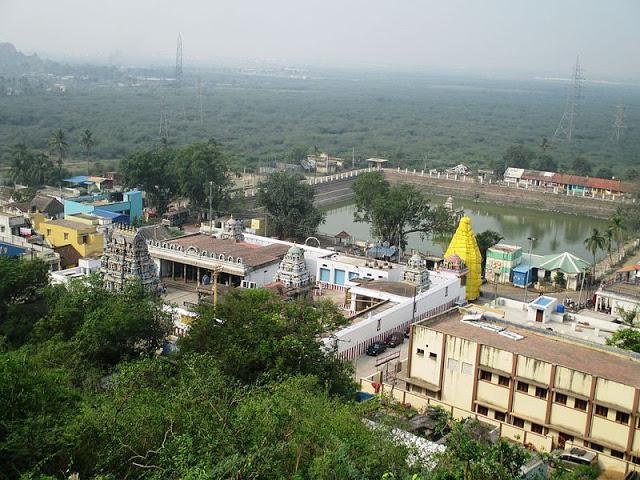
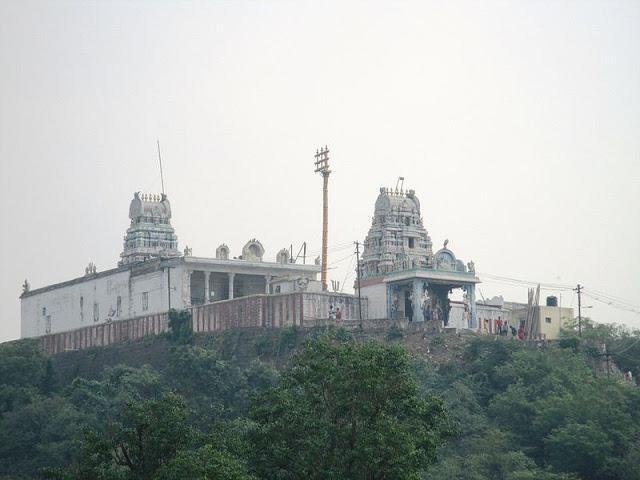
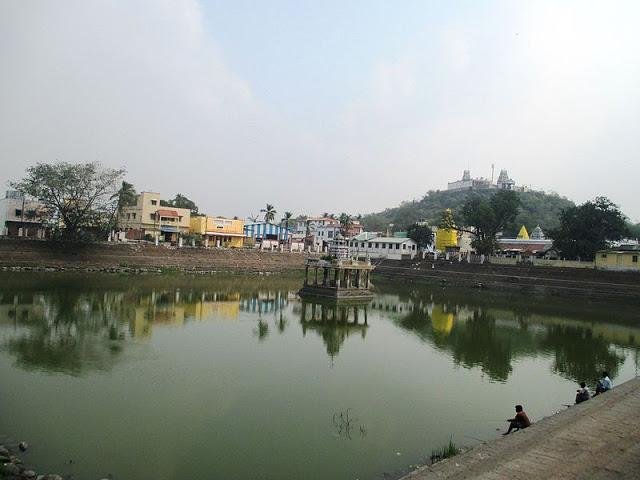
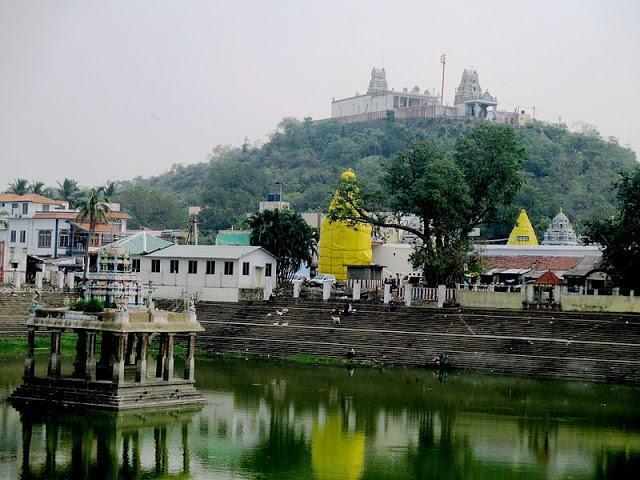
Perched on a scenic hill in the suburbs of Chennai lies Thiruneermalai Dhivya Desam, one of the 108 Divya Desams glorified by the Alwar saints. Located in the Kanchipuram district of Tamil Nadu, this temple is unique in its manifestation of Lord Vishnu. Unlike most temples where the deity is seen in a single form, here devotees can witness Thiruneermalai Ananthan in four different postures across two temple complexes atop and at the foot of the hill.
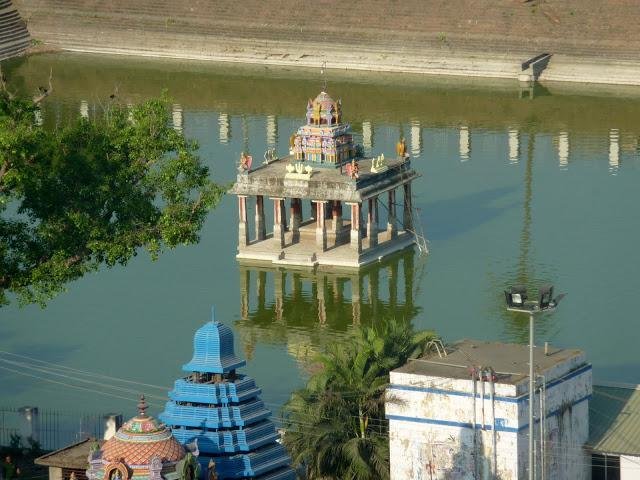
The hill is known as Thoyagiri (Water Mountain) because it is surrounded by water, and the site is revered as a Mukthi Sthala (a place of liberation). The primary deity is Neer Vanna PerumalRanganatha (reclining), Narasimha (sitting), and Ulagalandha Perumal (walking).
Phalaśruti: Why Visit Thiruneermalai?
Devotees flock to this sacred hill for specific spiritual benefits:
- Cleansing Ancestral Karma: Ritual baths in the temple tank are believed to wash away sins and ailments.
- Marriage & Obstacle Removal: It is a powerful Prarthana Sthalam (place of prayer), particularly for those facing delays in marriage or life obstacles.
- Child Blessings: Couples seeking offspring perform specific rituals by offering cradles at the hill shrine.
- Sanctification of Mind: As a Swayam Vyaktha Kshetram (a self-manifested abode of Vishnu), the very atmosphere is charged with spiritual energy, purifying the mind of the devotee.
Historical Origins & Scriptural Legend
Thiruneermalai dates back to the Dwapara Yuga, making it one of the oldest Divya Desams on a hill, alongside Ahobilam. Its history is a blend of scriptural records and local oral traditions.
Scriptural and Oral Traditions
The Miracle of Sage Valmiki: Legend states that after composing the Ramayana, Sage Valmiki worshipped Lord Ranganatha at the hilltop. He longed for the darshan of Lord Rama at the foothills. Through intense penance, Lord Ranganatha granted him a vision as Lord Rama, with Goddess Lakshmi as Sita and the divine accessories manifesting as Lakshmana, Bharata, and Shatrughna.
Thirumangai Azhwar’s Six-Month Vigil: The renowned saint Thirumangai Azhwar arrived here but was prevented by heavy floods for six months. His unwavering patience pleased the Lord, who granted him four unique darshans in a single visit. The spot where the Azhwar waited is called Thiru Mangai Azhvaar Puram and is a distinct area of the complex.
Ashta Swayamvektha Kshetrams: This temple is counted among the eight most important Swayam Vyaktha (self-manifested) Vishnu temples in India, alongside Srirangam, Srimushnam, and Tirupati.
Recent History and Renovations
While ancient in origin, the temple complex reflects centuries of patronage by local rulers. The structure is noted for its Dravidian style architecture, with recent renovations ensuring the preservation of the vimana (tower) structures and the maintenance of the surrounding tank (Thulabhaara Theertham). The Archaeological Survey of India (ASI) has noted the antiquity of the site, particularly its status as a notified megalithic site.
Architectural Marvels
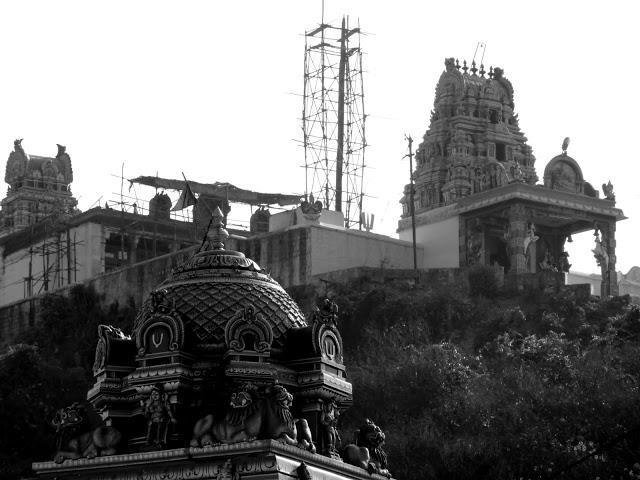
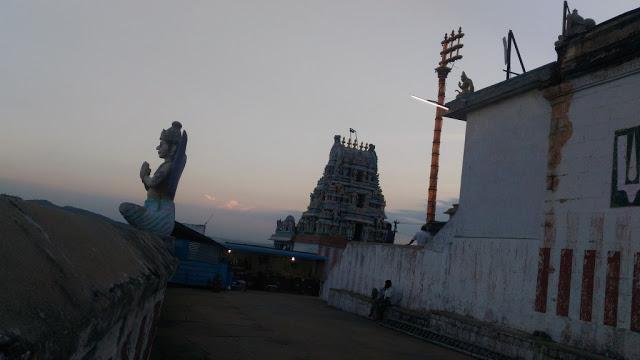
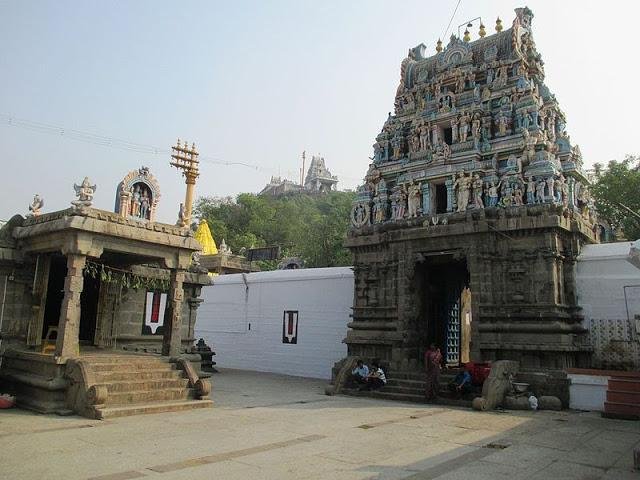
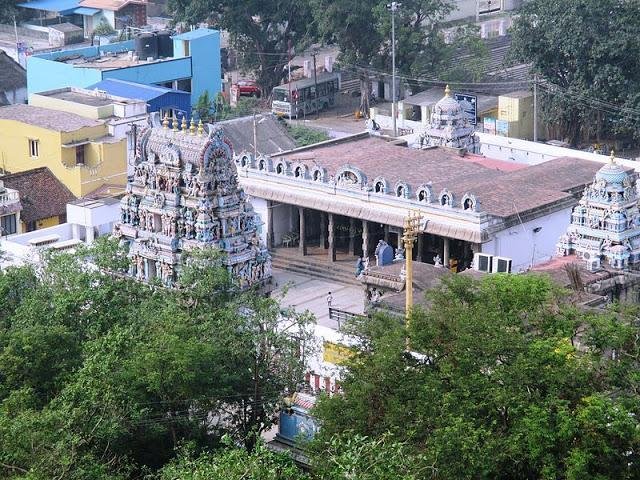
The temple occupies an area of 15 acres and is a masterpiece of Dravidian architecture. It is a twin temple complex: the foothill temple and the hilltop temple.
The Vastu Layout and Shikhara
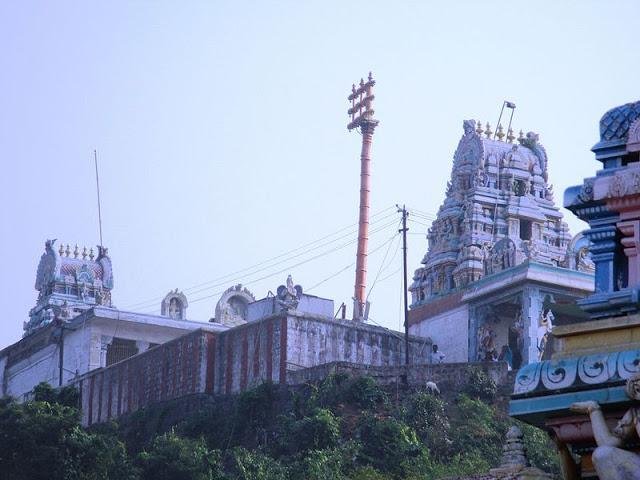
The temple follows traditional Vastu Shastra principles, with the hill acting as a natural Meru (cosmic mountain). The Shikhara (tower) above the sanctum is unique to the Dravidian style, featuring multiple tiers decorated with intricate carvings of deities.
Notable Sculptures and Shrines
- The Four Postures: As described, Vishnu is found in four forms: Sitting (Narasimha), Sleeping (Ranganatha), Walking (Ulagalandha Perumal) on the hill, and Standing (Neer Vanna Perumal) at the base.
- Shanta Narasimha: The hill temple houses a rare Ugra Narasimha (furious) behind a Bala Narasimha (child form) and a Shanta Narasimha (peaceful form). This peaceful aspect is unique; usually, Narasimha is depicted as fierce, but here He smiles, having calmed the fears of his devotee Prahlada.
- Boga Ranganatha: Located at the hilltop, this reclining form was worshipped by sages Markandeya and Brugu. Unlike other deities, he receives only oil application (Thaila Kappu) once a year, as he does not require ablution.
Darshan & Ritual Logistics (2026 Guide)
Timing your visit is essential to experience the rituals at Thiruneermalai. The temple follows a strict schedule of Thiruvanandham (regular worship) and seasonal festivals.
Daily Temple Timings
| Day | Morning Shift | Evening Shift |
|---|---|---|
| Monday – Sunday | 08:00 AM – 12:00 PM | 04:00 PM – 07:30 PM |
| Daily Pooja | Kalasanthi (09:00 AM) | Sayaratchai (06:00 PM) |
Key Sevas and Booking
Devotees can perform several Sevas to Neer Vanna Perumal and Ranganatha. As of 2026, the temple administration facilitates both in-person and online bookings:
- Abhishekam: Performed mainly to the hill deities (except Boga Ranganatha). This includes milk, honey, and sandalwood paste.
- Archana: Recitation of the Nalayira Divya Prabhandham. Specific archanas are available for marriage and health.
- Online Booking: Visit the official Tamil Nadu HR&CE website or the Dhivya Desam portal to book specific slots. It is advisable to book Brahmotsavam slots at least 2 weeks in advance.
2026 Major Festivals Calendar
| Festival | Deity | Approx. Dates 2026 |
|---|---|---|
| Panguni Brahmotsavam (Start) | Neer Vanna Perumal | March 31 |
| Panguni Brahmotsavam (End) | Ranganatha | April 15 |
| Panguni Uthiram | Utsavar Deity | April 14 |
| Chittirai Brahmotsavam | Ranganatha | April 15 – April 28 |
| Narasimha Festival | Narasimha | June – July (Aani) |
| Ulagalandha Perumal | Ulagalandha Perumal | July – August (Aadi) |
| Pavithra Utsavam | All Deities | September (Purattasi) |
| Ratha Sapthami | Ranganatha | January 2026 |
Practical Visitor Guidance
Visiting Thiruneermalai involves climbing steps and navigating the hill. Here are essential tips for a smooth experience.
Rules and Etiquette
- Dress Code: Strict traditional attire is mandatory. Men must wear Dhotis (or formal pants with a shirt), and women must wear Sarees or Salwar Kameez. Modern western wear is strictly prohibited.
- Photography: Photography is allowed in the Prakaram (corridors) and outer areas but is strictly forbidden inside the sanctum sanctorum.
- Mobile Lockers: Due to the hike to the hill temple, it is recommended to leave heavy bags at the designated cloakroom at the foothills. Carry minimal valuables.
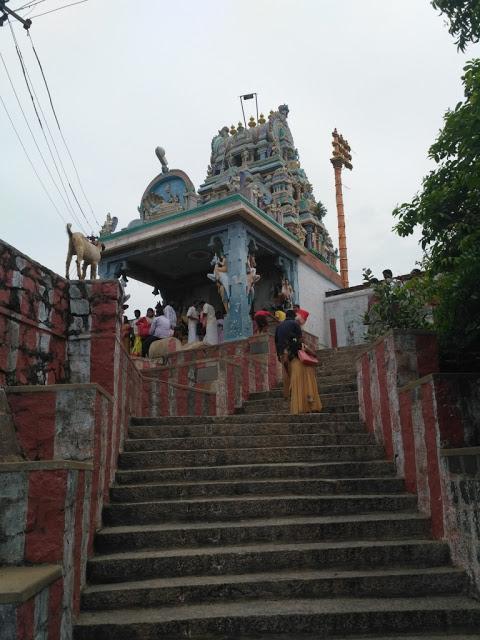
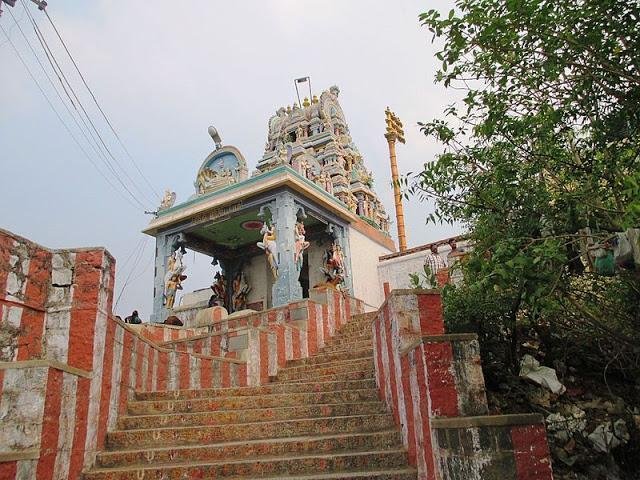
- Accessibility: The hill temple requires climbing stairs, making it difficult for those with mobility issues. However, the Neer Vanna Perumal temple at the foothills is fully accessible for wheelchair users.
Crowd Management & Seasonal Advice
- Best Hours: Arrive at 8:00 AM sharp when the temple opens to avoid the midday heat. The evening Darshan (4:00 PM onwards) is cooler and less crowded on weekdays.
- Weekends: Saturdays and Sundays see a surge of local visitors from Chennai. If possible, visit on a Tuesday or Wednesday.
- Seasonal Tip: During May and June, temperatures in Kanchipuram exceed 38°C. Carry a water bottle and head cover while climbing the hill. The monsoon (November) offers a lush, cool view but slippery steps; exercise caution.
Pilgrimage Connectivity
Located just 28 km from Chennai, Thiruneermalai is an easily accessible spiritual retreat.
How to Reach
- By Road: The temple is 100 meters from the Thiruneermalai Bus Stop. If driving from Chennai, take GST Road (NH4) towards Tambaram, turn right at Pallavaram (opposite Pond’s Factory), and drive approximately 3-4 km West. Bus numbers 55A, 55B, and J66 ply frequently from Pallavaram Bus Depot.
- By Train: The nearest railway station is Pallavaram Railway Station (approx. 5 km). From there, take an auto-rickshaw or local bus.
- By Air: Chennai International Airport (MAA) is roughly 9 km away, making this one of the most accessible hill temples for air travelers.
Nearby Sacred Sites (Circuit)
Extend your pilgrimage by visiting these nearby Divya Desams and holy sites:
- Thiruporur Murugan Temple (15 km): A famous temple dedicated to Lord Murugan, known for its vibrant architecture and chariot festivals.
- Mangadu Kamakshi Amman Temple (10 km): A powerful Shakti shrine associated with the Goddess Kamakshi.
- Thirumazhisai Alwar Temple (17 km): The birthplace of the saint Thirumazhisai Alwar, another Divya Desam located in Kanchipuram district.
Frequently Asked Questions (FAQ)
1. What is the significance of the four forms of Vishnu here?
Thiruneermalai is the only Divya Desam where Lord Vishnu grants darshan in four different postures—Sitting, Sleeping, Walking, and Standing—spread across the hill and foothill temples. This represents the all-encompassing nature of the Lord.
2. Is there a VIP darshan entry available?
While there is no formal “VIP” ticket system like Tirupati, the temple authorities allow faster access for senior citizens and differently-abled devotees at the foothill temple. For the hill temple, physical fitness is required.
3. How difficult is the climb to the hill temple?
The climb involves approximately 200-300 steps. It is a moderate hike suitable for most adults, but children and the elderly should proceed with caution. The view from the top of Chennai’s greenery is rewarding.
4. Can we perform Thaila Kappu for Boga Ranganatha?
Yes, but only during the specific month of Karthikai (November-December). Unlike other deities, Boga Ranganatha does not receive daily Abhishekam; only the oil application ritual is performed once a year.
5. Where can we stay?
There are no guest houses within the temple complex. However, several budget hotels and lodges are available in Pallavaram and Tambaram (5-10 km radius). For a more spiritual experience, devotees often stay in Kanchipuram (25 km) and visit early morning.
Ulagalandha Perumal in Walking Postures:
Recent Posts

Shri Kaamkoteeshwar Mandir, Varanasi – History & Significance
In the heart of Kashi, the eternal city of Lord Shiva, where the Ganges flows with celestial grace, stands the Shri Kaamkoteeshwar Mandir. This sacred Sannidhi is not merely a temple but a profound spiritual bridge between the Northern…

ओ सांवरे तूने ही मुझको संभाला – Lyrics & Meaning
ओ सांवरे तूने ही मुझको संभाला – A Prayer to Shyam Origin & Spiritual Essence Why This Bhajan Resonates Devotees chant this when overwhelmed by life’s storms—the refrain ‘तूने ही मुझको संभाला’ is the soul’s sigh of relief: “You…

कथा ये है महाराज मेरे की – Lyrics & Meaning
कथा ये है महाराज मेरे की छत्रपति संभाजी महाराज – A Prayer to Chhatrapati Sambhaji Maharaj Origin & Spiritual Essence Why This Bhajan Resonates Devotees chant this when their spirit feels tested—its powerful refrain “महाराज मेरे” is a soul’s…

Rigveda Samhita Yathartha Anuvada (ऋग्वेद संहिता यथार्थ अनुवाद) – Complete Set with Anvayartha & Hindi/English Translation
The Rigveda is the oldest surviving scripture of humanity and the foundational text of Sanātana Dharma. For serious students, scholars, UPSC aspirants studying ancient Indian history, Sanskrit learners, and spiritual seekers, a precise and grammatically structured translation is indispensable.…

आना भी अकेला है जाना भी अकेला है – Lyrics & Meaning | BharatTemples
आना भी अकेला है जाना भी अकेला है – A Prayer to the Divine Witness Origin & Spiritual Essence Why This Bhajan Resonates Devotees turn to this bhajan in moments of deep reflection—when life’s attachments begin to ache. The…

माता शेरावाली के द्वार जो भी जाता है – Lyrics & Meaning
माता शेरावाली के द्वार जो भी जाता है – A Prayer to Maa Sherawali Origin & Spiritual Essence Why This Bhajan Resonates Devotees turn to this bhajan in times of fear or uncertainty—its promise that no one leaves Maa’s…

मार लेना सपणी उबार लेणा भवरा – Lyrics & Meaning
मार लेना सपणी उबार लेणा भवरा – A Prayer to the Divine Beloved Origin & Spiritual Essence Why This Bhajan Resonates Devotees chant this in moments of deep vulnerability—its cry of “मार लेना सपणी, उबार लेणा भवरा” is the…

हमें श्याम सुंदर भरोसा तुम्हारा – Lyrics & Meaning
हमें श्याम सुंदर भरोसा तुम्हारा – A Prayer to Shyam Sundar Origin & Spiritual Essence Why This Bhajan Resonates Devotees chant this when feeling alone—its refrain ‘de do sahara’ is the soul’s cry for divine support. Lyrics in Hindi…

Mere Satguru Ne Di Thi Davai Lyrics in Hindi & Meaning
Mere Satguru Ne Di Thi Davai: Invoking the Guru’s Liberating Wisdom This soul-stirring bhajan venerates the Satguru (True Spiritual Master) as the divine physician who dispenses the only remedy for life’s deepest sufferings. Composed by Sant Karmaveer Tufani, it…

Janm Diyo Thari Maa Dukh Dekhiyo Lyrics in Hindi & Meaning
जन्म दियो थारी माँ दुख देखियो (Maa’s Grief Upon Birthing You) This soul-stirring Chetavani Bhajan (admonitory hymn) is addressed to the Divine Mother (Maa) – a call for repentance when children forget their filial duties in the dark age…