
Contents
Introduction & Spiritual Essence
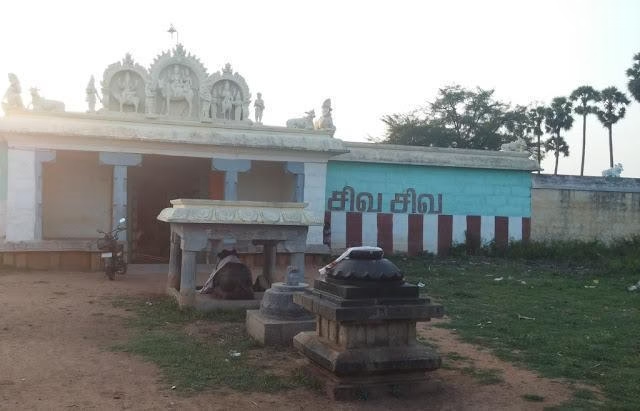
Nestled in the tranquil village of Neivanai in Villupuram District, the Swarnakadeswarar Temple stands as a timeless monument to faith and architectural heritage. This ancient Devaram Paadal Petra Thalam (one of the 275 revered Shiva temples sung by the Nayanmars) is locally known as the Nelvennainathar Temple. It is the 42nd Shiva Sthalam in the Kongu Nadu region and holds immense spiritual potency for devotees seeking relief from karmic debts and obstacles.
| Date built: | – |
|---|---|
| Deity: | Swarnakadeswarar |
| Architectural style: | Dravidian architecture |
| Major festivals | – |
| Locale: | Neivanai |
| District:: | Villupuram |
| Address: | Swarnakadeswarar Temple,Neivanai (Nelvennai),Kuvadu Post, Erayur Via,Ulundurpet, Taluk,Villupuram District – 607201 |
| Phone | +91 4149 291786 |
The presiding deity, Swarnakadeswarar (also revered as Porkudam Koduthu Aruliya Nayanaar and Vennaiappar), is a Swayambhu Murthi (self-manifested Lingam). The mother goddess here is Neelamalarkanni (Brihannayagi). Devotees visit this shrine primarily for Phalaśruti (spiritual benefits) such as cleansing ancestral karma, resolving delayed marriages, and overcoming financial debts. The temple is particularly famous for the ritual of applying white butter (Vennai Kappu) on the Shiva Lingam, which is believed to remove obstacles and bring prosperity.
Historical Origins & Scriptural Legend
According to temple records and historical analysis, the structure was built during the Chola period, though the spiritual lineage dates back to immemorial times. This temple is the 42nd among the 275 Paadal Petra Sthalams. The hymns of Saint Thirugnana Sambandar are consecrated here, cementing its place in Saiva liturgy.
The Legend of Swarnakadeswarar
The Sthala Purana (local oral tradition) narrates a miraculous event that gives the temple its name. In ancient times, this village was a prosperous agricultural hub. However, opulence made the residents neglect their devotion. Lord Shiva, testing their faith, commanded Varuna (the God of rain) to flood the region. As lakes breached and fields drowned, the terrified villagers prayed to Shiva for salvation.
Lord Shiva appeared as a handsome youth and instructed the people to construct a dam using bags of paddy (Nel). Miraculously, the paddy dam held back the deluge. The Lord then vanished, leaving behind pots of gold (Swarna) for the villagers to rebuild their lives. When the villagers realized their savior was divine, Lord Shiva manifested as a Swayambhu Lingam. Hence, the place was named Nel-vennai (the dam of paddy), and the Lord was named Swarnakadeswarar.
Connection to Thirugnana Sambandar
Tradition holds that Saint Thirugnana Sambandar once visited this temple but struggled to locate it in the darkness. Goddess Parvati, moved by his devotion, guided him with a celestial voice calling him “My dear child” from a nearby spot now known as Ethalavadi. Ecstatic upon hearing the divine voice, Sambandar performed a dance of joy. Consequently, this temple houses a unique idol of the saint in a dancing posture.
Architectural Marvels
The Swarnakadeswarar Temple showcases the grandeur of Dravidian architecture. While specific ASI/UNESCO documentation for this specific village temple is limited, the structural elements follow the classic Vastu Shastra principles of South Indian temple construction.
Key Architectural Features:
- The Sanctum (Garbhagriha): Houses the Swayambhu Lingam, facing east.
- Shikhara (Vimana): The tower above the sanctum exhibits the typical Dravidian tiered style, though modest in height compared to massive Chola temples.
- Mandapas: The temple features a pillared Maha Mandapa and an Ardha Mandapa, adorned with sculptures of deities and mythical creatures.
- Wall Sculptures: Carvings depict scenes from the life of Shiva, the legend of the paddy dam, and the dancing saint Sambandar.
- Special Feature: A dedicated shrine for Thirugnana Sambandar in a dancing form is a rare architectural highlight found in few temples across Tamil Nadu.
Darshan & Ritual Logistics
The temple administration ensures that devotees can access the deity during specific hours. However, as the priest resides nearby, darshan can sometimes be arranged with prior notice.
Daily Temple Timings (2026 Schedule)
Based on the traditional calendar, the temple remains open during the following intervals:
| Session | Opening Time | Closing Time |
|---|---|---|
| Morning Darshan | 6:00 AM | 9:00 AM |
| Afternoon Break | 9:00 AM | 4:00 PM |
| Evening Darshan | 4:00 PM | 8:00 PM |
Key Sevas and Offerings
- Vennai Kappu (Butter Abhishekam): Applying white butter to the Lingam. Believed to remove marriage obstacles and debt.
- Archana: Recitation of hymns in the name of the devotee.
- Pradosham: Special worship during twilight on the 13th lunar day of every fortnight.
- Bhairava Puja: Offered on New Moon days (Amavasai) for protection.
Online Seva Booking (2026)
While this temple is a heritage site with traditional administration, devotees are advised to contact the temple phone numbers provided in the header section for advance booking of special abhishekams or homams. For general offerings, one can perform them upon arrival.
Major Festivals in 2026
Plan your visit around these auspicious dates:
- Arudra Dharisanam: Celebrated in the Tamil month of Margazhi (December 2025 – January 2026). This marks the cosmic dance of Shiva.
- Maha Shivaratri: February/March 2026 (Date to be confirmed by the Tamil Panchangam). Night-long vigil and special abhishekams.
- Karthikai Deepam: November/December 2026. Lighting of lamps in the temple courtyard.
Practical Visitor Guidance
To ensure a spiritually fulfilling visit to Swarnakadeswarar Temple, please adhere to the following guidelines:
- Dress Code: Traditional attire is mandatory. Men should wear Dhoti or pants with a shirt; women should wear Saree, Salwar Kameez, or full-length skirts.
- Photography: Photography is generally prohibited inside the sanctum sanctorum. Please seek permission from the temple priest for outdoor photography.
- Mobile Lockers: As the temple is a heritage site in a village setting, electronic lockers may not be available. It is advisable to carry minimal valuables.
- Crowd Management: The temple is located in a quiet village. Crowds are generally manageable except during Pradosham and Shivaratri. The best time for a peaceful darshan is the morning session (6:00 AM – 7:30 AM).
- Seasonal Advice: During the peak summer months (April–June), the heat in Villupuram district can be intense. Carry sufficient water and an umbrella. The cool breeze in the temple courtyard during Margazhi (Dec–Jan) offers a divine experience.
Pilgrimage Connectivity
Swarnakadeswarar Temple is located in Neivanai (Nelvennai), Kuvadu Post, Erayur Via, Ulundurpet.
How to Reach
- By Road: The temple is approximately 15 km northwest of Ulundurpet on the Chennai-Tiruchirappalli Highway (NH 177A/Connects to NH 132). Buses are available from Ulundurpet to Neivanai at specific hours. Share autos are readily available from Ulundurpet bus stand.
- By Train:
- Ulundurpet Railway Station: 16 km (Nearest)
- Thirukkovilur Railway Station: 34 km
- Villupuram Junction: 57 km (Major station)
- By Air:
- Trichy (Tiruchirappalli) International Airport: ~140 km
- Chennai (Anna) International Airport: ~200 km
Nearby Sacred Sites (Pilgrimage Circuit)
Extend your spiritual journey by visiting these nearby Paadal Petra Sthalams:
- Kottravaneeswarar Temple, Ulundurpet: Located just 16 km away, dedicated to Lord Shiva who transformed into a hunter to save Markandeya.
- Thiruvennainallur Temple: Approximately 24 km away. A temple of great significance in the Pandya architectural style.
- Koovagam Temple: 24 km from Neivanai, famous for the Koothandavar festival during April-May.
Photo Gallery
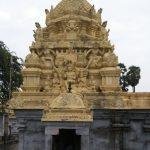
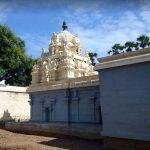
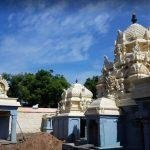
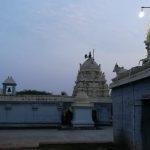
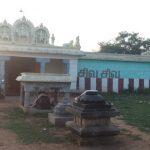
Frequently Asked Questions (FAQ)
1. What is the significance of applying butter to the Lingam here?
At Swarnakadeswarar Temple, applying white butter (Vennai Kappu) to the main deity is a traditional remedy for life’s “melting” obstacles. Devotees believe it helps in cooling the mind, removing debts, and paving the way for marriage proposals.
2. Is there a VIP darshan entry available?
As a heritage village temple, there is no formal VIP ticket system. However, devotees can arrange for special darshan by contacting the priest (Phone: +91 4149 291786) in advance and making a donation for temple maintenance.
3. What are the accommodation options near the temple?
The temple is located in a rural area with limited lodging. The nearest town with hotel facilities is Ulundurpet (15 km away), which offers decent lodges and hotels. For better amenities, Villupuram (50 km) is recommended.
4. Can we perform Thirumanjanam (Abhishekam) ourselves?
Generally, the resident priest performs all abhishekams. However, devotees can provide the materials (milk, honey, sandalwood paste) and the priest will perform the ritual on their behalf while they witness it.
5. What is the historical proof of the temple’s origin?
The temple is mentioned in the Devaram hymns composed by Thirugnana Sambandar in the 6th century CE. While the physical structure reflects later Chola architectural additions, the spiritual origin is traced back to the Sangam age via oral traditions.
Contact Details
Swarnakadeswarar Temple,
Neivanai (Nelvennai),
Kuvadu Post, Erayur Via,
Ulundurpet, Taluk,
Villupuram District – 607201
Phone: +91 4149 291786
Mobile: +91 94862 82952 / 90477859144
Recent Posts

Shri Kaamkoteeshwar Mandir, Varanasi – History & Significance
In the heart of Kashi, the eternal city of Lord Shiva, where the Ganges flows with celestial grace, stands the Shri Kaamkoteeshwar Mandir. This sacred Sannidhi is not merely a temple but a profound spiritual bridge between the Northern…

ओ सांवरे तूने ही मुझको संभाला – Lyrics & Meaning
ओ सांवरे तूने ही मुझको संभाला – A Prayer to Shyam Origin & Spiritual Essence Why This Bhajan Resonates Devotees chant this when overwhelmed by life’s storms—the refrain ‘तूने ही मुझको संभाला’ is the soul’s sigh of relief: “You…

कथा ये है महाराज मेरे की – Lyrics & Meaning
कथा ये है महाराज मेरे की छत्रपति संभाजी महाराज – A Prayer to Chhatrapati Sambhaji Maharaj Origin & Spiritual Essence Why This Bhajan Resonates Devotees chant this when their spirit feels tested—its powerful refrain “महाराज मेरे” is a soul’s…

Rigveda Samhita Yathartha Anuvada (ऋग्वेद संहिता यथार्थ अनुवाद) – Complete Set with Anvayartha & Hindi/English Translation
The Rigveda is the oldest surviving scripture of humanity and the foundational text of Sanātana Dharma. For serious students, scholars, UPSC aspirants studying ancient Indian history, Sanskrit learners, and spiritual seekers, a precise and grammatically structured translation is indispensable.…

आना भी अकेला है जाना भी अकेला है – Lyrics & Meaning | BharatTemples
आना भी अकेला है जाना भी अकेला है – A Prayer to the Divine Witness Origin & Spiritual Essence Why This Bhajan Resonates Devotees turn to this bhajan in moments of deep reflection—when life’s attachments begin to ache. The…

माता शेरावाली के द्वार जो भी जाता है – Lyrics & Meaning
माता शेरावाली के द्वार जो भी जाता है – A Prayer to Maa Sherawali Origin & Spiritual Essence Why This Bhajan Resonates Devotees turn to this bhajan in times of fear or uncertainty—its promise that no one leaves Maa’s…

मार लेना सपणी उबार लेणा भवरा – Lyrics & Meaning
मार लेना सपणी उबार लेणा भवरा – A Prayer to the Divine Beloved Origin & Spiritual Essence Why This Bhajan Resonates Devotees chant this in moments of deep vulnerability—its cry of “मार लेना सपणी, उबार लेणा भवरा” is the…

हमें श्याम सुंदर भरोसा तुम्हारा – Lyrics & Meaning
हमें श्याम सुंदर भरोसा तुम्हारा – A Prayer to Shyam Sundar Origin & Spiritual Essence Why This Bhajan Resonates Devotees chant this when feeling alone—its refrain ‘de do sahara’ is the soul’s cry for divine support. Lyrics in Hindi…

Mere Satguru Ne Di Thi Davai Lyrics in Hindi & Meaning
Mere Satguru Ne Di Thi Davai: Invoking the Guru’s Liberating Wisdom This soul-stirring bhajan venerates the Satguru (True Spiritual Master) as the divine physician who dispenses the only remedy for life’s deepest sufferings. Composed by Sant Karmaveer Tufani, it…

Janm Diyo Thari Maa Dukh Dekhiyo Lyrics in Hindi & Meaning
जन्म दियो थारी माँ दुख देखियो (Maa’s Grief Upon Birthing You) This soul-stirring Chetavani Bhajan (admonitory hymn) is addressed to the Divine Mother (Maa) – a call for repentance when children forget their filial duties in the dark age…