
Contents
- 1 Agastheeshwarar Temple, Kiliyanur: The Definitive Pilgrimage Guide
- 1.1 1. Introduction & Spiritual Essence
- 1.2 2. Historical Origins & Scriptural Legend
- 1.3 3. Architectural Marvels
- 1.4 4. Darshan & Ritual Logistics (2026 Updates)
- 1.5 5. Practical Visitor Guidance
- 1.6 6. Pilgrimage Connectivity
- 1.7 7. Frequently Asked Questions (FAQ)
- 1.8 Photo Gallery
- 1.9 Location & Contact
Agastheeshwarar Temple, Kiliyanur: The Definitive Pilgrimage Guide
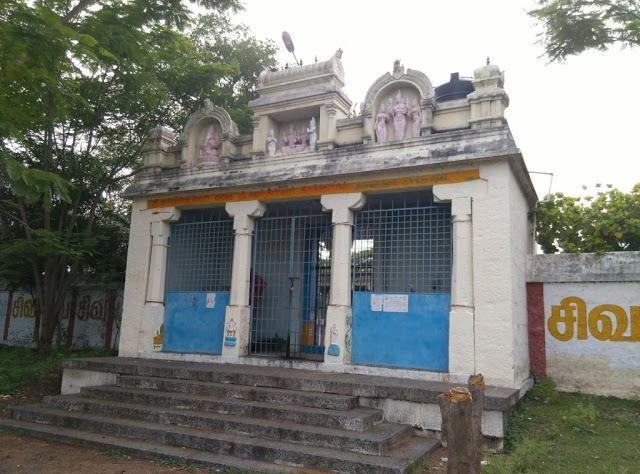
Nestled in the serene village of Kiliyanur in the Villupuram district, the Agastheeshwarar Temple stands as a testament to ancient Dravidian architectural prowess and deep spiritual resonance. This sacred shrine is counted among the 276 revered Padal Petra Sthalam—hymns sung by the four primary Nayanar saints—and serves as a potent parihara sthalam for planetary afflictions.
1. Introduction & Spiritual Essence
The primary deity here is Agastheeshwarar, a form of Lord Shiva (Swayambhu Murti), and the consort is Akilandeswari. The temple is the 33rd Shiva Sthalam in the Thondai Naadu region.
Phalaśruti: The Benefits of Pilgrimage
Devotees flock to this ancient temple for specific spiritual and material benefits:
- Rahu-Ketu Parikara: It is a highly potent site for mitigating the ill effects of Rahu and Ketu (shadow planets) in one’s horoscope, believed to be the place where Adhiseshan (the divine serpent) worshipped Shiva.
- Marriage & Education: Prayers here are known to remove obstacles in marriage proposals and enhance educational success.
- Child Blessings: Childless couples perform specific sevas here to seek the boon of progeny.
- Health Benefits: Consuming the Paal Abhishekam (milk used for ablution) is believed to cure chronic illnesses, particularly stomach disorders.
2. Historical Origins & Scriptural Legend
Age & Dynasty: The temple dates back approximately 1,500 years. While the original structure was built using bricks, it was later reconstructed in granite during the reign of King Paranthakan Chola-I (10th Century CE). The village was originally known as Kiliyannavur.
Scriptural References & Local Legends
The Legend of Sage Agastya: Tradition holds that the Moolavar (presiding deity) was installed and worshipped by Sage Agasthiyar, hence the name Agastheeshwarar. The temple is also associated with the parrot-faced sage, Sukhabrahmma Maharishi (whose face resembled a ‘Kili’ or parrot), giving the village its name, Kiliyanur.
The Legend of Kalava Maharishi: It is said that Sage Kalava Maharishi stayed here with his two daughters, who were suffering from severe illnesses. He prayed fervently to Lord Shiva, who appeared and cured them, granting them a fresh lease on life.
Nandi’s Worship: A unique aspect of this temple is the belief that Nandi (the bull mount of Shiva), positioned opposite Goddess Akilandeswari, is seen performing worship towards the Goddess specifically during Maha Shivaratri nights. Inscriptions within the temple precincts corroborate this distinct tradition.
3. Architectural Marvels
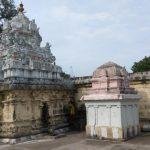
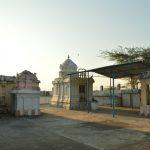
The temple is a classic example of Dravidian Architecture typical of the Chola period.
Structural Highlights
- Garbhagriha & Shikhara: The sanctum sanctorum houses the lingam facing east. The Vimana (tower) above the sanctum displays Chola architectural aesthetics.
- Mandapas: The temple features spacious Mandapas (halls) with intricately carved pillars, often depicting mythical creatures and deities.
- ASI & Status: Recognized as the 276th Padal Petra Sthalam, it holds significant archaeological value. The stone inscriptions found here provide critical historical evidence regarding Chola land grants and temple administration.
4. Darshan & Ritual Logistics (2026 Updates)
The temple maintains traditional opening hours. Please note that timings may vary slightly during festival seasons.
| Session | Timing |
|---|---|
| Morning Darshan | 08:00 AM – 12:00 PM |
| Evening Darshan | 05:30 PM – 07:30 PM |
| Note: This is a Rahu-Ketu Parihara Sthalam. Specific timings for planetary rituals are usually between 4:30 PM and 6:00 PM. | |
Key Sevas & Online Booking
While the temple is a historic site, standard sevas are performed. For online booking, devotees should visit the official HR&CE (Hindu Religious and Charitable Endowments Department) portal for Tamil Nadu temples.
- Abhishekam: Performed daily. Special milk abhishekam is popular for health remedies.
- Archana: Personal and general archanas for family well-being.
- Laghu Rudram: Recommended for Rahu-Ketu dosha removal.
Major Festivals 2026
Planning a visit during these times offers a vibrant cultural experience:
- Maha Shivaratri (Feb 26, 2026): The most significant event here. Special night-long rituals and the presence of Nandi worshipping Ambal.
- Annabishekam (Aippasi Thiruvathirai – ~Dec 2026): Abhishekam with cooked rice (Pongal) offered to the deity.
- Arudra Darshanam: Celebrated with great fervor, honoring the cosmic dance of Shiva.
5. Practical Visitor Guidance
To ensure a smooth pilgrimage experience:
- Dress Code: Traditional attire is mandatory. Men should wear dhotis or pants with shirts; women should wear sarees, salwars, or churidars.
- Photography: Strictly prohibited inside the sanctum sanctorum. Photography may be allowed in the outer precincts; ask temple authorities for permission.
- Mobile Lockers: The temple generally does not have high-tech lockers. It is advisable to carry minimal luggage.
- Accessibility: The sanctum requires climbing steps. Assistive mobility for elderly devotees may be limited due to the historic nature of the structure.
- Crowd Management: Mornings are peaceful for darshan. Weekends and Mondays see higher footfall. If visiting in May-June (Summer), carry plenty of water as the surrounding areas are open with limited shade.
6. Pilgrimage Connectivity
How to Reach Agastheeshwarar Temple
- By Road: The temple is located on the Thindivanam to Puducherry bus route (National Highway 66). The village Kiliyanur is approximately 2 Kms from the highway. There are no direct buses to the temple gate; take a bus from Thindivanam to Tiruchitrambalam Koot road, then an auto-rickshaw to Kiliyanur.
- By Train: The nearest railway junctions are Thindivanam (approx. 19 km) and Puducherry (approx. 25 km).
- By Air: The nearest airport is Chennai International Airport (approx. 150 km). Puducherry Airport is closer but has limited connectivity.
Nearby Sacred Sites
Extend your pilgrimage circuit to include these nearby temples:
- Thiruvamathur (Purumbakkam): Located 10 km away, another historic Shiva temple.
- Mailam: Known for the Murugan Temple (approx. 19 km).
- Irumbai Mahaleshwarar Temple: A very famous Shiva temple 14 km from Kiliyanur.
7. Frequently Asked Questions (FAQ)
1. Is there a VIP Darshan entry?
As a heritage site, VIP amenities are limited. However, devotes can often access the inner sanctum easily outside of peak ritual hours (morning and evening aarti).
2. What is the best time to visit for Rahu Kethu Dosha remedies?
Evenings, particularly between 5:30 PM and 7:00 PM, are considered auspicious for Rahu Kalam prayers. Tuesdays and Fridays are highly recommended for this specific pariharam.
3. Are there accommodation facilities nearby?
Lodging is not available in Kiliyanur. It is advisable to stay in Thindivanam (19 km) or Puducherry (25 km), which offer a wide range of hotels and guesthouses.
4. Can we consume the Abhishekam milk?
Yes, the milk used for abhishekam is distributed as Prasadam. It is specifically sought after by devotees seeking relief from stomach ailments.
5. Who is the current head priest?
For specific details regarding archakas or special pujas, it is recommended to contact the temple administration at +91 9976440754 or the local RFO (Regional Forest Officer) office, as the temple is under HR&CE control.
Photo Gallery




Location & Contact
Address:
Agastheeshwarar Temple,
Thiru Kiliyanur, Thindivanam Taluk,
Villupuram District – 604001
Phone: +91 9976440754
Recent Posts

Shri Kaamkoteeshwar Mandir, Varanasi – History & Significance
In the heart of Kashi, the eternal city of Lord Shiva, where the Ganges flows with celestial grace, stands the Shri Kaamkoteeshwar Mandir. This sacred Sannidhi is not merely a temple but a profound spiritual bridge between the Northern…

ओ सांवरे तूने ही मुझको संभाला – Lyrics & Meaning
ओ सांवरे तूने ही मुझको संभाला – A Prayer to Shyam Origin & Spiritual Essence Why This Bhajan Resonates Devotees chant this when overwhelmed by life’s storms—the refrain ‘तूने ही मुझको संभाला’ is the soul’s sigh of relief: “You…

कथा ये है महाराज मेरे की – Lyrics & Meaning
कथा ये है महाराज मेरे की छत्रपति संभाजी महाराज – A Prayer to Chhatrapati Sambhaji Maharaj Origin & Spiritual Essence Why This Bhajan Resonates Devotees chant this when their spirit feels tested—its powerful refrain “महाराज मेरे” is a soul’s…

Rigveda Samhita Yathartha Anuvada (ऋग्वेद संहिता यथार्थ अनुवाद) – Complete Set with Anvayartha & Hindi/English Translation
The Rigveda is the oldest surviving scripture of humanity and the foundational text of Sanātana Dharma. For serious students, scholars, UPSC aspirants studying ancient Indian history, Sanskrit learners, and spiritual seekers, a precise and grammatically structured translation is indispensable.…

आना भी अकेला है जाना भी अकेला है – Lyrics & Meaning | BharatTemples
आना भी अकेला है जाना भी अकेला है – A Prayer to the Divine Witness Origin & Spiritual Essence Why This Bhajan Resonates Devotees turn to this bhajan in moments of deep reflection—when life’s attachments begin to ache. The…

माता शेरावाली के द्वार जो भी जाता है – Lyrics & Meaning
माता शेरावाली के द्वार जो भी जाता है – A Prayer to Maa Sherawali Origin & Spiritual Essence Why This Bhajan Resonates Devotees turn to this bhajan in times of fear or uncertainty—its promise that no one leaves Maa’s…

मार लेना सपणी उबार लेणा भवरा – Lyrics & Meaning
मार लेना सपणी उबार लेणा भवरा – A Prayer to the Divine Beloved Origin & Spiritual Essence Why This Bhajan Resonates Devotees chant this in moments of deep vulnerability—its cry of “मार लेना सपणी, उबार लेणा भवरा” is the…

हमें श्याम सुंदर भरोसा तुम्हारा – Lyrics & Meaning
हमें श्याम सुंदर भरोसा तुम्हारा – A Prayer to Shyam Sundar Origin & Spiritual Essence Why This Bhajan Resonates Devotees chant this when feeling alone—its refrain ‘de do sahara’ is the soul’s cry for divine support. Lyrics in Hindi…

Mere Satguru Ne Di Thi Davai Lyrics in Hindi & Meaning
Mere Satguru Ne Di Thi Davai: Invoking the Guru’s Liberating Wisdom This soul-stirring bhajan venerates the Satguru (True Spiritual Master) as the divine physician who dispenses the only remedy for life’s deepest sufferings. Composed by Sant Karmaveer Tufani, it…

Janm Diyo Thari Maa Dukh Dekhiyo Lyrics in Hindi & Meaning
जन्म दियो थारी माँ दुख देखियो (Maa’s Grief Upon Birthing You) This soul-stirring Chetavani Bhajan (admonitory hymn) is addressed to the Divine Mother (Maa) – a call for repentance when children forget their filial duties in the dark age…