
Contents
- 1 Thalaivali Theerkkum Vinayagar Temple: A Guide to Miraculous Healing in Palani
- 1.1 Architecture
- 1.2 Legend / Local stories
- 1.3 Photo Gallery
- 1.4 How to Reach:
- 1.5 Contact Details
- 1.6 1. Introduction & Spiritual Essence
- 1.7 2. Historical Origins & Scriptural Legend
- 1.8 3. Architectural Marvels
- 1.9 4. Darshan & Ritual Logistics (2026 Schedule)
- 1.10 5. Practical Visitor Guidance
- 1.11 6. Pilgrimage Connectivity
- 1.12 7. Frequently Asked Questions (FAQ)
- 1.12.1 1. Is there a VIP darshan entry at Thalaivali Theerkkum Vinayagar Temple?
- 1.12.2 2. What is the specific remedy for headaches at this temple?
- 1.12.3 3. Can I visit the temple if I am not feeling well physically?
- 1.12.4 4. Is there a dress code for visiting the Ganesha shrine?
- 1.12.5 5. Where can I park my vehicle?
- 1.12.6 6. Is the temple open during the Agni Nakshatram period?
- 1.12.7 7. What is the difference between Valampuri and Idumban Vinayagar?
Thalaivali Theerkkum Vinayagar Temple: A Guide to Miraculous Healing in Palani
Thalaivali Theerkkum Vinayagar, palani
| Date built: | – |
|---|---|
| Deity: | Valampuri Vinayagar |
| Architectural style: | – |
| Major festivals | – |
| Locale: | palani |
| District:: | dindigul |
| Address: | – |
| Phone | – |
Near the Idumban hill is the farm of Forest Department Going a little farther we come to a Valampuri Vinayagar who cures even serious headaches. A board with the words “Head cure Vallaba Vinayagar” is seen. It is to attract people of other states. Three steps and a niche. People knock their head against the steps. Headaches of people will vanish Further it guards against head-aches.
Muruga himself is a physician. His very body is a medicine. Moreover to go round the hills is a tonic. The various herbal plants grown by the Siddars are still there. The air coming over them cures ills. It is the same in Kodai hills also.
People go round the hills in all times and in all seasons. During festivals the number will swell. Generally the best time go round the hills is early morning. The air called Ozone will rise in dawn and disappear at sunrise. This air is very beneficial to us. During the hot Agni Nakshatram days, devotes will go round from 1 a.m. to 10 a.m. and 4 p.m. to 10 p.m.. This is the period when Kadamba and kora, favourite trees of Muruga will blossom and waft their fragrance. These trees too have curative properties. Some devotees even roll round the hill (Angapradakshinam).
The Kora tree is the holy tree in Thiruvidaikazhi, a Muruga Sthala. This place should be approached from Thirukadavur near Mayuram. In Thiruvannamalai, it is difficult to go round the hills. In palani too, it was so once. But nowdays it is not so. To go 2km is very easy. Forgetting everything, going round the hills on the cement road, enjoying the Palani and distant Kodai hills is fascinating.
Architecture
Legend / Local stories
Photo Gallery
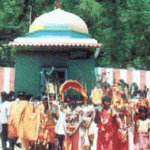
How to Reach:
Palani is approximately 100 kilometers from the Coimbatore. Mode of transport from the Coimbatore to the Palani includes taxi, bus and train.
By plane
The nearest air port is in Coimbatore. Coimbatore has has regular flights from Ahmedabad, Bangalore, Calicut, Chennai, Cochin, Hyderabad, Mumbai, New Delhi and Sharjah. Air India, Kingfisher,Indigo,Spicejet and Jet Airways operate flights out of Coimbatore Airport.
By Train
There is a rail line through Palani station, stretching Madurai to Coimbatore via Pollachi. Now Tiruchendur to palani via madurai, Chennai central – Palani Express, operating on this line.
By bus
The state transport corporation and a lot of private bus operators ply bus from Palani to major cities in Tamil Nadu (Chennai, Coimbatore, Madurai, Trichy, Tuticorin etc) and also to the neighboring Kerala(Palakkadu, Kochin).
Contact Details
Official Address
1. Introduction & Spiritual Essence
Deep in the foothills of the sacred Palani Hills, lies a hidden sanctuary known as the Thalaivali Theerkkum Vinayagar Temple. While Lord Muruga is the primary deity of Palani, this unique shrine is dedicated to Valampuri Vinayagar (Lord Ganesha) and is renowned for its miraculous ability to alleviate physical and mental afflictions, particularly headaches.
The Deity: Valampuri Vinayagar
The idol here is a Valampuri (right-turning) form of Ganesha. In Hindu iconography, the trunk turning to the right is considered highly auspicious and potent, representing the flow of positive energy and the removal of obstacles. This specific form is often referred to locally as the “Headache Curer” (Thalaivali Theerkkum) or Valampuri Vinayagar of Palani.
Phalaśruti: The Benefits of Darshan
Devotees visit this temple seeking specific relief from chronic ailments. According to local tradition and Sthala Purana:
- Relief from Chronic Headaches: It is believed that the powerful vibrations of the Valampuri form can cure migraines and severe headaches that resist medical treatment.
- Protection from Head Ailments: The temple acts as a shield against negative energies that manifest as mental stress and cephalalgia.
- Ancestral Karmic Cleansing: Prayers offered here are said to cleanse Pitru Dosha (ancestral debts) which often manifest as recurring health issues.
2. Historical Origins & Scriptural Legend
Unlike the massive main temple complex of Palani, the Thalaivali Theerkkum Vinayagar Temple is an ancient, smaller shrine located near the Idumban Hill farm. The history is deeply intertwined with the Siddha tradition of Tamil Nadu.
The Siddha Connection
According to temple records and oral legends passed down through generations, this area was once a dense forest inhabited by Siddhas (enlightened physicians and yogis). These Siddhas cultivated medicinal herbs in the Palani hills to cure the diseases of the masses. The Valampuri Vinayagar is believed to be the Moolavar (presiding deity) enshrined by these ancient sages to harness the healing power of nature.
Origin of the “Head Cure” Legend
Tradition holds that the Deva Guru Brihaspati once suffered from a debilitating headache caused by a curse. Seeking relief, he performed intense Tapas (penance) at this very spot. Pleased by his devotion, Lord Ganesha manifested as the Valampuri Vinayagar, applying divine herbs to cure the Guru’s headache. This event established the temple as a site of miraculous physical healing.
3. Architectural Marvels
The architecture of this temple reflects the rustic and ancient style of the Dravida order, yet remains simple and aligned with nature, distinct from the grandeur of the main Palani temple.
Structure and Layout
The sanctum sanctorum is a compact, brick-and-mortar structure designed to focus the devotee’s energy inward.
- The Sanctum (Garbhagriha): The deity is enshrined in a small niche. As described in the original context, there are three steps leading to the deity.
- Therapeutic Design: The architecture serves a functional purpose. Devotees traditionally perform a ritual known as Angapradakshinam (rolling around the temple precincts) or gently knocking their heads against the three holy steps. This act is symbolic of surrendering one’s ego to the Lord, resulting in the vanishing of physical pain.
Natural Integration
The temple is seamlessly integrated into the forest landscape. The air here is rich in Ozone, particularly in the early hours, due to the proximity of Kadamba and Kora trees—favorites of Lord Muruga and Ganesha—whose fragrance has natural therapeutic properties.
4. Darshan & Ritual Logistics (2026 Schedule)
To ensure a smooth pilgrimage experience, devotees should plan their visit according to the temple timings. Note that during festivals and weekends, crowds swell significantly.
Daily Timings
| Session | Timing | Details |
|---|---|---|
| Morning | 6:00 AM – 1:00 PM | Best time for Ozone-rich air darshan. |
| Afternoon Break | 1:00 PM – 4:00 PM | Temple closed for rest. |
| Evening | 4:00 PM – 8:00 PM | Ideal for Pradakshina and cooler weather. |
*Note: During the Agni Nakshatram period (April-May), devotees often gather between 1:00 AM and 10:00 AM, and 4:00 PM to 10:00 PM for extended healing rituals.
Key Sevas and Offerings
- Head Abhishekam: Special ritual where sacred water (Panchamrit) is poured over the head of the devotee by the priest, followed by the offering of Medicinal Vibhuti (Holy Ash).
- Valampuri Archana: Chanting of Ganesha mantras with 108 epithets.
- Deepa Aradhana: Lighting of ghee lamps to dispel the darkness of ignorance and illness.
Online Seva Booking 2026
While this is a smaller shrine, the Palani Dhandayuthapani Swamy Temple administration manages the ecosystem. Devotees can book general darshan and special sevas through the official Arulmigu Dhandayuthapani Swamy Temple website or authorized mobile apps. For the Thalaivali Theerkkum Vinayagar Temple, direct offerings are usually made at the shrine itself.
Major Festivals 2026
- Thai Poosam (January): A major event in Palani; the temple is adorned with flowers and lights.
- Thaipusam: Celebrated with grandeur; devotees visit Ganesha shrines before climbing the hill.
- Vinayagar Chaturthi (August/September): Special Homams (fire rituals) are performed to cure headaches and eye ailments.
5. Practical Visitor Guidance
Visiting this temple requires preparation, especially regarding the physical exertion of climbing and the weather.
Rules and Etiquette
- Dress Code: Traditional attire is mandatory. Men should wear Veshti (dhoti) or trousers with a shirt; Women should wear saree or churidar.
- Photography: Strictly prohibited inside the sanctum sanctorum.
- Mobile Lockers: Since the temple is located on the slopes of the hill, electronic devices should be minimized. Official lockers are available at the base of the hill (Idumban statue area).
Crowd Management & Seasonal Advice
- Best Hours: The early morning air (approx. 5:30 AM – 7:00 AM) is considered “Ozone Air,” highly beneficial for respiratory health.
- Seasonal Wear:
- Summer (March-June): Carry water bottles, wear light cottons, and use the cemented road for Pradakshina.
- Monsoon (Oct-Dec): The area becomes misty and cool; carry a light jacket.
- Accessibility: The path to this specific shrine involves steps. It is less strenuous than the main hill climb but requires moderate physical fitness.
6. Pilgrimage Connectivity
Palani is a major pilgrimage center in Tamil Nadu, well-connected by rail, road, and air.
How to Reach Palani
- By Air: The nearest airport is Coimbatore International Airport (CBE), located approximately 100 km away. From there, you can hire a taxi or take a bus to Palani. Coimbatore has regular flights from major cities including Chennai, Bangalore, Mumbai, and New Delhi.
- By Train: Palani Railway Station is well-connected. Notable trains include the Palani Express (from Chennai Central) and the Palani Fast Passenger (from Madurai/Coimbatore). The station is just 2 km from the temple town.
- By Road:
- NH 85: Connects Coimbatore to Palani via Pollachi.
- Bus Services: TNSTC (Tamil Nadu State Transport Corporation) and private operators run frequent buses from Madurai, Coimbatore, Tiruchirappalli, and neighboring Kerala (Palakkad).
Nearby Sacred Sites (The Pilgrimage Circuit)
After receiving blessings from Thalaivali Theerkkum Vinayagar, extend your spiritual journey:
- Arulmigu Dhandayuthapani Swamy Temple (Palani Murugan Temple): The primary hilltop shrine (approx. 2 km ascent).
- Idumban Temple: Located at the base of the hills. It is customary to visit Idumban before climbing Palani.
- Kulithalai: A nearby town on the banks of the Kaveri river, home to the Arulmigu Kadambar Koyil (another ancient Shiva temple), approximately 40 km away.
7. Frequently Asked Questions (FAQ)
1. Is there a VIP darshan entry at Thalaivali Theerkkum Vinayagar Temple?
As this is a smaller, forest-shrine dedicated to Ganesha, there is no separate VIP entry. However, early morning visits provide an exclusive, peaceful darshan. For the main Palani temple, VIP tickets can be purchased online or at the counter.
2. What is the specific remedy for headaches at this temple?
The unique remedy involves the knocking of the head against the three specific steps leading to the sanctum, followed by applying the sacred Vibhuti (holy ash) offered by the priest. Devotees believe this ash carries the healing vibrations of the Valampuri Vinayagar.
3. Can I visit the temple if I am not feeling well physically?
Yes. In fact, the temple is dedicated to healing. However, the path involves walking and steps. If your condition is severe, it is advisable to visit during the cooler evening hours or seek assistance from the temple volunteers.
4. Is there a dress code for visiting the Ganesha shrine?
Yes, strict adherence to traditional dress is required. Dhoti for men and sarees or churidars for women are preferred. Modern attire like shorts, t-shirts, or jeans is generally discouraged.
5. Where can I park my vehicle?
Parking is available at the foothills near the Idumban statue complex. From there, it is a short walk or a climb to reach the Thalaivali Theerkkum Vinayagar shrine.
6. Is the temple open during the Agni Nakshatram period?
Yes, the temple remains open. In fact, this is a highly auspicious time for healing rituals. The temple is often open extended hours (1 AM to 10 AM) during this specific period to accommodate devotees performing Pradakshina.
7. What is the difference between Valampuri and Idumban Vinayagar?
Valampuri Vinayagar (Thalaivali Theerkkum) is a Ganesha shrine dedicated to curing ailments. Idumban is a dedicated hill shrine for the demon-turned-disciple Idumban, who carries the symbolic hills of Murugan. While both are near the Palani foothills, they serve different spiritual purposes.
Recent Posts

Shri Kaamkoteeshwar Mandir, Varanasi – History & Significance
In the heart of Kashi, the eternal city of Lord Shiva, where the Ganges flows with celestial grace, stands the Shri Kaamkoteeshwar Mandir. This sacred Sannidhi is not merely a temple but a profound spiritual bridge between the Northern…

ओ सांवरे तूने ही मुझको संभाला – Lyrics & Meaning
ओ सांवरे तूने ही मुझको संभाला – A Prayer to Shyam Origin & Spiritual Essence Why This Bhajan Resonates Devotees chant this when overwhelmed by life’s storms—the refrain ‘तूने ही मुझको संभाला’ is the soul’s sigh of relief: “You…

कथा ये है महाराज मेरे की – Lyrics & Meaning
कथा ये है महाराज मेरे की छत्रपति संभाजी महाराज – A Prayer to Chhatrapati Sambhaji Maharaj Origin & Spiritual Essence Why This Bhajan Resonates Devotees chant this when their spirit feels tested—its powerful refrain “महाराज मेरे” is a soul’s…

Rigveda Samhita Yathartha Anuvada (ऋग्वेद संहिता यथार्थ अनुवाद) – Complete Set with Anvayartha & Hindi/English Translation
The Rigveda is the oldest surviving scripture of humanity and the foundational text of Sanātana Dharma. For serious students, scholars, UPSC aspirants studying ancient Indian history, Sanskrit learners, and spiritual seekers, a precise and grammatically structured translation is indispensable.…

आना भी अकेला है जाना भी अकेला है – Lyrics & Meaning | BharatTemples
आना भी अकेला है जाना भी अकेला है – A Prayer to the Divine Witness Origin & Spiritual Essence Why This Bhajan Resonates Devotees turn to this bhajan in moments of deep reflection—when life’s attachments begin to ache. The…

माता शेरावाली के द्वार जो भी जाता है – Lyrics & Meaning
माता शेरावाली के द्वार जो भी जाता है – A Prayer to Maa Sherawali Origin & Spiritual Essence Why This Bhajan Resonates Devotees turn to this bhajan in times of fear or uncertainty—its promise that no one leaves Maa’s…

मार लेना सपणी उबार लेणा भवरा – Lyrics & Meaning
मार लेना सपणी उबार लेणा भवरा – A Prayer to the Divine Beloved Origin & Spiritual Essence Why This Bhajan Resonates Devotees chant this in moments of deep vulnerability—its cry of “मार लेना सपणी, उबार लेणा भवरा” is the…

हमें श्याम सुंदर भरोसा तुम्हारा – Lyrics & Meaning
हमें श्याम सुंदर भरोसा तुम्हारा – A Prayer to Shyam Sundar Origin & Spiritual Essence Why This Bhajan Resonates Devotees chant this when feeling alone—its refrain ‘de do sahara’ is the soul’s cry for divine support. Lyrics in Hindi…

Mere Satguru Ne Di Thi Davai Lyrics in Hindi & Meaning
Mere Satguru Ne Di Thi Davai: Invoking the Guru’s Liberating Wisdom This soul-stirring bhajan venerates the Satguru (True Spiritual Master) as the divine physician who dispenses the only remedy for life’s deepest sufferings. Composed by Sant Karmaveer Tufani, it…

Janm Diyo Thari Maa Dukh Dekhiyo Lyrics in Hindi & Meaning
जन्म दियो थारी माँ दुख देखियो (Maa’s Grief Upon Birthing You) This soul-stirring Chetavani Bhajan (admonitory hymn) is addressed to the Divine Mother (Maa) – a call for repentance when children forget their filial duties in the dark age…