
Contents
- 1 Introduction & Spiritual Essence of Sengazhuneer Vinayagar
- 2 Historical Origins & Scriptural Legend
- 3 Architectural Marvels
- 4 Darshan & Ritual Logistics
- 5 Practical Visitor Guidance
- 6 Pilgrimage Connectivity
- 7 Frequently Asked Questions (FAQ)
- 7.1 1. Is there a VIP Darshan entry at Sengazhuneer Vinayagar Temple?
- 7.2 2. What is the significance of the temple pond?
- 7.3 3. Is the temple accessible for senior citizens?
- 7.4 4. Are there accommodation facilities nearby?
- 7.5 5. What is the history behind the name ‘Sengazhuneer’?
- 7.6 Contact & Location Details
Introduction & Spiritual Essence of Sengazhuneer Vinayagar
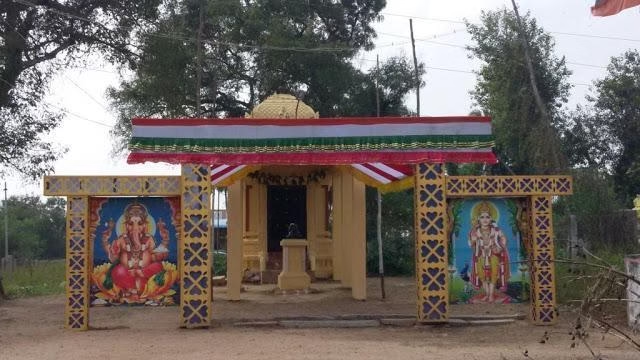
In the serene village of Thottikalai, Thiruvallur district, stands a unique sanctum dedicated to the remover of obstacles—Sengazhuneer Vinayagar Temple. The name “Sengazhuneer” translates to “Red Water,” a distinctive epithet linked to the sacred pond (Pushkarani) nearby and the reddish hue of the deity.
Deity and Form: The primary deity here is Lord Ganesha, worshipped as Sengazhuneer Vinayagar, a Swayambhu (self-manifested) murti. He is depicted in a serene seated posture, radiating divine energy that stabilizes the minds of devotees. Unlike commercial shrines, this temple retains an atmosphere of intense spiritual solitude.
Phalaśruti (Spiritual Benefits): Devotees visit this temple primarily to overcome planetary afflictions, especially those caused by Ketu and Rahu. According to temple lore, offering prayers here is believed to cleanse ancestral karma (Pitru Dosha) and bring mental clarity. It is a powerful site for students and professionals seeking wisdom and the removal of career obstacles.
Historical Origins & Scriptural Legend
Origins: While precise inscriptions regarding the founding era are scarce, architectural analysis suggests the temple dates back several centuries, likely reconstructed during the Nayak period, which patronized Dravidian temple architecture extensively. The original structure was built by local chieftains dedicated to the Vaishnava and Shaiva traditions.
The Legend of Sengazhuneer: Tradition holds that this area was once a dense forest inhabited by sages who performed severe austerities to please Lord Shiva. To aid their penance and protect the local populace from misfortune, Lord Ganesha manifested himself from the earth (Bhoo) near a water body. The water in this pond reportedly turned reddish during ancient rituals, giving rise to the name “Sengazhuneer.” It is said that the great sage Agasthya installed the idol to maintain the cosmic balance in this region.
Architectural Marvels
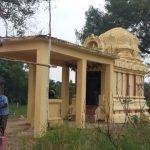
The temple is a fine example of Dravidian Architecture, characterized by its pyramidal towers and sculpted pillared halls.
- Sanctum Sanctorum (Garbhagriha): The inner sanctum is compact but spiritually potent, housing the self-manifested idol of Sengazhuneer Vinayagar.
- Mandapas: The temple features a frontal Ardha Mandapa (half hall) and a sturdy Maha Mandapa (main hall) where devotees gather for rituals. The pillars feature intricate carvings of divine figures and floral motifs typical of Tamil temple art.
- Shikhara (Tower): The Shikhara (Vimana) above the sanctum follows the Tamil order, distinct from the North Indian Nagara style, showcasing tiered structures that culminate in a barrel-shaped roof.
- Subsidiary Shrines: Surrounding the main deity are shrines for Lord Murugan, Goddess Durga, and Navagrahas, essential for performing specific rites.
Note: As a local heritage site, it falls under the purview of the Hindu Religious and Charitable Endowments (HR&CE) Department of Tamil Nadu, ensuring its maintenance is in line with traditional standards.
Darshan & Ritual Logistics
Visitors are encouraged to maintain the sanctity of the temple. Below are the general timings and key sevas. Note: Timings may vary slightly during festival seasons.
| Session | Timing |
|---|---|
| Morning Darshan | 06:00 AM – 12:00 PM |
| Midday Closure | 12:00 PM – 04:00 PM |
| Evening Darshan | 04:00 PM – 08:30 PM |
Key Sevas and Offerings
- Ushathkalam (Early Morning): 6:00 AM. Includes Abhishekam with milk and honey.
- Sangalabharanam: Offering of a garland of red flowers (specifically Lotus or ‘Sengazhuneer’ flowers) and sandalwood paste.
- Archana: Recitation of Ganesha names (Ekavaram/Vinayagar Agaval).
- Astothram Archana: For planetary peace.
Online Seva Booking: While this temple maintains a traditional operational model, daily seva bookings are generally managed directly at the temple counter or through the local temple administration. For specific offerings or to schedule a specialized Puja during your visit, it is recommended to contact the temple trust ahead of time.
2026 Festival Calendar
Plan your visit around these auspicious dates to witness the temple in its full festive glory:
- Varusha Pirappu (Tamil New Year): April 14, 2026
- Ganesh Chaturthi: August 26, 2026 (Special Abhishekam and processions)
- Deepavali: October 21, 2026 (Early morning special darshan)
- Thiruvallur Chariot Festival: Co-occurring with the massive Thiruvallur temple festival, usually in January/February 2026 (Check local calendar).
Practical Visitor Guidance
To ensure a respectful visit to Sengazhuneer Vinayagar Temple, please adhere to the following guidelines:
- Dress Code: Traditional attire is preferred. Men should wear dhotis or trousers with shirts; women should wear sarees, salwar kameez, or long skirts. Avoid shorts and sleeveless tops.
- Photography: Photography is generally discouraged inside the inner sanctum. You may photograph the exterior architecture and the mandapa with permission from the trustees.
- Mobile & Lockers: Mobile phones should be kept on silent mode. There are no electronic lockers available on-site; please travel light and leave valuables in your vehicle.
- Crowd Management: As this is a lesser-known gem, crowds are usually manageable. However, during Ganesh Chaturthi, expect heavy footfall. The best hours for a peaceful darshan are 7:00 AM to 8:00 AM or 6:00 PM on weekdays.
- Seasonal Advice: Thiruvallur can get quite hot in May. Carry a water bottle, but do not consume it inside the sanctum. Monsoons (November) bring pleasant weather, ideal for temple hopping.
Pilgrimage Connectivity
How to Reach Sengazhuneer Vinayagar Temple
By Road: The temple is located in Thottikalai village, approximately 2 km from Kilambakkam Junction and 9 km from Thiruvallur Bus Stand. It is accessible via the Chennai-Thiruvallur Road (SH-51) and the Chennai-Kolkata National Highway (NH-16).
Distance from Major Hubs:
- Chennai Airport (MAA): 42 km (approx. 1 hour 15 mins via NH-16)
- Chennai Central Railway Station: 38 km
- Thiruvallur Railway Station: 12 km
- Sevvapet Railway Station: 5 km
Nearby Sacred Sites (Pilgrimage Circuit)
Enhance your spiritual journey by visiting these nearby landmarks:
- Sri Veeraraghava Swamy Temple, Thiruvallur: Located about 10 km away, this is the most prominent temple in the district, dedicated to Lord Vishnu (Kshema Brahma).
- Kelambakkam Kushi Bhavani Amman Temple: A powerful deity shrine located near the junction (approx 4 km).
- Kailasapuram Vishnu Temple: A historic temple on the Thiruvallur-Kadambattur road.
Frequently Asked Questions (FAQ)
1. Is there a VIP Darshan entry at Sengazhuneer Vinayagar Temple?
No, this is a traditional village temple without commercial VIP entry systems. Darshan is open to all devotees equally. However, making a prior offering (Seva) allows for a closer visit to the deity during the seva time.
2. What is the significance of the temple pond?
The temple pond is believed to have healing properties. Ritual bathing here is considered auspicious, especially for those seeking relief from skin ailments and mental stress, before proceeding to the main shrine.
3. Is the temple accessible for senior citizens?
The temple has a single-level entry. While there are no ramps, the approach is flat. It is advisable to visit during early morning hours to avoid the heat and to get assistance from the locals, who are very helpful.
4. Are there accommodation facilities nearby?
Basic guest houses are available in Thiruvallur town. For luxury accommodations, travelers usually stay in Chennai or Punthamalli. Day visits from Chennai are quite feasible due to the short driving distance.
5. What is the history behind the name ‘Sengazhuneer’?
The term combines ‘Sem’ (Red) and ‘Kazhuneer’ (a type of lily or sacred water). Legend says the pond water turned red due to the intense tapas of sages or during a battle to protect Dharma, making the water and the presiding deity sacred.
Contact & Location Details
Address: Sengazhuneer Vinayagar Temple, Thottikalai Village, Near Kilambakkam, Thiruvallur District, Tamil Nadu 602001.
Phone: Contact local HR&CE office or temple trustees for current administrative inquiries.
Map Location: Search for “Kilambakkam Sengazhuneer Vinayagar Temple” on Google Maps.
Recent Posts

Shri Kaamkoteeshwar Mandir, Varanasi – History & Significance
In the heart of Kashi, the eternal city of Lord Shiva, where the Ganges flows with celestial grace, stands the Shri Kaamkoteeshwar Mandir. This sacred Sannidhi is not merely a temple but a profound spiritual bridge between the Northern…

ओ सांवरे तूने ही मुझको संभाला – Lyrics & Meaning
ओ सांवरे तूने ही मुझको संभाला – A Prayer to Shyam Origin & Spiritual Essence Why This Bhajan Resonates Devotees chant this when overwhelmed by life’s storms—the refrain ‘तूने ही मुझको संभाला’ is the soul’s sigh of relief: “You…

कथा ये है महाराज मेरे की – Lyrics & Meaning
कथा ये है महाराज मेरे की छत्रपति संभाजी महाराज – A Prayer to Chhatrapati Sambhaji Maharaj Origin & Spiritual Essence Why This Bhajan Resonates Devotees chant this when their spirit feels tested—its powerful refrain “महाराज मेरे” is a soul’s…

Rigveda Samhita Yathartha Anuvada (ऋग्वेद संहिता यथार्थ अनुवाद) – Complete Set with Anvayartha & Hindi/English Translation
The Rigveda is the oldest surviving scripture of humanity and the foundational text of Sanātana Dharma. For serious students, scholars, UPSC aspirants studying ancient Indian history, Sanskrit learners, and spiritual seekers, a precise and grammatically structured translation is indispensable.…

आना भी अकेला है जाना भी अकेला है – Lyrics & Meaning | BharatTemples
आना भी अकेला है जाना भी अकेला है – A Prayer to the Divine Witness Origin & Spiritual Essence Why This Bhajan Resonates Devotees turn to this bhajan in moments of deep reflection—when life’s attachments begin to ache. The…

माता शेरावाली के द्वार जो भी जाता है – Lyrics & Meaning
माता शेरावाली के द्वार जो भी जाता है – A Prayer to Maa Sherawali Origin & Spiritual Essence Why This Bhajan Resonates Devotees turn to this bhajan in times of fear or uncertainty—its promise that no one leaves Maa’s…

मार लेना सपणी उबार लेणा भवरा – Lyrics & Meaning
मार लेना सपणी उबार लेणा भवरा – A Prayer to the Divine Beloved Origin & Spiritual Essence Why This Bhajan Resonates Devotees chant this in moments of deep vulnerability—its cry of “मार लेना सपणी, उबार लेणा भवरा” is the…

हमें श्याम सुंदर भरोसा तुम्हारा – Lyrics & Meaning
हमें श्याम सुंदर भरोसा तुम्हारा – A Prayer to Shyam Sundar Origin & Spiritual Essence Why This Bhajan Resonates Devotees chant this when feeling alone—its refrain ‘de do sahara’ is the soul’s cry for divine support. Lyrics in Hindi…

Mere Satguru Ne Di Thi Davai Lyrics in Hindi & Meaning
Mere Satguru Ne Di Thi Davai: Invoking the Guru’s Liberating Wisdom This soul-stirring bhajan venerates the Satguru (True Spiritual Master) as the divine physician who dispenses the only remedy for life’s deepest sufferings. Composed by Sant Karmaveer Tufani, it…

Janm Diyo Thari Maa Dukh Dekhiyo Lyrics in Hindi & Meaning
जन्म दियो थारी माँ दुख देखियो (Maa’s Grief Upon Birthing You) This soul-stirring Chetavani Bhajan (admonitory hymn) is addressed to the Divine Mother (Maa) – a call for repentance when children forget their filial duties in the dark age…