
Contents
- 1 Introduction & Spiritual Essence
- 2 Historical Origins & Scriptural Legend
- 3 Architectural Marvels
- 4 Darshan & Ritual Logistics (2026 Schedule)
- 5 Practical Visitor Guidance
- 6 Pilgrimage Connectivity
- 7 Photo Gallery
- 8 Frequently Asked Questions (FAQ)
- 8.1 1. Is there a VIP darshan entry available?
- 8.2 2. Is the temple accessible for senior citizens and children?
- 8.3 3. Is non-vegetarian food allowed near the temple?
- 8.4 4. What is the best time of year to visit for trekking and darshan?
- 8.5 5. Are there accommodation facilities available?
- 8.6 6. What is the significance of the hill name?
Introduction & Spiritual Essence
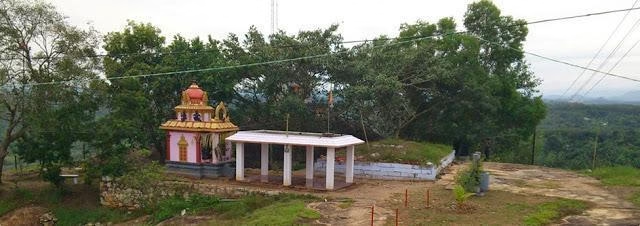
Nestled amidst the lush greenery of Kanyakumari district, the Malayadi Mala Mahadevar Temple stands as a serene sentinel atop the Malayadi hills. Dedicated to Lord Shiva (Mahadevar), this sacred site is known locally as the “Mountain of the Snake Hills,” a name derived from the serpentine contours of the landscape.
Why Devotees Visit: The Phalaśruti
According to local devotional beliefs, the presiding deity, Malayadi Mala Mahadevar, manifests as a Swayambhu (self-manifested) Shiva Lingam. The temple is revered for its potent spiritual energy, specifically aiding in:
- Removal of Serpent Doshas: Devotees believe that worshipping here helps mitigate the negative effects of Rahu-Ketu (serpent planetary influences) in their astrological charts.
- Ancestral Cleansing: Performing rituals here is considered highly meritorious for cleansing ancestral karma, particularly during the Ammavasya (New Moon) days.
- Mental Peace: The high altitude and tranquil environment make it ideal for meditation and seeking relief from worldly anxieties.
Historical Origins & Scriptural Legend
While concrete records regarding the exact century of construction are sparse, the temple is steeped in the Sthala Purana (local oral tradition). The architecture suggests a heritage dating back to the late Pandya or early Nayak era, though extensive renovations have preserved its current structure.
The Legend of the Serpent
Tradition holds that the hill was once the abode of a powerful Naga (serpent) spirit. Local folklore narrates that a righteous chieftain from the region, while hunting, stumbled upon this sacred spot. He encountered a divine serpent that transformed into a Jyotirlinga upon his approach. Recognizing this as a manifestation of Lord Shiva, the chieftain constructed a humble shrine which evolved into the current temple.
According to temple records, the site has been a center of Tantric worship for centuries, attracting sages seeking Siddhis (spiritual powers) due to the natural magnetic fields of the hill.
Architectural Marvels
The temple showcases the distinctive features of Dravidian Architecture, adapted to its unique hilltop geography.
- The Sanctum (Garbhagriha): The inner sanctum houses the Swayambhu Lingam, which is lower than ground level, requiring devotees to descend a few steps—a feature typical of ancient Kovils in the southern regions.
- Vastu Shastra: The temple is oriented to face East, allowing the first rays of the sun to illuminate the deity during the equinoxes. The Mandapas (halls) are constructed using locally quarried granite, blending seamlessly with the rocky terrain.
- The Gopuram: While not towering like the massive structures in Srirangam, the Rajagopuram (entrance tower) is a modest yet intricate structure featuring carvings of Dwarapalakas (guardian deities) and mythological narratives.
Darshan & Ritual Logistics (2026 Schedule)
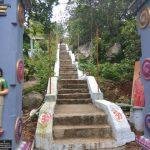
Visitors should note that the temple is located on a hill. The walk from the base to the top takes approximately 15-20 minutes. Footwear must be removed at the base.
Daily Timings
| Period | Morning | Evening |
|---|---|---|
| Monday – Friday | 6:00 AM – 11:00 AM | 5:00 PM – 7:00 PM |
| Weekends & Festivals | 5:30 AM – 12:00 PM | 5:00 PM – 8:00 PM |
Key Sevas & Online Booking
While traditional bookings are accepted at the counter, the temple administration is gradually digitizing services. For 2026, devotees can book specific rituals via the official district temple portal (link usually provided by the Kanyakumari Hindu Religious & Charitable Endowments Department).
- Abhishekam: Performed with coconut water, milk, and sandalwood paste. Timing: 7:00 AM daily.
- Archana: Individual prayers (Archana) are available for 15-minute slots.
- Deepa Aradhana: Evening lamp offering, highly recommended for wish fulfillment.
2026 Festival Dates
- Maha Shivaratri: February 26, 2026 (Special night-long vigil).
- Pradosham: Monthly (13th day of lunar cycle); notably large crowds on June 14, 2026 (Maha Pradosham).
- Skanda Shashti: October 27 – November 2, 2026 (Major festival for Lord Murugan, celebrated with great fervor in Kanyakumari).
- Navaratri: September 22 – October 1, 2026.
Practical Visitor Guidance
Given the hilltop location, preparation is key to a comfortable darshan.
Rules & Regulations
- Dress Code: Strict adherence to traditional attire is required. Men must wear Dhotis or trousers with shirts (no shorts). Women must wear sarees, half-sarees, or salwar kameez.
- Photography: Prohibited inside the sanctum sanctorum. Photography is allowed in the courtyard and surrounding hill areas.
- Mobile Lockers: Due to the spiritual nature of the site, usage of mobile phones inside the sanctum is banned. Temporary lockers are available at the base.
Crowd Management & Seasonal Advice
- Best Hours: Visit between 7:00 AM and 9:00 AM on weekdays to avoid local crowds. Weekends see a surge of pilgrims and trekkers.
- Summer (March – June): Kanyakumari is humid. Carry at least 1 liter of water per person. The climb can be exhausting; take breaks.
- Monsoon (July – September): The steps become slippery. The temple administration often closes the hill during heavy thunderstorms for safety.
Pilgrimage Connectivity
The temple is strategically located near the Kerala-Tamil Nadu border, making it accessible from both states.
How to Reach
- By Air: The nearest airport is Trivandrum International Airport (TRV) in Kerala, approximately 40 km away.
- By Rail: The nearest railway junction is Parassala (4 km) or Kuzhithurai (12 km).
- By Road: The temple is accessible via NH 66 (formerly NH 47). From Kanyakumari, take the road towards Parassala and turn towards Malayadi.
Nearby Sacred Sites (Pilgrimage Circuit)
- Vattakottai Fort: A historic seaside fort located 15 km away, offering panoramic views.
- Mahadeswara Temple, Thuckalay: Another ancient Shiva temple located 18 km from Malayadi.
- Kumari Amman Temple: The world-renowned Devi temple in Kanyakumari (approx. 35 km).
Photo Gallery
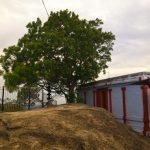


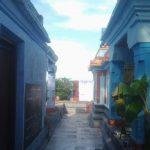
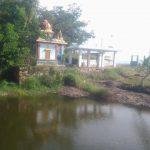
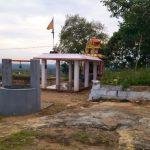

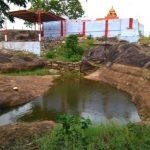
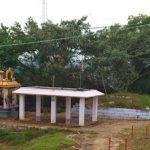
Frequently Asked Questions (FAQ)
1. Is there a VIP darshan entry available?
Unlike larger corporate temples, Malayadi Mala Mahadevar operates with a focus on egalitarian worship. There is no formal VIP darshan ticket system. However, devotees carrying valid medical emergencies or elderly persons may request assistance from the temple staff for priority access.
2. Is the temple accessible for senior citizens and children?
The temple is located on a hill, requiring a climb of approximately 200 steps. While the steps are broad, there are no ramps or elevators. It is generally not recommended for those with mobility issues unless they are accompanied by assistance.
3. Is non-vegetarian food allowed near the temple?
Strictly no. As this is a Shiva temple, the vicinity is a pure vegetarian and sattvic zone. Alcohol and meat are strictly prohibited. Devotees should carry water and light snacks, disposing of waste responsibly.
4. What is the best time of year to visit for trekking and darshan?
The ideal time is between October and February. The weather is cool, and the hill is lush green post-monsoon. This aligns with the festive season, offering a vibrant spiritual atmosphere.
5. Are there accommodation facilities available?
There are no staying facilities directly at the temple. However, Parassala and Nagercoil offer several guest houses and budget hotels. For a devotional stay, the Beema Madhom (Christian spiritual center) and various Dharmashalas are available in the region.
6. What is the significance of the hill name?
“Malayadi” translates to “Hill Village.” The term “Mala” refers to the mountain itself. The region is historically significant as a border area between the Travancore kingdom and the Tamil region, influencing the culture and temple rituals.
Recent Posts

Shri Kaamkoteeshwar Mandir, Varanasi – History & Significance
In the heart of Kashi, the eternal city of Lord Shiva, where the Ganges flows with celestial grace, stands the Shri Kaamkoteeshwar Mandir. This sacred Sannidhi is not merely a temple but a profound spiritual bridge between the Northern…

ओ सांवरे तूने ही मुझको संभाला – Lyrics & Meaning
ओ सांवरे तूने ही मुझको संभाला – A Prayer to Shyam Origin & Spiritual Essence Why This Bhajan Resonates Devotees chant this when overwhelmed by life’s storms—the refrain ‘तूने ही मुझको संभाला’ is the soul’s sigh of relief: “You…

कथा ये है महाराज मेरे की – Lyrics & Meaning
कथा ये है महाराज मेरे की छत्रपति संभाजी महाराज – A Prayer to Chhatrapati Sambhaji Maharaj Origin & Spiritual Essence Why This Bhajan Resonates Devotees chant this when their spirit feels tested—its powerful refrain “महाराज मेरे” is a soul’s…

Rigveda Samhita Yathartha Anuvada (ऋग्वेद संहिता यथार्थ अनुवाद) – Complete Set with Anvayartha & Hindi/English Translation
The Rigveda is the oldest surviving scripture of humanity and the foundational text of Sanātana Dharma. For serious students, scholars, UPSC aspirants studying ancient Indian history, Sanskrit learners, and spiritual seekers, a precise and grammatically structured translation is indispensable.…

आना भी अकेला है जाना भी अकेला है – Lyrics & Meaning | BharatTemples
आना भी अकेला है जाना भी अकेला है – A Prayer to the Divine Witness Origin & Spiritual Essence Why This Bhajan Resonates Devotees turn to this bhajan in moments of deep reflection—when life’s attachments begin to ache. The…

माता शेरावाली के द्वार जो भी जाता है – Lyrics & Meaning
माता शेरावाली के द्वार जो भी जाता है – A Prayer to Maa Sherawali Origin & Spiritual Essence Why This Bhajan Resonates Devotees turn to this bhajan in times of fear or uncertainty—its promise that no one leaves Maa’s…

मार लेना सपणी उबार लेणा भवरा – Lyrics & Meaning
मार लेना सपणी उबार लेणा भवरा – A Prayer to the Divine Beloved Origin & Spiritual Essence Why This Bhajan Resonates Devotees chant this in moments of deep vulnerability—its cry of “मार लेना सपणी, उबार लेणा भवरा” is the…

हमें श्याम सुंदर भरोसा तुम्हारा – Lyrics & Meaning
हमें श्याम सुंदर भरोसा तुम्हारा – A Prayer to Shyam Sundar Origin & Spiritual Essence Why This Bhajan Resonates Devotees chant this when feeling alone—its refrain ‘de do sahara’ is the soul’s cry for divine support. Lyrics in Hindi…

Mere Satguru Ne Di Thi Davai Lyrics in Hindi & Meaning
Mere Satguru Ne Di Thi Davai: Invoking the Guru’s Liberating Wisdom This soul-stirring bhajan venerates the Satguru (True Spiritual Master) as the divine physician who dispenses the only remedy for life’s deepest sufferings. Composed by Sant Karmaveer Tufani, it…

Janm Diyo Thari Maa Dukh Dekhiyo Lyrics in Hindi & Meaning
जन्म दियो थारी माँ दुख देखियो (Maa’s Grief Upon Birthing You) This soul-stirring Chetavani Bhajan (admonitory hymn) is addressed to the Divine Mother (Maa) – a call for repentance when children forget their filial duties in the dark age…