
Contents
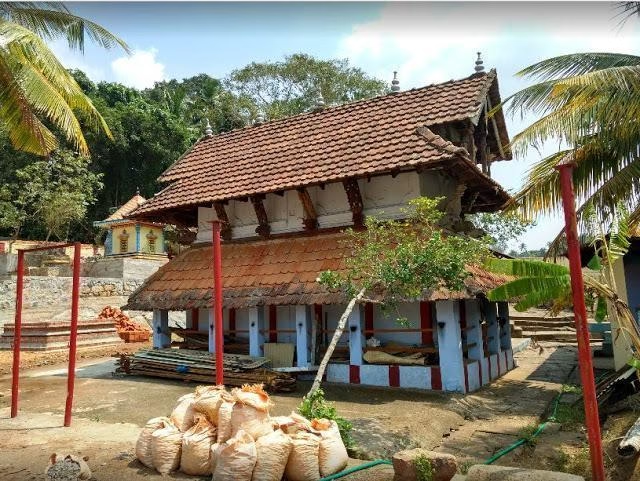
Saptha Mathargal Devi Temple, Aruvikarai, Thiruvattaru, Kanyakumari
| Date built: | |
|---|---|
| Deity: | Saptha Mathargal Devi |
| Architectural style: | Dravidian architecture |
| Major festivals | |
| Locale: | Aruvikarai, Thiruvattaru |
| District:: | Kanyakumari |
| Address: | – |
| Phone | – |
1. Introduction & Spiritual Essence
In the serene landscape of Thiruvattaru, Kanyakumari, stands the Saptha Mathargal Devi Temple, a unique sanctuary dedicated to the Seven Mother Goddesses (Sapta Matrikas). Unlike typical temples that focus on a single deity, this shrine represents a collective cosmic force. The primary deity is Saptha Mathargal Devi, who manifests as seven distinct yet unified forms:
- Brahmani
- Maheshwari
- Kaumari
- Varahi
- Indrani
- Chamundi
- Vaishnavi
The temple is revered as a Swayambhu Sthalam, where the energy of the Goddess is believed to be self-manifested.
Phalaśruti: The Boon of Visiting
Devotees flock to this temple seeking relief from Pitru Dosha (ancestral afflictions) and Kala Sarpa Dosha. According to local religious beliefs, worshipping the Saptha Mathargal collectively washes away accumulated karmic debts of the past seven generations. It is specifically sought for:
- Harmonizing family relationships.
- Protection from evil forces and negative energies.
- Blessings of progeny and marital harmony.
2. Historical Origins & Scriptural Legend
While specific epigraphic data on the construction date is sparse in digital archives, the architectural typology suggests an antiquity spanning several centuries, likely dating back to the Pandya or Early Travancore periods (circa 15th–18th Century).
The Sthala Purana (Local Legend)
Tradition holds that this region was once the site of intense Tapas (penance) by ancient sages. Legend narrates that the Saptha Rishis (Seven Sages) worshipped the Mother Goddess here to establish peace and prosperity in the region. It is believed that the Goddess appeared before them in her Seven-Mother form, blessing the land which became known as Aruvikarai.
3. Architectural Marvels
The temple showcases the quintessential Dravidian style of architecture, characterized by its towering gateway towers and pillared halls.
Vastu Shastra & Layout
The temple is oriented according to Vastu principles, facing East. The sanctum sanctorum (Garbhagriha) is designed to house the seven deities in a row, allowing for circumambulation (Pradakshina).
Notable Features
- The Mandapa: The temple features a massive stone pillared hall adorned with sculptures depicting various forms of Shakti and puranic legends.
- Sculptural Details: The outer walls exhibit intricate carvings typical of Dravidian craftsmanship, showcasing mythical beasts and floral motifs.
- Preservation: While not a UNESCO site, the temple is maintained by local trusts and is a protected heritage structure under the oversight of the Hindu Religious and Charitable Endowments (HR&CE) Department of Tamil Nadu.
4. Darshan & Ritual Logistics
To ensure a seamless spiritual experience, devotees should adhere to the following timings and seva schedules. Please note that timings may vary slightly during festivals.
Daily Timings
| Session | Timing | Activity |
|---|---|---|
| Morning | 06:00 AM – 11:30 AM | Morning Abhishekam & General Darshan |
| Afternoon | 11:30 AM – 04:00 PM | Temple Closed (Deeparadhana) |
| Evening | 04:00 PM – 08:00 PM | Evening Pooja & Deeparadhana |
Key Sevas (Rituals)
Note on Booking: While online booking via the TN HR&CE portal is available for major state temples, local temples like Saptha Mathargal often require direct in-person booking at the temple counter or through the priest (Archagar). It is advisable to call the temple office 24 hours in advance for special Abhishekams.
- Amman Abhishekam: Performed with milk, honey, and turmeric.
- Archana: Specific mantras chanted for the Seven Mothers.
- Navagraha Homam: Highly recommended for those facing planetary afflictions.
2026 Festival Calendar
Assuming the current context of the year 2026, here are the confirmed dates for major celebrations:
- Navratri (Spring): March 30 – April 7, 2026 (Vasanta Navratri). The temple is decorated with intricate flower arrangements.
- Aadi Perukku: July 29, 2026 (18th day of Aadi). A massive chariot procession (Ther) is taken out.
- Deepavali: November 9, 2026. Special oil bath rituals (Thaila Abhishekam) are performed.
- Navratri (Winter): September 22 – October 1, 2026 (Sharad Navratri).
5. Practical Visitor Guidance
Visiting the Saptha Mathargal Temple requires modest preparation to respect the sanctity of the shrine.
Dress Code & Etiquette
- Attire: Traditional Indian wear is preferred (Dhoti/Saree). However, clean trousers and full-sleeved shirts are permissible.
- Photography: Strictly prohibited inside the sanctum sanctorum and inner prakarams.
- Mobile Phones: There are no digital lockers available. It is best to leave valuables in your vehicle.
Crowd Management
- Best Hours: Weekday mornings (6:00 AM – 8:00 AM) offer the most peaceful Darshan.
- Weekends: Expect heavy crowds, especially on Saturdays dedicated to the Goddess.
- Seasonal Advice: Kanyakumari experiences heavy monsoons (October–November). Carry an umbrella. May and June are hot; carry water and stay hydrated while queuing.
6. Pilgrimage Connectivity
The temple is well-connected via road, situated close to the Kerala-Tamil Nadu border.
How to Reach
- By Air: Thiruvananthapuram International Airport (TRV) is the nearest airport, located approximately 57 km away (approx. 1.5 hours by car via NH 66).
- By Rail: Kuzhithurai Railway Station (KZT) is the nearest railhead, about 8 km from the temple. Major trains like the Ananthapuri Express stop here.
- By Road:
- From Thiruvananthapuram: Take the NH 66 towards Nagercoil. Alight at Marthandam or Thiruvattaru.
- From Nagercoil: Distance is approx 29 km via the Thuckalay-Chettykulam Road.
- Local Transport: Auto-rickshaws are readily available from Marthandam bus stand (9 km) and Thiruvattaru bus stand (1.2 km).
Nearby Sacred Sites (Pilgrimage Circuit)
Extend your trip by visiting these nearby spiritual centers:
- Thiruvattaru Adikesava Perumal Temple: Just 1.2 km away. A historic Vishnu temple located on an island formed by the Pahrali River.
- Muttom Beach Temple: Located near Kanyakumari (approx. 40 km). A serene spot with a cliffside view of the ocean.
- Udayagiri Fort: Located 15 km away in Kottar, rich in historical significance regarding the Travancore dynasty.
7. Frequently Asked Questions (FAQs)
Is there a VIP Darshan entry available?
Yes, the temple administration provides a special entry darshan ticket (approx. ₹50) during weekends and festival days to help devotees bypass long queues. However, during peak Aadi or Navratri seasons, general darshan is the only option available.
Can we perform ‘Akki Sarapu’ rituals?
Akki Sarapu (paying respects to ancestors) is a specific ritual performed in many Tamil Nadu village temples. While not explicitly listed in official records for Saptha Mathargal, devotees often perform this ritual under the guidance of the temple priest. It is best to consult the priest upon arrival.
Are there accommodation facilities at the temple?
There are no guest houses directly attached to the Saptha Mathargal Temple. However, ample lodging options are available in Marthandam (9 km) and Nagercoil (29 km), ranging from budget lodges to star hotels.
Is the temple accessible for the elderly?
The inner sanctum requires climbing a few steps. While the main mandapa is flat, wheelchair access is limited. It is recommended to accompany elderly devotees for assistance.
What is the best time to visit Kanyakumari generally?
The ideal time is from October to March. The weather is pleasant and cool, making the temple visits and sightseeing comfortable.
Photo Gallery



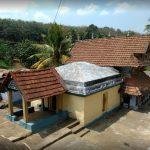
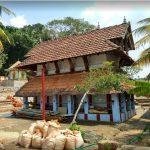
Contact Details
Official Address: Saptha Mathargal Devi Temple, Aruvikarai, Thiruvattaru, Kanyakumari District, Tamil Nadu, 629177
Recent Posts

Shri Kaamkoteeshwar Mandir, Varanasi – History & Significance
In the heart of Kashi, the eternal city of Lord Shiva, where the Ganges flows with celestial grace, stands the Shri Kaamkoteeshwar Mandir. This sacred Sannidhi is not merely a temple but a profound spiritual bridge between the Northern…

ओ सांवरे तूने ही मुझको संभाला – Lyrics & Meaning
ओ सांवरे तूने ही मुझको संभाला – A Prayer to Shyam Origin & Spiritual Essence Why This Bhajan Resonates Devotees chant this when overwhelmed by life’s storms—the refrain ‘तूने ही मुझको संभाला’ is the soul’s sigh of relief: “You…

कथा ये है महाराज मेरे की – Lyrics & Meaning
कथा ये है महाराज मेरे की छत्रपति संभाजी महाराज – A Prayer to Chhatrapati Sambhaji Maharaj Origin & Spiritual Essence Why This Bhajan Resonates Devotees chant this when their spirit feels tested—its powerful refrain “महाराज मेरे” is a soul’s…

Rigveda Samhita Yathartha Anuvada (ऋग्वेद संहिता यथार्थ अनुवाद) – Complete Set with Anvayartha & Hindi/English Translation
The Rigveda is the oldest surviving scripture of humanity and the foundational text of Sanātana Dharma. For serious students, scholars, UPSC aspirants studying ancient Indian history, Sanskrit learners, and spiritual seekers, a precise and grammatically structured translation is indispensable.…

आना भी अकेला है जाना भी अकेला है – Lyrics & Meaning | BharatTemples
आना भी अकेला है जाना भी अकेला है – A Prayer to the Divine Witness Origin & Spiritual Essence Why This Bhajan Resonates Devotees turn to this bhajan in moments of deep reflection—when life’s attachments begin to ache. The…

माता शेरावाली के द्वार जो भी जाता है – Lyrics & Meaning
माता शेरावाली के द्वार जो भी जाता है – A Prayer to Maa Sherawali Origin & Spiritual Essence Why This Bhajan Resonates Devotees turn to this bhajan in times of fear or uncertainty—its promise that no one leaves Maa’s…

मार लेना सपणी उबार लेणा भवरा – Lyrics & Meaning
मार लेना सपणी उबार लेणा भवरा – A Prayer to the Divine Beloved Origin & Spiritual Essence Why This Bhajan Resonates Devotees chant this in moments of deep vulnerability—its cry of “मार लेना सपणी, उबार लेणा भवरा” is the…

हमें श्याम सुंदर भरोसा तुम्हारा – Lyrics & Meaning
हमें श्याम सुंदर भरोसा तुम्हारा – A Prayer to Shyam Sundar Origin & Spiritual Essence Why This Bhajan Resonates Devotees chant this when feeling alone—its refrain ‘de do sahara’ is the soul’s cry for divine support. Lyrics in Hindi…

Mere Satguru Ne Di Thi Davai Lyrics in Hindi & Meaning
Mere Satguru Ne Di Thi Davai: Invoking the Guru’s Liberating Wisdom This soul-stirring bhajan venerates the Satguru (True Spiritual Master) as the divine physician who dispenses the only remedy for life’s deepest sufferings. Composed by Sant Karmaveer Tufani, it…

Janm Diyo Thari Maa Dukh Dekhiyo Lyrics in Hindi & Meaning
जन्म दियो थारी माँ दुख देखियो (Maa’s Grief Upon Birthing You) This soul-stirring Chetavani Bhajan (admonitory hymn) is addressed to the Divine Mother (Maa) – a call for repentance when children forget their filial duties in the dark age…