
Contents
Introduction & Spiritual Essence
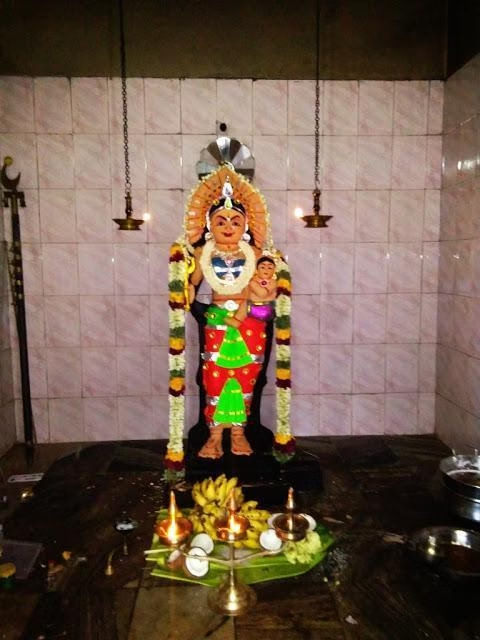
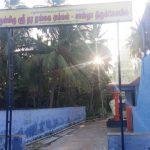
The Sridhara Nangai Amman Temple in Derisanamcope, Kanyakumari, is a revered sanctuary dedicated to Goddess Sridhara Nangai Amman, a benevolent form of the Divine Mother. Known locally as a powerful Gramadevata (Village Deity), the temple is steeped in ancient traditions. The primary deity stands as a symbol of grace and protection, drawing devotees seeking relief from worldly sufferings.
Phalaśruti: The Benefits of Devotion
Devotees visit this sacred shrine to seek blessings for:
- Ancestral Peace (Pitra Dosh Nivaran): Performing rituals here is believed to cleanse ancestral karma and bring peace to departed souls.
- Protection from Negativity: The Goddess is revered for warding off evil influences and negative energies surrounding devotees.
- Fulfillment of Desires: It is strongly believed that sincere prayer at this temple leads to the fulfillment of specific wishes, including matrimonial harmonies and prosperity.
Historical Origins & Scriptural Legend
While specific historical records regarding the exact construction date are scarce in digital archives, temple records and oral history suggest an existence spanning centuries. The temple exemplifies the resilience of Dravidian temple architecture in the Kanyakumari district.
The Sthala Purana
According to local tradition and temple lore, the Sthala Purana of Derisanamcope speaks to the manifestation of the Goddess. She is not merely a carved stone but a Swayambhu (self-manifested) deity. Legend holds that villagers discovered the deity under a banyan tree, where the divine energy manifested to protect the region from drought and disease. Over time, a structured temple was erected around this sacred spot, evolving through various renovations by local chieftains and devotees.
Architectural Marvels
The temple showcases the classic Dravidian architectural style, characterized by its pyramidal roof and intricate carvings.
- Sanctum Sanctorum (Garbhagriha): The inner shrine houses the main deity, adorned with traditional jewelry and silks.
- Mandapas: The pillared halls provide space for devotees to sit during rituals and for cultural performances during festivals.
- Vastu Shastra: The layout follows traditional Vastu principles, ensuring the flow of positive energy from the entrance towards the sanctum.
While the temple may not have a UNESCO tag, it stands as a vital heritage site preserving the cultural ethos of Tamil Nadu. The vibrant sculptures on the Vimana (tower) depict various forms of the Goddess.
Darshan & Ritual Logistics
The temple follows a strict daily schedule for Darshan (viewing the deity) and Pooja. Below are the standard timings for 2026.
Daily Temple Timings
| Session | Timing | Description |
|---|---|---|
| Morning | 6:00 AM – 12:00 PM | Opening, Morning Abhishekam, General Darshan |
| Afternoon | 12:00 PM – 4:30 PM | Closure / Sanctum Rest |
| Evening | 4:30 PM – 8:30 PM | Evening Deeparadhana, Pooja, Closing |
Key Sevas & Online Booking
Devotees can participate in various rituals. For hassle-free participation, the temple trust facilitates online booking for major Sevas.
- Abhishekam: Ritual bathing of the deity with milk, honey, and sandalwood paste (performed on auspicious days like Tuesdays and Fridays).
- Archana: Chanting of the Goddess’s holy names.
- Homam/Havan: Fire rituals performed for specific intentions (requires prior notice).
Booking Process: Visit the official temple website or contact the administrative office (contact details below) to book your Seva for 2026.
2026 Festival Dates
- Navaratri: October 2 – October 11, 2026 (Special Alankaram and night Garba).
- Deepavali: November 2, 2026 (Oil bath offering).
- Pongal: January 14, 2026 (Harvest festival offering).
- Chithirai Thiruvizha: April (Traditional temple chariot procession).
Practical Visitor Guidance
To ensure a peaceful and respectful visit, please adhere to the following guidelines:
- Dress Code: Traditional attire is mandatory. Men should wear Veshti (dhoti) or trousers with a shirt; women should wear saree, half-saree, or churidar. Avoid shorts and sleeveless tops.
- Photography: Photography is strictly prohibited inside the inner sanctum. Flash photography is banned during rituals.
- Mobile Lockers: A facility for electronic storage is available at the entrance. Please deposit mobile phones before entering the temple to maintain sanctity.
- Accessibility: The temple is generally accessible for senior citizens via a ramp, though certain steps to the outer prakaram may require assistance.
Crowd Management & Seasonal Advice
- Best Hours: The best time for a peaceful Darshan is between 9:00 AM and 10:30 AM on weekdays.
- Seasonal Tips: Kanyakumari weather is humid. In May and June, carry a water bottle and a head cover (hat/umbrella). During the monsoon (October–November), an umbrella is essential.
Pilgrimage Connectivity
How to Reach Derisanamcope
The Sridhara Nangai Amman Temple is strategically located in the Kanyakumari district, making it accessible via major transport hubs.
- By Air: The nearest airport is Trivandrum International Airport (TRV) in Thiruvananthapuram, Kerala, located approximately 80 km away (approx. 2 hours by road).
- By Rail: The nearest major railway junctions are Nagercoil Junction (NCR) (15 km) and Kanyakumari Railway Station (34 km).
- By Road: The temple is located off the Arasali Road. It is 3 km from Azhagiapandipuram and 4 km from Boothapandi. Buses and auto-rickshaws are available from these junctions.
Nearby Sacred Sites (Pilgrimage Circuit)
- Nagercoil Suchindram Thanumalayan Temple: (20 km) A unique temple where Brahma, Vishnu, and Shiva are worshipped as one.
- Kumarakovil Temple: (15 km) A hilltop Murugan temple offering panoramic views and spiritual tranquility.
- Kanyakumari Amman Temple: (34 km) The world-renowned shrine at the southernmost tip of India.
Photo Gallery


Frequently Asked Questions (FAQ)
1. Is there a VIP darshan entry available?
Yes, the temple trust facilitates a special entry Darshan for senior citizens and differently-abled devotees. VIP entry is generally restricted to administrative officials and special guests. You can contact the temple office for the latest protocols.
2. How do I perform an Abhishekam remotely?
The temple offers remote Abhishekam services. Devotees can book this Seva online or via phone. The rituals are performed on your behalf, and a video recording or photos are sent to the registered mobile number.
3. Are there accommodation facilities nearby?
While the temple itself does not have a guesthouse, there are several Choultries (lodges) in Boothapandi and Nagercoil, ranging from budget to mid-range, suitable for pilgrims.
4. What is the significance of the name ‘Sridhara Nangai’?
‘Sridhara’ refers to the one who holds Sri (wealth/Lakshmi), and ‘Nangai’ is a Tamil honorific meaning lady or wife. The name signifies the Goddess as the consort of prosperity and grace.
5. Is non-vegetarian food allowed near the temple?
No. As this is a traditional Hindu temple, the surrounding area maintains a strict vegetarian zone. Alcohol and non-vegetarian food are prohibited within the temple premises and vicinity.
Recent Posts

Shri Kaamkoteeshwar Mandir, Varanasi – History & Significance
In the heart of Kashi, the eternal city of Lord Shiva, where the Ganges flows with celestial grace, stands the Shri Kaamkoteeshwar Mandir. This sacred Sannidhi is not merely a temple but a profound spiritual bridge between the Northern…

ओ सांवरे तूने ही मुझको संभाला – Lyrics & Meaning
ओ सांवरे तूने ही मुझको संभाला – A Prayer to Shyam Origin & Spiritual Essence Why This Bhajan Resonates Devotees chant this when overwhelmed by life’s storms—the refrain ‘तूने ही मुझको संभाला’ is the soul’s sigh of relief: “You…

कथा ये है महाराज मेरे की – Lyrics & Meaning
कथा ये है महाराज मेरे की छत्रपति संभाजी महाराज – A Prayer to Chhatrapati Sambhaji Maharaj Origin & Spiritual Essence Why This Bhajan Resonates Devotees chant this when their spirit feels tested—its powerful refrain “महाराज मेरे” is a soul’s…

Rigveda Samhita Yathartha Anuvada (ऋग्वेद संहिता यथार्थ अनुवाद) – Complete Set with Anvayartha & Hindi/English Translation
The Rigveda is the oldest surviving scripture of humanity and the foundational text of Sanātana Dharma. For serious students, scholars, UPSC aspirants studying ancient Indian history, Sanskrit learners, and spiritual seekers, a precise and grammatically structured translation is indispensable.…

आना भी अकेला है जाना भी अकेला है – Lyrics & Meaning | BharatTemples
आना भी अकेला है जाना भी अकेला है – A Prayer to the Divine Witness Origin & Spiritual Essence Why This Bhajan Resonates Devotees turn to this bhajan in moments of deep reflection—when life’s attachments begin to ache. The…

माता शेरावाली के द्वार जो भी जाता है – Lyrics & Meaning
माता शेरावाली के द्वार जो भी जाता है – A Prayer to Maa Sherawali Origin & Spiritual Essence Why This Bhajan Resonates Devotees turn to this bhajan in times of fear or uncertainty—its promise that no one leaves Maa’s…

मार लेना सपणी उबार लेणा भवरा – Lyrics & Meaning
मार लेना सपणी उबार लेणा भवरा – A Prayer to the Divine Beloved Origin & Spiritual Essence Why This Bhajan Resonates Devotees chant this in moments of deep vulnerability—its cry of “मार लेना सपणी, उबार लेणा भवरा” is the…

हमें श्याम सुंदर भरोसा तुम्हारा – Lyrics & Meaning
हमें श्याम सुंदर भरोसा तुम्हारा – A Prayer to Shyam Sundar Origin & Spiritual Essence Why This Bhajan Resonates Devotees chant this when feeling alone—its refrain ‘de do sahara’ is the soul’s cry for divine support. Lyrics in Hindi…

Mere Satguru Ne Di Thi Davai Lyrics in Hindi & Meaning
Mere Satguru Ne Di Thi Davai: Invoking the Guru’s Liberating Wisdom This soul-stirring bhajan venerates the Satguru (True Spiritual Master) as the divine physician who dispenses the only remedy for life’s deepest sufferings. Composed by Sant Karmaveer Tufani, it…

Janm Diyo Thari Maa Dukh Dekhiyo Lyrics in Hindi & Meaning
जन्म दियो थारी माँ दुख देखियो (Maa’s Grief Upon Birthing You) This soul-stirring Chetavani Bhajan (admonitory hymn) is addressed to the Divine Mother (Maa) – a call for repentance when children forget their filial duties in the dark age…