
Contents
Introduction & Spiritual Essence
Nestled in the serene village of Thazhakudy, sandwiched between the Puthanaar and Palaiyaar rivers, the Kumara Gurubaran Temple stands as a timeless beacon of devotion in the Kanyakumari district. This sacred shrine is dedicated to Kumara Gurubaran, a profound form of Lord Murugan, revered as the Guru (preceptor) of the Devas and the very essence of knowledge and valour.
Unlike the warrior-lord imagery often associated with Murugan, Kumara Gurubaran is worshipped here as the Supreme Teacher. The primary deity is a Swayambhu (self-manifested) Murti, believed to have originated naturally, radiating an aura of spiritual calm. Devotees flock to this temple to seek blessings for wisdom, removal of planetary afflictions (specifically related to Guru/Brihaspati), and to cleanse ancestral karma through the performance of sacred rites.
Phalaśruti: The Fruits of Devotion
According to temple lore and the unwavering faith of generations, worshipping Kumara Gurubaran here bestows specific benefits:
- Removal of Guru Dosha: Offering Abhishekam to the Lord is believed to pacify malefic planetary positions, bringing peace and prosperity.
- Divine Knowledge: Students and scholars visit to gain clarity and success in their educational pursuits.
- Ancestral Liberation: Performing Tharpanam or special homams here is said to liberate ancestors from spiritual debts, ensuring family lineage prosperity.
Historical Origins & Scriptural Legend
The exact date of construction, as recorded in historical inscriptions, remains a mystery, but local tradition and architectural analysis suggest a legacy spanning several centuries. The temple structure, along with the deity, is ancient, embodying the spiritual heritage of the Maruthuva Nayakkar or earlier Pandya influences in the region.
The Sthala Purana: The Guru of the Devas
Tradition holds that this region was once a dense forest (Tharuvanam) where great sages performed penance. The legend recounts a time when the Devas, led by Indra, were oppressed by Asuras (demons). They sought the intervention of Lord Shiva for protection. Lord Shiva, in his grace, directed them to worship Skanda (Murugan) to receive divine weapons and knowledge.
It is believed that Lord Murugan manifested here as Kumara Gurubaran to teach the Vedas and the art of warfare to the Deva army. The name “Thazhakudy” itself is etymologically linked to Tharuvanam Kudy (the end of the forest), marking the boundary of this sacred geography.
Architectural Marvels
The temple is a classic example of the Dravidian Architectural Style, characterized by its towering gateways and intricate sculptural work. The Sthala Vriksham (sacred tree) and the Theertham (temple tank) are situated in alignment with Vastu Shastra principles, ensuring the flow of positive energy.
- The Shikhara (Rajagopuram): The temple’s entrance tower faces east. While not the largest in the district, it is adorned with vibrant sculptures of deities and mythical creatures (Yalis), painted in traditional colours that attract the eye and soothe the spirit.
- The Mandapas: The temple features a pillared mandapa (hall) where devotees gather for discourses and music. The ceiling is supported by heavy granite pillars carved with scenes from the Skanda Purana.
- The Sanctum: The inner sanctum (Garbhagriha) is compact and radiates a meditative silence. The idol of Kumara Gurubaran is depicted with six faces, representing the Six Abodes (Arupadaiveedu) of Lord Murugan, signifying his omnipresence.
Note: While the temple holds immense architectural beauty, it is not currently listed under ASI (Archaeological Survey of India) or UNESCO World Heritage sites, preserving its traditional, village-pilgrimage aura.
Darshan & Ritual Logistics
To ensure a smooth spiritual experience, devotees are advised to plan their visit according to the temple’s opening hours. As of 2026, the following schedule and seva details are observed.
Daily Timings
| Session | Timing |
|---|---|
| Morning Darshan | 6:00 AM – 12:00 PM |
| Afternoon Closure | 12:00 PM – 4:00 PM |
| Evening Darshan | 4:00 PM – 8:00 PM |
| Special Pooja Slots | 7:00 AM & 6:30 PM (Daily) |
Key Sevas & Booking (2026 Schedule)
The temple administration facilitates various Sevas (ritual services). While traditional walk-in bookings are available, online booking via the Tamil Nadu Temple Administration Portal is recommended for major festivals.
| Seva (Ritual) | Timing | Booking Mode |
|---|---|---|
| Abhishekam | 7:00 AM | Online / In-Person |
| Archana | Throughout Darshan | In-Person |
| Rudra Abhishekam | 8:30 AM (Monthly) | Online (Reserve 24h prior) |
| Cultural Events | Evenings | Check Temple Notice Board |
Major Festivals 2026
- Thaipusam: January 13, 2026 – A grand procession with ceremonial milk pots (Palkudam).
- Skanda Shashti: May 26 – June 1, 2026 – The most important festival celebrating Lord Murugan’s victory over the demon Surapadman.
- Thai Poosam: January 25, 2026 – Special homams and temple decoration.
Practical Visitor Guidance
Respect for the sacred space is paramount. Here are the essential guidelines for visitors:
- Dress Code: Traditional attire is mandatory. Men should wear Dhoti or formal trousers with a shirt (avoid T-shirts). Women should wear Saree, Salwar Kameez, or traditional skirt and blouse. Western attire (jeans, shorts) is strictly prohibited inside the sanctum.
- Photography & Mobiles: Photography is allowed in the outer courtyards and Mandapas but is strictly prohibited inside the sanctum sanctorum. Mobile phones must be silenced. Use the free mobile lockers available at the entrance if carrying electronic devices.
- Crowd Management:
- Weekdays: Mornings between 6:00 AM and 8:00 AM are the least crowded.
- Weekends: Expect higher footfall from Nagercoil and Kanyakumari locals.
- Seasonal Advice: During the summer months (April–June), carry a water bottle and a head cover, as the sun can be intense while queuing in the open courtyard.
- Accessibility: The temple complex is relatively flat, but the inner sanctum has a single step. Wheelchair access is available in the outer halls but restricted in the sanctum due to the historic stone flooring.
Pilgrimage Connectivity
How to Reach
The Kumara Gurubaran Temple is strategically located in the southern part of Tamil Nadu. Below are the specific travel logistics:
- By Air: The nearest international airport is Trivandrum International Airport (TRV) in Kerala, located approximately 86 km away. From the airport, taxi services are available directly to Thazhakudy.
- By Rail: The nearest railway junction is Aralvaimozhi (approx. 8 km). Other major nearby stations include Nagercoil Junction (14 km) and Kanyakumari (27 km).
- By Road: The temple is well-connected via the East Coast Road (ECR) and State Highway 182. It is located about 14 km from Nagercoil. Buses run frequently from Nagercoil New Bus Stand to Thazhakudy.
Nearby Sacred Sites
Thazhakudy is a spiritual hub. Extend your pilgrimage circuit with these nearby temples:
- Suchindram Thanumalayan Temple: (15 km) Famous for its 9-foot Hanuman statue and musical pillars.
- Padmanabhapuram Palace: (15 km) A marvel of traditional Kerala architecture (wooden palace) located in Thuckalay.
- Thiruparrappu Kshetram: (10 km) Known as the “Varanasi of the South,” dedicated to Lord Shiva.
Frequently Asked Questions (FAQs)
1. Is there a VIP Darshan entry available?
Yes, the temple administration offers a special darshan queue for senior citizens, physically challenged devotees, and those holding specific seva tickets (e.g., Abhishekam tickets). There is no separate VIP entry based solely on monetary donation; however, seva tickets facilitate a quicker passage to the sanctum.
2. Can I book Seva online for Kumara Gurubaran Temple?
While the temple has a local administrative office, online booking services are generally handled through the Tamil Nadu State Hindu Religious and Charitable Endowments (HR&CE) department portal. For major festivals like Skanda Shashti, it is highly recommended to book online in advance.
3. What is the best time of year to visit?
The ideal time to visit is between October and March. The weather is cool and pleasant, making the walk around the temple tank and courtyard enjoyable. The winter months also coincide with major festival celebrations.
4. Are there accommodation facilities nearby?
Basic guest houses and lodges are available in Nagercoil (14 km) and Kanyakumari (27 km). Thazhakudy village has limited stay options, so it is advisable to base your stay in Nagercoil or Kanyakumari town, which offers a wide range of hotels.
5. What are the food options inside the temple?
The temple does not operate a large dining hall (Anna Dhana) like other major temples. However, small stalls selling prasadam and snacks are available outside. It is recommended to eat at restaurants in Nagercoil before or after the visit.
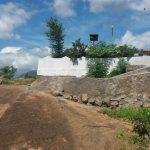
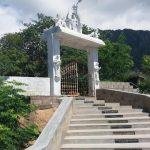
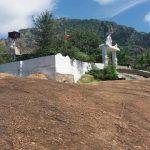
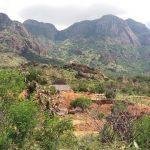
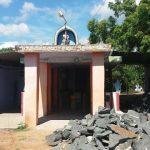
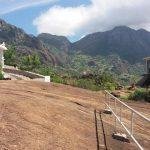
Photo Gallery
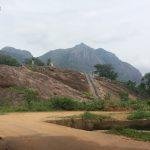
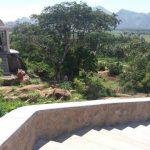
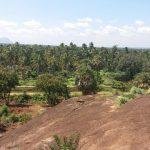
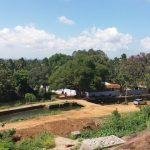
Recent Posts

Shri Kaamkoteeshwar Mandir, Varanasi – History & Significance
In the heart of Kashi, the eternal city of Lord Shiva, where the Ganges flows with celestial grace, stands the Shri Kaamkoteeshwar Mandir. This sacred Sannidhi is not merely a temple but a profound spiritual bridge between the Northern…

ओ सांवरे तूने ही मुझको संभाला – Lyrics & Meaning
ओ सांवरे तूने ही मुझको संभाला – A Prayer to Shyam Origin & Spiritual Essence Why This Bhajan Resonates Devotees chant this when overwhelmed by life’s storms—the refrain ‘तूने ही मुझको संभाला’ is the soul’s sigh of relief: “You…

कथा ये है महाराज मेरे की – Lyrics & Meaning
कथा ये है महाराज मेरे की छत्रपति संभाजी महाराज – A Prayer to Chhatrapati Sambhaji Maharaj Origin & Spiritual Essence Why This Bhajan Resonates Devotees chant this when their spirit feels tested—its powerful refrain “महाराज मेरे” is a soul’s…

Rigveda Samhita Yathartha Anuvada (ऋग्वेद संहिता यथार्थ अनुवाद) – Complete Set with Anvayartha & Hindi/English Translation
The Rigveda is the oldest surviving scripture of humanity and the foundational text of Sanātana Dharma. For serious students, scholars, UPSC aspirants studying ancient Indian history, Sanskrit learners, and spiritual seekers, a precise and grammatically structured translation is indispensable.…

आना भी अकेला है जाना भी अकेला है – Lyrics & Meaning | BharatTemples
आना भी अकेला है जाना भी अकेला है – A Prayer to the Divine Witness Origin & Spiritual Essence Why This Bhajan Resonates Devotees turn to this bhajan in moments of deep reflection—when life’s attachments begin to ache. The…

माता शेरावाली के द्वार जो भी जाता है – Lyrics & Meaning
माता शेरावाली के द्वार जो भी जाता है – A Prayer to Maa Sherawali Origin & Spiritual Essence Why This Bhajan Resonates Devotees turn to this bhajan in times of fear or uncertainty—its promise that no one leaves Maa’s…

मार लेना सपणी उबार लेणा भवरा – Lyrics & Meaning
मार लेना सपणी उबार लेणा भवरा – A Prayer to the Divine Beloved Origin & Spiritual Essence Why This Bhajan Resonates Devotees chant this in moments of deep vulnerability—its cry of “मार लेना सपणी, उबार लेणा भवरा” is the…

हमें श्याम सुंदर भरोसा तुम्हारा – Lyrics & Meaning
हमें श्याम सुंदर भरोसा तुम्हारा – A Prayer to Shyam Sundar Origin & Spiritual Essence Why This Bhajan Resonates Devotees chant this when feeling alone—its refrain ‘de do sahara’ is the soul’s cry for divine support. Lyrics in Hindi…

Mere Satguru Ne Di Thi Davai Lyrics in Hindi & Meaning
Mere Satguru Ne Di Thi Davai: Invoking the Guru’s Liberating Wisdom This soul-stirring bhajan venerates the Satguru (True Spiritual Master) as the divine physician who dispenses the only remedy for life’s deepest sufferings. Composed by Sant Karmaveer Tufani, it…

Janm Diyo Thari Maa Dukh Dekhiyo Lyrics in Hindi & Meaning
जन्म दियो थारी माँ दुख देखियो (Maa’s Grief Upon Birthing You) This soul-stirring Chetavani Bhajan (admonitory hymn) is addressed to the Divine Mother (Maa) – a call for repentance when children forget their filial duties in the dark age…