
Contents
- 1 Definitive Pilgrimage Guide: Kalakalar Temple, Melancode, Kanyakumari
Definitive Pilgrimage Guide: Kalakalar Temple, Melancode, Kanyakumari
In the serene paddy fields of Melancode, just a few kilometers from the bustling temple town of Kumaracoil, stands a monument of divine slant—the Kalakalar Temple. As the Lead Heritage Architect for bharattemples.com, I invite you to explore this 15th-century Dravidian marvel, where the Presiding Deity, Kalakalar (a form of Lord Shiva), stands as a Swayambhu (self-manifested) witness to one of Hinduism’s most profound legends.
| Date built: | 15th Century |
|---|---|
| Deity: | Kalakalar (Lord Shiva) |
| Architectural style: | Dravidian architecture |
| Major festivals | Shivalaya Ottam, Shivaratri |
| Locale: | Melancode |
| District: | Kanyakumari |
| Address: | Melancode, Kanyakumari District, Tamil Nadu |
| Phone | Check local listings |
Introduction & Spiritual Essence
Primary Deity: Kalakalar (Lord Shiva / Mahadevar)
Form: Swayambhu Lingam (Self-manifested)
Why do devotees flock to this ancient shrine? The temple is revered as the eighth stop in the legendary Shivalaya Ottam, a grueling pilgrimage run performed during Maha Shivaratri. Beyond the physical endurance, the spiritual essence lies in the Phalaśruti (fruits of listening/worship) associated with this site.
It is believed that worshipping the Kalakalar Lingam aids in cleansing ancestral karma. Specifically, the temple holds the power to mitigate the ill effects of planetary afflictions, particularly those ruled by Saturn (Shani) and Yama (the Lord of Death). Devotees seek protection from untimely death and the grace to overcome life’s obstacles, mirroring the liberation that Markandeya found here.
Historical Origins & Scriptural Legend
The Legend of Markandeya
According to the Sthala Purana (local oral tradition), this temple is intrinsically linked to the sage Markandeya. As the story goes, when the god of death, Yama, arrived to claim Markandeya at the age of 16, the sage clutched the Shiva Lingam tightly in desperation. Yama threw his noose around the Lingam, causing it to tilt to one side. In divine fury, Lord Shiva burst forth from the Lingam, using his Trident (Trishula) to vanquish Yama.
Tradition holds that the Shiva Lingam in Kalakalar Temple is a physical remnant of this cosmic event. The Lingam remains slanted to one side, with a semi-spherical, bulged top resembling the indentation left by Yama’s tightening rope. This form is a testament to the Lord’s protection of his devotees.
Architectural Timeline
Temple records and architectural analysis suggest the shrine was originally constructed during the 15th Century. While specific dynastic patronage records are fragmented—typical of the Vijayanagara influence in this region—the structure has been preserved by local devotees over centuries. Unlike many massive temples, this shrine retains a rustic, ancient charm, free from the overlay of later, ornate gopurams.
Architectural Marvels
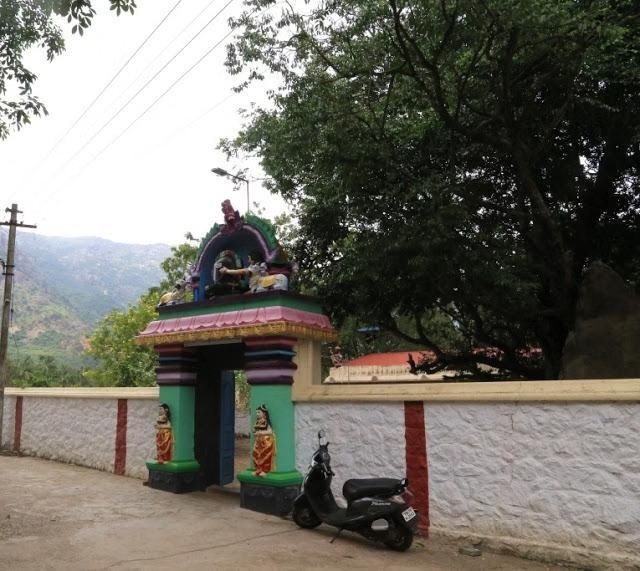
The Kalakalar Temple is a classic example of Dravidian Architecture adapted to a rural landscape. It is situated in the middle of paddy fields, facing East, and is surrounded by green groves on three sides (North, South, and East), leaving the Western side open toward the road leading to Kumara Kovil.
- Vastu Shastra: The East-facing alignment ensures the first rays of the sun illuminate the sanctum, symbolizing the removal of darkness (ignorance).
- The Sanctum (Garbhagriha): The central deity is a Swayambhu Lingam. The unique slanting nature of the stone requires specific architectural support in the foundation, a marvel of ancient engineering.
- Sub-shrines: A Ganapathy shrine is located in the South-West corner, a standard Dravidian placement for Vighnaharta (Remover of Obstacles). Sastha is worshipped here as Kundala Sastha.
- Nearby Structures: The temple sits at the base of the Vellimalai hills, historically guarding the perimeter of the ancient Puliyoor fort.
While the temple is not listed under ASI or UNESCO protected monuments, its heritage value is immense as a living history site.
Darshan & Ritual Logistics
The temple maintains traditional timings that align with Vedic rituals. While physical tickets are generally purchased at the counter, online booking options are increasingly available through the Hindu Religious and Charitable Endowments (HR&CE) portal for Tamil Nadu temples.
Daily Timings
| Session | Opening Time | Closing Time |
|---|---|---|
| Morning | 5:00 AM | 11:00 AM |
| Evening | 5:00 PM | 8:00 PM |
Key Sevas & Offerings
- Abhishekam: Performed with milk, honey, and sandalwood paste. It is highly recommended to witness this ritual to see the unique slant of the Lingam clearly.
- Archana: Individual prayers (Sahasranama) can be offered.
- Vedi Vazhipadu: This is a distinctive ritual here. Kalakalar Temple is known for Vedi Vazhipadu (worship using crackers). Historically, this was unique to this temple in the 12-shiva temple circuit of the region, though it is now common elsewhere.
2026 Festival Calendar
Assuming the current date is 2026, devotees should mark these dates:
- Maha Shivaratri: Date: February 26, 2026 (The primary festival, featuring the Shivalaya Ottam run).
- Arudra Darshanam (Thiruvadirai): Date: January 6, 2026 (Celebrating the cosmic dance of Shiva).
- Pradosham: Performed twice every lunar month (13th day after Full/New Moon).
Practical Visitor Guidance
To ensure a serene darshan, please adhere to the following guidelines:
- Dress Code: Traditional attire is mandatory. Men should wear dhoti or trousers with a shirt; women should wear saree, churidar, or modest traditional wear.
- Photography: Photography is strictly prohibited inside the Garbhagriha (sanctum). It is permitted in the outer prakaram (corridor), but please be respectful of other devotees.
- Crowd Management:
- Best Time to Visit: Weekday mornings (7:00 AM – 9:00 AM) are least crowded.
- Seasonal Advice: Kanyakumari weather is humid. In May, carry water and a hand fan. During the Monsoon (October–November), carry an umbrella as the temple is open to the sky.
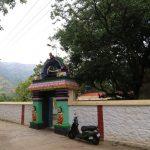
- Accessibility: The temple has a stone entrance. Elderly devotees can be dropped off near the entrance, but the inner sanctum requires walking.
Pilgrimage Connectivity
How to Reach
The Temple is strategically located near the Nagercoil – Thiruvananthapuram (NH 66) highway.
- Nearest Railway Station: Eraniel (Approx. 8 km). However, Nagercoil Junction (13 km) is a major station with better connectivity.
- Nearest Airport: Trivandrum International Airport (TRV), Thiruvananthapuram, Kerala (Approx. 63 km). This is the most convenient air route.
- By Road: The temple is located just 1.5 km off the main highway, en route to Kumara Kovil (Vellimalai).
Nearby Sacred Sites (Pilgrimage Circuit)
Extend your spiritual journey by visiting these nearby landmarks:
- Kumara Kovil (Vellimalai): Located just 1.5 km away. This hilltop temple is dedicated to Lord Murugan, where he is believed to have married Valli.
- Thiruvattar Temple: Approximately 18 km away. A magnificent temple dedicated to Adi Kesava Perumal (Vishnu), situated in a picturesque valley.
- Melancode Yakshi Temple: Located within the vicinity, this temple is famous across South Kerala and Kanyakumari for its unique deity.
Photo Gallery
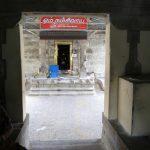
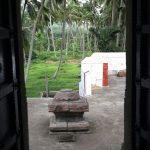
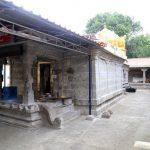
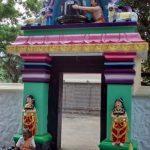
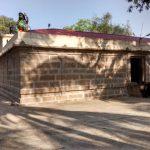
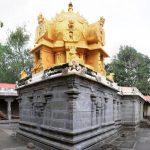
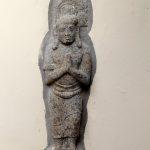
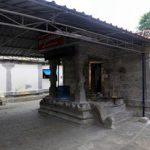
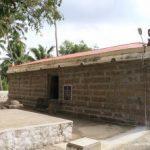
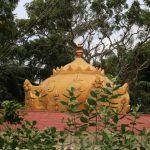

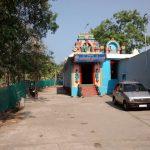
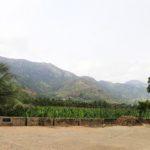
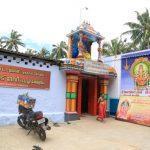
Frequently Asked Questions (FAQ)
1. Is there a VIP Darshan entry available?
As a traditional shrine, Kalakalar Temple does not operate a commercial VIP darshan system like large corporate temples. However, devotees performing specific Sevas (like Abhishekam) are accorded priority entry during the ritual times.
2. What is the significance of the slanted Lingam?
The slant is the defining feature of this Kshetram. It symbolizes Lord Shiva’s protective bend to save his devotee Markandeya from the clutches of Yama, the god of death.
3. Can I perform the Shivalaya Ottam individually?
The Shivalaya Ottam is traditionally organized as a group run during Maha Shivaratri. However, individual circumambulations (Pradakshina) around the temple can be performed at any time during opening hours.
4. Is non-vegetarian food allowed near the temple?
No. As with all Shiva temples in Tamil Nadu, the temple premises and the immediate vicinity are strictly vegetarian zones. Alcohol and smoking are prohibited.
5. What is the nearest place to stay?
For accommodation, Nagercoil (13 km) offers the widest range of hotels and lodges. Thiruvattar also has a few guest houses managed by temple trusts.
Recent Posts

Shri Kaamkoteeshwar Mandir, Varanasi – History & Significance
In the heart of Kashi, the eternal city of Lord Shiva, where the Ganges flows with celestial grace, stands the Shri Kaamkoteeshwar Mandir. This sacred Sannidhi is not merely a temple but a profound spiritual bridge between the Northern…

ओ सांवरे तूने ही मुझको संभाला – Lyrics & Meaning
ओ सांवरे तूने ही मुझको संभाला – A Prayer to Shyam Origin & Spiritual Essence Why This Bhajan Resonates Devotees chant this when overwhelmed by life’s storms—the refrain ‘तूने ही मुझको संभाला’ is the soul’s sigh of relief: “You…

कथा ये है महाराज मेरे की – Lyrics & Meaning
कथा ये है महाराज मेरे की छत्रपति संभाजी महाराज – A Prayer to Chhatrapati Sambhaji Maharaj Origin & Spiritual Essence Why This Bhajan Resonates Devotees chant this when their spirit feels tested—its powerful refrain “महाराज मेरे” is a soul’s…

Rigveda Samhita Yathartha Anuvada (ऋग्वेद संहिता यथार्थ अनुवाद) – Complete Set with Anvayartha & Hindi/English Translation
The Rigveda is the oldest surviving scripture of humanity and the foundational text of Sanātana Dharma. For serious students, scholars, UPSC aspirants studying ancient Indian history, Sanskrit learners, and spiritual seekers, a precise and grammatically structured translation is indispensable.…

आना भी अकेला है जाना भी अकेला है – Lyrics & Meaning | BharatTemples
आना भी अकेला है जाना भी अकेला है – A Prayer to the Divine Witness Origin & Spiritual Essence Why This Bhajan Resonates Devotees turn to this bhajan in moments of deep reflection—when life’s attachments begin to ache. The…

माता शेरावाली के द्वार जो भी जाता है – Lyrics & Meaning
माता शेरावाली के द्वार जो भी जाता है – A Prayer to Maa Sherawali Origin & Spiritual Essence Why This Bhajan Resonates Devotees turn to this bhajan in times of fear or uncertainty—its promise that no one leaves Maa’s…

मार लेना सपणी उबार लेणा भवरा – Lyrics & Meaning
मार लेना सपणी उबार लेणा भवरा – A Prayer to the Divine Beloved Origin & Spiritual Essence Why This Bhajan Resonates Devotees chant this in moments of deep vulnerability—its cry of “मार लेना सपणी, उबार लेणा भवरा” is the…

हमें श्याम सुंदर भरोसा तुम्हारा – Lyrics & Meaning
हमें श्याम सुंदर भरोसा तुम्हारा – A Prayer to Shyam Sundar Origin & Spiritual Essence Why This Bhajan Resonates Devotees chant this when feeling alone—its refrain ‘de do sahara’ is the soul’s cry for divine support. Lyrics in Hindi…

Mere Satguru Ne Di Thi Davai Lyrics in Hindi & Meaning
Mere Satguru Ne Di Thi Davai: Invoking the Guru’s Liberating Wisdom This soul-stirring bhajan venerates the Satguru (True Spiritual Master) as the divine physician who dispenses the only remedy for life’s deepest sufferings. Composed by Sant Karmaveer Tufani, it…

Janm Diyo Thari Maa Dukh Dekhiyo Lyrics in Hindi & Meaning
जन्म दियो थारी माँ दुख देखियो (Maa’s Grief Upon Birthing You) This soul-stirring Chetavani Bhajan (admonitory hymn) is addressed to the Divine Mother (Maa) – a call for repentance when children forget their filial duties in the dark age…