
Contents
- 1 Neelakandeswarar Temple, Kalkulam: The Definitive 2026 Pilgrimage Guide
- 1.1 1. Introduction & Spiritual Essence
- 1.2 2. Historical Origins & Scriptural Legend
- 1.3 3. Architectural Marvels
- 1.4 4. Darshan & Ritual Logistics (2026 Schedule)
- 1.5 5. Practical Visitor Guidance
- 1.6 6. Pilgrimage Connectivity
- 1.7 7. Frequently Asked Questions (FAQ)
- 1.7.1 Is there a VIP darshan entry?
- 1.7.2 What is the historical significance of the temple’s location?
- 1.7.3 Are there accommodation facilities available?
- 1.7.4 What is the significance of the Shivalaya Ottam?
- 1.7.5 Is the temple accessible for devotees with disabilities?
- 1.7.6 What languages are spoken by the priests?
Neelakandeswarar Temple, Kalkulam: The Definitive 2026 Pilgrimage Guide
Lead Heritage Architect’s Note: Located in the historic Kalkulam region of Kanyakumari, the Neelakandeswarar Temple stands as a pillar of Dravidian heritage and Shaivite devotion. This guide is engineered to facilitate a seamless darshan experience while honoring the temple’s ancient sanctity.
1. Introduction & Spiritual Essence
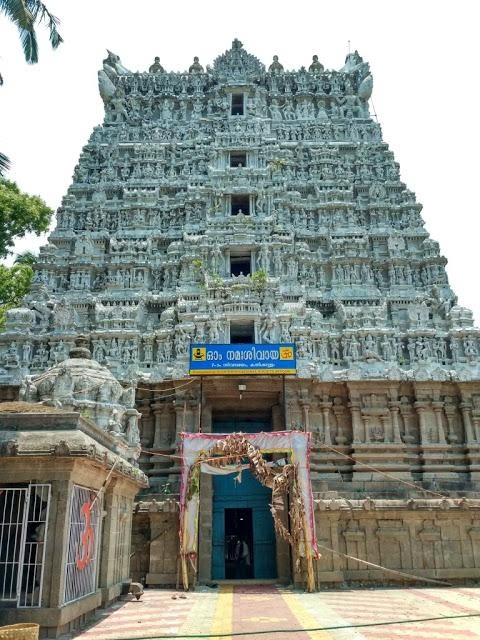
The Neelakandeswarar Temple in Kalkulam is a sacred site dedicated to Lord Shiva in his form as Neelakandeswarar (The Blue-Throated One). The presiding deity is a Swayambhu (self-manifested) Lingam, revered by sages and devotees for centuries. The temple is locally famous for its unique southern-facing orientation and its association with the famed Shivalaya Ottam pilgrimage circuit.
Phalaśruti: The Benefits of Visit
According to temple tradition and devotee testimonials, worshipping here grants specific spiritual boons:
- Cleansing of Ancestral Karma: Performing abhishekam for Neelakandeswarar is believed to alleviate pitru dosha (ancestral afflictions).
- Relief from Anxiety: The energy of the calm, blue-hued deity instills peace and mental clarity.
- Protection: As part of the Shivalaya Ottam circuit, a visit here is considered vital for the spiritual completeness of the Shivaratri pilgrimage.
2. Historical Origins & Scriptural Legend
While specific inscriptions detailing the exact king or dynasty remain under review by the Department of Archaeology (Tamil Nadu), the architectural style places the temple firmly in the late 16th to 17th century CE era.
The Legend of the Blue Throat
According to local Sthala Purana, the region was once a dense forest of Kalazhai (Thorny bamboo). It is believed that Lord Shiva appeared here to protect his devotees from the curses of the serpent race (Nagas). The blue hue associated with the Lingam is said to represent the Neela Kantha form, where Shiva consumed the poison during the churning of the ocean (Samudra Manthan).
Association with Sivagiri Ayya
Tradition holds that the temple was a focal point for Sivagiri Ayya, the guru of Sree Narayana Guru. The temple served as a beacon of spiritual renaissance in the region during the early 20th century.
3. Architectural Marvels
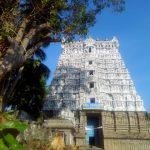
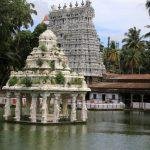
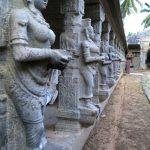
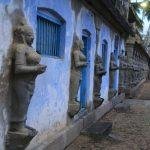
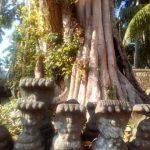
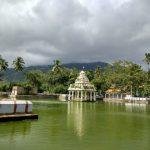
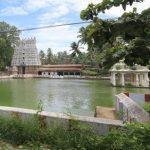
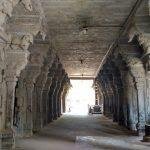
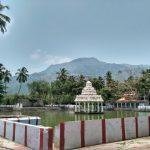
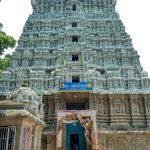
The Neelakandeswarar Temple is a classic example of Dravidian Architecture, characterized by its towering Gopuram (gateway tower) and the sanctity of the Garbha Griha (inner sanctum).
- Presiding Deity: The Shiva Lingam is roughly 3 feet high with a distinct blue tint on the central portion.
- The Mandapas: The temple features a Maha Mandapa and a Nandi Mandapa. The ceiling of the Ardha Mandapa features intricate stucco work depicting stories from the Puranas.
- Anandavalli Shrine: The sanctum of the Mother Goddess, Anandavalli, is situated to the left of the main shrine, facing south.
- Unique Orientation: Unlike many temples where the Nandi faces East, here the Nandi is positioned in a unique posture that aligns perfectly with the main deity.



4. Darshan & Ritual Logistics (2026 Schedule)
Timings are subject to change during festival seasons. It is advisable to contact the temple office 24 hours prior to your visit.
Daily Temple Timings
| Session | Timing |
|---|---|
| Morning Darshan | 5:00 AM – 11:00 AM |
| Afternoon Closure | 11:00 AM – 5:00 PM |
| Evening Darshan | 5:00 PM – 8:00 PM |
Key Sevas & Offerings
- Abhishekam: Performed daily with milk, honey, and sandalwood paste. Best time: 7:00 AM – 9:00 AM.
- Archana: Individual and group chanting sessions dedicated to Neelakandeswarar and Anandavalli.
- Deepa Aradhana: Evening lamp offering.
Online Seva Booking
While the temple is currently managed by local trusts, efforts are underway to integrate with the HRCE (Hindu Religious and Charitable Endowments) Department online portal. For now, devotees can book special archanas via the Madapalli (kitchen office) upon arrival or through designated local agents.
Major Festivals in 2026
Timing your visit with these festivals offers a heightened spiritual experience:
- Shivaratri (Feb/Mar 2026): The primary festival. The temple is the 7th stop in the Shivalaya Ottam. Thousands of devotees run from temple to temple. Expect all-night vigils.
- Pradosham: Occurring twice a month, specifically the 13th day of the lunar cycle.
- Thiruvadirai (Arudra Darshanam): Celebrating the cosmic dance of Shiva.
- Navaratri: Nine nights of devotion dedicated to Goddess Anandavalli.
5. Practical Visitor Guidance
Dress Code & Etiquette
- Attire: Traditional Indian dress is mandatory. Men should wear dhotis or formal pants with a shirt; women should wear sarees, churidars, or modest long skirts.
- Photography: Strictly prohibited inside the sanctum sanctorum and the immediate courtyard. Photography is permitted in the outer prakaram (corridor), but avoid using flash.
- Mobile Devices: Silence phones. Lockers are available at the temple counter for electronic devices.
Crowd Management
- Best Time to Visit: 6:00 AM to 8:00 AM for a peaceful darshan. Evening crowds peak between 6:00 PM and 7:30 PM.
- Seasonal Advice: Kanyakumari experiences heavy heat from March to June. Carry water bottles and an umbrella. The monsoon (Oct-Nov) brings heavy rains; footwear storage becomes essential.
6. Pilgrimage Connectivity
The temple is strategically located near the border of Kanyakumari and Thiruvananthapuram districts.
How to Reach
- Nearest Railway Station: Eraniel (ERL) – Approximately 6 km away. Junctions like Nagercoil (NCJ) and Trivandrum Central (TVC) offer broader connectivity.
- Nearest Airport: Trivandrum International Airport (TRV), roughly 60 km from Kalkulam.
- By Road: The temple is located 2 km from Padmanabhapuram and 600 meters from the historic Padmanabhapuram Palace. It is accessible via the Padmanabhapuram – Thuckalay Highway.
Recommended Pilgrimage Circuit
Expand your spiritual journey by visiting these nearby sacred sites:
- Padmanabhapuram Palace Temple: Located 600m away. Famous for its wooden architecture.
- Kumara Coil Murugan Temple: Located 4 km away. One of the six abodes of Lord Murugan.
- Thiruvattar Adikesava Perumal Temple: Located 14 km away. A Mathil (wall) Surrounded Temple of Lord Vishnu.
7. Frequently Asked Questions (FAQ)
Is there a VIP darshan entry?
Currently, there is no specific VIP entry gate. However, devotees with special permits from the HRCE office or those with prior booking for Sevas (Abhishekam) are given priority access during crowded hours.
What is the historical significance of the temple’s location?
Kalkulam was a strategic region during the Travancore era. This temple served as a spiritual anchor for the local population and is deeply connected to the Sivagiri Ayya Gurudeva.
Are there accommodation facilities available?
There are no lodges inside the temple premises. However, the nearby towns of Thuckalay and Padmanabhapuram offer several guest houses and budget hotels. One Earth Resort (near Kottaram) is also a nearby option.
What is the significance of the Shivalaya Ottam?
During Shivaratri, devotees run to visit a series of 18 temples in the region. Neelakandeswarar Temple is the 7th stop in this sequence, making it a critical waypoint for the pilgrims.
Is the temple accessible for devotees with disabilities?
The inner sanctum has traditional steps. However, the outer corridors are relatively flat. It is recommended to seek assistance from temple security for wheelchair access via the side entrance.
What languages are spoken by the priests?
The priests primarily speak Tamil and Malayalam. Basic English is understood at the ticket counter.
Disclaimer: Temple timings and festival dates for 2026 are based on historical patterns and the Hindu lunar calendar. Please verify specific dates with the official Kanyakumari District Temple Authorities prior to travel.
Recent Posts

Shri Kaamkoteeshwar Mandir, Varanasi – History & Significance
In the heart of Kashi, the eternal city of Lord Shiva, where the Ganges flows with celestial grace, stands the Shri Kaamkoteeshwar Mandir. This sacred Sannidhi is not merely a temple but a profound spiritual bridge between the Northern…

ओ सांवरे तूने ही मुझको संभाला – Lyrics & Meaning
ओ सांवरे तूने ही मुझको संभाला – A Prayer to Shyam Origin & Spiritual Essence Why This Bhajan Resonates Devotees chant this when overwhelmed by life’s storms—the refrain ‘तूने ही मुझको संभाला’ is the soul’s sigh of relief: “You…

कथा ये है महाराज मेरे की – Lyrics & Meaning
कथा ये है महाराज मेरे की छत्रपति संभाजी महाराज – A Prayer to Chhatrapati Sambhaji Maharaj Origin & Spiritual Essence Why This Bhajan Resonates Devotees chant this when their spirit feels tested—its powerful refrain “महाराज मेरे” is a soul’s…

Rigveda Samhita Yathartha Anuvada (ऋग्वेद संहिता यथार्थ अनुवाद) – Complete Set with Anvayartha & Hindi/English Translation
The Rigveda is the oldest surviving scripture of humanity and the foundational text of Sanātana Dharma. For serious students, scholars, UPSC aspirants studying ancient Indian history, Sanskrit learners, and spiritual seekers, a precise and grammatically structured translation is indispensable.…

आना भी अकेला है जाना भी अकेला है – Lyrics & Meaning | BharatTemples
आना भी अकेला है जाना भी अकेला है – A Prayer to the Divine Witness Origin & Spiritual Essence Why This Bhajan Resonates Devotees turn to this bhajan in moments of deep reflection—when life’s attachments begin to ache. The…

माता शेरावाली के द्वार जो भी जाता है – Lyrics & Meaning
माता शेरावाली के द्वार जो भी जाता है – A Prayer to Maa Sherawali Origin & Spiritual Essence Why This Bhajan Resonates Devotees turn to this bhajan in times of fear or uncertainty—its promise that no one leaves Maa’s…

मार लेना सपणी उबार लेणा भवरा – Lyrics & Meaning
मार लेना सपणी उबार लेणा भवरा – A Prayer to the Divine Beloved Origin & Spiritual Essence Why This Bhajan Resonates Devotees chant this in moments of deep vulnerability—its cry of “मार लेना सपणी, उबार लेणा भवरा” is the…

हमें श्याम सुंदर भरोसा तुम्हारा – Lyrics & Meaning
हमें श्याम सुंदर भरोसा तुम्हारा – A Prayer to Shyam Sundar Origin & Spiritual Essence Why This Bhajan Resonates Devotees chant this when feeling alone—its refrain ‘de do sahara’ is the soul’s cry for divine support. Lyrics in Hindi…

Mere Satguru Ne Di Thi Davai Lyrics in Hindi & Meaning
Mere Satguru Ne Di Thi Davai: Invoking the Guru’s Liberating Wisdom This soul-stirring bhajan venerates the Satguru (True Spiritual Master) as the divine physician who dispenses the only remedy for life’s deepest sufferings. Composed by Sant Karmaveer Tufani, it…

Janm Diyo Thari Maa Dukh Dekhiyo Lyrics in Hindi & Meaning
जन्म दियो थारी माँ दुख देखियो (Maa’s Grief Upon Birthing You) This soul-stirring Chetavani Bhajan (admonitory hymn) is addressed to the Divine Mother (Maa) – a call for repentance when children forget their filial duties in the dark age…