

Contents
Introduction & Spiritual Essence
Nestled in the tranquil village of Allur on the banks of the Kollidam River in Trichy, the Kalyana Prasanna Venkatesha Perumal Temple stands as a serene sanctuary dedicated to Lord Vishnu. Unlike the sprawling complexes of Srirangam, this temple offers an intimate spiritual atmosphere, deeply rooted in the Bhakti tradition of the region.
Primary Deity & Form: The presiding deity is Kalyana Prasanna Venkatesha Perumal, a form of Lord Vishnu believed to grant boons (Prasanna) to devotees seeking auspicious marriages (Kalyana). He is flanked by his consort, Alarmel Mangai Thayar (also revered as Padmavati). The deity is a Swayambhu (self-manifested) murti, exuding a calm and benevolent presence.
Phalaśruti: The Spiritual Benefits
Why do pilgrims travel to this hidden gem? According to local devotees and scriptural traditions, visiting this temple yields profound benefits:
- Vivaha Prapti: Unmarried individuals seeking a suitable match often perform sevas here, as the name “Kalyana Prasanna” suggests the Lord’s grace in facilitating harmonious unions.
- Ancestral Peace: Performing rituals here is believed to cleanse ancestral karma, bringing peace to forefathers.
- Sakala Saubhagyam: Devotees believe that a sincere darshan here grants total prosperity and well-being.
Historical Origins & Scriptural Legend
Builders and Era
While the exact founding date is not inscribed on modern plaques, architectural analysis suggests the temple was built during the Vijayanagara period (circa 16th–17th century). This era saw the proliferation of Vishnu temples in the Trichy region, often sponsored by local chieftains under the Vijayanagara umbrella. The structure has been maintained by the local Agraharam community for centuries.
Scriptural References & Sthala Purana
According to temple records and oral tradition: The name “Kalyana Prasanna” holds deep theological significance. “Prasanna” translates to “cheerful” or “pleased.” Legend holds that Lord Vishnu, in his form as Venkateshwara (the deity of the Seven Hills), manifested here specifically to grant the prayers of sages and devotees who could not travel to Tirupati during ancient times.
The village of Allur is historically significant in Tamil Saivism due to the nearby presence of Manalur (associated with the Nayanmars). However, this Vishnu temple signifies the region’s ancient religious harmony. Local folklore suggests that the river Kollidam (a tributary of the Cauvery) once flowed in a way that protected this temple from invasion, preserving the sanctity of the murti.
Architectural Marvels
Dravidian Style & Vastu
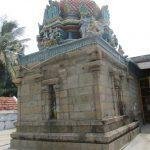
The temple exemplifies the Dravidian architectural style, characterized by stepped pyramidal towers (Vimana) and enclosed courtyards. Although compact, the layout strictly adheres to Vastu Shastra, ensuring a flow of positive energy from the entrance (Gopuram) to the Garbhagriha (Sanctum Sanctorum).
Structural Details
- The Vimanam: Unlike the towering gopurams of Trichy’s major temples, this Vimanam is modest but features intricate stucco work and carvings of deities.
- Garbhagriha: The sanctum houses the main deity in a standing posture. The Utsava idols (processional deities) are also enshrined within the same sanctum, a notable feature for devotees wishing to witness the Lord in his festive form.
- Presculptural Elements: At the entrance, a devoted Garuda faces the sanctum. A separate shrine for Lord Hanuman (Anjaneya) is located within the complex, offering strength to devotees. Lord Ganesha is enshrined at the entrance threshold to remove obstacles.
Darshan & Ritual Logistics
Visiting the Kalyana Prasanna Venkatesha Perumal Temple is a step back into traditional, slow-paced worship. Below are the updated logistical details for your visit in 2026.
Daily Darshan Timings
| Session | Timing | Notes |
|---|---|---|
| Morning | 07:00 AM – 12:00 PM | Best time for peaceful Abhishekam. |
| Evening | 04:00 PM – 08:00 PM | Ideal for Darshan after sunset rituals. |
*Note: Timings may vary slightly on festival days or holidays.
Key Sevas & Online Booking
While this is a traditionally managed temple, many ritual services can be arranged through local priests or via the broader Tamil Nadu temple administration portals.
- Abhishekam: Performed with milk, honey, and sandalwood paste. Timing: Morning session only.
- Archana: Recitation of holy names. Available throughout opening hours.
- Sahasranama Archana: Special recitation on request.
Online Seva Booking: For temples under the HR&CE (Hindu Religious and Charitable Endowments) department, you can book general archana tickets via the official Tamil Nadu Temple Portal. For specific rituals at Allur, contacting the temple priest directly at the numbers provided below is recommended.
Festival Calendar 2026
Mark your calendars for these major celebrations in 2026:
- Vaikuntha Ekadashi (January 2026): A major festival celebrating the opening of Vaikuntha gates. Special processions are held.
- Brahmotsavam (June 2026): A 10-day festival (dates vary by local Tamil calendar). The chariot procession is a highlight.
- Rathasapthami (February 2026): Dedicated to Lord Surya Narayana, often celebrated with special Abhishekams.
Practical Visitor Guidance
Visitor Etiquette & Facilities
- Dress Code: Traditional attire is mandatory. Men should wear dhotis or trousers with shirts; women should wear sarees, salwars, or long skirts. Avoid shorts and sleeveless tops.
- Photography Rules: Photography is strictly prohibited inside the inner sanctum (Garbhagriha). You may take photos of the outer corridors and temple architecture.
- Mobile Lockers: As this is a smaller temple, large locker facilities may not be available. It is advisable to carry minimal valuables.
- Accessibility: The temple has a raised threshold; wheelchair access to the inner sanctum may be difficult, but the outer premises are accessible.
Crowd Management & Seasonal Advice
- Best Hours: Weekday mornings (7:00 AM – 9:00 AM) are the most serene times to visit, avoiding local weekend crowds.
- Seasonal Tips:
- Summer (May – July): Trichy temperatures can exceed 40°C. Carry a water bottle and an umbrella.
- Monsoon (Oct – Dec): The temple vicinity may be slippery due to rains; wear footwear with good grip.
Pilgrimage Connectivity
How to Reach Allur
The temple is strategically located near Trichy, a major transit hub in Tamil Nadu.
- By Road: Allur is located just off the Thanjavur-Trichy Highway. From Trichy Central Bus Stand, take a local bus towards Jeeyapuram/Allur (approx. 30 mins).
- By Rail: The nearest railway station is Mekkudi Railway Station (approx. 200 meters from the temple). Alternatively, Trichy Junction (14 km) offers major connectivity.
- By Air: Trichy International Airport (TIR) is approximately 21 km away, about a 40-minute drive.
Nearby Sacred Sites (Pilgrimage Circuit)
Enhance your spiritual journey by visiting these nearby landmarks:
- Jeeyapuram Sree Venkateswara Temple: Located 3 km away, another beautiful Dravidian-style Vishnu temple.
- Mukkombu Dam: A scenic spot 7 km away, where the Kollidam branches from the Cauvery. Great for a peaceful evening.
- Srirangam Ranganathaswamy Temple: The largest functioning temple in the world (12 km). A must-visit for any Vishnu devotee.
Frequently Asked Questions (FAQs)
1. Is there a VIP darshan entry?
As this is a community-managed Agraharam temple, there is no formal VIP ticket system like in larger shrines. However, visiting during non-peak hours (early morning) ensures a quick and private darshan.
2. Are there accommodation facilities in Allur?
Allur is a small village with limited accommodation. It is recommended to stay in Trichy city, which offers hotels ranging from budget to 5-star luxury, and commute to Allur.
3. What is the significance of the name “Kalyana Prasanna”?
“Kalyana” refers to marriage or auspiciousness, and “Prasanna” means pleased. The Lord is believed to be easily pleased and grants the wishes of devotees seeking marriage alliances or family prosperity.
4. Is non-vegetarian food allowed in the vicinity?
As this is a Hindu religious site, the immediate temple vicinity and the Agraharam are strictly vegetarian zones. Visitors should respect local sentiments.
5. What is the best time to visit for maximum peace?
Weekday mornings, specifically between 7:00 AM and 9:00 AM, are ideal. Avoid festival days if you seek solitude, as the temple sees a surge in local devotees.
Photo Gallery


Recent Posts

Shri Kaamkoteeshwar Mandir, Varanasi – History & Significance
In the heart of Kashi, the eternal city of Lord Shiva, where the Ganges flows with celestial grace, stands the Shri Kaamkoteeshwar Mandir. This sacred Sannidhi is not merely a temple but a profound spiritual bridge between the Northern…

ओ सांवरे तूने ही मुझको संभाला – Lyrics & Meaning
ओ सांवरे तूने ही मुझको संभाला – A Prayer to Shyam Origin & Spiritual Essence Why This Bhajan Resonates Devotees chant this when overwhelmed by life’s storms—the refrain ‘तूने ही मुझको संभाला’ is the soul’s sigh of relief: “You…

कथा ये है महाराज मेरे की – Lyrics & Meaning
कथा ये है महाराज मेरे की छत्रपति संभाजी महाराज – A Prayer to Chhatrapati Sambhaji Maharaj Origin & Spiritual Essence Why This Bhajan Resonates Devotees chant this when their spirit feels tested—its powerful refrain “महाराज मेरे” is a soul’s…

Rigveda Samhita Yathartha Anuvada (ऋग्वेद संहिता यथार्थ अनुवाद) – Complete Set with Anvayartha & Hindi/English Translation
The Rigveda is the oldest surviving scripture of humanity and the foundational text of Sanātana Dharma. For serious students, scholars, UPSC aspirants studying ancient Indian history, Sanskrit learners, and spiritual seekers, a precise and grammatically structured translation is indispensable.…

आना भी अकेला है जाना भी अकेला है – Lyrics & Meaning | BharatTemples
आना भी अकेला है जाना भी अकेला है – A Prayer to the Divine Witness Origin & Spiritual Essence Why This Bhajan Resonates Devotees turn to this bhajan in moments of deep reflection—when life’s attachments begin to ache. The…

माता शेरावाली के द्वार जो भी जाता है – Lyrics & Meaning
माता शेरावाली के द्वार जो भी जाता है – A Prayer to Maa Sherawali Origin & Spiritual Essence Why This Bhajan Resonates Devotees turn to this bhajan in times of fear or uncertainty—its promise that no one leaves Maa’s…

मार लेना सपणी उबार लेणा भवरा – Lyrics & Meaning
मार लेना सपणी उबार लेणा भवरा – A Prayer to the Divine Beloved Origin & Spiritual Essence Why This Bhajan Resonates Devotees chant this in moments of deep vulnerability—its cry of “मार लेना सपणी, उबार लेणा भवरा” is the…

हमें श्याम सुंदर भरोसा तुम्हारा – Lyrics & Meaning
हमें श्याम सुंदर भरोसा तुम्हारा – A Prayer to Shyam Sundar Origin & Spiritual Essence Why This Bhajan Resonates Devotees chant this when feeling alone—its refrain ‘de do sahara’ is the soul’s cry for divine support. Lyrics in Hindi…

Mere Satguru Ne Di Thi Davai Lyrics in Hindi & Meaning
Mere Satguru Ne Di Thi Davai: Invoking the Guru’s Liberating Wisdom This soul-stirring bhajan venerates the Satguru (True Spiritual Master) as the divine physician who dispenses the only remedy for life’s deepest sufferings. Composed by Sant Karmaveer Tufani, it…

Janm Diyo Thari Maa Dukh Dekhiyo Lyrics in Hindi & Meaning
जन्म दियो थारी माँ दुख देखियो (Maa’s Grief Upon Birthing You) This soul-stirring Chetavani Bhajan (admonitory hymn) is addressed to the Divine Mother (Maa) – a call for repentance when children forget their filial duties in the dark age…