

Contents
Introduction & Spiritual Essence
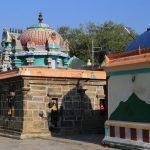
Nestled in the heart of Cuddalore district, the Pathanchali Nathar Temple stands as a beacon of ancient Saivite heritage in the village of Kanattampuliyur. Known scripturally as Thiru Kanattumullur, this temple is one of the revered 275 Paadal Petra Sthalams—shrines glorified by the verses of the Nayanmars. The presiding deity, Pathanchali Nathar (a manifestation of Lord Shiva), and the mother goddess, Kaanar Kuzhali (also known as Ambujakshi), invite devotees to a sacred sanctuary on the northern banks of the Kollidam River.
Phalaśruti: Why Devotees Visit
The spiritual energy of this Shivastalam is deeply linked to the legendary sage Patanjali. Devotees flock here to overcome stagnation in their professional lives. It is strongly believed that worshipping Pathanchali Nathar helps cleanse ancestral karma and aids in:
- Career Progression: Specifically for those seeking promotions or seeking recognition for hard work.
- Relief from Planetary Doshas: Remedies are sought here to mitigate the adverse effects of serpent planets (Rahu/Ketu).
- Child Blessings: Women offering saris and bangles to Goddess Ambujakshi for fertility and healthy progeny.
Historical Origins & Scriptural Legend
While the exact date of construction is unrecorded in public archives, temple records and the ASI suggest a structure dating back to the early Chola period, with subsequent renovations by later dynasties. The architecture bears the hallmarks of Dravidian stylistic evolution.
The Legend of Sage Patanjali
According to the Sthala Purana, the divine serpent Adishesha incarnated as the sage Patanjali to witness Lord Shiva’s cosmic dance. Upon receiving the Ananda Tandava darshan at Chidambaram, Patanjali approached Lord Shiva with a request to witness the dance eternally. Lord Shiva directed him to this location, Thiru Kanattumullur, where He resides as Patanjaleeswarar.
The Sacred Sand
Tradition holds that when sages from Dandakaranya visited this site, every particle of sand manifested as a Shivalinga. Consequently, the sand of this place is considered sacred; devotees often take a pinch home, believing it brings prosperity and spiritual purification.
Architectural Marvels
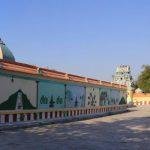
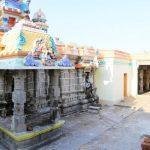
The temple follows the traditional Dravidian style of architecture. It is a compact yet structurally significant shrine featuring a modest Shikhara (tower) above the sanctum. The layout adheres to ancient Vastu Shastra principles, aligning the Gopuram and Mandapas along the east-west axis.
The Mandapa (hall) contains stone pillars etched with depictions of deities and mythological narratives. Notably, the temple is situated in a unique geographical alignment—three Puliyur shrines (Chidambaram, Kanattampuliyur, and Omampuliyur) lie in a straight row, a feature that attracts historians and spiritualists alike.
Darshan & Ritual Logistics
Unlike larger commercial temples, the Pathanchali Nathar Temple maintains a serene atmosphere conducive to meditation. Four worship services (Namaskarams) are offered daily.
Daily Timings
| Session | Timing |
|---|---|
| Morning Darshan | 6:00 AM – 11:00 AM |
| Afternoon Break | 11:00 AM – 5:00 PM |
| Evening Darshan | 5:00 PM – 7:00 PM |
Key Sevas & Offerings
- Abhishekam: Performed with milk, honey, and sandalwood paste. Special emphasis on Arudra Darshanam rituals.
- Archana: Personalized prayers for career growth and relief from Sarpa Dosha.
- Prasadham: Temple offerings vary by season; inquire at the counter.
2026 Festival Dates & Online Seva Booking
To accommodate the growing number of pilgrims, the temple management is moving towards digital coordination.
- Shivaratri: February 26, 2026 (Extended night darshan available).
- Tirukarthikai: November 2026 (Exact date as per Tamil Calendar).
- Aipasi Annabishekam: October–November 2026 (Deepavali season).
- Tiruvadhirai: December–January 2026 (Arudra Darshanam).
Note: For online seva booking, please contact the temple administration directly or visit the official Tamil Nadu temple portal once the scheduling for 2026 is finalized.
Practical Visitor Guidance
Preserving the sanctity of this heritage site is a collective responsibility.
- Dress Code: Traditional attire is recommended. Men should wear Veshti or trousers with a shirt; women should wear sarees or salwar kameez.
- Photography: As per Tamil Nadu Hindu Religious & Charitable Endowments (HR&CE) guidelines, photography inside the sanctum is restricted. Please respect signage.
- Mobile & Lockers: The temple is a small heritage site and may not have electronic lockers. It is advisable to travel light and keep valuables secure.
- Accessibility: The temple has basic steps. Ramps for wheelchair access are limited due to the heritage nature of the structure.
Crowd Management & Seasonal Advice
Kanattampuliyur generally remains peaceful. However, during Arudra Darshanam and Shivaratri, crowds swell.
- Best Hours: Weekday mornings (8:00 AM – 9:30 AM) offer the quietest Darshan.
- Seasonal Tip: Summers in Cuddalore (April–June) are humid. Carry a water bottle and an umbrella.
Pilgrimage Connectivity
How to Reach
The temple is located on the northern bank of the Kollidam River at Kanattampuliyur near Muttam village.
- By Air: The nearest airports are Puducherry (100 km) and Trichy (130 km).
- By Train: The closest railway junction is Chidambaram (29 km), which is well-connected to Chennai and Villupuram.
- By Road: Located 10 km from Kattumannarkoil. Town buses are available from Chidambaram and Kattumannarkoil to Muttam village. From Muttam bus stop, the temple is a 2 km walk or an auto-rickshaw ride.
Nearby Sacred Sites (Pilgrimage Circuit)
- Thiru Omampuliyur (4 km): The shrine where Sage Vyagrapada worshipped Shiva. It is geometrically aligned with this temple.
- Chidambaram Nataraja Temple (29 km): The epicenter of the cosmic dance, housing the Akasa Lingam.
- Melakadambur (12 km): Home to an ancient temple featuring a chariot-shaped structure and exquisite stone carvings.
Frequently Asked Questions (FAQ)
1. Is there a VIP darshan entry at Pathanchali Nathar Temple?
The temple management prioritizes senior citizens and differently-abled devotees. While there isn’t a commercial VIP ticket system like in Tirupati, devotees can contact the temple priest (+91 4144 208 508) for special arrangement requests for large groups or specific rituals.
2. What is the significance of the name “Pathanchali”?
The name is etymologically linked to Patanjali, referring to the sage who meditated here. It signifies the aspect of Shiva that grants boons to disciplined seekers and sages.
3. Can we carry food inside the temple?
Outside food is generally restricted inside the Garbhagriha (sanctum). However, small quantities for personal consumption can be kept outside. It is advisable to eat before visiting or visit local eateries in Kattumannarkoil afterward.
4. Is this temple connected to the Chidambaram temple?
Yes, historically and spiritually. The Thevaram inscriptions link this shrine to the Chidambaram complex. It is often referred to as a satellite shrine of the main Nataraja temple, offering a quieter, more introspective atmosphere.
5. Is there accommodation available nearby?
There are no lodges directly at Kanattampuliyur. Pilgrims typically stay in Chidambaram (29 km), which offers various guest houses and hotels, including the Tamil Nadu Tourism Development Corporation (TTDC) lodging. Alternatively, basic rooms are available at Kattumannarkoil (10 km).
Photo Gallery









Recent Posts

Shri Kaamkoteeshwar Mandir, Varanasi – History & Significance
In the heart of Kashi, the eternal city of Lord Shiva, where the Ganges flows with celestial grace, stands the Shri Kaamkoteeshwar Mandir. This sacred Sannidhi is not merely a temple but a profound spiritual bridge between the Northern…

ओ सांवरे तूने ही मुझको संभाला – Lyrics & Meaning
ओ सांवरे तूने ही मुझको संभाला – A Prayer to Shyam Origin & Spiritual Essence Why This Bhajan Resonates Devotees chant this when overwhelmed by life’s storms—the refrain ‘तूने ही मुझको संभाला’ is the soul’s sigh of relief: “You…

कथा ये है महाराज मेरे की – Lyrics & Meaning
कथा ये है महाराज मेरे की छत्रपति संभाजी महाराज – A Prayer to Chhatrapati Sambhaji Maharaj Origin & Spiritual Essence Why This Bhajan Resonates Devotees chant this when their spirit feels tested—its powerful refrain “महाराज मेरे” is a soul’s…

Rigveda Samhita Yathartha Anuvada (ऋग्वेद संहिता यथार्थ अनुवाद) – Complete Set with Anvayartha & Hindi/English Translation
The Rigveda is the oldest surviving scripture of humanity and the foundational text of Sanātana Dharma. For serious students, scholars, UPSC aspirants studying ancient Indian history, Sanskrit learners, and spiritual seekers, a precise and grammatically structured translation is indispensable.…

आना भी अकेला है जाना भी अकेला है – Lyrics & Meaning | BharatTemples
आना भी अकेला है जाना भी अकेला है – A Prayer to the Divine Witness Origin & Spiritual Essence Why This Bhajan Resonates Devotees turn to this bhajan in moments of deep reflection—when life’s attachments begin to ache. The…

माता शेरावाली के द्वार जो भी जाता है – Lyrics & Meaning
माता शेरावाली के द्वार जो भी जाता है – A Prayer to Maa Sherawali Origin & Spiritual Essence Why This Bhajan Resonates Devotees turn to this bhajan in times of fear or uncertainty—its promise that no one leaves Maa’s…

मार लेना सपणी उबार लेणा भवरा – Lyrics & Meaning
मार लेना सपणी उबार लेणा भवरा – A Prayer to the Divine Beloved Origin & Spiritual Essence Why This Bhajan Resonates Devotees chant this in moments of deep vulnerability—its cry of “मार लेना सपणी, उबार लेणा भवरा” is the…

हमें श्याम सुंदर भरोसा तुम्हारा – Lyrics & Meaning
हमें श्याम सुंदर भरोसा तुम्हारा – A Prayer to Shyam Sundar Origin & Spiritual Essence Why This Bhajan Resonates Devotees chant this when feeling alone—its refrain ‘de do sahara’ is the soul’s cry for divine support. Lyrics in Hindi…

Mere Satguru Ne Di Thi Davai Lyrics in Hindi & Meaning
Mere Satguru Ne Di Thi Davai: Invoking the Guru’s Liberating Wisdom This soul-stirring bhajan venerates the Satguru (True Spiritual Master) as the divine physician who dispenses the only remedy for life’s deepest sufferings. Composed by Sant Karmaveer Tufani, it…

Janm Diyo Thari Maa Dukh Dekhiyo Lyrics in Hindi & Meaning
जन्म दियो थारी माँ दुख देखियो (Maa’s Grief Upon Birthing You) This soul-stirring Chetavani Bhajan (admonitory hymn) is addressed to the Divine Mother (Maa) – a call for repentance when children forget their filial duties in the dark age…