
Contents
- 1 Aappudayar Temple, Thiru Aappanoor: A Definitive Pilgrimage Guide
Aappudayar Temple, Thiru Aappanoor: A Definitive Pilgrimage Guide
By Lead Heritage Architect & SEO Strategist, bharattemples.com | Updated for 2026
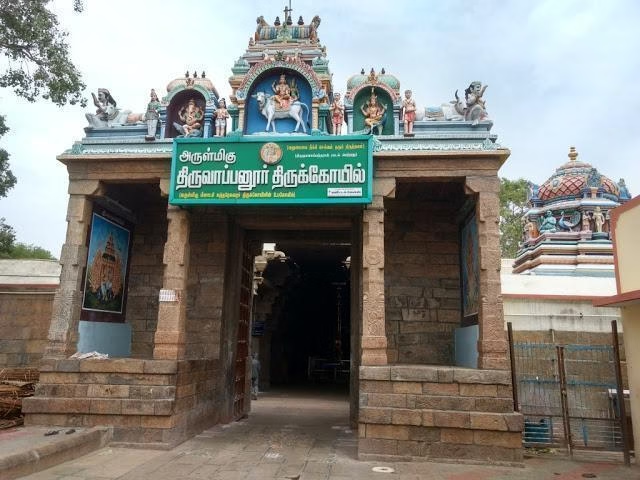
In the spiritual heart of Madurai, amidst the vibrant hum of the city, lies a sanctuary of profound antiquity and divine resonance. We invite you to explore the Aappudayar Temple (Thiru Aappanoor), a sacred site where the divine consciousness of Lord Shiva has manifested as a Swayambhu (self-manifested) Linga. This guide is crafted not merely for the traveler, but for the Bhakta seeking to walk the hallowed corridors of history and devotion.
1. Introduction & Spiritual Essence
Located in the Sellur locality of Madurai, the Aappudayar Temple is a jewel often overshadowed by the grandeur of the nearby Meenakshi Amman Temple. However, its spiritual potency is immense. It is recognized as the 246th Devaram Padal Petra Shiva Sthalam and the 2nd Sthalam in the Pandya Nadu region.
The Deity: Aappudayar
The primary deity is Lord Aappudayar (also worshipped as Rishabeswarar, Idapureesar, and Anna Lingeswarar). Here, the Lord is a Swayambhu Murti (self-originated) in the form of a Linga. The presiding deity is revered as the fulfillment of vows, particularly for those facing adverse astrological influences.
Phalaśruti: Why Devotees Visit
According to scriptural promises, a visit to this temple grants specific spiritual benefits:
- Cleansing Ancestral Karma: Performing rituals here is believed to alleviate Pitru Dosha and bring peace to ancestors.
- Resolution of Sevvai Dosham: Devotees facing the adverse effects of the planet Mars (Sevvai) pray to Lord Muruga here to find stability and courage.
- Prosperity and Abundance: As a temple rooted in the legend of Anna Lingeswarar (Lord of Food), it is a powerful center for attracting material and spiritual nourishment.
2. Historical Origins & Scriptural Legend
While the precise dating of the original structure is difficult due to centuries of renovation, the temple bears the architectural stamps of the Pandya and Nayak dynasties. It is maintained by the Madurai Meenakshi Temple Administration, ensuring the preservation of its rituals.
The Sthala Purana: The Legend of the Wooden Linga
The Thiruvilaiyadal Puranam (divine play of Shiva) recounts the origin of the name “Aappanoor.”
The Tale of King Cholandhagan: Once, a pious Pandya king went hunting but failed to catch any game. Weak and famished, he longed to perform his daily puja. Without a proper Linga, a wise minister fixed a wooden stake (Aappu) into the ground. The king worshipped this makeshift symbol and ate his meal. When he later realized it was mere wood, he cried out to Shiva. Miraculously, the wooden stake transformed into a divine Linga—Lord Aappudayar.
The Legend of Anna Lingeswarar
During the reign of King Suguna Pandya, a famine struck the land. A loyal priest continued to offer food to the deity despite the scarcity. When villagers accused him of wasting grain, he prayed for divine intervention. Lord Shiva guided the priest on a Rishaba (bull) to this location. There, the Lord turned the sands of the Vaigai River into rice (Anna) for the offering. Hence, the Lord here is revered as Anna Lingeswarar (The Lord who consumes food) and Idapureesar (Lord who stopped on the Rishaba).
The Punyasenam Story: It is also said that a sage named Punyasenam worshipped here to gain the wealth of Kubera. Though he received the boon, his arrogance led to his downfall. Upon sincere repentance, Lord Aappudayar restored him as Kubera, the guardian of wealth.
3. Architectural Marvels
The temple exemplifies the classic Dravidian style of architecture. Though modest in scale compared to the mega-temples of Madurai, it features intricate sculptural details and a Vastu-compliant layout.
Key Architectural Features
- The Sanctum (Garbhagriha): The inner sanctum houses the Rishabeswarar Linga, which faces east. The base of the Linga is unique, said to resemble the wooden stake from the origin story.
- Shikhara: The tower above the sanctum follows the Dravidian Shikhara style, adorned with Murthi Sikharas (miniature spires).
- Mandapas: The temple features a series of pillared Mandapas (halls) used for religious discourses and ritual footwork. The pillars depict scenes from Shiva’s cosmic dances.
- Mother Goddess: The shrine for Kuravankamazhum Kuzhalammai (Mother Suganda Kundalambal) is located to the south of the main sanctum.
Note on Preservation: The temple is protected under the maintenance of the Madurai District Temple Authority, ensuring the preservation of its mural paintings and stonework.
4. Darshan & Ritual Logistics
To facilitate a seamless spiritual experience, we have outlined the daily schedule and key offerings. Please note that timings are subject to change during festivals.
Daily Timings
| Session | Timings |
|---|---|
| Morning Darshan | 6:00 AM – 11:00 AM |
| Midday Closure | 11:00 AM – 5:00 PM |
| Evening Darshan | 5:00 PM – 8:00 PM |
Key Sevas & Offerings
- Abhishekam: Performed daily. Devotees offer milk, honey, and sandalwood paste. The Anna Abhishekam (rice offering) is highly auspicious on Mondays.
- Archana: Devotees seeking relief from Sevvai Dosham (Mars affliction) often perform Archana with Vilwa (Bilva) leaves.
- Special Vastras: Offering new clothes to the deity is a common practice for wish fulfillment.
Online Seva Booking
As of 2026, Aappudayar Temple operates under the Madurai Meenakshi Temple Administration. Standard pujas are performed at the temple counter. However, for remote blessings, you may visit the official portal:
Madurai Meenakshi Temple Administration (MTTA) Portal to check for centralized seva listings for sub-temples.
2026 Festival Calendar
The temple vibrates with energy during the following auspicious periods:
- Month of Masi (Feb-Mar): Brahmmotsavam (10-day grand festival).
- Panguni Uthiram (Mar-Apr): A significant event where the idols of Meenakshi and Sundareswarar from the main Madurai temple visit Aappudayar Temple on a Rishaba Vahanam.
- Karthikai Mondays (Nov-Dec): Deepa Darshan (lamp lighting) throughout the month.
- Margazhi Festival (Dec-Jan): 10-day Thiruvanandal recital.
5. Practical Visitor Guidance
To ensure your visit is respectful and comfortable, please observe the following guidelines:
Etiquette & Rules
- Dress Code: Traditional attire is mandatory. Men should wear Dhoti or trousers with a shirt; women should wear Saree, Salwar Kameez, or full-length skirts.
- Photography: Strictly prohibited inside the Sanctum Sanctorum. Photography in the outer Mandapas may be permitted, but seek permission from the temple staff.
- Mobile Phones: Use of phones inside the inner praharam (circumambulation path) is discouraged. Dedicated lockers are available at the entrance near the ticket counter.
Crowd Management & Seasonal Advice
- Best Time to Visit: Weekday mornings (6:30 AM – 8:00 AM) offer the calmest darshan experience.
- Summer (May-June): Madurai is hot. Carry a reusable water bottle and a head covering (scarf/towel). The temple queue management is efficient, but patience is advised.
- Accessibility: The temple has ramps for wheelchair access in the outer areas. However, the inner sanctum has stone steps.
6. Pilgrimage Connectivity
Aappudayar Temple is strategically located in Sellur, making it highly accessible for pilgrims touring Madurai.
How to Reach
By Road:
- The temple is approximately 750 meters from Simmakkal Bus Stop and 900 meters from Goripalayam Bus Stop.
- NH 38 (Madurai-Theni Road) connects you to the temple via the Goripalayam junction.
- City buses from Periyar Bus Stand (Mattuthavani) frequently pass via Thiruvedagam and Sellur.
By Train:
- Madurai Junction (MDU): Located roughly 3 km away. Auto-rickshaws and cabs are available at the station.
By Air:
- Madurai International Airport (IXM): Located approximately 13 km from the temple. Pre-paid taxis and app-based cabs (Uber/Ola) are the most convenient options.
Nearby Sacred Sites
Plan a divine circuit by visiting these landmarks within 2-5 km of Aappudayar Temple:
- Meenakshi Amman Temple (2 km): The world-renowned center of Shakti worship.
- Goripalayam Mosque (1 km): A historic site of religious harmony.
- Thiruparankundram Murugan Temple (10 km): One of the six abodes of Lord Muruga.
7. Frequently Asked Questions (FAQs)
Is there a VIP Darshan entry at Aappudayar Temple?
Given the temple’s moderate size, there is no separate VIP ticket. However, special entry is often granted to senior citizens and persons with disabilities upon request at the temple office.
Where can I park my vehicle?
The temple has a small designated parking area for two-wheelers. For cars, it is advisable to park at the designated pay-and-park zones near Simmakkal or Goripalayam and walk the remaining distance.
What is the significance of the “Aappu” in this temple?
The term “Aappu” refers to the wooden stake used by the Pandya king for worship. It signifies the formless nature of Shiva, who accepts sincere devotion regardless of the vessel of worship.
Are there dining facilities nearby?
Yes, the Sellur and Simmakkal areas are famous for local eateries. Additionally, the Annadhanam scheme is often active during festivals near the temple premises.
Is the temple open on all days?
Yes, it remains open daily from 6 AM to 8 PM, barring rare occasions of local renovation or specific festivals.
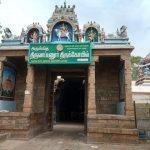
Photo Gallery






Contact Details
Aappudayar Temple
Thiru Aappanoor
Sellur – 625 002
Madurai District
- Phone: +91 452 253 0173
- Mobile: +91 94436 76174
Recent Posts

Shri Kaamkoteeshwar Mandir, Varanasi – History & Significance
In the heart of Kashi, the eternal city of Lord Shiva, where the Ganges flows with celestial grace, stands the Shri Kaamkoteeshwar Mandir. This sacred Sannidhi is not merely a temple but a profound spiritual bridge between the Northern…

ओ सांवरे तूने ही मुझको संभाला – Lyrics & Meaning
ओ सांवरे तूने ही मुझको संभाला – A Prayer to Shyam Origin & Spiritual Essence Why This Bhajan Resonates Devotees chant this when overwhelmed by life’s storms—the refrain ‘तूने ही मुझको संभाला’ is the soul’s sigh of relief: “You…

कथा ये है महाराज मेरे की – Lyrics & Meaning
कथा ये है महाराज मेरे की छत्रपति संभाजी महाराज – A Prayer to Chhatrapati Sambhaji Maharaj Origin & Spiritual Essence Why This Bhajan Resonates Devotees chant this when their spirit feels tested—its powerful refrain “महाराज मेरे” is a soul’s…

Rigveda Samhita Yathartha Anuvada (ऋग्वेद संहिता यथार्थ अनुवाद) – Complete Set with Anvayartha & Hindi/English Translation
The Rigveda is the oldest surviving scripture of humanity and the foundational text of Sanātana Dharma. For serious students, scholars, UPSC aspirants studying ancient Indian history, Sanskrit learners, and spiritual seekers, a precise and grammatically structured translation is indispensable.…

आना भी अकेला है जाना भी अकेला है – Lyrics & Meaning | BharatTemples
आना भी अकेला है जाना भी अकेला है – A Prayer to the Divine Witness Origin & Spiritual Essence Why This Bhajan Resonates Devotees turn to this bhajan in moments of deep reflection—when life’s attachments begin to ache. The…

माता शेरावाली के द्वार जो भी जाता है – Lyrics & Meaning
माता शेरावाली के द्वार जो भी जाता है – A Prayer to Maa Sherawali Origin & Spiritual Essence Why This Bhajan Resonates Devotees turn to this bhajan in times of fear or uncertainty—its promise that no one leaves Maa’s…

मार लेना सपणी उबार लेणा भवरा – Lyrics & Meaning
मार लेना सपणी उबार लेणा भवरा – A Prayer to the Divine Beloved Origin & Spiritual Essence Why This Bhajan Resonates Devotees chant this in moments of deep vulnerability—its cry of “मार लेना सपणी, उबार लेणा भवरा” is the…

हमें श्याम सुंदर भरोसा तुम्हारा – Lyrics & Meaning
हमें श्याम सुंदर भरोसा तुम्हारा – A Prayer to Shyam Sundar Origin & Spiritual Essence Why This Bhajan Resonates Devotees chant this when feeling alone—its refrain ‘de do sahara’ is the soul’s cry for divine support. Lyrics in Hindi…

Mere Satguru Ne Di Thi Davai Lyrics in Hindi & Meaning
Mere Satguru Ne Di Thi Davai: Invoking the Guru’s Liberating Wisdom This soul-stirring bhajan venerates the Satguru (True Spiritual Master) as the divine physician who dispenses the only remedy for life’s deepest sufferings. Composed by Sant Karmaveer Tufani, it…

Janm Diyo Thari Maa Dukh Dekhiyo Lyrics in Hindi & Meaning
जन्म दियो थारी माँ दुख देखियो (Maa’s Grief Upon Birthing You) This soul-stirring Chetavani Bhajan (admonitory hymn) is addressed to the Divine Mother (Maa) – a call for repentance when children forget their filial duties in the dark age…