

Contents
Introduction & Spiritual Essence of Kalahasteeswara
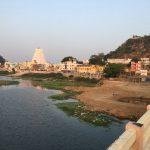
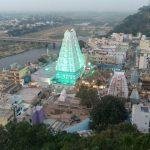
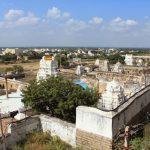
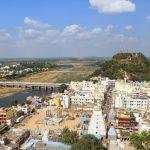
Nestled on the banks of the Swarnamukhi River in Chittoor district, the Kalahasteeswara Swamy Temple stands as a monumental testament to South Indian devotion. This temple is not merely a structure of stone but a living energy center, revered as one of the Pancha Bootha Sthalams. Here, Lord Shiva manifests as the Vayu Linga (the element of Air).
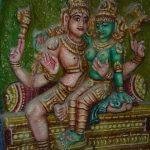
The primary deity is Sri Kalahasteeswara (a Swayambhu idol), worshipped alongside Gnanaparasunambikai (Parvathi). The name “Srikalahasti” itself is derived from the legend of a Spider (Sri), a Snake (Kala), and an Elephant (Hasti), whose unwavering devotion led to their liberation (Mukthi). This temple is famously known as the Dakshina Kasi and is the premier Rahu-Ketu Kshetra.
Phalaśruti: Why Visit?
Devotees flock here for specific spiritual benefits:
- Removal of Doshas: It is the most potent site for neutralizing Rahu-Ketu Sarpa Dosha and Kala Sarpa Dosha.
- Ancestral Karma: Performing rituals here is believed to cleanse ancestral sins and ensure peace for departed souls.
- Relief from Afflictions: Those facing prolonged illness, financial stagnation, or marital obstacles seek the grace of Kalahasteeswara.
Historical Origins & Scriptural Legend
According to historical records and temple architecture, the inner sanctum (Garbhagudi) dates back to the 5th century, while the majestic outer structure and gopurams were expanded significantly by the Chola Dynasty (12th century) and later by the Vijayanagara rulers (16th century).
The Sthala Purana
Tradition holds that three devotees—a spider (Sri), a serpent (Kala), and an elephant (Hasti)—worshipped the Vayu Linga independently. The spider wove webs to protect the Linga from dust; the elephant sprayed water to clean it; the serpent adorned it with a precious gem. To resolve their conflict, Lord Shiva appeared and granted Moksha to all three. The Linga bears the scars of this devotion: spider webs, serpent hoods, and elephant tusks are eternally engraved at its base.
Scriptural References
The temple is glorified in the Thevaram hymns by Tamil Saivite Nayanar Sundarar. It is one of the 275 Paadal Petra Sthalams. Sage Bharadwaja performed penance here, which is why only those of the Bharadwaja Gothram are traditionally appointed as Archakas.
Architectural Marvels
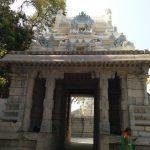
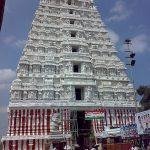
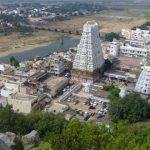
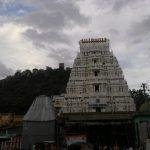
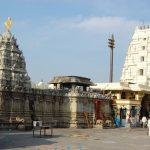
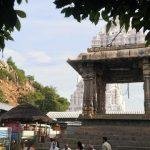
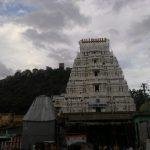
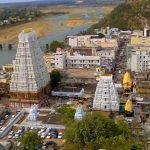
The temple showcases the grandeur of Dravidian Architecture. The towering Rajagopuram (entrance tower) greets devotees with intricate carvings. The inner sanctum is designed to prevent the elephant from extending its trunk to the Linga, a structural nod to the legend.
Unique Features
- The Flickering Lamp: Inside the sanctum, a constant flame flickers violently despite the absence of wind drafts—a divine mystery.
- Avudayar: Unlike other temples, Vibhuti (sacred ash) is not applied to the main Linga here. Instead, Abhishekam is performed on the pedestal (Avudayar) with water mixed with Pachai Karpooram (camphor).
- Manikarnika Gattam: A mandap carved out of the hill where it is believed Lord Shiva whispered the Tharaka Mantra to a devotee, similar to Kashi.
Darshan & Ritual Logistics (2026 Schedule)
The temple follows strict Saivite Agamas. Rituals are performed four times daily.
Daily Pooja Timings
| Pooja / Seva | Timings | Notes |
| Suprabatham | 5:30 AM | Awakening of the Deity |
| Sarvadarshanam | 6:00 AM – 12:00 PM | General Public Darshan |
| Pradhama Kala Abhishekam | 7:30 AM | First Anointing Ritual |
| Ucchi Kala Abhishekam | 10:30 AM | Noon Ritual |
| Sayarakshai (Evening) | 5:00 PM – 7:45 PM | Evening Darshan |
| Ekantha Seva | 9:00 PM | Closing Ritual |
Key Sevas & Online Booking
- Rahu-Ketu Sarpa Dosha Nivarana Pooja: The primary attraction. Performed during Rahu Kalam on specific days.
- Abhishekam: Performed with water mixed with Pachai Karpooram. Only the pedestal receives external items; the Linga itself is not touched.
- Online Booking: Devotees can book Sevas via the official Andhra Pradesh Endowments Department website (ttdsevaonline.com) or the temple administration portal. Booking usually opens 60 days in advance.
Major Festivals in 2026
- Maha Shivaratri (Feb 26, 2026): The most significant event. A 13-day Brahmotsavam is conducted. The 5th day (Masa Magham) coincides with Maha Shivaratri. Special Theppotsavam (float festival) is held in the temple tank.
- Arudra Darshanam (January 2026): Celebrates the cosmic dance of Nataraja.
- Karthigai Deepam (November 2026): Lighting of the holy lamp.
- Nandi Seva & Lingodbhavam: Specific rituals performed during Brahmotsavam.
Practical Visitor Guidance
To ensure a smooth pilgrimage experience, adhere to the following guidelines:
Rules & Etiquette
- Dress Code: Traditional attire is mandatory. Men: Dhoti or Pants with Shirt. Women: Saree, Salwar Kameez, or Chudithar.
- Photography: Strictly prohibited inside the Sanctum Sanctorum. Mobile phones must be silenced.
- Locker Facilities: Free and paid lockers are available near the temple entrance for electronics and leather items, as these are not allowed inside.
- Accessibility: The inner pathways are narrow and unpaved. Those with mobility issues should request wheelchair assistance from the information desk.
Crowd Management
- Best Hours: Visit between 6:00 AM – 7:30 AM for a peaceful darshan, or between 2:00 PM – 4:00 PM (post-lunch lull).
- Peak Seasons: Avoid Shivaratri and Karthigai months unless you have pre-booked special darshan tickets. Expect queues exceeding 4 hours during these times.
- Seasonal Advice: Summers (April–June) are extremely hot; carry water and a head covering. Monsoons (July–Sept) bring humidity; light cottons are recommended.
Pilgrimage Connectivity
How to Reach
- By Air: Tirupati Airport (TIR) is the nearest (approx. 26 km). Alternatively, Chennai International Airport (MAA) is 135 km away (3-hour drive).
- By Train: Srikalahasti Railway Station (SKI) is 4 km from the temple. It lies on the Gudur-Katpadi branch line. TTD runs free shuttle buses from the station to the temple.
- By Road: Located on NH 71 and connected via State Highway 59. APSRTC runs frequent buses from Tirupati (37 km) and Chennai. Private taxis are available from Tirupati railway station and bus stand.
Nearby Sacred Sites
- Kanipakam Vinayaka Temple: 12 km away. Famous for the self-manifested Ganesha idol.
- Tirumala Venkateswara Temple: 37 km away. The abode of Lord Vishnu.
- Chandragiri Fort: 15 km away. A historical fort with Raja Mahal and Rani Mahal.
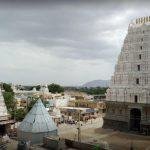
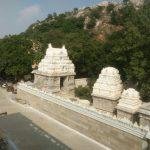
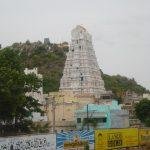
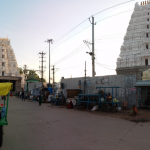
Photo Gallery




Frequently Asked Questions (FAQ)
1. Is there a VIP Darshan entry available?
Yes, the temple administration offers Special Entry Darshan tickets. These can be purchased online via the TTD portal or at the counters located near the main entrance. Prices vary based on the season and specific Seva.
2. Can I perform Rahu-Ketu Pooja without a prior booking?
While offline tokens are available, it is highly recommended to book the Rahu-Ketu Sarpa Dosha Nivarana Pooja online at least 30 days in advance due to high demand. Slots are limited to 5 devotees per batch.
3. What is the significance of the hanging lamp?
The hanging lamp in the inner sanctum flickers continuously despite no visible air current. Devotees believe this indicates the presence of Lord Vayu (Wind God) permanently residing in the Linga.
4. Is Non-Veg food allowed in the town?
Srikalahasti is a holy town. Alcohol and non-vegetarian food are strictly prohibited within the town limits. Devotees are advised to consume only vegetarian food available at the temple’s Annadanam hall or nearby restaurants.
5. What is the best way to cover Tirupati and Srikalahasti in one trip?
Since the towns are only 37 km apart, a 2-day itinerary is ideal. Visit Tirumala on Day 1 and Srikalahasti on Day 2. APSRTC runs ‘Dharma Darshan’ buses connecting both shrines directly.
Recent Posts

Shri Kaamkoteeshwar Mandir, Varanasi – History & Significance
In the heart of Kashi, the eternal city of Lord Shiva, where the Ganges flows with celestial grace, stands the Shri Kaamkoteeshwar Mandir. This sacred Sannidhi is not merely a temple but a profound spiritual bridge between the Northern…

ओ सांवरे तूने ही मुझको संभाला – Lyrics & Meaning
ओ सांवरे तूने ही मुझको संभाला – A Prayer to Shyam Origin & Spiritual Essence Why This Bhajan Resonates Devotees chant this when overwhelmed by life’s storms—the refrain ‘तूने ही मुझको संभाला’ is the soul’s sigh of relief: “You…

कथा ये है महाराज मेरे की – Lyrics & Meaning
कथा ये है महाराज मेरे की छत्रपति संभाजी महाराज – A Prayer to Chhatrapati Sambhaji Maharaj Origin & Spiritual Essence Why This Bhajan Resonates Devotees chant this when their spirit feels tested—its powerful refrain “महाराज मेरे” is a soul’s…

Rigveda Samhita Yathartha Anuvada (ऋग्वेद संहिता यथार्थ अनुवाद) – Complete Set with Anvayartha & Hindi/English Translation
The Rigveda is the oldest surviving scripture of humanity and the foundational text of Sanātana Dharma. For serious students, scholars, UPSC aspirants studying ancient Indian history, Sanskrit learners, and spiritual seekers, a precise and grammatically structured translation is indispensable.…

आना भी अकेला है जाना भी अकेला है – Lyrics & Meaning | BharatTemples
आना भी अकेला है जाना भी अकेला है – A Prayer to the Divine Witness Origin & Spiritual Essence Why This Bhajan Resonates Devotees turn to this bhajan in moments of deep reflection—when life’s attachments begin to ache. The…

माता शेरावाली के द्वार जो भी जाता है – Lyrics & Meaning
माता शेरावाली के द्वार जो भी जाता है – A Prayer to Maa Sherawali Origin & Spiritual Essence Why This Bhajan Resonates Devotees turn to this bhajan in times of fear or uncertainty—its promise that no one leaves Maa’s…

मार लेना सपणी उबार लेणा भवरा – Lyrics & Meaning
मार लेना सपणी उबार लेणा भवरा – A Prayer to the Divine Beloved Origin & Spiritual Essence Why This Bhajan Resonates Devotees chant this in moments of deep vulnerability—its cry of “मार लेना सपणी, उबार लेणा भवरा” is the…

हमें श्याम सुंदर भरोसा तुम्हारा – Lyrics & Meaning
हमें श्याम सुंदर भरोसा तुम्हारा – A Prayer to Shyam Sundar Origin & Spiritual Essence Why This Bhajan Resonates Devotees chant this when feeling alone—its refrain ‘de do sahara’ is the soul’s cry for divine support. Lyrics in Hindi…

Mere Satguru Ne Di Thi Davai Lyrics in Hindi & Meaning
Mere Satguru Ne Di Thi Davai: Invoking the Guru’s Liberating Wisdom This soul-stirring bhajan venerates the Satguru (True Spiritual Master) as the divine physician who dispenses the only remedy for life’s deepest sufferings. Composed by Sant Karmaveer Tufani, it…

Janm Diyo Thari Maa Dukh Dekhiyo Lyrics in Hindi & Meaning
जन्म दियो थारी माँ दुख देखियो (Maa’s Grief Upon Birthing You) This soul-stirring Chetavani Bhajan (admonitory hymn) is addressed to the Divine Mother (Maa) – a call for repentance when children forget their filial duties in the dark age…