
Contents
- 1 Thiruvandeeswarar Temple: A Definitive Pilgrimage Guide
Thiruvandeeswarar Temple: A Definitive Pilgrimage Guide
By Lead Heritage Architect & SEO Strategist, BharatTemples.com
In the sacred landscape of Kanchipuram, where Dravidian heritage echoes the devotion of millennia, stands the Thiruvandeeswarar Temple in Thiruvanthavar. This ancient shrine, believed to be approximately 2,500 years old, is a profound testament to Shaivism and offers a unique spiritual atmosphere for devotees seeking parikaram (remedial measures).
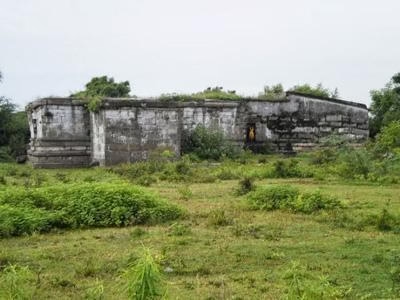
Visual Placeholder: The ancient Raja Gopuram of Thiruvandeeswarar Temple
1. Introduction & Spiritual Essence
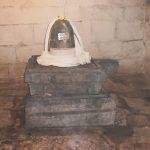
The Thiruvandeeswarar Temple is dedicated to Lord Shiva (Thiruvandeeswarar) and Goddess Parvati (Maragadambigai). The presiding deity is a Swayambhu (self-manifested) Lingam, considered one of the most potent energy centers in the region.
Phalaśruti: The Benefits of Visitation
Devotees flock to this temple not merely for blessings, but for specific spiritual remediation. The temple is renowned as a powerful center for Parikaram (redressal of afflictions).
- Mental Clarity & Growth: The temple is historically associated with granting sacred medicinal value for devotees facing low mental growth or mental ailments. The energy here is conducive to calming the mind.
- Ancestral Karmic Cleansing: The presence of a rare Brahmahatthi Dosha Nivarana idol makes this a key site for alleviating ancestral sins and doshas, similar to the famous temple at Thiruvidaimarudur.
- Marital Harmony: The Goddess, with her left foot set forward, is described as being perpetually ready to grace devotees, specifically aiding in removing obstacles to marriage.
2. Historical Origins & Scriptural Legend
According to temple records and inscriptions found within the complex, the Thiruvandeeswarar Temple was constructed approximately 2,500 years ago. While specific dynastic records (such as Chola or Pallava attributions) are being deciphered from the extensive inscriptions, the structural integrity suggests a date predating many prominent Dravidian expansions.
The Legend of the Swayambhu Lingam
Tradition holds that this area was once a dense forest of Maragatham (Emerald) trees. It is believed that Lord Shiva manifested here to bless a group of sages (Rishis) who were performing intense penance. The form of the Goddess, Maragadambigai, is symbolic of the Emerald Forest.
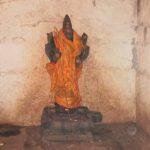
Furthermore, the temple holds a unique connection to Lord Muruga (Kartikeya). In a stunning display of ancient stone carving, the idol of Lord Muruga here is carved out of a single monolith, standing alongside his consorts Valli and Devasena.
3. Architectural Marvels
The temple showcases the grandeur of Dravidian Architecture. While the main sanctum (Garbhagriha) dates back to the earliest period of construction, the outer structures and subsidiary shrines bear the signature of later additions, likely during the Vijayanagara era.
Vastu Shastra & Layout
- Garbhagriha (Sanctum Sanctorum): Housing the Swayambhu Lingam, aligned strictly to Vastu principles to capture solar and lunar energies.
- Ardha Mandapa & Mahamandapa: The pillared hall allows for circumambulation (Pradakshina) and houses exquisite sculptures of Dvarapalas (guardian deities).
- Stone Inscriptions: The temple walls are a library of history. While many are eroded, visible inscriptions detail land grants and ritualistic rights, offering a glimpse into the socio-economic structure of ancient Tamil Nadu.
Note on Condition: As noted by heritage conservationists, the temple is currently in a dilapidated state, and efforts to restore these inscriptions are ongoing.
4. Darshan & Ritual Logistics (2026 Schedule)
To facilitate a smooth darshan experience, we have curated the essential timings and seva details. Please note that temple timings may vary during festivals.
Daily Timings
| Session | Timing |
|---|---|
| Morning Darshan | 6:00 AM – 12:00 PM |
| Afternoon Closure | 12:00 PM – 4:00 PM |
| Evening Darshan | 4:00 PM – 8:00 PM |
Key Sevas & Online Booking
- Abhishekam: Performed daily during opening hours. Ideal for seeking blessings for health.
- Archana: Individual name recitation for family well-being.
- Deepa Aradhana: Evening lamp lighting ritual.
Online Booking: While this temple is an ancient heritage site and may not have a dedicated large-scale online portal like major city temples, bookings for specific rituals can often be arranged through the Executive Officer, Kanchipuram Temple Endowment Board. For 2026, we recommend contacting the official district tourism or temple office numbers listed below prior to travel.
Major 2026 Festival Dates
- Shivaratri: February 26, 2026 (Special night-long vigil and Abhishekam).
- Arudra Darshanam: January 5, 2026 (Celebrating Lord Nataraja).
- Aadi Perukku: July 29, 2026 (River rituals and special pujas for Goddess Maragadambigai).
5. Practical Visitor Guidance
Visiting an ancient site requires specific preparation to ensure both comfort and respect for the sanctity of the temple.
Visitor Etiquette & Rules
- Dress Code: Traditional attire is mandatory. Men should wear dhotis or trousers with a shirt; women should wear sarees, salwar kameez, or long skirts. Avoid shorts and sleeveless tops.
- Photography: Photography is generally prohibited inside the Garbhagriha (inner sanctum). Outer complex photography may be permitted, but seek permission from the temple priests.
- Electronic Devices: Mobile phones are allowed but must be on silent mode. Some sections may require lockers (check at the entrance).
- Accessibility: As an ancient structure, the temple has steps and uneven flooring. It may not be fully wheelchair accessible. Please exercise caution.
Crowd Management & Seasonal Advice
- Best Hours: The Morning Session (6:00 AM – 7:30 AM) is the least crowded and offers the most serene darshan.
- Seasonal: During the summer months (April–June), temperatures in Kanchipuram exceed 35°C. Carry a water bottle, an umbrella, and wear cotton clothing. The temple is enclosed but open to the elements.
- Footwear: There is a designated footwear stand outside the temple premises. It is advisable to keep footwear simple to avoid theft.
6. Pilgrimage Connectivity
Thiruvanthavar is located in the Kanchipuram district, making it accessible via the well-connected Chengalpet-Tindivanam route.
How to Reach
- By Air: The nearest airport is Chennai International Airport (MAA), approximately 65 km away. From there, you can hire a taxi to Kanchipuram/Thiruvanthavar.
- By Rail: The closest railway junction is Chengalpattu (CGL) (approx. 20 km). Kanchipuram Railway Station is also nearby (approx. 25 km).
- By Road:
- Take the NH 32 (formerly NH 45) from Chennai towards Tindivanam.
- Alight at Mamandur (approx. 2 km from the turn-off point Pukkathurai).
- From Pukkathurai, travel 2 km on the Uthiramerur road to Natarajapuram.
- Take a right at Natarajapuram towards Sirupinayoor (4 km), leading to Thiruvanthavar.
- Local Transport: Auto-rickshaws are available from Pukkathurai or Chengalpattu. Bus Route No. 80 connects Chengalpet to Kancheepuram via this region.
Nearby Sacred Sites
Enhance your pilgrimage by visiting these nearby temples:
- Kamakshi Amman Temple (Kanchipuram): The abode of the Goddess of desire, located 25 km away.
- Ekambareswarar Temple (Kanchipuram): One of the Pancha Bhoota Stalas (Earth element), 22 km away.
- Mahabalipuram Shore Temple: A UNESCO World Heritage site (approx. 45 km).
7. Frequently Asked Questions (FAQ)
1. Is there a VIP Darshan entry?
Thiruvandeeswarar Temple is a heritage site focused on spiritual equality. While there is no formal VIP ticket system like commercial temples, arriving during the early morning opening hours provides the quickest and most peaceful darshan experience.
2. What is the significance of the “Thousand Eyes” mentioned in legends?
The phrase “Thousand eyes are not enough to witness the glory” refers to the cosmic form of Lord Shiva. In this specific temple, the idol is depicted giving darshan with his two consorts, Valli and Devasena, symbolizing the all-seeing nature of the divine.
3. Is the temple suitable for children and the elderly?
Yes, but caution is advised. The flooring is ancient and uneven. For the elderly, visiting during cooler hours and using assistance for steps is recommended. Children must be supervised as the sanctum is a restricted zone.
4. Are there accommodation facilities near the temple?
Since Thiruvanthavar is a small village, immediate accommodation is limited. We recommend staying in Kanchipuram city (20-25 km), which offers various guest houses (Chatram) and hotels managed by the temple endowment board.
5. What is the “Brahmahatthi” idol?
It is a rare sculpture found in this temple that helps devotees overcome specific astrological afflictions known as Brahmahatthi Dosham. It is a powerful remedial element for purification.



Contact Details
Official Address:
Thiruvandeeswarar Temple,
Thiruvanthavar Village,
Kanchipuram District, Tamil Nadu.
Note: Specific phone numbers for the local temple office are often not publicly listed for smaller heritage sites. Please contact the Kanchipuram Endowment Department for official inquiries.
Recent Posts

Shri Kaamkoteeshwar Mandir, Varanasi – History & Significance
In the heart of Kashi, the eternal city of Lord Shiva, where the Ganges flows with celestial grace, stands the Shri Kaamkoteeshwar Mandir. This sacred Sannidhi is not merely a temple but a profound spiritual bridge between the Northern…

ओ सांवरे तूने ही मुझको संभाला – Lyrics & Meaning
ओ सांवरे तूने ही मुझको संभाला – A Prayer to Shyam Origin & Spiritual Essence Why This Bhajan Resonates Devotees chant this when overwhelmed by life’s storms—the refrain ‘तूने ही मुझको संभाला’ is the soul’s sigh of relief: “You…

कथा ये है महाराज मेरे की – Lyrics & Meaning
कथा ये है महाराज मेरे की छत्रपति संभाजी महाराज – A Prayer to Chhatrapati Sambhaji Maharaj Origin & Spiritual Essence Why This Bhajan Resonates Devotees chant this when their spirit feels tested—its powerful refrain “महाराज मेरे” is a soul’s…

Rigveda Samhita Yathartha Anuvada (ऋग्वेद संहिता यथार्थ अनुवाद) – Complete Set with Anvayartha & Hindi/English Translation
The Rigveda is the oldest surviving scripture of humanity and the foundational text of Sanātana Dharma. For serious students, scholars, UPSC aspirants studying ancient Indian history, Sanskrit learners, and spiritual seekers, a precise and grammatically structured translation is indispensable.…

आना भी अकेला है जाना भी अकेला है – Lyrics & Meaning | BharatTemples
आना भी अकेला है जाना भी अकेला है – A Prayer to the Divine Witness Origin & Spiritual Essence Why This Bhajan Resonates Devotees turn to this bhajan in moments of deep reflection—when life’s attachments begin to ache. The…

माता शेरावाली के द्वार जो भी जाता है – Lyrics & Meaning
माता शेरावाली के द्वार जो भी जाता है – A Prayer to Maa Sherawali Origin & Spiritual Essence Why This Bhajan Resonates Devotees turn to this bhajan in times of fear or uncertainty—its promise that no one leaves Maa’s…

मार लेना सपणी उबार लेणा भवरा – Lyrics & Meaning
मार लेना सपणी उबार लेणा भवरा – A Prayer to the Divine Beloved Origin & Spiritual Essence Why This Bhajan Resonates Devotees chant this in moments of deep vulnerability—its cry of “मार लेना सपणी, उबार लेणा भवरा” is the…

हमें श्याम सुंदर भरोसा तुम्हारा – Lyrics & Meaning
हमें श्याम सुंदर भरोसा तुम्हारा – A Prayer to Shyam Sundar Origin & Spiritual Essence Why This Bhajan Resonates Devotees chant this when feeling alone—its refrain ‘de do sahara’ is the soul’s cry for divine support. Lyrics in Hindi…

Mere Satguru Ne Di Thi Davai Lyrics in Hindi & Meaning
Mere Satguru Ne Di Thi Davai: Invoking the Guru’s Liberating Wisdom This soul-stirring bhajan venerates the Satguru (True Spiritual Master) as the divine physician who dispenses the only remedy for life’s deepest sufferings. Composed by Sant Karmaveer Tufani, it…

Janm Diyo Thari Maa Dukh Dekhiyo Lyrics in Hindi & Meaning
जन्म दियो थारी माँ दुख देखियो (Maa’s Grief Upon Birthing You) This soul-stirring Chetavani Bhajan (admonitory hymn) is addressed to the Divine Mother (Maa) – a call for repentance when children forget their filial duties in the dark age…