
Contents
- 1 Somanatheswarar Temple Somangalam: A Pilgrimage Guide to the Navagraha Chandra Shrine
- 1.1 1. Introduction & Spiritual Essence
- 1.2 2. Historical Origins & Scriptural Legend
- 1.3 3. Architectural Marvels
- 1.4 4. Darshan & Ritual Logistics
- 1.5 5. Practical Visitor Guidance
- 1.6 6. Pilgrimage Connectivity
- 1.7 7. Frequently Asked Questions (FAQs)
- 1.7.1 1. What is the significance of the Moon God (Chandra) in this temple?
- 1.7.2 2. Is there a VIP darshan entry available?
- 1.7.3 3. Can I perform the Navagraha Homa here?
- 1.7.4 4. Is the temple accessible for senior citizens and disabled devotees?
- 1.7.5 5. What is the best day to visit for Chandra worship?
- 1.8 Gallery & Visual Journey
- 1.9 Contact & Support
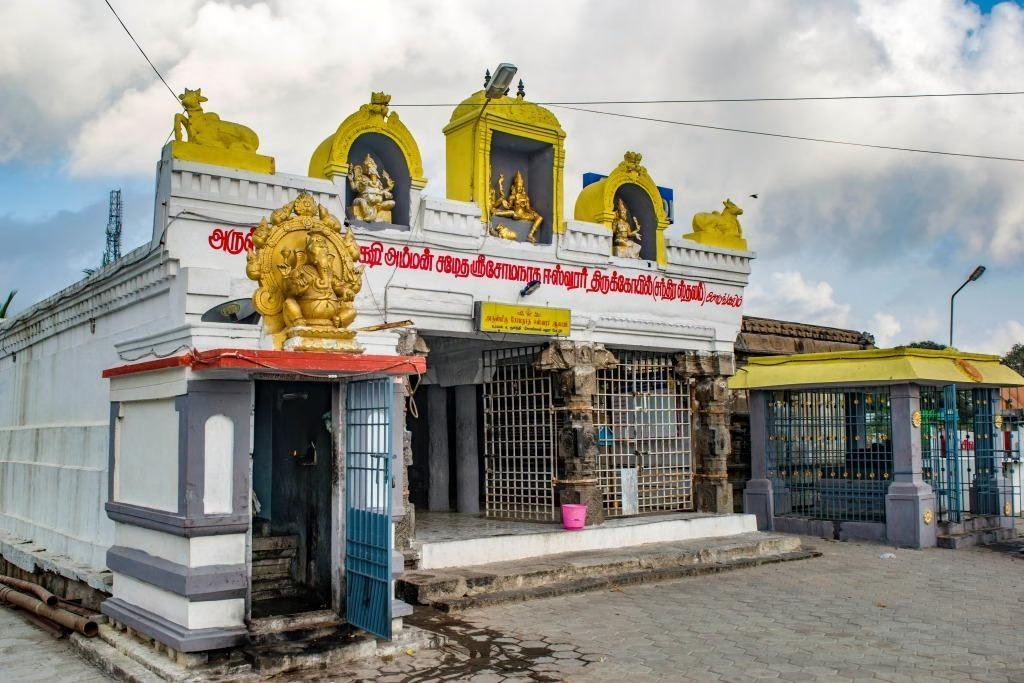
Welcome to the definitive architectural and spiritual guide to the Somanatheswarar Temple in Somangalam. Situated in the historic Kanchipuram district of Tamil Nadu, this ancient temple is not merely a place of worship but a significant center for planetary healing, specifically devoted to Sri Chandra Bhagavan (the Moon God). As we approach 2026, this guide is structured to serve devotees and heritage enthusiasts seeking the deep spiritual significance and practical logistics of visiting this sacred site.
1. Introduction & Spiritual Essence
At the heart of Somangalam, a village recognized historically as a Chaturvedimangalam (a center of Vedic learning gifted by kings to scholars), stands the Somanatheswarar Temple. The presiding deity, Somanatheswarar (a form of Lord Shiva), is revered as the healer of planetary afflictions caused by the Moon.
Why Devotees Visit: The Power of Chandra
According to Vedic astrology, the Moon governs the mind, emotions, and water elements in the human body. When Chandra is afflicted in one’s horoscope, it leads to specific challenges:
- Phalaśruti (Spiritual Benefits): Devotees worship here to cleanse ancestral karma and pacify the Moon’s negative influences.
- Specific Remedies: Those suffering from mind and water-related issues—such as chronic colds, asthma, respiratory ailments, and mental instability—find solace here. It is believed that sincere prayer to Lord Somanatheswarar blesses devotees with mental clarity, timely marriage, progeny, and a harmonious family life.
The consort deity is Kamakshi Amman, the Divine Mother representing compassion and fulfillment of desires.
2. Historical Origins & Scriptural Legend
The Legend of the Moon God
Tradition holds that this temple was constructed to honor a celestial legend involving Chandra (Moon). In Vedic mythology, Chandra was cursed by Daksha Prajapati, causing him to wane. To absolve this curse and regain his luster, Chandra worshipped Lord Shiva at various temples. Somangalam is regarded as one of the powerful sites where Chandra received the grace of Shiva, resulting in the installation of the Somanatheswarar murti.
Historical Timeline
While specific inscriptional dating is often debated among epigraphers, the temple architecture strongly suggests origins in the late Chola or early Pandya periods (circa 10th–12th century CE). The village of Somangalam itself is mentioned in Thevaram hymns, indicating its antiquity. The structure has undergone several renovations, preserving the original sanctity while strengthening the infrastructure for modern pilgrims.
3. Architectural Marvels
The Somanatheswarar Temple is a classic example of Dravidian Architecture. The layout follows the principles of Vastu Shastra, with the temple oriented strictly East-West.
The Temple Complex
- Sanctum Sanctorum (Garbhagriha): The presiding deity faces East, allowing the first rays of the sun to fall upon the Shiva Lingam.
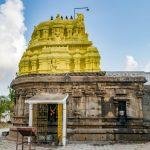
- Shikhara: The tower above the sanctum follows the Dravidian vimana style, featuring tiered structures that recede upward.
- Mandapas: The temple features a spacious Maha Mandapa and a Artha Mandapa (hall of pillars), adorned with intricate carvings of deities and mythological narratives.
- Navagraha Shrine: As a Navagraha temple, the niche housing the nine planets is strategically placed within the precincts, with Chandra occupying a position of prominence.
The pillars are carved with depictions of yalis (mythical beasts) and Nandi (the bull mount of Shiva), showcasing the artistic excellence of the era.
4. Darshan & Ritual Logistics
To ensure a smooth pilgrimage experience in 2026, we have compiled the daily schedules and ritual offerings. Note that temple timings may vary slightly during festival seasons.
Daily Darshan Timings
The temple typically remains closed between noon and late afternoon. It is highly recommended to visit during the morning hours for the best darshan experience.
| Session | Timing | Status |
|---|---|---|
| Morning Darshan | 08:00 AM – 10:00 AM | Open |
| Mid-Day Closure | 10:00 AM – 05:00 PM | Closed for Rituals |
| Evening Darshan | 05:00 PM – 07:00 PM | Open (Subject to change) |
Key Sevas & Online Booking
Devotees can perform specific Sevas to Chandra and Somanatheswarar:
- Abhishekam: Ritual bathing of the deity with milk, honey, and sandalwood paste.
- Archana: Recitation of hymns dedicated to Chandra (Chandra Gayathri) and Shiva.
- Navagraha Homam: A fire ritual performed to mitigate planetary doshas.
Online Booking: As of 2026, bookings for special Sevas can be made via the official Tamil Nadu Hindu Religious and Charitable Endowments (HRCE) website or through the temple’s administrative office. Advance booking is recommended for festival days.
Festival Calendar 2026
Mark your calendars for these auspicious dates:
- Pradosham: Occurring twice monthly (check lunar calendar; specific dates for 2026 include Jan 10, Jan 24, Feb 8, etc.).
- Shivratri: February 26, 2026 (Major celebration with night-long vigils).
- Chandra Darshanam: The first sighting of the moon after Amavasya (No Moon day) is particularly significant here.
- Argula Pradosham: Special event dedicated to the Moon God.
5. Practical Visitor Guidance
Temple Etiquette
- Dress Code: Traditional attire is mandatory. Men should wear dhotis or trousers with shirts; women should wear sarees, salwar kameez, or skirts. Please avoid shorts and t-shirts.
- Photography: Photography is generally restricted inside the sanctum sanctorum. Outside the temple complex, photography is permitted. Please respect the sanctity of the space.
- Mobile & Lockers: The temple administration provides a designated area for footwear and mobile storage. Usage of phones inside the inner sanctum is strictly prohibited.
Crowd Management & Seasonal Advice
- Best Hours: The 8:00 AM – 9:00 AM slot offers the most peaceful darshan. Evenings can be crowded, especially on Fridays (associated with the Moon).
- Seasonal Tip:
- Summer (April – June): Kanchipuram experiences high temperatures. Carry a water bottle, wear cotton clothing, and apply sunscreen while walking to the temple.
- Monsoon (Nov – Dec): Light rain gear is advisable. The courtyard may be slippery; wear rubber-soled sandals.
6. Pilgrimage Connectivity
How to Reach Somanatheswarar Temple
Somangalam is a suburb of Chennai, located approximately 35 km southwest of Chennai Central.
- By Road:
- From Tambaram: Take the road toward Kishkintha. After Kishkintha, take the left fork towards Dhanalakshmi Engineering College and proceed straight to Somangalam.
- From Kundrathur: Buses are available from the Kundrathur bus terminus directly to Somangalam (approx. 10 km).
- Highways: Connect via NH 48 (Chennai-Bangalore Highway) via the Pallavaram-Kundrathur road.
- By Rail: The nearest suburban railway station is Kundrathur or Chromepet. From there, auto-rickshaws are readily available.
- By Air: Chennai International Airport (MAA) is the nearest airport, located about 25 km away.
Nearby Sacred Sites
Extend your pilgrimage to these nearby temples:
- Mahabalipuram Shore Temple: A UNESCO World Heritage site located approx. 40 km southeast. Famous for its rock-cut architecture.
- Kamakshi Amman Temple (Kanchipuram): The head center of Shakti worship, located 25 km from Somangalam.
- Ekambareswarar Temple: One of the Pancha Bhoota Stalas (Earth element), also in Kanchipuram.
7. Frequently Asked Questions (FAQs)
1. What is the significance of the Moon God (Chandra) in this temple?
Chandra is one of the Navagrahas. Worshipping him at Somanatheswarar Temple is believed to remove afflictions related to the mind, eyes, and water balance in the body. It is also known to improve emotional stability and relationships.
2. Is there a VIP darshan entry available?
While there is no specific “VIP” quota, devotees who book specific Sevas (like Abhishekam) in advance usually get preferential entry during the ritual times. For general darshan, all devotees are treated equally.
Yes, Navagraha Homams are conducted regularly. However, it is strictly recommended to book this at least 24 hours in advance through the temple office to arrange for the necessary priests and materials.
4. Is the temple accessible for senior citizens and disabled devotees?
The inner sanctum requires climbing a few steps. However, the temple authorities have made provisions for wheelchair access to the outer mandapas. Please contact the office for assistance with carrying elderly devotees into the sanctum.
5. What is the best day to visit for Chandra worship?
Monday is generally dedicated to Lord Shiva, and Friday is associated with the Moon. Visiting on a Monday evening or during the Pradosham hours is considered highly auspicious.
Gallery & Visual Journey
Explore the intricate carvings and spiritual ambiance of the temple through our curated gallery.


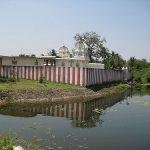

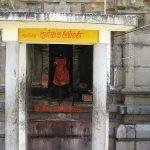
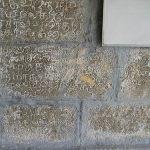
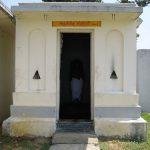

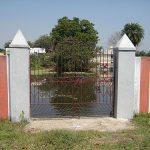
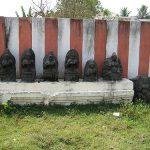
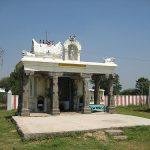
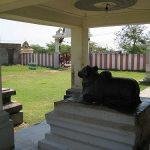
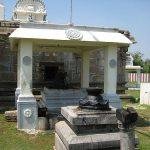
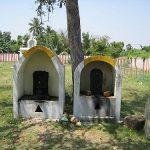
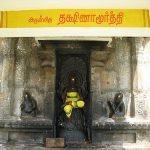
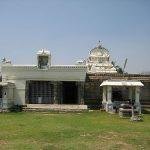

![03072011177[3], Somanatheswarar Temple, Somangalam, Kanchipuram](https://www.bharattemples.com/wp-content/uploads/bt/2018/07/030720111773-150x150.jpg)
![03072011185[3], Somanatheswarar Temple, Somangalam, Kanchipuram](https://www.bharattemples.com/wp-content/uploads/bt/2018/07/030720111853-150x150.jpg)
Contact & Support
For inquiries regarding rituals, timings, or donations:
Somanatheswarar Temple OfficeSomangalam, Kanchipuram District, Tamil Nadu
Phone: +91 – 44 – 2717 8330
Email: [Insert Official Email if available]
Website: tamilnadutourism.tn.gov.in
Recent Posts

Shri Kaamkoteeshwar Mandir, Varanasi – History & Significance
In the heart of Kashi, the eternal city of Lord Shiva, where the Ganges flows with celestial grace, stands the Shri Kaamkoteeshwar Mandir. This sacred Sannidhi is not merely a temple but a profound spiritual bridge between the Northern…

ओ सांवरे तूने ही मुझको संभाला – Lyrics & Meaning
ओ सांवरे तूने ही मुझको संभाला – A Prayer to Shyam Origin & Spiritual Essence Why This Bhajan Resonates Devotees chant this when overwhelmed by life’s storms—the refrain ‘तूने ही मुझको संभाला’ is the soul’s sigh of relief: “You…

कथा ये है महाराज मेरे की – Lyrics & Meaning
कथा ये है महाराज मेरे की छत्रपति संभाजी महाराज – A Prayer to Chhatrapati Sambhaji Maharaj Origin & Spiritual Essence Why This Bhajan Resonates Devotees chant this when their spirit feels tested—its powerful refrain “महाराज मेरे” is a soul’s…

Rigveda Samhita Yathartha Anuvada (ऋग्वेद संहिता यथार्थ अनुवाद) – Complete Set with Anvayartha & Hindi/English Translation
The Rigveda is the oldest surviving scripture of humanity and the foundational text of Sanātana Dharma. For serious students, scholars, UPSC aspirants studying ancient Indian history, Sanskrit learners, and spiritual seekers, a precise and grammatically structured translation is indispensable.…

आना भी अकेला है जाना भी अकेला है – Lyrics & Meaning | BharatTemples
आना भी अकेला है जाना भी अकेला है – A Prayer to the Divine Witness Origin & Spiritual Essence Why This Bhajan Resonates Devotees turn to this bhajan in moments of deep reflection—when life’s attachments begin to ache. The…

माता शेरावाली के द्वार जो भी जाता है – Lyrics & Meaning
माता शेरावाली के द्वार जो भी जाता है – A Prayer to Maa Sherawali Origin & Spiritual Essence Why This Bhajan Resonates Devotees turn to this bhajan in times of fear or uncertainty—its promise that no one leaves Maa’s…

मार लेना सपणी उबार लेणा भवरा – Lyrics & Meaning
मार लेना सपणी उबार लेणा भवरा – A Prayer to the Divine Beloved Origin & Spiritual Essence Why This Bhajan Resonates Devotees chant this in moments of deep vulnerability—its cry of “मार लेना सपणी, उबार लेणा भवरा” is the…

हमें श्याम सुंदर भरोसा तुम्हारा – Lyrics & Meaning
हमें श्याम सुंदर भरोसा तुम्हारा – A Prayer to Shyam Sundar Origin & Spiritual Essence Why This Bhajan Resonates Devotees chant this when feeling alone—its refrain ‘de do sahara’ is the soul’s cry for divine support. Lyrics in Hindi…

Mere Satguru Ne Di Thi Davai Lyrics in Hindi & Meaning
Mere Satguru Ne Di Thi Davai: Invoking the Guru’s Liberating Wisdom This soul-stirring bhajan venerates the Satguru (True Spiritual Master) as the divine physician who dispenses the only remedy for life’s deepest sufferings. Composed by Sant Karmaveer Tufani, it…

Janm Diyo Thari Maa Dukh Dekhiyo Lyrics in Hindi & Meaning
जन्म दियो थारी माँ दुख देखियो (Maa’s Grief Upon Birthing You) This soul-stirring Chetavani Bhajan (admonitory hymn) is addressed to the Divine Mother (Maa) – a call for repentance when children forget their filial duties in the dark age…