

Contents
Introduction & Spiritual Essence
The Shiva Vishnu Temple in Latoor, located in the Kanchipuram district of Tamil Nadu, stands as a profound testament to the Dravidian philosophy of Shaivism and Vaishnavism coexisting in harmony. This ancient shrine is unique not only for its dual dedication but for the spiritual vibration it emits, drawing devotees seeking holistic blessings.
Primary Deities & Forms:
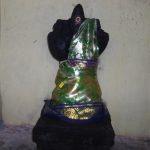
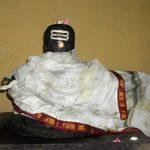
- Shiva Sannidhi: The presiding deity is known as Lord Margasagayeswarar (Swayambhu Lingam). The consort is Goddess Maragathamigai Ambal.
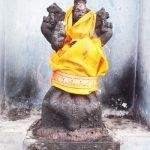
- Vishnu Sannidhi: Located adjacent to the Shiva shrine is Sri Aadhikesava Perumal, accompanied by his consorts Bhama and Rukmini.
Phalaśruti (Spiritual Benefits):
According to temple lore and local tradition, worshipping at this unique twin temple offers specific spiritual merit. Devotees believe that circumambulating (Pradakshina) the combined shrines cleanses ancestral karma. The name “Margasagayeswarar” implies the Lord who grants the path (Marga) to liberation. It is particularly revered by those seeking relief from Saturn (Shani) afflictions and by newlyweds seeking blessings for a harmonious married life, influenced by the proximity to Kanchipuram, the “City of Temples.”
Historical Origins & Scriptural Legend
While specific inscriptional evidence from a singular royal dynasty is yet to be fully cataloged by the Archaeological Survey of India (ASI), the architectural style suggests a foundation dating back to the Pallava period (8th-9th Century CE), with significant later additions or renovations during the Chola era. The structural integrity reveals layers of history common to the Kanchipuram region.
Local Legend (Sthala Purana):
Tradition holds that this sacred ground was once a dense forest of Maragatham (Emerald) trees. Local sages performed intense penance here, requesting Lord Shiva and Lord Vishnu to manifest on earth to bless humanity. Pleased by their devotion, both deities appeared simultaneously. Lord Shiva emerged as a Swayambhu Lingam under a mango tree (hence the name Maragathamigai), while Lord Vishnu manifested as Aadhikesava Perumal nearby. The presence of the temple pond (Teertham) is said to have been created by Lord Shiva’s trident to provide water for the sages.
Architectural Marvels
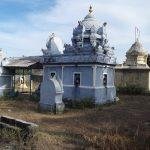
The temple exemplifies classic Dravidian architecture, characterized by towering gateways (Gopurams) and intricate sculptural details.
- Sanctum Layout: The temple is designed to facilitate the Pradakshina (circumambulation) path around the sanctum sanctorum. The Shikhara (tower) above the sanctum follows the Dravida style, distinct from the Nagara style of North India.
- Koshta Shrines: The temple features five Koshta shrines (niches) along the outer walls of the sanctum, housing deities like Dakshinamurthy, Lingodbhavar, and Brahma.
- Mandapas: A pillared Mandapa (hall) serves as the gathering space for devotees and for performing rituals. The pillars feature carvings depicting various avatars of Shiva and Vishnu.
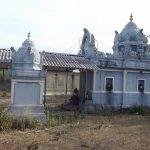
- Recent Renovation: Though historically ancient, the temple was in a dilapidated state and underwent recent renovation, restoring the Vimana and flooring, bringing back the lost luster of the granite sculptures.
Darshan & Ritual Logistics
To facilitate a smooth pilgrimage experience, the temple administration follows a structured schedule for Darshan (viewing the deity) and Seva (rituals).
Daily Timings
Note: Timings are subject to change during festivals. Devotees are advised to verify locally before travel.
| Session | Timings |
|---|---|
| Morning Darshan | 6:00 AM – 11:00 AM |
| Afternoon Break | 11:00 AM – 4:00 PM |
| Evening Darshan | 4:00 PM – 8:00 PM |
| Palliyarai Pooja (Night) | 8:00 PM – 8:30 PM |
Key Sevas & Online Booking
Devotees can participate in various rituals. While online booking systems are often integrated via the Tamil Nadu HR & CE (Hindu Religious and Charitable Endowments) department website, local booking at the temple office is usually available for immediate slots.
- Abhishekam (Holy Bathing): Performed for both Margasagayeswarar and Aadhikesava Perumal. Best time: Morning (8:00 AM – 10:00 AM).
- Archana (Recitation of Names): Available individually for both deities.
- Asthana Utsavam: A special procession of deities around the temple streets, typically performed on Fridays and festival days.
2026 Festival Calendar (Highlights):
- Arudra Darshanam: January 15, 2026 (Celebration of Nataraja form).
- Mahashivratri: February 26, 2026.
- Brahmotsavam: March 12 – March 22, 2026 (Tentative dates based on Tamil Calendar).
- Vaikunta Ekadashi: December 25, 2026.
Practical Visitor Guidance
Dress Code: Traditional attire is mandatory. Men should wear Dhoti or trousers with a shirt; women should wear saree, chudidhar, or traditional full-length attire. Western clothing is not permitted inside the sanctum.
Photography & Electronics: Photography is strictly prohibited inside the inner sanctum (Garbhagriha). Mobile phones should be kept in silent mode or switched off. There is a mobile locker facility available at the entrance for security reasons.
Crowd Management:
- Peak Hours: Saturday, Sunday, and Mondays (due to Shiva association) see higher footfall. Visit between 7:00 AM and 9:00 AM for a quicker Darshan.
- Seasonal Advice: Summers (April–June) in Kanchipuram are hot; carry a water bottle and an umbrella. Monsoons (November–January) are pleasant but check for road accessibility.
- Accessibility: The temple complex is accessible for senior citizens via wheelchair on the ground floor, though the inner sanctum involves a few steps.
Pilgrimage Connectivity
How to Reach:
The Shiva Vishnu Temple in Latoor is situated roughly 20 km from Mathuranthagam and 3 km from Pavunchur.
- By Road: The village is accessible via local state highways connecting to the Grand Southern Trunk Road (NH 48). Buses from Kanchipuram or Chengalpattu ply towards Mathuranthagam.
- Nearest Railway Station: Melmaruvathur (Approx. 16 km). Auto-rickshaws and local taxis are available from the station.
- Nearest Airport: Chennai International Airport (MAA) is approximately 75 km away (1.5 – 2 hours drive via NH).
Nearby Sacred Sites
Extend your pilgrimage by visiting these nearby spiritual centers:
- Adhiparasakthi Siddhar Peetam (Melmaruvathur): A renowned temple dedicated to the Goddess Adhiparasakthi, located just 15 km away.
- Kamakshi Amman Temple (Kanchipuram): The primary seat of the Goddess in the Kanchi region, essential for followers of Shaktism (approx. 35 km).
- Varadaraja Perumal Temple (Kanchipuram): A UNESCO heritage structure (part of Group of Monuments) dedicated to Lord Vishnu (approx. 36 km).
Photo Gallery

Frequently Asked Questions (FAQ)
1. Is there a VIP darshan entry available?
While the temple operates on a standard queuing system for general Darshan, special priority may be granted to senior citizens and physically disabled devotees. VIP tickets or paid express darshan are not explicitly maintained here but can be inquired about at the temple office for large groups.
2. What is the significance of the temple name “Margasagayeswarar”?
The name translates to “The Lord who shows the path.” It signifies Shiva as the supreme guide who liberates devotees from the cycle of Samsara (birth and death) and guides them toward Moksha (liberation).
3. Are there accommodation facilities near the temple?
Being a village temple, Latoor has limited lodging options. However, devotees can find lodges, guest houses, and choultries in Melmaruvathur (15 km) or the larger town of Kanchipuram (35 km), which offers a wide range of stays.
4. Is the temple open during eclipses?
Following traditional Tamil Nadu temple customs, the sanctum is usually closed during Surya Grahan (Solar Eclipse) and Chandra Grahan (Lunar Eclipse) and reopens after purification rituals. Travelers should check local announcements before visiting on eclipse days.
5. Can I perform ancestral rites (Tharpanam) here?
Yes, due to the strong Shiva presence and the sanctity of the temple pond (Teertham), many devotees perform rituals for their ancestors. It is advisable to bring a qualified priest or coordinate with the temple priest beforehand.
Contact Details
Official Address: Shiva Vishnu Temple, Latoor Village, via Pavunchur, Kanchipuram District, Tamil Nadu, India.
Note: As this is a village heritage temple, direct telephone contact may not be consistently available. For official inquiries, contact the Kanchipuram HR & CE District Office.
Recent Posts

Shri Kaamkoteeshwar Mandir, Varanasi – History & Significance
In the heart of Kashi, the eternal city of Lord Shiva, where the Ganges flows with celestial grace, stands the Shri Kaamkoteeshwar Mandir. This sacred Sannidhi is not merely a temple but a profound spiritual bridge between the Northern…

ओ सांवरे तूने ही मुझको संभाला – Lyrics & Meaning
ओ सांवरे तूने ही मुझको संभाला – A Prayer to Shyam Origin & Spiritual Essence Why This Bhajan Resonates Devotees chant this when overwhelmed by life’s storms—the refrain ‘तूने ही मुझको संभाला’ is the soul’s sigh of relief: “You…

कथा ये है महाराज मेरे की – Lyrics & Meaning
कथा ये है महाराज मेरे की छत्रपति संभाजी महाराज – A Prayer to Chhatrapati Sambhaji Maharaj Origin & Spiritual Essence Why This Bhajan Resonates Devotees chant this when their spirit feels tested—its powerful refrain “महाराज मेरे” is a soul’s…

Rigveda Samhita Yathartha Anuvada (ऋग्वेद संहिता यथार्थ अनुवाद) – Complete Set with Anvayartha & Hindi/English Translation
The Rigveda is the oldest surviving scripture of humanity and the foundational text of Sanātana Dharma. For serious students, scholars, UPSC aspirants studying ancient Indian history, Sanskrit learners, and spiritual seekers, a precise and grammatically structured translation is indispensable.…

आना भी अकेला है जाना भी अकेला है – Lyrics & Meaning | BharatTemples
आना भी अकेला है जाना भी अकेला है – A Prayer to the Divine Witness Origin & Spiritual Essence Why This Bhajan Resonates Devotees turn to this bhajan in moments of deep reflection—when life’s attachments begin to ache. The…

माता शेरावाली के द्वार जो भी जाता है – Lyrics & Meaning
माता शेरावाली के द्वार जो भी जाता है – A Prayer to Maa Sherawali Origin & Spiritual Essence Why This Bhajan Resonates Devotees turn to this bhajan in times of fear or uncertainty—its promise that no one leaves Maa’s…

मार लेना सपणी उबार लेणा भवरा – Lyrics & Meaning
मार लेना सपणी उबार लेणा भवरा – A Prayer to the Divine Beloved Origin & Spiritual Essence Why This Bhajan Resonates Devotees chant this in moments of deep vulnerability—its cry of “मार लेना सपणी, उबार लेणा भवरा” is the…

हमें श्याम सुंदर भरोसा तुम्हारा – Lyrics & Meaning
हमें श्याम सुंदर भरोसा तुम्हारा – A Prayer to Shyam Sundar Origin & Spiritual Essence Why This Bhajan Resonates Devotees chant this when feeling alone—its refrain ‘de do sahara’ is the soul’s cry for divine support. Lyrics in Hindi…

Mere Satguru Ne Di Thi Davai Lyrics in Hindi & Meaning
Mere Satguru Ne Di Thi Davai: Invoking the Guru’s Liberating Wisdom This soul-stirring bhajan venerates the Satguru (True Spiritual Master) as the divine physician who dispenses the only remedy for life’s deepest sufferings. Composed by Sant Karmaveer Tufani, it…

Janm Diyo Thari Maa Dukh Dekhiyo Lyrics in Hindi & Meaning
जन्म दियो थारी माँ दुख देखियो (Maa’s Grief Upon Birthing You) This soul-stirring Chetavani Bhajan (admonitory hymn) is addressed to the Divine Mother (Maa) – a call for repentance when children forget their filial duties in the dark age…