
Contents
Introduction & Spiritual Essence
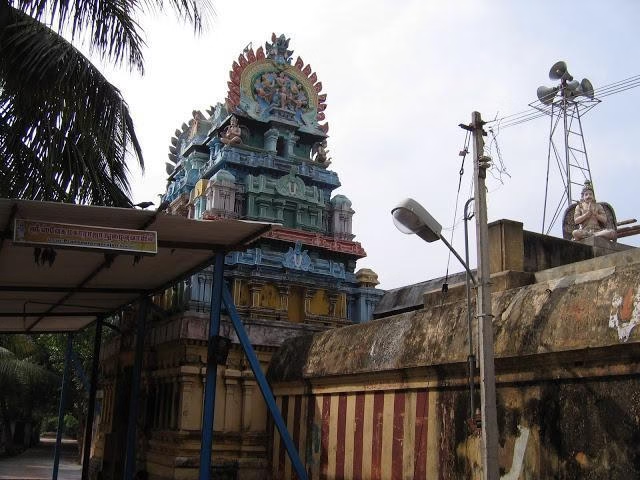
Thiruvellakkulam, prominently known as the Annan Perumal Temple, stands as a celestial beacon in the village of Thirunangur, Nagapattinam district. Dedicated to Lord Vishnu, this temple is revered as one of the 108 Divyadesams (sacred abodes) glorified in the Divya Prabandha, the collection of hymns sung by the Azhwar saints. Here, the presiding deity is worshipped as Annan Perumal (the Elder Brother), and his consort, Alarmelmangai Thaayar, shares the sanctum.
Phalaśruti (Spiritual Benefits): The temple is steeped in divine grace, specifically celebrated by the Vaishnava saint Thirumangai Alvar. Devotees believe that worshipping Annan Perumal here is equivalent to receiving the blessings of Lord Srinivasa at Tirumala. Specifically, those unable to make the pilgrimage to Tirupati find immense solace and wish fulfillment here. The temple is also a potent site for:
- Removal of Obstacles: Devotees perform Thulabharam (offering items equal to body weight) to overcome hurdles in marriage alliances and life anxieties.
- Ancestral Karma: Performing rituals here is believed to cleanse ancestral karma and grant spiritual liberation.
- Longevity: As per local lore, bathing in the temple tank and praying can extend one’s lifespan, similar to the legend of Markandeya.
Historical Origins & Scriptural Legend
The temple traces its origins to the divine chronology of the Periya Tirumoli. According to the Thirunangur Tirupathi legends, this site is one of eleven where Lord Vishnu appeared in response to a divine request from Lord Shiva.
Scriptural Narrative: Following the death of Goddess Uma due to the yagna of Daksha, Lord Shiva performed the Rudra Tandavam in fury. To pacify the chaos, Lord Vishnu manifested at Thirunangur. When Shiva requested Vishnu to appear in eleven forms to mirror his own manifestations, Vishnu obliged, establishing the sacred geography of the eleven Tirupathis.
Thirumangai Alvar Connection: This is the Avathara Sthalam (birth place) of Kumudhavalli Nachiyar, the consort of Thirumangai Alvar. It is historically and traditionally held that King Thirumangai Mannan married Kumudhavalli at this very location. It is the only Divya Desam where the Perumal and Thaayar share the exact names (Srinivasa Perumal and Alarmelmangai) as the deities in Tirupati. Tradition holds that Saint Manavala Mamunigal also received the divine darshan of the Lord here.
Architectural Marvels
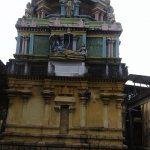
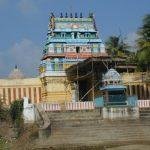
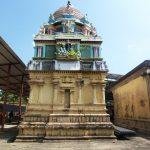
The temple is a masterpiece of the Dravidian style of architecture. While specific ASI documentation for this minor Divyadesam is often localized, the structural elements reflect the Nayak or Chola period aesthetics typical of the Nagapattinam region.
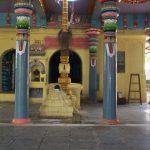
- Sanctum Structure: The Garbhagriha (sanctum) houses Annan Perumal in a standing posture, facing East. The shrine for Alarmelmangai Thaayar is adjacent, facing South.
- Special Features: Unlike Tirupati where the deity is solitary, Annan Perumal is depicted here in a combined form with the Goddess, emphasizing the temple’s marital mythology.
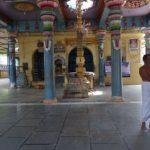
- Iconography: The temple features intricate sculptures depicting the episodes of Thirumangai Alvar’s life and the cosmic dance of Shiva. The Mandapa (hall) contains pillars that echo the musical architecture of ancient Dravidian temples.
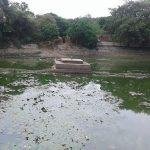
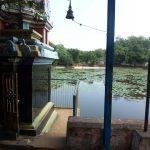
- The Temple Tank: Known as Swetha Pushkarani, this sacred water body is central to the temple’s rituals. Devotees perform ablutions here before entering the sanctum.
Darshan & Ritual Logistics
The temple follows a strict schedule of Vedic rituals. The priests, belonging to the Vaishnavaite community, perform Pooja with deep adherence to Agama Shastra.
Daily Darshan Timings
| Session | Timing | Ritual Activity |
|---|---|---|
| Morning | 08:00 AM – 10:00 AM | Ushathkalam & Kalasanthi (Opening & Mid-morning Pooja) |
| Afternoon | Closed | Temple remains closed |
| Evening | 05:00 PM – 07:00 PM | Sayarakshai & Ardha Jamam (Evening & Closing Pooja) |
Seva Offerings & Booking
Devotees can participate in the following rituals:
- Abhishekam: Performed to the processional deity (Utsava Murthy).
- Archana: Recitation of the Divya Prabandham and specific Vedic mantras.
- Thulabharam: As mentioned in the Phalaśruti, this is a highly recommended offering here for life stability.
Online Booking: While the temple is a smaller Divyadesam, standard darshan can be obtained in person. For specific Utsavams or VIP entry, contacting the temple administration via the phone numbers provided below is recommended.
2026 Festival Calendar (Tamil Calendar)
Assuming the current year is 2026, the following major festivals are celebrated:
- Thai Month (Jan/Feb): Thirumangai Azhwar Mangalasasana Utsavam. This is the grand annual festival. The highlight is the Garuda Vahana Sevai, where processional deities from all 11 Thirunangur temples are brought together on mounts designed like Garuda.
- Phala Month (Nov/Dec): Kaisika Ekadesi. A unique festival dedicated to the Divyadesams involving the recitation of the Namperumal Pasurams.
- Purattasi (Sep/Oct): Brahmotsavam (Annual Festival). Includes the Hamsa Vahana procession.
Practical Visitor Guidance
Ensuring a smooth darshan experience requires preparation, especially given the rural setting of Thirunangur.
Code of Conduct
- Dress Code: Traditional attire is mandatory. Men should wear Dhoti or trousers with a shirt; Women should wear Saree, Half-Saree, or Churidar. Western clothing (shorts, skirts) is strictly prohibited.
- Photography: Photography is strictly prohibited inside the sanctum sanctorum. It is permitted in the outer prakaram (corridor) without flash.
- Electronics: Mobile phones should be switched to silent mode. Many temples in this region offer mobile lockers or recommend keeping devices in vehicles.
- Accessibility: The temple has a single level; however, elderly devotees may require assistance on the steps at the entrance. Wheelchair access is limited due to the heritage nature of the structure.
Crowd Management & Seasons
- Best Time to Visit: Weekdays are generally quieter than weekends. The early morning slot (8:00 AM) is ideal for a peaceful darshan.
- Seasonal Advice:
- Summer (May – July): The coastal region of Nagapattinam experiences high humidity. Carry a water bottle and an umbrella. Note: Do not carry plastic bottles inside; dispose of them outside.
- Monsoon (Oct – Dec): Thirunangur is prone to heavy rainfall. Check weather advisories for the Nagapattinam district before traveling.
- Peak Festival Days: During the Thai month (Jan/Feb) and Brahmotsavam, expect significant crowds. Arrive at least 1 hour before the scheduled opening time.
Pilgrimage Connectivity
The temple is located in the religious circuit of Thirunangur Tirupathis, making it accessible via Sirkazhi.
How to Reach
- By Road: The temple is situated on the Sirkazhi – Nagapattinam State Highway. Travelers from Chennai or Mayavaram (Mayiladuthurai) take the NH 32 and branch off towards Sirkazhi. The village of Thirunangur is approximately 8 km from Sirkazhi.
Tip: Look for the ‘Annan Koil’ bus stop. Auto-rickshaws are available from Sirkazhi bus stand/railway station. - By Train: The nearest major railway junction is Sirkazhi (approx. 8 km). Nagapattinam Junction (approx. 30 km) is the next option for longer-distance trains. From these stations, local transport is easily available.
- By Air: The nearest airport is Tiruchirappalli International Airport (TRZ), located approximately 145 km away. From Trichy, one can hire a taxi or take a bus to Sirkazhi.
Nearby Sacred Sites (Tirthas)
Since Thirunangur houses 11 Divyadesams, visitors are encouraged to explore the circuit:
- Sri Kudamaadu Koothan Temple: Located within Thirunangur, this is another Divyadesam dedicated to Vishnu in a sitting posture.
- Thiruvali-Thirunagari (Mannargudi): The birthplace of Thirumangai Alvar (approx. 15 km away). This complex is historically linked to Thiruvellakkulam.
- Sirkazhi Bhramapureeswarar Temple: A major Shiva temple located nearby, highlighting the syncretic spiritual heritage of the region.
Frequently Asked Questions (FAQs)
1. Is there a VIP Darshan entry at Annan Perumal Temple?
The temple is a small Divyadesam where entry is generally equal for all devotees. However, during major festivals like Garuda Vahana Sevai, priority access is given to those who have booked special tickets for the Mandapa seating. Check with the temple executive officer (EO) upon arrival.
2. Can I offer Thulabharam for a specific wish?
Yes. Thulabharam is a prominent ritual here. Devotees offer rice, jaggery, or sugar equal to their body weight to overcome obstacles in marriage, health, and prosperity. It is advisable to inform the priest beforehand to arrange the scale and offerings.
3. Is this temple the same as Tirupati?
No, this is a distinct temple in Tamil Nadu. However, it is considered a Varakshetram (divine substitute) for Tirupati. The deity is referred to as Annan (Elder Brother) of Lord Tirupati. Devotees believe that offering prayers here fulfills the same spiritual merits as visiting Tirupati, especially for those unable to travel to Andhra Pradesh.
4. Where can I stay near the temple?
Thirunangur is a small village with limited lodging. The best accommodation options are in Sirkazhi (8 km) or the larger temple town of Mayiladuthurai (20 km), which has multiple hotels and guest houses.
5. What are the contact details for the temple office?
The temple administration can be reached at the following numbers (subject to change):
Phone: +91-4364-266534 / 266443 / 266542
Mobile: 954364-266534 / 9443679303 / 9443985899 / 94898 56554
Note for Pilgrims: While every effort is made to ensure accuracy, temple timings and rituals are subject to change based on local administrative orders and festival calendars. Please verify timings with the temple office before planning your visit.
Photo Gallery




Recent Posts

Shri Kaamkoteeshwar Mandir, Varanasi – History & Significance
In the heart of Kashi, the eternal city of Lord Shiva, where the Ganges flows with celestial grace, stands the Shri Kaamkoteeshwar Mandir. This sacred Sannidhi is not merely a temple but a profound spiritual bridge between the Northern…

ओ सांवरे तूने ही मुझको संभाला – Lyrics & Meaning
ओ सांवरे तूने ही मुझको संभाला – A Prayer to Shyam Origin & Spiritual Essence Why This Bhajan Resonates Devotees chant this when overwhelmed by life’s storms—the refrain ‘तूने ही मुझको संभाला’ is the soul’s sigh of relief: “You…

कथा ये है महाराज मेरे की – Lyrics & Meaning
कथा ये है महाराज मेरे की छत्रपति संभाजी महाराज – A Prayer to Chhatrapati Sambhaji Maharaj Origin & Spiritual Essence Why This Bhajan Resonates Devotees chant this when their spirit feels tested—its powerful refrain “महाराज मेरे” is a soul’s…

Rigveda Samhita Yathartha Anuvada (ऋग्वेद संहिता यथार्थ अनुवाद) – Complete Set with Anvayartha & Hindi/English Translation
The Rigveda is the oldest surviving scripture of humanity and the foundational text of Sanātana Dharma. For serious students, scholars, UPSC aspirants studying ancient Indian history, Sanskrit learners, and spiritual seekers, a precise and grammatically structured translation is indispensable.…

आना भी अकेला है जाना भी अकेला है – Lyrics & Meaning | BharatTemples
आना भी अकेला है जाना भी अकेला है – A Prayer to the Divine Witness Origin & Spiritual Essence Why This Bhajan Resonates Devotees turn to this bhajan in moments of deep reflection—when life’s attachments begin to ache. The…

माता शेरावाली के द्वार जो भी जाता है – Lyrics & Meaning
माता शेरावाली के द्वार जो भी जाता है – A Prayer to Maa Sherawali Origin & Spiritual Essence Why This Bhajan Resonates Devotees turn to this bhajan in times of fear or uncertainty—its promise that no one leaves Maa’s…

मार लेना सपणी उबार लेणा भवरा – Lyrics & Meaning
मार लेना सपणी उबार लेणा भवरा – A Prayer to the Divine Beloved Origin & Spiritual Essence Why This Bhajan Resonates Devotees chant this in moments of deep vulnerability—its cry of “मार लेना सपणी, उबार लेणा भवरा” is the…

हमें श्याम सुंदर भरोसा तुम्हारा – Lyrics & Meaning
हमें श्याम सुंदर भरोसा तुम्हारा – A Prayer to Shyam Sundar Origin & Spiritual Essence Why This Bhajan Resonates Devotees chant this when feeling alone—its refrain ‘de do sahara’ is the soul’s cry for divine support. Lyrics in Hindi…

Mere Satguru Ne Di Thi Davai Lyrics in Hindi & Meaning
Mere Satguru Ne Di Thi Davai: Invoking the Guru’s Liberating Wisdom This soul-stirring bhajan venerates the Satguru (True Spiritual Master) as the divine physician who dispenses the only remedy for life’s deepest sufferings. Composed by Sant Karmaveer Tufani, it…

Janm Diyo Thari Maa Dukh Dekhiyo Lyrics in Hindi & Meaning
जन्म दियो थारी माँ दुख देखियो (Maa’s Grief Upon Birthing You) This soul-stirring Chetavani Bhajan (admonitory hymn) is addressed to the Divine Mother (Maa) – a call for repentance when children forget their filial duties in the dark age…