
Contents
Introduction & Spiritual Essence
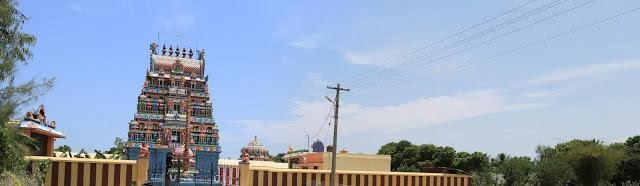
Welcome to Thiruppaarthanpalli Thamaraiyaal Kelvan Perumal Temple, one of the holiest Divyadesams of Lord Vishnu located in the sacred village of Thirunangur, Nagapattinam. Here, the primary deity, Lord Vishnu, is worshipped as Thamaraiyaal Kelvan Perumal (the Lord who resides in a lotus). His consort, Goddess Lakshmi, is revered as Sengamalavalli Thaayar.
Unlike many other Vishnu temples in this region, this shrine holds a unique distinction. While the other ten Divyadesams in Thirunangur are revered by the saint Thirumangai Alvar, this is the only temple among the eleven where another Azhwar (saint) has sung hymns, adding to its spiritual potency.
| Date built: | – |
|---|---|
| Deity: | Thiruppaarthanpalli Thamaraiyaal Kelvan Perumal |
| Architectural style: | Dravidian architecture |
| Major festivals | – |
| Locale: | Thirunangur |
| District:: | Nagapattinam |
| Address: | – |
| Phone | – |
Phalaśruti (Spiritual Benefits): Devotees visit this temple to wash away ancestral karma and seek blessings for spiritual knowledge. It is believed that prayer here helps in relieving sins, as exemplified by the legend of Varuna, the Rain God, who was freed from Brahma Hathi Dhosham at this very site.
Historical Origins & Scriptural Legend
According to temple records and the Padmapurana, the history of Thiruppaarthanpalli is deeply intertwined with the Mahabharata. The name itself derives from Paarthan Palli, meaning the school of Arjuna.
The Legend of Arjuna and the Temple Tank
Tradition holds that Arjuna, one of the five Pandavas, arrived at this location during a pilgrimage. Thirsty and finding no water source, he approached the sage Agastya. Realizing the situation was a divine play orchestrated by Krishna, the sage advised Arjuna to pray. Krishna appeared before Arjuna as Parthasarathy (the charioteer and teacher) and gifted him a sword.
Using this sword, Arjuna dug the parched earth, causing a gush of water that formed the temple tank, known as Katka Pushkarani. It is here that Krishna initiated the education of Arjuna, explaining the true nature of the soul. Thus, the temple stands as a monument to this Guru-Shishya relationship.
The Union of Eleven Forms
The Sthala Purana links this temple to the other ten Divyadesams in Thirunangur. Legend states that Lord Shiva, grief-stricken by the death of Sati (Uma), began a destructive dance. To prevent the universe from decimating, Lord Vishnu appeared in eleven different forms to pacify Shiva. Thiruppaarthanpalli is one of these sacred spots where Vishnu manifested.
Architectural Marvels
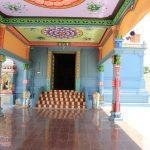
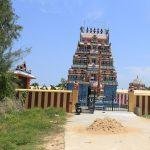
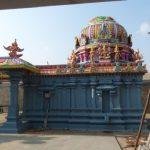
The temple is a classic example of the Dravidian style of architecture. While specific ASI or UNESCO designation details for this particular shrine are not widely published compared to massive complexes like Brihadeeswarar Temple, it remains a heritage gem of the Nagapattinam district.
Key Architectural Features:
- The Sanctum (Garbhagriha): The main deity, Thamaraiyaal Kelvan, stands in a majestic Nindra Tirukkolam (standing posture) facing East.
- Sculptures: The temple features intricate carvings depicting scenes from the Mahabharata, specifically Arjuna receiving the sword.
- Scenic Location: The temple is situated close to the banks of the Thirumalairajanar River, adding to its Vastu Shastra alignment with natural water flows.
- The Tank: The Katka Pushkarani is historically significant, believed to have been dug by Arjuna himself.
Darshan & Ritual Logistics
The temple priests follow the strict Agnama (ritual codes) of the Sri Vaishnava tradition. The rituals are performed four times daily.
Daily Pooja Timings
| Ritual | Time (Morning) | Time (Evening) |
|---|---|---|
| Ushathkalam | 8:00 AM | – |
| Kalasanthi | 10:00 AM | – |
| Sayarakshai | – | 5:00 PM |
| Ardha Jamam | – | 7:00 PM |
Note: The temple is open from 8:00 AM to 10:00 AM and 5:00 PM to 7:00 PM.
Key Sevas & 2026 Festivals
Online Seva Booking: While historical sites often rely on direct bookings, visitors can often coordinate with the Executive Officer of the Thirunangur Vishnu temples group via the HR&CE (Hindu Religious and Charitable Endowments) department. Specific online portals for this isolated shrine may be routed through the Sirkazhi division.
- Regular Sevas: Alangaram (decoration), Neivethanam (food offering), and Deepa Aradanai (lamp waving).
- Thirumangai Azhwar Mangalasasana Utsavam: This is the major festival. In 2026, this falls in the Tamil month of Thai (January–February).
- Garuda Vahana Sevai: A spectacular event where festival idols from all 11 Thirunangur temples converge at Thirunangur. The Pushya Nakshatram day in Thai (likely January 20, 2026) is specifically celebrated here as the temple’s utsavam.
- Theerthavari Festival: Celebrated on the New Moon day (Amavasya) of Aadi month (July–August 2026). The deity is taken in a procession to the sea at Poompuhar.
- Vaikasi Bhrammotsavam: Celebrated during May 2026.
Practical Visitor Guidance
Thirunangur is a serene village. Compared to the heavy crowds of Tirupati or Srirangam, the darshan here is peaceful and meditative.
- Dress Code: Traditional Indian attire is recommended. Men should wear Veshti (dhoti) and shirt; women should wear saree or salwar kameez. Avoid shorts/t-shirts.
- Photography: Generally restricted inside the inner sanctum. Ask the temple caretaker before photographing the sanctum area.
- Mobile Lockers: There are no high-tech locker facilities. It is advisable to travel light and avoid carrying valuables.
- Crowd Management: Best hours to visit are 8:00 AM to 9:00 AM or 5:30 PM.
Seasonal Advice (2026):
- May (Summer): Carry ample water. The village shops may close mid-day.
- October–December (Post-Monsoon): The best time to visit for pleasant weather and to see the temple tank full.
- Accessibility: The temple entrance is traditional with steps. Wheelchair access may be limited due to the age of the structure.
Pilgrimage Connectivity
The temple is a vital part of the Thirunangur Tirupathis pilgrimage circuit.
How to Reach
- By Road: The temple is located in Thirunangur village, approximately 8 km east of Sirkali (via Thiruvenkadu). From Mayavaram (Mayiladuthurai), it is about 20 km. Buses from Mayavaram/Sirkazhi go past Thirunangur, but frequency can be irregular on weekdays. Taxis are recommended for a hassle-free experience.
NH Connection: Accessible via NH 32 (connecting Chennai to Thanjavur) and State Highways connecting Sirkazhi. - By Train: The nearest major railway junction is Sirkazhi (approx. 8 km). Nagapattinam Junction is also nearby (approx. 25 km). From Sirkazhi station, auto-rickshaws are available to Thirunangur.
- By Air: The nearest airport is Tiruchirappalli International Airport (TRZ), located approximately 145 km away.
Nearby Sacred Sites (The Circuit)
Visitors should combine this trip with the other nearby Divyadesams to complete the circuit:
- Thiruvenkadu Bhudha Sthanam (Swetharanyeswarar Temple): A Shiva temple dedicated to Budha (Mercury) located just 4 km away.
- Thirunangur Sathyagireeswarar Temple: Another Shiva temple in the same village cluster.
- Thirukadaiyur Amritaghateswarar-Abirami Temple: Famous for the Mrityunjaya Yajna, located about 25 km from Sirkazhi.
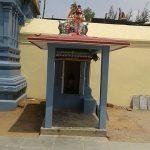
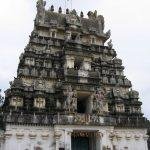
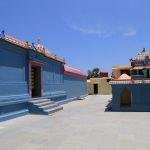
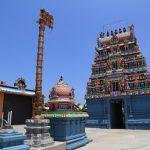
Photo Gallery
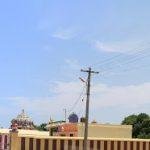
Frequently Asked Questions (FAQs)
1. Is there a VIP Darshan entry available?
As this is a heritage site in a rural setting, there is no formal VIP ticket system like in major commercial temples. However, devotees can request special darshan through the temple priest during non-rush hours (usually between 9:00 AM and 10:00 AM).
2. Can I perform Abhishekam to the main deity?
Yes, Abhishekam can be performed. It is advisable to bring your own materials (milk, honey, sandalwood paste) or coordinate with the local vendors in Sirkazhi beforehand, as the temple has limited inventory.
3. What is the significance of the “Sarma Sloga” mentioned here?
It is traditionally believed that the meaning of the Sharma Sloga (a specific Vedic verse starting with “Sharva Dharman…”) was revealed or attained at this specific location, adding to its Vedic importance.
4. How safe is parking for private vehicles?
There is an open ground near the temple where vehicles can be parked. It is generally safe, but as with any pilgrimage site, it is recommended to lock your vehicle and avoid leaving valuables inside.
5. Is accommodation available near the temple?
Limited accommodation is available in Thirunangur village. For better facilities, it is recommended to stay in Sirkazhi or Mayiladuthurai, which have numerous lodges and hotels suitable for pilgrims.
Contact Details
Address:
Thiruppaarthanpalli Thamaraiyaal Kelvan Perumal Temple,
Thirunangur, Sirkazhi Taluk,
Nagapattinam District, Tamil Nadu.
Official Contact:
While direct contact numbers for this specific sub-temple are not widely published, inquiries can be directed to the Executive Officer, Thirunangur Vishnu Temples, HR&CE Department, Nagapattinam.
Recent Posts

Shri Kaamkoteeshwar Mandir, Varanasi – History & Significance
In the heart of Kashi, the eternal city of Lord Shiva, where the Ganges flows with celestial grace, stands the Shri Kaamkoteeshwar Mandir. This sacred Sannidhi is not merely a temple but a profound spiritual bridge between the Northern…

ओ सांवरे तूने ही मुझको संभाला – Lyrics & Meaning
ओ सांवरे तूने ही मुझको संभाला – A Prayer to Shyam Origin & Spiritual Essence Why This Bhajan Resonates Devotees chant this when overwhelmed by life’s storms—the refrain ‘तूने ही मुझको संभाला’ is the soul’s sigh of relief: “You…

कथा ये है महाराज मेरे की – Lyrics & Meaning
कथा ये है महाराज मेरे की छत्रपति संभाजी महाराज – A Prayer to Chhatrapati Sambhaji Maharaj Origin & Spiritual Essence Why This Bhajan Resonates Devotees chant this when their spirit feels tested—its powerful refrain “महाराज मेरे” is a soul’s…

Rigveda Samhita Yathartha Anuvada (ऋग्वेद संहिता यथार्थ अनुवाद) – Complete Set with Anvayartha & Hindi/English Translation
The Rigveda is the oldest surviving scripture of humanity and the foundational text of Sanātana Dharma. For serious students, scholars, UPSC aspirants studying ancient Indian history, Sanskrit learners, and spiritual seekers, a precise and grammatically structured translation is indispensable.…

आना भी अकेला है जाना भी अकेला है – Lyrics & Meaning | BharatTemples
आना भी अकेला है जाना भी अकेला है – A Prayer to the Divine Witness Origin & Spiritual Essence Why This Bhajan Resonates Devotees turn to this bhajan in moments of deep reflection—when life’s attachments begin to ache. The…

माता शेरावाली के द्वार जो भी जाता है – Lyrics & Meaning
माता शेरावाली के द्वार जो भी जाता है – A Prayer to Maa Sherawali Origin & Spiritual Essence Why This Bhajan Resonates Devotees turn to this bhajan in times of fear or uncertainty—its promise that no one leaves Maa’s…

मार लेना सपणी उबार लेणा भवरा – Lyrics & Meaning
मार लेना सपणी उबार लेणा भवरा – A Prayer to the Divine Beloved Origin & Spiritual Essence Why This Bhajan Resonates Devotees chant this in moments of deep vulnerability—its cry of “मार लेना सपणी, उबार लेणा भवरा” is the…

हमें श्याम सुंदर भरोसा तुम्हारा – Lyrics & Meaning
हमें श्याम सुंदर भरोसा तुम्हारा – A Prayer to Shyam Sundar Origin & Spiritual Essence Why This Bhajan Resonates Devotees chant this when feeling alone—its refrain ‘de do sahara’ is the soul’s cry for divine support. Lyrics in Hindi…

Mere Satguru Ne Di Thi Davai Lyrics in Hindi & Meaning
Mere Satguru Ne Di Thi Davai: Invoking the Guru’s Liberating Wisdom This soul-stirring bhajan venerates the Satguru (True Spiritual Master) as the divine physician who dispenses the only remedy for life’s deepest sufferings. Composed by Sant Karmaveer Tufani, it…

Janm Diyo Thari Maa Dukh Dekhiyo Lyrics in Hindi & Meaning
जन्म दियो थारी माँ दुख देखियो (Maa’s Grief Upon Birthing You) This soul-stirring Chetavani Bhajan (admonitory hymn) is addressed to the Divine Mother (Maa) – a call for repentance when children forget their filial duties in the dark age…