
Contents
- 1 Iluppaipattu Neelakandeswarar Temple: A Definitive Pilgrimage Guide
- 1.1 1. Introduction & Spiritual Essence
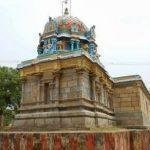
- 1.2 2. Historical Origins & Scriptural Legend
- 1.3 3. Architectural Marvels
- 1.4 4. Darshan & Ritual Logistics (2026 Updates)
- 1.5 5. Practical Visitor Guidance
- 1.6 6. Pilgrimage Connectivity
- 1.7 7. Frequently Asked Questions (FAQ)
- 1.8 Photo Gallery
- 1.9 Location & Contact Details
Iluppaipattu Neelakandeswarar Temple: A Definitive Pilgrimage Guide
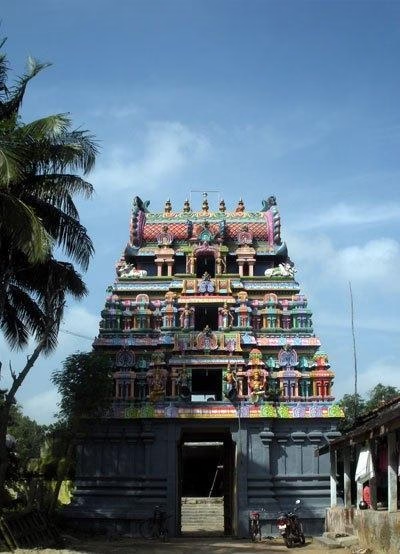
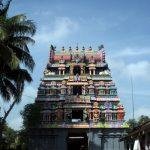
Iluppaipattu Neelakandeswarar Temple, nestled in the tranquil village of Iluppaipattu near Manalmedu, stands as a monumental Padmakshi Devaram Paadal Petra Sthalam. Known locally as Pazhamanni Padikarai or Tirumannippadikkarai, this Dravidian architectural marvel is the 30th Sthalam on the northern banks of the Cauvery River in ancient Chozha Nadu. Here, the presiding deity, Lord Neelakandeswarar (Shiva), is revered as a Swayambhu (self-manifested) Lingam.
| Date built: | – |
|---|---|
| Deity: | Iluppaipattu Neelakandeswarar |
| Architectural style: | Dravidian architecture |
| Major festivals | – |
| Locale: | Nagapattinam |
| District:: | Nagapattinam |
| Address: | Sri Neelakandeswarar Temple,Iluppaipattu, Manalmedu – 609 202,Mayiladuthurai Taluk,Nagapattinam District |
| Phone | +91-92456 19738 |
1. Introduction & Spiritual Essence
The temple is a sanctuary for devotees seeking the benevolent grace of Lord Shiva in his form as Neelakandeswarar (The Blue-Throated Lord) and Padikarai Nathar. His consort here is Amirthavalli (Mangalambikai). Unlike many other shrines, this temple holds a unique place in the spiritual geography of Tamil Nadu as a Karakkoil—a temple built in the form of a chariot.
Phalaśruti: Why Visit?
The spiritual benefits of visiting Iluppaipattu are deeply rooted in the legends of the Pandavas and Emperor Nala.
- The 16 Types of Wealth: The temple houses a unique Shodashalinga (a Linga with 16 stripes) worshipped by Bheema. Devotees pray here to attain the 16 categories of wealth and prosperity defined in Vedic scriptures.
- Saturn Remediation: It is believed that worshipping here significantly mitigates the adverse effects of Sani Bhagwan (Saturn), particularly during Shani Sade Sati or Ezharai Sani periods. Emperor Nala is said to have found relief here before proceeding to Thirukkadaiyur.
- Marital Harmony: Married women worship Mother Parvathi in the sanctum to ensure the longevity of their husbands and the sanctity of their Mangalsutra.
- Astrological Mastery: Those aspiring for proficiency in Jyotish (Astrology) and Vedas pray to Lord Muthugiriswarar, worshipped by Sahadeva.
2. Historical Origins & Scriptural Legend
According to temple records and oral traditions passed down through generations, this shrine dates back to the early Chozha period. The structure is classified as a Karakkoil, a specific type of temple architecture resembling a moving chariot pulled by horses.
The Panchalinga Legend (Pandavas)
During their thirteen-year exile, the Pandava brothers sojourned in this region. Unable to find distinct Shivalingas for their daily worship, they lit lamps using Iluppai (Butter) nuts and meditated. Pleased by their devotion, Lord Shiva manifested simultaneously for all five brothers. Consequently, the temple houses five distinct Shivalingas in separate shrines:
- Neelakandeswarar (Worshipped by Yudhishthira)
- Padikarai Nathar (Worshipped by Arjuna)
- Magadeeswarar (Worshipped by Bheema)
- Parameswarar (Worshipped by Nakula)
- Muthugiriswarar (Worshipped by Sahadeva)
The Parvathi Intervention
Tradition holds that during the Samudra Manthan (Churning of the Milky Ocean), the serpent Vasuki emitted deadly poison. Lord Shiva consumed it to save creation, holding it in his throat (turning it blue). To prevent the poison from descending further, Goddess Parvathi pressed her hand against his neck from behind. In this shrine, her hand is depicted pointing toward her feet, symbolizing her role as Amirthavalli (the giver of nectar).
3. Architectural Marvels
The temple exemplifies the Dravidian architectural style with specific Karakkoil characteristics.
- The Chariot Base: The Moolavar Karuvarai (sanctum sanctorum) is constructed in the shape of a chariot pulled by horses. The basement features 18 layers of Adhittanam (foundation), representing the Pathmayapandham (lotus base) and Manjapathram.
- Unique Sculptures:
- Dhakshinamoorthy: Depicted sitting on Rishabha beneath a Kalla tree.
- Natarajar: A rare form known as Dhasapuja Thandavamurthy, standing on the bull (Nandi) surrounded by Devars. This idol is kept in custody and revealed only on Pradosham days.
- Vijaya Ganapathy: Located opposite the main temple.
- Missing Elements: Notably, there is no Dwajasthambam (flagpole) in this temple, a distinctive feature of its specific architectural sub-genre.
- Sthalavruksham: The Iluppai Maram (Butter Tree) is the sacred tree of this Sthalam.
4. Darshan & Ritual Logistics (2026 Updates)
Visitors are encouraged to check the contact number provided for real-time updates on rituals. The current administration facilitates standard Shaiva rituals.
Daily Darshan Timings
| Session | Timing |
|---|---|
| Morning | 7:00 AM – 11:30 AM |
| Afternoon | 3:30 PM – 8:00 PM |
Key Sevas & Offerings
While specific online booking gateways for smaller Paadal Petra Sthalams are often managed centrally by the HR&CE Department or locally, devotees can book the following:
- Abhishekam: Performed daily. Devotees offer Vastras (clothes) and milk/honey.
- Archana: Specific Sahasranamam recitations.
- Shodashalinga Pooja: Special rituals dedicated to the 16-striped Linga for wealth attainment.
2026 Major Festival Dates
Plan your visit around these vibrant celebrations:
- Shivratri: February 26, 2026 (Tuesday). Special Pradosham and Abhishekam.
- Chithirai Brahmotsavam: April 14 – April 23, 2026. A 10-day festival featuring temple chariot processions.
- Tirukarthikai: November 25, 2026. Deepa Darshanam (Lighting of lamps).
- Aippasi Annabhishekam: October/November 2026. Rice offering ritual.
5. Practical Visitor Guidance
To ensure a serene darshan experience at Iluppaipattu:
- Dress Code: Traditional Indian attire is recommended. Men should wear Dhoti or trousers with a shirt; women should wear Saree or Salwar Kameez.
- Photography: Photography is generally permitted in the outer Mandapas but is restricted inside the sanctum sanctorum. Please seek permission from the temple priest.
- Crowd Management: Being a lesser-known Padmakshi Sthalam, the temple is relatively peaceful compared to major centers like Madurai or Chidambaram. However, during Pradosham and Brahmotsavam, crowds increase. Best hours for a quiet darshan are 8:00 AM – 9:30 AM.
- Seasonal Advice: Nagapattinam can be humid. Carry a water bottle and wear cotton fabrics. During the monsoon (October-November), light rain gear is advised.
- Accessibility: The temple has a raised threshold. Elderly devotees may require assistance entering the inner sanctum.
6. Pilgrimage Connectivity
The temple is located in the cultural heart of Tamil Nadu, making it accessible via key transport hubs.
How to Reach
- By Air: The nearest airport is Tiruchirapalli International Airport (TRZ), approximately 100 km away.
- By Rail: The nearest major railway junction is Mayiladuthurai Junction (approx. 25 km). From there, local taxis or buses are available.
- By Road:
- From Vaitheeswaran Kovil: 16 km west via Manalmedu.
- From Mayiladuthurai: 25 km via the Muthupet – Sirkazhi road.
- Nearest Highway: NH 83 (connecting Mayiladuthurai to Tiruvarur).
Creating a Pilgrimage Circuit
Iluppaipattu is strategically located near other Padmakshi shrines. Pilgrims are encouraged to combine this visit with:
- Vaitheeswaran Koil: (16 km) – The presiding healer deity.
- Tiruvalangadu: (Nearby) – One of the Pancha Aranga Lingams where Lord Shiva hid the sword of Arjuna (located just 3 km from Iluppaipattu).
- Sirkazhi: (30 km) – Birthplace of Thirugnana Sambandar.
7. Frequently Asked Questions (FAQ)
Is there a VIP darshan entry?
As this is a heritage temple managed by local trustees and the HR&CE, there is no formal “VIP” ticket system like in Tirupati. Darshan is open to all, though prior notice to the temple priest (+91-92456 19738) may help during crowded festival days.
What is the significance of the five Lingas?
The five Lingas represent the Pancha Pandavas. Worshipping them in sequence is believed to grant completeness in spiritual and material life, addressing the specific needs of each devotee (e.g., wealth, health, wisdom).
Are there accommodation facilities at Iluppaipattu?
There are limited lodges in Iluppaipattu village. It is recommended to stay in Mayiladuthurai or Vaitheeswaran Kovil, which offer better hotel and choultry facilities, and commute by taxi.
What is the best way to contact the temple?
You can reach the temple administration at +91-92456 19738. It is advisable to call during morning hours (8 AM – 11 AM IST) for accurate information regarding rituals or closures.
Can we perform specific Abhishekam for Shani Dosha?
Yes. While the standard Shani Abhishekam is common in Thirunallar, devotees here worship the Emperor Nala idol and the main Neelakandeswarar to pacify Saturn’s influence. Abhishekam with gingelly oil is recommended.
Photo Gallery
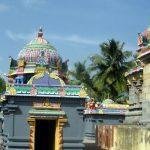
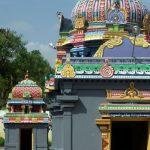
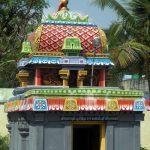

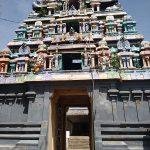
Location & Contact Details
Iluppaipattu, Manalmedu – 609 202,
Mayiladuthurai Taluk,
Nagapattinam District
Mobile: +91-92456 19738
Editor’s Note: This guide is based on traditional texts and local records. Temple timings and contact details are subject to change. Please verify with the official contact number before planning your visit in 2026.
Recent Posts

Shri Kaamkoteeshwar Mandir, Varanasi – History & Significance
In the heart of Kashi, the eternal city of Lord Shiva, where the Ganges flows with celestial grace, stands the Shri Kaamkoteeshwar Mandir. This sacred Sannidhi is not merely a temple but a profound spiritual bridge between the Northern…

ओ सांवरे तूने ही मुझको संभाला – Lyrics & Meaning
ओ सांवरे तूने ही मुझको संभाला – A Prayer to Shyam Origin & Spiritual Essence Why This Bhajan Resonates Devotees chant this when overwhelmed by life’s storms—the refrain ‘तूने ही मुझको संभाला’ is the soul’s sigh of relief: “You…

कथा ये है महाराज मेरे की – Lyrics & Meaning
कथा ये है महाराज मेरे की छत्रपति संभाजी महाराज – A Prayer to Chhatrapati Sambhaji Maharaj Origin & Spiritual Essence Why This Bhajan Resonates Devotees chant this when their spirit feels tested—its powerful refrain “महाराज मेरे” is a soul’s…

Rigveda Samhita Yathartha Anuvada (ऋग्वेद संहिता यथार्थ अनुवाद) – Complete Set with Anvayartha & Hindi/English Translation
The Rigveda is the oldest surviving scripture of humanity and the foundational text of Sanātana Dharma. For serious students, scholars, UPSC aspirants studying ancient Indian history, Sanskrit learners, and spiritual seekers, a precise and grammatically structured translation is indispensable.…

आना भी अकेला है जाना भी अकेला है – Lyrics & Meaning | BharatTemples
आना भी अकेला है जाना भी अकेला है – A Prayer to the Divine Witness Origin & Spiritual Essence Why This Bhajan Resonates Devotees turn to this bhajan in moments of deep reflection—when life’s attachments begin to ache. The…

माता शेरावाली के द्वार जो भी जाता है – Lyrics & Meaning
माता शेरावाली के द्वार जो भी जाता है – A Prayer to Maa Sherawali Origin & Spiritual Essence Why This Bhajan Resonates Devotees turn to this bhajan in times of fear or uncertainty—its promise that no one leaves Maa’s…

मार लेना सपणी उबार लेणा भवरा – Lyrics & Meaning
मार लेना सपणी उबार लेणा भवरा – A Prayer to the Divine Beloved Origin & Spiritual Essence Why This Bhajan Resonates Devotees chant this in moments of deep vulnerability—its cry of “मार लेना सपणी, उबार लेणा भवरा” is the…

हमें श्याम सुंदर भरोसा तुम्हारा – Lyrics & Meaning
हमें श्याम सुंदर भरोसा तुम्हारा – A Prayer to Shyam Sundar Origin & Spiritual Essence Why This Bhajan Resonates Devotees chant this when feeling alone—its refrain ‘de do sahara’ is the soul’s cry for divine support. Lyrics in Hindi…

Mere Satguru Ne Di Thi Davai Lyrics in Hindi & Meaning
Mere Satguru Ne Di Thi Davai: Invoking the Guru’s Liberating Wisdom This soul-stirring bhajan venerates the Satguru (True Spiritual Master) as the divine physician who dispenses the only remedy for life’s deepest sufferings. Composed by Sant Karmaveer Tufani, it…

Janm Diyo Thari Maa Dukh Dekhiyo Lyrics in Hindi & Meaning
जन्म दियो थारी माँ दुख देखियो (Maa’s Grief Upon Birthing You) This soul-stirring Chetavani Bhajan (admonitory hymn) is addressed to the Divine Mother (Maa) – a call for repentance when children forget their filial duties in the dark age…