
Contents
Kameswarar Temple, Madavilagam: A Definitive Pilgrimage Guide
Nestled in the tranquil village of Madavilagam, approximately 12 kilometers from Cheyyur in Kanchipuram District, lies the Kameswarar Temple. This ancient spiritual sanctuary, often referred to as the “Temple of Wishes,” is a profound destination for devotees seeking the blessings of Lord Shiva and Goddess Parvati. With a history spanning over a millennium, this temple stands as a testament to Dravidian architectural grandeur and deep-rooted Vedic traditions.
Introduction & Spiritual Essence
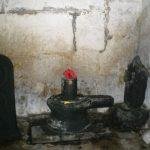
The primary deity of this temple is Kameswarar (a form of Lord Shiva), and the consort is Kokilambal (a form of Goddess Parvati). Unlike many modern structures, this temple is believed to house a Swayambhu (self-manifested) Lingam, making it exceptionally powerful. The name “Kameswarar” itself translates to the “Lord of Desire,” signifying that the deity grants the sincere wishes of his devotees.
Phalaśruti (Spiritual Benefits):
The most celebrated significance of the Kameswarar Temple is its potency in blessing childless couples. According to temple lore and devotee testimonials, prayers offered here with genuine intent are believed to remove obstacles to conception. Beyond fertility, the temple is renowned for cleansing Pitru Dosha (ancestral karma), offering relief from prolonged obstacles in life, and granting marital harmony.
Historical Origins & Scriptural Legend
Architectural Legacy
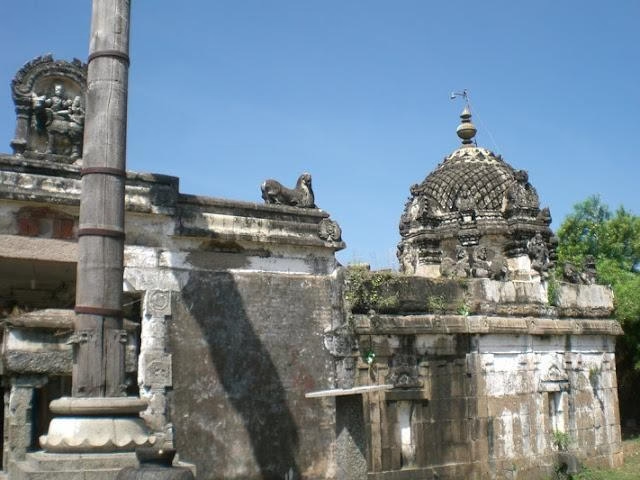
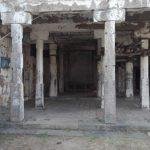
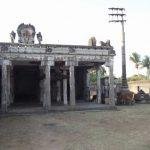
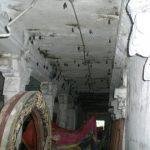
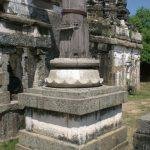
While specific dynastic inscriptions are currently under scholarly review by the Archaeological Survey of India (ASI), the structural style and stonework date the temple to approximately 1000 years ago. The temple is constructed entirely of stone, adhering to the strict principles of Sthapathya Veda (Vedic architecture). It stands as a classic example of early Dravidian temple architecture, characterized by its robust stone masonry and intricate carvings that have withstood the ravages of time.
Scriptural Legend: The Tale of Sri Vygrapathar
According to the Stala Purana (local oral tradition), this holy site is intimately connected with Sri Vygrapathar Maharishi. Legend holds that the sage, through intense penance, was granted a divine boon: the legs of a tiger (Vygra). This unique form allowed him to climb the sacred Vilva trees with agility to pluck leaves for Shiva worship. It is believed that Sri Vygrapathar performed rigorous penance here and had the divine vision of Lord Kameswarar in this very location.
Tradition holds that the temple was constructed to commemorate the sage’s devotion and the Lord’s manifestation.
Architectural Marvels
Dravidian Style & Vastu Elements
The Kameswarar Temple follows the traditional Dravidian architectural style. The temple complex is oriented to face the East, aligning with Vastu Shastra principles to allow the rising sun to illuminate the sanctum during early morning rituals.
Notable Features
- The Sanctum (Garbhagriha): The main shrine houses the Kameswarar Lingam, which is smaller in height but highly revered. The inner walls are adorned with carvings depicting the story of Vygrapathar.
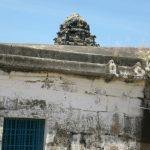
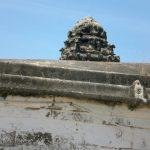
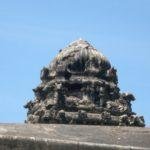
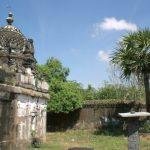
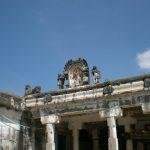
- Shikhara: The temple tower (Rajagopuram) displays the classic tiers (Vimanam) typical of Tamil Nadu temples, though the Kalasam (finial) has suffered wear over the centuries.
- Sacred Tanks: One of the unique aspects of this temple is the presence of four sacred theerthams (tanks). Two of these are specifically dedicated to Chandran (Moon God) and Yama (God of Death), a rare feature indicating the temple’s astrological significance.
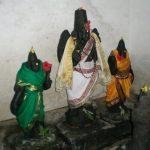
- Sanctuaries: Besides the main deity, separate shrines exist for Bhairavar, Vishnu, Murugan with Valli and Devasena, and the Saivite saints (Nayanars).
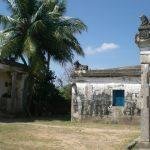
Conservation Note: The temple is currently in a state of disrepair, with surrounding vegetation overgrowth. Devotees and heritage enthusiasts are encouraged to support local conservation efforts to restore this 10th-century marvel.
Darshan & Ritual Logistics
Daily Timings
Please note that this is a rural temple with a single daily opening session. Timings may vary slightly on festival days.
| Session | Timing |
|---|---|
| Morning Darshan | 06:00 AM – 11:00 AM |
| Afternoon Closure | 11:00 AM – 04:30 PM |
| Evening Darshan | 04:30 PM – 06:30 PM |
| Pooja Break | 06:30 PM – 07:00 PM |
Key Sevas and Online Booking
As of 2026, the temple follows traditional on-site registration for rituals. However, for major festivals, the Kanchipuram Devaswom Board may enable online coordination.
- Abhishekam (Ritual Bathing): Performed daily with milk, honey, and sandalwood paste. Offered to Lord Kameswarar to invoke blessings for health.
- Archana (Chanting): Specific readings of Shiva Tandava Stotram and Soundarya Lahari are performed for child blessings.
- Online Booking: Currently, direct online booking for this specific village temple is not standard. Devotees are advised to contact the temple trustees via the provided phone numbers for special arrangements.
2026 Festival Calendar
Plan your visit around these auspicious dates when the temple is decorated and special Poojas are conducted:
- Jan 14, 2026 (Pongal / Makara Sankranti): Special Pongal Abhishekam.
- January 28, 2026 (Maha Shivaratri): All-night vigil (Jagaran) and elaborate decoration.
- May 15, 2026 (Vaikasi Visakam): Birth of Lord Murugan (Skanda Sashti).
- December 14, 2026 (Karthigai Deepam): Lighting of the Maha Deepam.
Practical Visitor Guidance
Code of Conduct & Rules
- Dress Code: Traditional attire is mandatory. Men should wear Dhoti or pants with shirts; women should wear Saree, Salwar Kameez, or full-length skirts.
- Photography: Strictly prohibited inside the inner sanctum. Flash photography is discouraged to preserve the sanctity of the ancient murals.
- Luggage & Phones: There are no high-tech lockers in this rural setting. It is recommended to travel light and keep phones on silent mode.
Crowd Management & Seasonal Advice
- Best Hours: The temple is generally peaceful between 6:00 AM and 8:00 AM.
- Summer (March–June): Kanchipuram district experiences high temperatures. Carry a water bottle and a head covering (scarf). The stone floors can be hot on bare feet—use cotton socks until you enter the sanctum.
- Monsoon (October–December): The surrounding area can become muddy. Wear waterproof footwear.
Pilgrimage Connectivity
How to Reach Kameswarar Temple
Address: Kameswarar Temple, Madavilagam, Cheyyur, Kanchipuram District, Tamil Nadu.
- By Air: Chennai International Airport (MAA) is the nearest airport, approximately 75 km away.
- By Rail: Maduranthakam Railway Station is the closest railhead (approx. 8 km). Kanchipuram Railway Station is about 30 km away.
- By Road:
Route via ECR: Travel via East Coast Road (ECR) or OMR to Kalpakkam. Take the route towards Anaikattu to reach Kalkulam. The temple is 1 km from Kalkulam.
Public Transport: Bus route number 12A operates from Maduranthakam. Share autos are available from Pavunjur via Kalkulam.
Nearby Sacred Sites
Enhance your pilgrimage by visiting these nearby temples within the Kanchipuram district:
- Maduranthakam Perarulalan Temple: Located just 8 km away, this temple is famous for its massive temple tank and Lord Vishnu (Brahmotsavam festival).
- Uttara Merkei Shiva Temple: A historic temple nearby, known for its architectural intricacy.
- Kelambakkam Temple: Located closer to the ECR route, known for Lord Karumbeswarar.
Photo Gallery
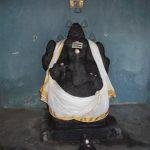
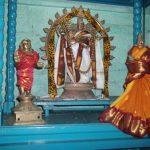
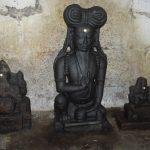
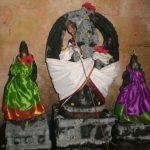
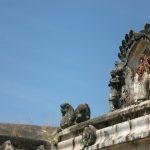
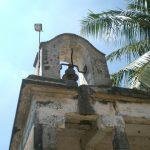
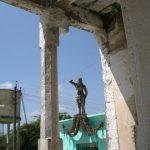
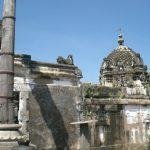
Visual insights into the temple architecture and rituals.

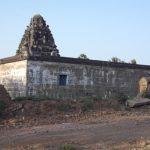
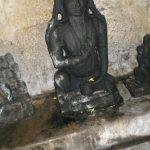
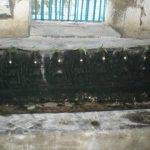
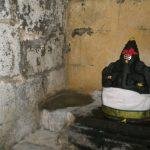




Frequently Asked Questions
1. Is there a VIP darshan entry available?
Given the nature of this heritage site, there is no formal VIP entry system. However, contacting the temple trustee in advance for special rituals may allow for priority access during non-peak hours.
2. Is the temple accessible for senior citizens?
The temple is located on uneven ground. While the main sanctum is accessible via steps, the surrounding areas and the sacred tanks may be challenging for those with mobility issues. Wheelchairs are not currently available.
3. What is the significance of the four tanks (Theerthams)?
Presence of four tanks, specifically dedicated to planetary gods like Chandra (Moon) and Yama (Death), indicates the temple’s astrological importance. Bathing in these tanks is believed to nullify malefic planetary alignments in one’s horoscope.
4. Are there accommodation facilities nearby?
Basic lodges are available at Maduranthakam (8 km) and Uthiramerur (15 km). For better amenities, hotels in Kanchipuram (30 km) or Kalpakkam (25 km) are recommended.
5. Can we perform a Shradh ceremony here?
Yes, the temple is considered auspicious for ancestral rituals due to the presence of Lord Yama and Bhairavar shrines. It is advisable to bring necessary materials for the ceremony.
Recent Posts

Shri Kaamkoteeshwar Mandir, Varanasi – History & Significance
In the heart of Kashi, the eternal city of Lord Shiva, where the Ganges flows with celestial grace, stands the Shri Kaamkoteeshwar Mandir. This sacred Sannidhi is not merely a temple but a profound spiritual bridge between the Northern…

ओ सांवरे तूने ही मुझको संभाला – Lyrics & Meaning
ओ सांवरे तूने ही मुझको संभाला – A Prayer to Shyam Origin & Spiritual Essence Why This Bhajan Resonates Devotees chant this when overwhelmed by life’s storms—the refrain ‘तूने ही मुझको संभाला’ is the soul’s sigh of relief: “You…

कथा ये है महाराज मेरे की – Lyrics & Meaning
कथा ये है महाराज मेरे की छत्रपति संभाजी महाराज – A Prayer to Chhatrapati Sambhaji Maharaj Origin & Spiritual Essence Why This Bhajan Resonates Devotees chant this when their spirit feels tested—its powerful refrain “महाराज मेरे” is a soul’s…

Rigveda Samhita Yathartha Anuvada (ऋग्वेद संहिता यथार्थ अनुवाद) – Complete Set with Anvayartha & Hindi/English Translation
The Rigveda is the oldest surviving scripture of humanity and the foundational text of Sanātana Dharma. For serious students, scholars, UPSC aspirants studying ancient Indian history, Sanskrit learners, and spiritual seekers, a precise and grammatically structured translation is indispensable.…

आना भी अकेला है जाना भी अकेला है – Lyrics & Meaning | BharatTemples
आना भी अकेला है जाना भी अकेला है – A Prayer to the Divine Witness Origin & Spiritual Essence Why This Bhajan Resonates Devotees turn to this bhajan in moments of deep reflection—when life’s attachments begin to ache. The…

माता शेरावाली के द्वार जो भी जाता है – Lyrics & Meaning
माता शेरावाली के द्वार जो भी जाता है – A Prayer to Maa Sherawali Origin & Spiritual Essence Why This Bhajan Resonates Devotees turn to this bhajan in times of fear or uncertainty—its promise that no one leaves Maa’s…

मार लेना सपणी उबार लेणा भवरा – Lyrics & Meaning
मार लेना सपणी उबार लेणा भवरा – A Prayer to the Divine Beloved Origin & Spiritual Essence Why This Bhajan Resonates Devotees chant this in moments of deep vulnerability—its cry of “मार लेना सपणी, उबार लेणा भवरा” is the…

हमें श्याम सुंदर भरोसा तुम्हारा – Lyrics & Meaning
हमें श्याम सुंदर भरोसा तुम्हारा – A Prayer to Shyam Sundar Origin & Spiritual Essence Why This Bhajan Resonates Devotees chant this when feeling alone—its refrain ‘de do sahara’ is the soul’s cry for divine support. Lyrics in Hindi…

Mere Satguru Ne Di Thi Davai Lyrics in Hindi & Meaning
Mere Satguru Ne Di Thi Davai: Invoking the Guru’s Liberating Wisdom This soul-stirring bhajan venerates the Satguru (True Spiritual Master) as the divine physician who dispenses the only remedy for life’s deepest sufferings. Composed by Sant Karmaveer Tufani, it…

Janm Diyo Thari Maa Dukh Dekhiyo Lyrics in Hindi & Meaning
जन्म दियो थारी माँ दुख देखियो (Maa’s Grief Upon Birthing You) This soul-stirring Chetavani Bhajan (admonitory hymn) is addressed to the Divine Mother (Maa) – a call for repentance when children forget their filial duties in the dark age…