

Contents
Introduction & Spiritual Essence
Nestled in the historic lands of Kanchipuram district, the Agastheeshwarar Temple in Kadukkaloor stands as a profound testament to Dravidian spiritual heritage. Dedicated to Lord Shiva, here revered as Agastheeshwarar (the Lord manifesting through the grace of Sage Agastya), the temple is a sanctuary for devotees seeking liberation from the cycle of rebirth. The presiding deity faces East, symbolizing the rising sun of consciousness.
The divine consort, Mukthambikai (Ambal), enshrined in a separate sanctum, bestows maternal care and spiritual enlightenment. The temple is believed to possess powerful Phalaśruti (spiritual benefits): devotees flock here to cleanse ancestral karma, particularly those performing rites for forefathers, and to alleviate the malefic effects of planetary afflictions, especially those related to Saturn (Shani).
Historical Origins & Scriptural Legend
While the precise date of the original construction remains a subject of archaeological study, the temple is recognized as an ancient Shiva shrine deeply rooted in the Sthala Purana. Tradition holds that the great Sage Agastya installed the Swayambhu Lingam (self-manifested idol) here. According to local lore, the sage performed intense penance at this sacred spot to balance the gravitational forces of the earth, making it a site of immense geomagnetic and spiritual energy.
In 1995, the original structure, having suffered the ravages of time, was carefully deconstructed and rebuilt by devotees and local authorities. This reconstruction preserved the ancient Vimana (tower above the sanctum) style and the sanctity of the original layout, ensuring the temple’s legacy continues for future generations.
Architectural Marvels
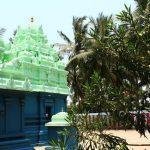
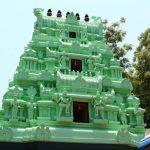
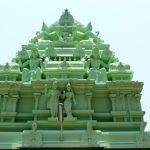
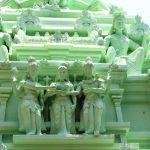
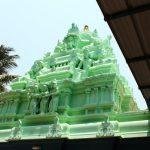
The Agastheeshwarar Temple is a classic example of the Dravidian style of architecture, characterized by its towering Gopuram (gateway tower) and intricate stonework. The temple complex is designed according to the principles of Vastu Shastra, aligning the cosmic energies with the earthly structure.
Key architectural highlights include:
- The Sanctum (Garbhagriha): Houses the East-facing Shiva Lingam.
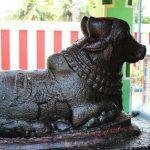
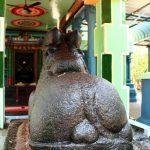
- Nandhi Mandapam: A beautifully carved statue of Nandi, the divine vehicle of Shiva, gazes eternally at the deity.
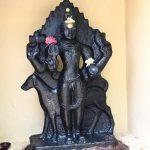
- Navagraha Shrine: A dedicated separate shrine for the nine celestial planets, allowing devotees to perform specific rituals to pacify planetary doshas.
- Thayar Sannidhi: A separate hall for the Mother Goddess Mukthambikai, reflecting the temple’s respect for the feminine divine.
Darshan & Ritual Logistics
Visitors are encouraged to check the schedule before planning their visit. The priests conduct daily rituals with strict adherence to Vedic traditions.
Daily Timings
| Session | Timings |
|---|---|
| Morning Darshan | 06:00 AM – 12:00 PM |
| Afternoon Break | 12:00 PM – 04:00 PM |
| Evening Darshan | 04:00 PM – 08:00 PM |
*Note: Timings may vary during festivals.
Key Sevas & Offerings
Devotees can participate in various rituals to enhance their spiritual journey:
- Abhishekam: Ritual bathing of the Shiva Lingam with milk, honey, and sacred ash (Vibhuti).
- Archana: Recitation of hymns dedicated to Lord Agastheeshwarar and Mother Mukthambikai.
- Navagraha Homam: A specialized fire ritual performed to appease the planetary deities.
Online Seva Booking: While Kadukkaloor is a rustic shrine, specific poojas can be coordinated via the temple trust numbers listed below. For larger festivals, announcements are made through local Tamil Nadu temple boards.
2026 Festival Calendar
- Mahashivratri (March): The most auspicious night for Lord Shiva, featuring all-night vigils and special abhishekam.
- Pradosham: Occurring twice monthly (13th and 28th days of the lunar cycle), dedicated to the removal of sins.
- Arudra Darshanam (January 2026): Celebrates the cosmic dance of Shiva (Nataraja).
- Navaratri (October 2026): Nine nights dedicated to Goddess Mukthambikai.
Practical Visitor Guidance
To ensure a peaceful darshan and respect the sanctity of the temple, please adhere to the following guidelines:
- Dress Code: Traditional attire is mandatory. Men should wear dhotis or pants with shirts; women should wear sarees, salwar kameez, or full-length skirts. Avoid shorts and sleeveless tops.
- Photography: Photography is generally restricted inside the inner sanctum (Garbhagriha). Please seek permission from temple authorities for photography in the outer halls.
- Crowd Management: The temple attracts fewer crowds compared to major Kanchipuram shrines, offering a serene atmosphere. However, visiting early in the morning (6:00 AM – 8:00 AM) is recommended to avoid the midday heat. Carry sufficient water, especially during the summer months (April–June).
- Accessibility: The temple has a raised threshold; assistance may be required for wheelchair users.
Pilgrimage Connectivity
The temple is located in Kadukkaloor Village, easily accessible from Chennai and Puducherry.
How to Reach
By Road:
- From Chennai: Drive along the scenic East Coast Road (ECR). Kadukkaloor is approximately 70 km away. Look for Kadappakkam; the temple is about 10 km inland on the right side (west) of the ECR, after the Midway restaurant.
- From Chennai Bus Stand: Take any bus heading towards Pondicherry on the ECR route and get down at Kadappakkam. Autos are available from Kadappakkam to the temple.
- Alternatively, take the old Chennai-Pondicherry route via Madurantakam and Choonambedu. The temple is 8 km from Choonambedu.
Nearby Sacred Sites
Enhance your pilgrimage by visiting these nearby attractions:
- Kelambakkam Temple: A nearby shrine dedicated to Lord Shiva.
- Alamparai Fort: A historical site located close to the temple route.
- Kanchipuram Kamakshi Amman Temple: The famous Shakti Peetham, located about 40 km away.
Frequently Asked Questions (FAQs)
1. Is there a VIP darshan entry at Agastheeshwarar Temple?
The temple follows a traditional darshan system. There is no formal VIP entry system; however, prior notice to the temple trust members (via the contact numbers provided) may facilitate a smoother visit during peak hours.
The Navagraha shrine is significant for those seeking relief from planetary afflictions. Worshipping here, particularly on Saturdays and Pradosham days, is believed to neutralize negative planetary influences.
3. Are there accommodation facilities in Kadukkaloor?
Kadukkaloor is a small village with limited guest houses. It is recommended to stay in Kanchipuram (40 km away) or Chennai (70 km away) where a wide range of hotels are available.
4. What is the best time of year to visit?
The ideal time to visit is between October and March, when the weather is cooler and pleasant, coinciding with major festivals like Navaratri and Mahashivratri.
5. Can I perform ancestral rites (Tharpanam) here?
Yes, the temple is considered highly auspicious for performing ancestral rites. The energy of Sage Agastya’s penance site is believed to aid in the liberation of ancestors’ souls.
Contact Details
Agastheeshwarar Temple
Kadukkaloor Village,
Kanchipuram District, Tamil Nadu
Phone/Mobile: +91 99437 31155 / 94435 96370 / 99439 11837
Photo Gallery
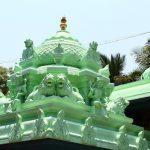
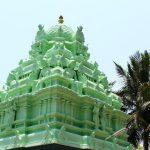

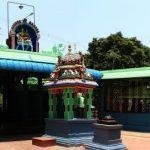
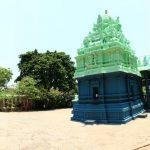


Recent Posts

Shri Kaamkoteeshwar Mandir, Varanasi – History & Significance
In the heart of Kashi, the eternal city of Lord Shiva, where the Ganges flows with celestial grace, stands the Shri Kaamkoteeshwar Mandir. This sacred Sannidhi is not merely a temple but a profound spiritual bridge between the Northern…

ओ सांवरे तूने ही मुझको संभाला – Lyrics & Meaning
ओ सांवरे तूने ही मुझको संभाला – A Prayer to Shyam Origin & Spiritual Essence Why This Bhajan Resonates Devotees chant this when overwhelmed by life’s storms—the refrain ‘तूने ही मुझको संभाला’ is the soul’s sigh of relief: “You…

कथा ये है महाराज मेरे की – Lyrics & Meaning
कथा ये है महाराज मेरे की छत्रपति संभाजी महाराज – A Prayer to Chhatrapati Sambhaji Maharaj Origin & Spiritual Essence Why This Bhajan Resonates Devotees chant this when their spirit feels tested—its powerful refrain “महाराज मेरे” is a soul’s…

Rigveda Samhita Yathartha Anuvada (ऋग्वेद संहिता यथार्थ अनुवाद) – Complete Set with Anvayartha & Hindi/English Translation
The Rigveda is the oldest surviving scripture of humanity and the foundational text of Sanātana Dharma. For serious students, scholars, UPSC aspirants studying ancient Indian history, Sanskrit learners, and spiritual seekers, a precise and grammatically structured translation is indispensable.…

आना भी अकेला है जाना भी अकेला है – Lyrics & Meaning | BharatTemples
आना भी अकेला है जाना भी अकेला है – A Prayer to the Divine Witness Origin & Spiritual Essence Why This Bhajan Resonates Devotees turn to this bhajan in moments of deep reflection—when life’s attachments begin to ache. The…

माता शेरावाली के द्वार जो भी जाता है – Lyrics & Meaning
माता शेरावाली के द्वार जो भी जाता है – A Prayer to Maa Sherawali Origin & Spiritual Essence Why This Bhajan Resonates Devotees turn to this bhajan in times of fear or uncertainty—its promise that no one leaves Maa’s…

मार लेना सपणी उबार लेणा भवरा – Lyrics & Meaning
मार लेना सपणी उबार लेणा भवरा – A Prayer to the Divine Beloved Origin & Spiritual Essence Why This Bhajan Resonates Devotees chant this in moments of deep vulnerability—its cry of “मार लेना सपणी, उबार लेणा भवरा” is the…

हमें श्याम सुंदर भरोसा तुम्हारा – Lyrics & Meaning
हमें श्याम सुंदर भरोसा तुम्हारा – A Prayer to Shyam Sundar Origin & Spiritual Essence Why This Bhajan Resonates Devotees chant this when feeling alone—its refrain ‘de do sahara’ is the soul’s cry for divine support. Lyrics in Hindi…

Mere Satguru Ne Di Thi Davai Lyrics in Hindi & Meaning
Mere Satguru Ne Di Thi Davai: Invoking the Guru’s Liberating Wisdom This soul-stirring bhajan venerates the Satguru (True Spiritual Master) as the divine physician who dispenses the only remedy for life’s deepest sufferings. Composed by Sant Karmaveer Tufani, it…

Janm Diyo Thari Maa Dukh Dekhiyo Lyrics in Hindi & Meaning
जन्म दियो थारी माँ दुख देखियो (Maa’s Grief Upon Birthing You) This soul-stirring Chetavani Bhajan (admonitory hymn) is addressed to the Divine Mother (Maa) – a call for repentance when children forget their filial duties in the dark age…