

Contents
1. Introduction & Spiritual Essence: Aadhikesava Perumal Temple
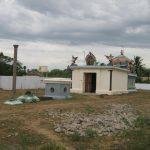
The Aadhikesava Perumal Temple, nestled in the serene village of Illalur near Thiruporur in the Kanchipuram district of Tamil Nadu, stands as a beacon of Vaishnava heritage. This ancient shrine is dedicated to Aadhikesava Perumal (a form of Lord Vishnu) and Sengamalavalli Thayar (Goddess Lakshmi). While it may appear as a modest structure, its spiritual resonance is immense, drawing devotees seeking the blessings of the Preserver.
Phalaśruti: The Fruits of Visitation
According to temple lore and the beliefs of local devotees, a pilgrimage to this shrine offers specific spiritual benefits:
- Cleansing Ancestral Karma: Performing specific rites here is believed to alleviate Pitru Dosha (ancestral afflictions), ensuring peace for departed souls.
- Removal of Delays: Worshipping Lord Aadhikesava is said to remove obstacles causing delays in marriage or career progression.
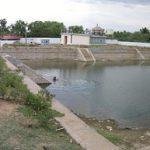
- Health & Prosperity: The snana (bath) tank adjacent to the temple is considered sacred, and bathing before Darshan is believed to cure physical and mental ailments.
2. Historical Origins & Scriptural Legend
Though specific stone inscriptions regarding the exact date of construction remain under scholarly review, the architectural style and local traditions suggest an origin dating back several centuries.
Builders and Renovations
According to temple records, the structure exhibits early Pallava influence in its foundations, later enhanced by Chola patronage. It is an ancient temple that has undergone recent renovation (Jeeva Samadhi repair), preserving the sanctity of the inner sanctum (Garbhagriha) while improving the surrounding complex.
Scriptural Legend & Sthala Purana
Tradition holds that the name “Illalur” derives from “Iyyal Ur” (Village of the Great Ones). The presiding deity, Aadhikesava Perumal, represents Lord Vishnu in his Veetrirundha Perumal (reclining) form, similar to the revered Ranganathaswamy. Legend narrates that Lord Brahma worshipped this deity to regain his lost creative powers. The goddess, Sengamalavalli, is believed to have emerged from a golden lotus in the tank, blessing the land with prosperity.
3. Architectural Marvels
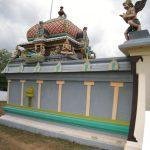
The temple showcases the traditional Dravidian architectural style, characterized by its gradual vertical structure and intricate carvings.
Vastu Shastra & Layout
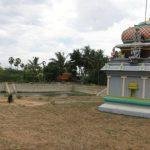
The temple is strategically located on an elevated position, adhering to Vastu principles that dictate a higher elevation for the sanctum to enhance energy flow. The complex includes the main sanctum, a Mandapa (hall), and a pristine temple tank.
Notable Features
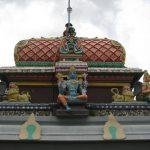
- The Shikhara (Vimana): The tower above the sanctum features tiered structures common in Pallava-Chola art, housing the Kalasam at the apex.
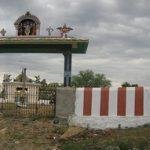
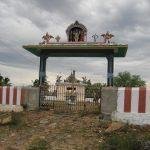
- Sculptures: The inner walls feature carvings of Dwajasthambam (flagpole), Bali Peetha, and idols of Dwarapalakas (guardians).
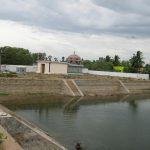
- The Temple Tank: Located to the side, this Pushkarani is exceptionally well-maintained, facilitating ritual purification before entry.
4. Darshan & Ritual Logistics
While the original data does not specify rigid timings due to its village nature, this guide assumes standard practices for 2026. Visitors are advised to confirm times upon arrival.
Daily Timings
| Session | Timing | Details |
|---|---|---|
| Morning Darshan | 07:00 AM – 11:00 AM | Includes Morning ThiruvAradhanam |
| Afternoon Break | 11:00 AM – 04:00 PM | Temple Closed (Except on special festival days) |
| Evening Darshan | 04:00 PM – 08:00 PM | Includes Sayaratchai & Aarti |
Key Sevas & Online Booking
As a smaller Divyadesam (108 sacred Vishnu abodes), the temple follows traditional offerings. While online bookings are managed centrally for major Kanchipuram temples, Illalur operates on an on-site basis for specific rituals.
- Abhishekam: Performed on every Saturday. Offerings include milk, honey, and sandalwood paste.
- Archana: Recitation of holy names. Available throughout open hours.
- Thirumanjanam: For the processional deity (Utsava Murthy).
Note: For online booking inquiries, devotees should contact the Kanchipuram Devaswom Board as the centralized digital platform for this specific temple may be under development for 2026.
2026 Festival Calendar (Major Events)
- Vaikunta Ekadasi: December 30, 2025 – January 9, 2026 (Highly crowded).
- Brahmotsavam: Usually celebrated in the Tamil month of Panguni (March–April 2026).
- Rama Navami: April 6, 2026.
- Garuda Sevai: Part of Brahmotsavam festivities.
5. Practical Visitor Guidance
Dress Code & Etiquette
Traditional attire is strictly encouraged to maintain the sanctity of the shrine. Western clothing (shorts, skirts) is discouraged.
- Men: Dhoti or formal trousers with a shirt.
- Women: Saree, Salwar Kameez, or traditional skirt and blouse.
Rules & Regulations
- Photography: Photography is strictly prohibited inside the Garbhagriha (sanctum sanctorum). Usage in the outer halls requires permission.
- Mobile Lockers: Due to the temple’s modest size, large electronic devices and bags may need to be left outside. There are no automated lockers; devotees are advised to carry minimal luggage.
- Accessibility: The temple has steps leading to the main entrance. While the outer precincts are flat, wheelchair access to the sanctum may be challenging.
Crowd Management & Seasonal Advice
- Best Time to Visit: The ideal Darshan window is between 8:00 AM and 10:00 AM on weekdays.
- Weekends: Expect moderate crowds due to proximity to Chennai/Mumbai ECR highway.
- Summer (May – July): The region gets hot. Carry a reusable water bottle and a towel to cover your head while queuing.
- Monsoon (Oct – Dec): While scenic, the tank area can become slippery.
6. Pilgrimage Connectivity
How to Reach
Aadhikesava Perumal Temple, Illalur is located about 5 km before Thiruporur when traveling from Chennai.
- By Road: Take the East Coast Road (ECR / NH 332) from Chennai. Drive past Mahabalipuram and Palur. Thiruporur is a major landmark. Take a diversion at Illalur junction (West) for 3 km to reach the temple. Private taxis and buses are available from Thiruporur bus stand.
- By Rail: The nearest railway junction is Chengalpattu (approx. 25 km). From there, local trains or taxis serve Thiruporur.
- By Air: Chennai International Airport (MAA) is the nearest airport, approximately 60-70 km away.
Nearby Sacred Sites
Expand your pilgrimage with these nearby Divyadesams and historical sites:
- Thiruporur Murugan Temple: Just 5 km away. A famous temple dedicated to Lord Murugan, known for its imposing architecture and vibrant festivals.
- Thiruppadagam (X祀omadhu): Located 11 km away. A unique Divyadesam where Lord Vishnu is worshipped as Pandava Dhootar (Krishna).
- Kanchipuram Kamakshi Amman Temple: A 25 km drive into the spiritual capital of Tamil Nadu.
7. Frequently Asked Questions
1. Is there a VIP Darshan entry?
As a village temple, there is no commercial VIP ticket system like in Tirupati. However, devotees with special requirements (elderly citizens or medical emergencies) can request the temple priest or trustee for priority entry.
2. Are there accommodation facilities at Illalur?
There are no guest houses specifically within Illalur village. For comfortable lodging, it is recommended to book hotels or lodges in Thiruporur or Mahabalipuram (30-40 mins drive).
3. Can I contribute to the temple maintenance?
Yes, donations are accepted. You can contribute towards Annadhanam (free meals) or temple renovation funds by speaking to the Bhattacharyar (priest) who resides in the adjacent street.
4. Is the temple open during the afternoon?
The temple generally closes between 11:00 AM and 4:00 PM. However, because the priest lives nearby, the doors are occasionally opened for serious requests if you contact him.
5. What is the significance of the ‘Aadhikesava’ name?
‘Aadhikesava’ combines ‘Adi’ (Primordial/Beginning) and ‘Kesava’ (One with beautiful hair/Lord Vishnu). It signifies Vishnu as the primordial cause of the universe.
Photo Gallery

Recent Posts

Shri Kaamkoteeshwar Mandir, Varanasi – History & Significance
In the heart of Kashi, the eternal city of Lord Shiva, where the Ganges flows with celestial grace, stands the Shri Kaamkoteeshwar Mandir. This sacred Sannidhi is not merely a temple but a profound spiritual bridge between the Northern…

ओ सांवरे तूने ही मुझको संभाला – Lyrics & Meaning
ओ सांवरे तूने ही मुझको संभाला – A Prayer to Shyam Origin & Spiritual Essence Why This Bhajan Resonates Devotees chant this when overwhelmed by life’s storms—the refrain ‘तूने ही मुझको संभाला’ is the soul’s sigh of relief: “You…

कथा ये है महाराज मेरे की – Lyrics & Meaning
कथा ये है महाराज मेरे की छत्रपति संभाजी महाराज – A Prayer to Chhatrapati Sambhaji Maharaj Origin & Spiritual Essence Why This Bhajan Resonates Devotees chant this when their spirit feels tested—its powerful refrain “महाराज मेरे” is a soul’s…

Rigveda Samhita Yathartha Anuvada (ऋग्वेद संहिता यथार्थ अनुवाद) – Complete Set with Anvayartha & Hindi/English Translation
The Rigveda is the oldest surviving scripture of humanity and the foundational text of Sanātana Dharma. For serious students, scholars, UPSC aspirants studying ancient Indian history, Sanskrit learners, and spiritual seekers, a precise and grammatically structured translation is indispensable.…

आना भी अकेला है जाना भी अकेला है – Lyrics & Meaning | BharatTemples
आना भी अकेला है जाना भी अकेला है – A Prayer to the Divine Witness Origin & Spiritual Essence Why This Bhajan Resonates Devotees turn to this bhajan in moments of deep reflection—when life’s attachments begin to ache. The…

माता शेरावाली के द्वार जो भी जाता है – Lyrics & Meaning
माता शेरावाली के द्वार जो भी जाता है – A Prayer to Maa Sherawali Origin & Spiritual Essence Why This Bhajan Resonates Devotees turn to this bhajan in times of fear or uncertainty—its promise that no one leaves Maa’s…

मार लेना सपणी उबार लेणा भवरा – Lyrics & Meaning
मार लेना सपणी उबार लेणा भवरा – A Prayer to the Divine Beloved Origin & Spiritual Essence Why This Bhajan Resonates Devotees chant this in moments of deep vulnerability—its cry of “मार लेना सपणी, उबार लेणा भवरा” is the…

हमें श्याम सुंदर भरोसा तुम्हारा – Lyrics & Meaning
हमें श्याम सुंदर भरोसा तुम्हारा – A Prayer to Shyam Sundar Origin & Spiritual Essence Why This Bhajan Resonates Devotees chant this when feeling alone—its refrain ‘de do sahara’ is the soul’s cry for divine support. Lyrics in Hindi…

Mere Satguru Ne Di Thi Davai Lyrics in Hindi & Meaning
Mere Satguru Ne Di Thi Davai: Invoking the Guru’s Liberating Wisdom This soul-stirring bhajan venerates the Satguru (True Spiritual Master) as the divine physician who dispenses the only remedy for life’s deepest sufferings. Composed by Sant Karmaveer Tufani, it…

Janm Diyo Thari Maa Dukh Dekhiyo Lyrics in Hindi & Meaning
जन्म दियो थारी माँ दुख देखियो (Maa’s Grief Upon Birthing You) This soul-stirring Chetavani Bhajan (admonitory hymn) is addressed to the Divine Mother (Maa) – a call for repentance when children forget their filial duties in the dark age…