
Contents
Avinashi Lingeswarar Temple (often called Avinashiappar or Avinasilingeswarar Temple) is one of Kongu Nadu’s most revered Shiva shrines. Located in the historic town of Avinashi (sometimes spelled Avanashi) on the Coimbatore–Tiruppur corridor, the temple is famous for its association with Saiva saint traditions, a strong local legendry, and a classic Dravidian-style temple complex that draws pilgrims from across Tamil Nadu.
1. Introduction & Spiritual Essence
The Avinashi Lingeswarar Temple is not merely a monument; it is a living center of spiritual energy where the imperishable nature of the Divine is celebrated. The primary deity is Avinashi Lingeswarar (a Swayambhu Lingam), representing Lord Shiva as the indestructible reality. His consort is Karunambigai Amman (Parvati), gracing the temple in a separate sanctum.
Phalaśruti: The Benefits of Darshan
According to temple records and local devotee traditions, worshipping here yields specific spiritual benefits:
- Removal of Planetary Afflictions: The temple is renowned for alleviating the negative effects of Sani (Saturn) in one’s horoscope. Devotees perform special Abhishekams to reduce delays and obstacles in life.
- Ancestral Karmic Cleansing: Performing Tharpanam or special Homams here is believed to liberate ancestors from past karmic debts, ensuring peace for the lineage.
- Indestructible Success: The name “Avinashi” itself means imperishable. Businessmen and professionals visit to establish stability and long-term success in their ventures.
2. Historical Origins & Scriptural Legend
The temple dates back over a millennium, deeply rooted in the history of the Kongu Nadu region. It is considered the first of the seven Shiva Sthalas in Kongu Nadu.
Legends and Lineage
- The Nayanmars: Tradition holds that the Saiva saint Sundarar visited this shrine, witnessing miraculous divine interventions. The local lore speaks of the lord protecting devotees from famine and disease during his visit.
- Sage Vasistha: Legends suggest that Sage Vasistha worshipped Avinashi Lingeswarar to receive relief from prolonged sorrows, linking the temple to Vedic traditions.
- Architectural History: Inscriptions found within the temple premises and the surrounding complex indicate patronage from the Medieval Cholas and later the Kongu Vellalar chieftains. The current structure, particularly the towering Gopuram, reflects the grandeur of Dravidian temple architecture developed over centuries.
3. Architectural Marvels
The temple follows the Dravida style of Vastu Shastra, characterized by vertical emphasis and intricate sculptural detailing.
Key Structural Elements
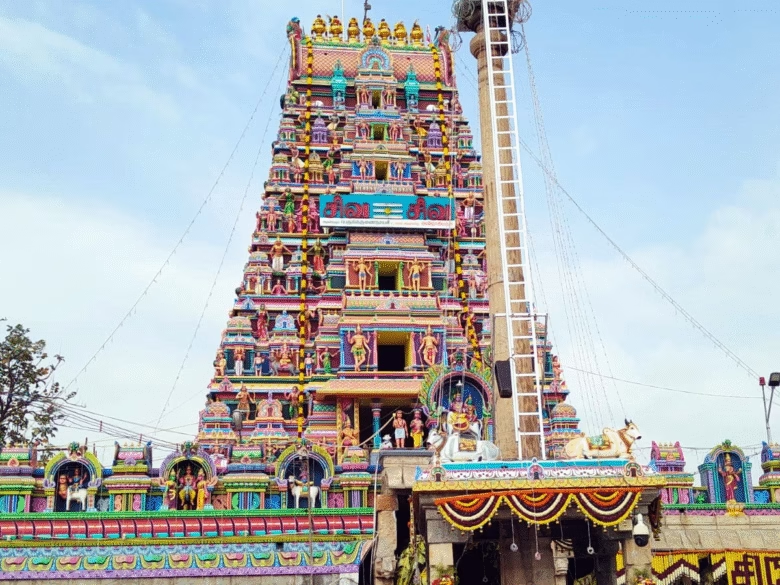
- The Raja Gopuram: The majestic entrance tower is a multi-storied structure adorned with colorful statues of deities, indicative of the Nayak period influences.
- Sanctum Sanctorum (Garbhagriha): The Lingam is placed in a square sanctum, surrounded by a circumambulatory path (Pradakshina Veedhi).
- Pillared Mandapas: The temple features several pillared halls used for religious discourses and festivals. The ceilings often depict lotus motifs and geometric patterns common in South Indian temple art.
- Sub-Shrines: Enclosing the main shrine are shrines for Kalabhairava (the guardian form of Shiva) and Sani (Saturn), emphasizing the temple’s astrological significance.
4. Darshan & Ritual Logistics
Devotees planning a visit to Avinashiappar should note the following timings and seva details. Note that while these are standard hours, temple offices may update timings during festivals.
Daily Temple Timings
| Period | Timing |
|---|---|
| Morning Opening | 6:00 AM |
| Uchikala Pooja (Midday) | 12:00 PM – 12:30 PM |
| Evening Opening | 4:00 PM |
| Arthajama Pooja (Closing) | 8:30 PM |
Key Sevas & Offerings
Devotees can perform various sevas to Avinashi Lingeswarar and Karunambigai:
- Abhishekam: Performed daily with milk, honey, and tender coconut. Special Rudrabhishekam is popular on Mondays.
- Archana: Specific Sahasranamams (1000 names) are recited for family well-being.
- Sani Shanti Homam: Highly recommended for those facing Sade Sati or Dhaiya.
Online Seva Booking
The temple falls under the jurisdiction of the Tamil Nadu HR&CE (Hindu Religious & Charitable Endowments) department. Devotees can book special darshans and sevas via the official government portal:
Portal: HR&CE Temple Services
Festivals 2026
- Maha Shivaratri: February 26, 2026. The temple remains open 24 hours with special palabishekam and chanting of Rudram.
- Arunachaleswara Temple Brahmotsavam (Annual Festival): Typically occurs in the Tamil month of Panguni (March–April). Key dates vary by the Tamil Panchangam; check with the temple office for the exact chariot procession schedule.
- Navaratri: September–October 2026. Special decorations for Karunambigai Amman.
5. Practical Visitor Guidance
To ensure a serene experience, please adhere to the following guidelines.
- Dress Code: Traditional attire is preferred. Men should wear dhoti or pants with a shirt; women should wear saree, half-saree, or churidar. Avoid shorts and sleeveless tops.
- Photography: Photography is generally prohibited inside the inner sanctum (Garbhagriha). Mobile phones are allowed but must be kept silent.
- Lockers: Free mobile lockers are available near the entrance for electronic devices. Note: The temple administration prohibits photography inside the complex.
- Accessibility: The temple has ramps for wheelchair access at the main entrance, though the inner sanctum is a tight space.
- Crowd Management:
- Best Hours: 6:00 AM – 8:00 AM (Morning) and 6:00 PM – 7:30 PM (Evening).
- Seasonal Advice: During summer (April–June), carry a water bottle and wear cotton fabrics. The temple floor can get hot during afternoon hours.
6. Pilgrimage Connectivity
How to Reach Avinashi
- By Road: The temple is located on Kovai Main Road (NH 383), which connects Coimbatore to Tiruppur. Regular government and private buses ply between Coimbatore and Tiruppur, stopping directly at Avinashi.
- By Rail: The nearest major railway junction is Tiruppur Railway Station (approx. 28 km). Alternatively, Coimbatore Junction (approx. 38 km) is a major hub for express trains.
- By Air: Coimbatore International Airport (CJB) is the closest airport, approximately 45 km away. Taxis and airport shuttle services are readily available.
Nearby Sacred Sites
Expand your pilgrimage by visiting these nearby temples:
- Patteeswaram Temple (Kumbakonam): Although slightly further, it is historically linked to the Kongu region’s spiritual geography.
- Marudamalai Temple (Coimbatore): A hill temple dedicated to Lord Murugan, located on the western fringe of Coimbatore.
- Kottaimuthiah Temple (Tiruppur): A prominent Shiva temple in the nearby textile city.
7. Frequently Asked Questions (FAQs)
Is there a VIP darshan entry available?
Yes, the temple administration offers special darshan tickets through the HR&CE website and the temple ticket counter. This allows devotees to skip the general queue during non-peak hours.
How do I book the Sani Shanti Homam online?
Homams and special pujas can be booked via the Tamil Nadu Tourism HR&CE portal. Select “Avinashi Lingeswarar Temple” and choose the specific homam under the “Special Pooja” section.
Is non-vegetarian food allowed near the temple?
No, the temple is located in a strict vegetarian zone. Meat, alcohol, and tobacco are strictly prohibited within the temple premises and nearby shops.
What is the significance of the name ‘Avinashi’?
“Avinashi” translates to “Imperishable” or “Indestructible” in Sanskrit/Tamil. It signifies the eternal nature of the Atman (Soul) and the ultimate reality (Shiva), which cannot be destroyed by time or death.
Are there accommodation facilities available?
While the temple does not have a large guest house, there are several lodges and hotels in Avinashi town. For better options, devotees often stay in Tiruppur (25 km) or Coimbatore (40 km).
Disclaimer: While we strive to provide accurate and up-to-date information, temple timings, ticket prices, and festival dates are subject to change by the HR&CE administration. Please verify with the official temple office before planning your visit.
Recent Posts

Shri Kaamkoteeshwar Mandir, Varanasi – History & Significance
In the heart of Kashi, the eternal city of Lord Shiva, where the Ganges flows with celestial grace, stands the Shri Kaamkoteeshwar Mandir. This sacred Sannidhi is not merely a temple but a profound spiritual bridge between the Northern…

ओ सांवरे तूने ही मुझको संभाला – Lyrics & Meaning
ओ सांवरे तूने ही मुझको संभाला – A Prayer to Shyam Origin & Spiritual Essence Why This Bhajan Resonates Devotees chant this when overwhelmed by life’s storms—the refrain ‘तूने ही मुझको संभाला’ is the soul’s sigh of relief: “You…

कथा ये है महाराज मेरे की – Lyrics & Meaning
कथा ये है महाराज मेरे की छत्रपति संभाजी महाराज – A Prayer to Chhatrapati Sambhaji Maharaj Origin & Spiritual Essence Why This Bhajan Resonates Devotees chant this when their spirit feels tested—its powerful refrain “महाराज मेरे” is a soul’s…

Rigveda Samhita Yathartha Anuvada (ऋग्वेद संहिता यथार्थ अनुवाद) – Complete Set with Anvayartha & Hindi/English Translation
The Rigveda is the oldest surviving scripture of humanity and the foundational text of Sanātana Dharma. For serious students, scholars, UPSC aspirants studying ancient Indian history, Sanskrit learners, and spiritual seekers, a precise and grammatically structured translation is indispensable.…

आना भी अकेला है जाना भी अकेला है – Lyrics & Meaning | BharatTemples
आना भी अकेला है जाना भी अकेला है – A Prayer to the Divine Witness Origin & Spiritual Essence Why This Bhajan Resonates Devotees turn to this bhajan in moments of deep reflection—when life’s attachments begin to ache. The…

माता शेरावाली के द्वार जो भी जाता है – Lyrics & Meaning
माता शेरावाली के द्वार जो भी जाता है – A Prayer to Maa Sherawali Origin & Spiritual Essence Why This Bhajan Resonates Devotees turn to this bhajan in times of fear or uncertainty—its promise that no one leaves Maa’s…

मार लेना सपणी उबार लेणा भवरा – Lyrics & Meaning
मार लेना सपणी उबार लेणा भवरा – A Prayer to the Divine Beloved Origin & Spiritual Essence Why This Bhajan Resonates Devotees chant this in moments of deep vulnerability—its cry of “मार लेना सपणी, उबार लेणा भवरा” is the…

हमें श्याम सुंदर भरोसा तुम्हारा – Lyrics & Meaning
हमें श्याम सुंदर भरोसा तुम्हारा – A Prayer to Shyam Sundar Origin & Spiritual Essence Why This Bhajan Resonates Devotees chant this when feeling alone—its refrain ‘de do sahara’ is the soul’s cry for divine support. Lyrics in Hindi…

Mere Satguru Ne Di Thi Davai Lyrics in Hindi & Meaning
Mere Satguru Ne Di Thi Davai: Invoking the Guru’s Liberating Wisdom This soul-stirring bhajan venerates the Satguru (True Spiritual Master) as the divine physician who dispenses the only remedy for life’s deepest sufferings. Composed by Sant Karmaveer Tufani, it…

Janm Diyo Thari Maa Dukh Dekhiyo Lyrics in Hindi & Meaning
जन्म दियो थारी माँ दुख देखियो (Maa’s Grief Upon Birthing You) This soul-stirring Chetavani Bhajan (admonitory hymn) is addressed to the Divine Mother (Maa) – a call for repentance when children forget their filial duties in the dark age…