
Contents
- 1 Definitive Pilgrimage Guide: Kandhaswamy Temple, Cheyyur, Kanchipuram
- 1.1 1. Introduction & Spiritual Essence
- 1.2 2. Historical Origins & Scriptural Legend
- 1.3 3. Architectural Marvels
- 1.4 4. Darshan & Ritual Logistics
- 1.5 5. Practical Visitor Guidance
- 1.6 6. Pilgrimage Connectivity
- 1.7 7. Frequently Asked Questions (FAQ)
- 1.7.1 Is there a VIP Darshan entry at Kandhaswamy Temple?
- 1.7.2 Can we perform the marriage ceremony (Thirukalyanam) at this temple?
- 1.7.3 Are non-Hindus allowed inside the temple?
- 1.7.4 What is the significance of the 27 Vedhalams (Bhootaganas)?
- 1.7.5 Is there accommodation available at the temple?
- 1.7.6 How safe is the parking area?
- 1.8 Photo Gallery
- 1.9 How to Reach
Definitive Pilgrimage Guide: Kandhaswamy Temple, Cheyyur, Kanchipuram
By Lead Heritage Architect, bharattemples.com
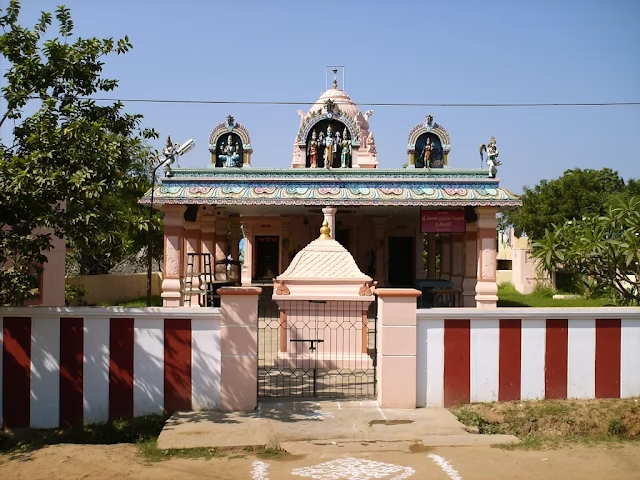
The rhythmic chime of temple bells and the faint scent of incense waft through the corridors of the ancient Kandhaswamy Temple in Cheyyur. Dedicated to Lord Muruga (Kandhaswamy), this Dravidian masterpiece is not merely a structure of stone; it is a living chronicle of Chola piety and the unique theological evolution of Saiva Siddhanta in Tamil Nadu.
As we approach 2026, the temple remains a beacon for devotees seeking the blessings of the “Lord of the Vel.” This guide is engineered for the modern pilgrim, blending historical scholarship with practical logistics, ensuring your visit is both spiritually fulfilling and logistically seamless.
1. Introduction & Spiritual Essence
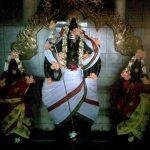
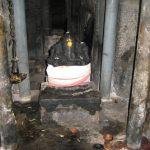
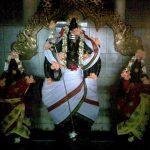
The Kandhaswamy Temple, located in the coastal town of Cheyyur, Kanchipuram District, stands as a testament to the devotion of the Chola dynasty (circa 10th century). While Lord Muruga is the presiding deity, worshipped here as Kandhaswamy alongside his consorts Valli and Deivasena, the temple complex is an architectural ecosystem housing multiple deities.
Phalaśruti: The Spiritual Benefits
According to prevailing tradition and oral lore, a pilgrimage to Cheyyur carries profound benefits:
- Cleansing of Ancestral Karma: The temple is believed to be a powerful site for alleviating Pithru Dosha (ancestral afflictions). The presence of 27 distinct Bhutaganas (associated with celestial stars) allows devotees to address planetary imbalances.
- Victory over Obstacles: As the deity who slew the demon Sooran, Kandhaswamy grants devotees the courage to overcome life’s relentless struggles.
- Relief from Sin (Dosha): Legend dictates that Lord Muruga himself worshipped Shiva here to atone for the sin of slaying a demon. Hence, worshippers believe the deity is exceptionally empathetic to those seeking redemption.
2. Historical Origins & Scriptural Legend
The history of the Kandhaswamy Temple is deeply interwoven with the narrative of the Sthala Purana (local legend).
The Legend of Cheyyur
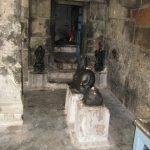
Following the Surasamharam (the slaying of the demon Sooran) at Thiruchendur, Lord Muruga was said to carry the Dosha (sin) of killing a Brahmin demon. To cleanse himself, Muruga installed a Shiva Lingam at this very spot and performed intense penance. The deity here is known as Somanathar (Lord Shiva as the ruler of the moon, Soma). Since Sei (son of Shiva) worshipped here, the town came to be called Cheyyur.
Archaeological & Epigraphical Evidence
While the exact founding date is listed as “-” in standard records, epigraphical inscriptions found on the temple walls confirm its existence during the 10th Century Chola Era. Inscriptions indicate the town was formerly known as Jayamkonda Chola Nallur and Virarajendra Nallur. The temple was constructed in the Dravidian style, adhering to the strict canons of temple architecture established during the zenith of Chola power.
3. Architectural Marvels
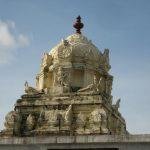
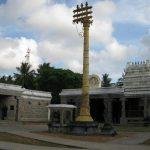
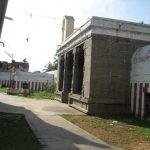
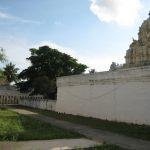
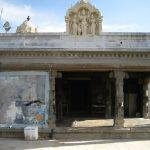
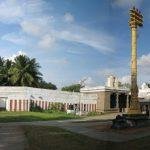
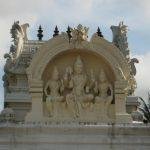
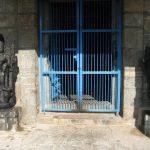
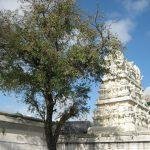
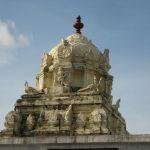
The Kandhaswamy Temple is a quintessential example of Dravidian Architecture. It features a rectangular granite enclosure (Prakaram) and a flat Rajagopuram (entrance tower) facing the North.
Unique Goshta Deities
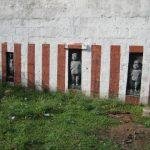
What sets this temple apart from other Saivite shrines is the configuration of the Goshta Devathas (niche deities). Typically, one finds Vinayaka, Dakshinamoorthy, and Durga. However, in Cheyyur, these forms are replaced by unique manifestations of Lord Muruga:
- Nrithuya Kanthar: The dancing Muruga (replacing Vinayaka).
- Brahma Sastha: The teacher of Brahma (replacing Dakshinamoorthy).
- Bala Skanda: The youthful warrior (replacing Vishnu).
- Pulindhar: Muruga as a hunter (replacing Durga).
The 27 Bhutaganas
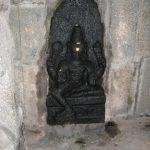
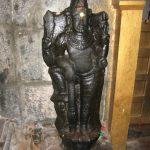
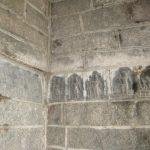
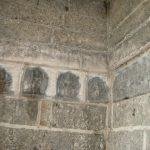
A mesmerizing feature is the row of 27 Bhutaganas (ghostly attendants of Shiva), each 2 feet tall, sculpted into the niches surrounding the sanctum. These figures represent the 27 Nakshatras (stars) in Hindu astrology. Standing guard over the shrine are Brahma and Vishnu acting as Dwarapalakas (guardians)—a rare sight in Murugan temples.
Notable Structures
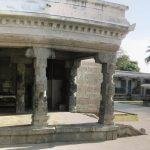
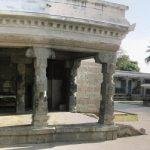
- Artha Mandapam: Features an image of Surya (Sun God) facing the main shrine.
- Chettikulam: The temple tank located to the West, historically significant as Chetty is one of the names of Lord Muruga.
- Sarva Vadya Mandapam: A hall dedicated to music, which was the site of dance recitals and instrumental music until 1947.
4. Darshan & Ritual Logistics
The temple follows the Saivite Agamic traditions. Four major rituals are performed daily, with specific offerings (Neivedyam) and lamp waving (Deeparadanai).
Daily Timings (2026 Schedule)
Note: Timings are subject to change during festivals. Current operating hours as per temple records are:
| Session | Timing | Ritual / Pooja Details |
|---|---|---|
| Morning | 06:00 AM – 12:30 PM | Kalasanthi: 7:00 AM Uchikalam: 12:30 PM |
| Afternoon | 12:30 PM – 4:30 PM | Temple Closed for Mid-day Rest |
| Evening | 04:30 PM – 08:30 PM | Sayarakshai: 6:00 PM Arthajamam: 8:00 PM |
Key Sevas & Online Booking
While standard Abhishekam (sacred bathing) and Archana (recitation of names) can be performed at the counter, the temple administration (HR&CE, Govt. of Tamil Nadu) facilitates digital bookings for major festivals.
- Abhishekam: Performed during specific ritual slots. Special tickets available for Maha Abhishekam on request.
- Sarva Vadyam: A unique ritual involving traditional instruments (Sarva Vadyam is played during festive occasions; historical compositions by Chengalvaraya Sastri are still sung).
- Online Booking: Visit the official Tamil Nadu HR&CE portal (mdudr.tn.gov.in) closer to 2026. Search for “Kandhaswamy Temple Cheyyur” under the Kanchipuram district.
2026 Festival Calendar (Major Dates)
- Thai Poosam: January/February (Pournami of Thai month)
- Vaikasi Visagam: May/June (Birth star of Muruga)
- Aadi Krithigai: July/August
- Kanda Sashti: November/December (Concluding with Surasamharam)
- Panguni Uthiram: March/April (Marriage of Muruga)
5. Practical Visitor Guidance
As a heritage site, the temple offers a raw, unpolished spiritual experience. Modern amenities are available, but visitors should prepare for the authentic rural Tamil Nadu environment.
Visitor Etiquette & Rules
- Dress Code: Strict adherence to traditional attire is required. Men: Dhoti or formal trousers/shirts. Women: Saree, Salwar Kameez, or formal churidar. Avoid shorts/jeans.
- Photography: Photography is allowed in the outer corridors (Prakaram) but strictly prohibited inside the inner sanctum (Garbhagriha). Video recording may require prior permission from the executive officer.
- Mobile Lockers: The temple typically provides a cloakroom for electronic items, but it is advisable to travel light.
- Accessibility: The sanctum is reached via steps. The corridors are wide but wheelchairs may face difficulty on the uneven granite flooring.
Crowd Management & Seasonal Advice
- Best Time to Visit: Weekday mornings (6 AM – 9 AM) are the least crowded.
- Weather: Cheyyur is coastal. May is exceptionally hot; carry a water bottle and umbrella. The monsoon (Oct-Dec) brings heavy rains; the temple tank (Chettikulam) fills beautifully, but travel on ECR can be slippery.
6. Pilgrimage Connectivity
How to Reach
Cheyyur is strategically located about 25 km south of Madurantakam. It serves as a junction between the inland route and the East Coast Road (ECR).
- By Air: Chennai International Airport (MAA) is the nearest airport (approx. 70-80 km via ECR).
- By Rail: The nearest major railway junction is Chengalpattu (approx. 40 km). Local trains to Madurantakam are also available.
- By Road:
- Route 1: From Chennai via ECR towards Puducherry. Take the deviation at Ellaiyamman Koil Bus Stop (5 km to Cheyyur).
- Route 2: From Chengalpattu/Madurantakam via SH-58.
Nearby Sacred Sites (Pilgrimage Circuit)
Extend your journey by visiting these nearby temples within the Kanchipuram district:
- Puttridang Kondaar Temple: Located in Cheyyur, dedicated to Lord Shiva (associated with childbirth/blessing progeny).
- Kariya Mannikakam Perumal Temple: Also in Cheyyur, dedicated to Lord Vishnu.
- Madurantakam Temple: The famous Amirthakadeswarar Temple (Shiva) located 25 km north, known for its large temple tank.
7. Frequently Asked Questions (FAQ)
Is there a VIP Darshan entry at Kandhaswamy Temple?
As a temple managed by the Tamil Nadu HR&CE, there is no exclusive “VIP” entry. However, the temple offers a “Special Darshan” or “Quick Darshan” ticket system during major festivals. For regular days, entry is free for all.
Can we perform the marriage ceremony (Thirukalyanam) at this temple?
Yes, the temple has facilities for conducting weddings, specifically in the Sarva Vadya Mandapam or the Mahamandapam. It is advisable to book the date well in advance through the Executive Officer’s office.
Are non-Hindus allowed inside the temple?
The Kandhaswamy Temple adheres to traditional Saivite customs. While the outer areas are accessible, entry into the inner sanctum is generally restricted to Hindus.
What is the significance of the 27 Vedhalams (Bhootaganas)?
The 27 Vedhalams represent the 27 Nakshatras (lunar mansions/constellations). Worshipping them here is believed to nullify negative planetary influences (Graha Dosham) specific to one’s birth star.
Is there accommodation available at the temple?
The temple itself does not have a guest house. However, Cheyyur town has several lodges and guest houses. For better amenities, pilgrims often stay at Madurantakam or Chengalpattu, which are 25-40 km away but offer more options.
How safe is the parking area?
The temple has a designated parking area for two-wheelers and cars. However, it is an open space. It is recommended to lock your vehicle properly and avoid leaving valuables inside.
Photo Gallery
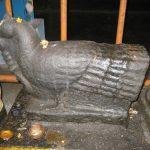
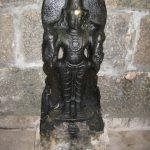
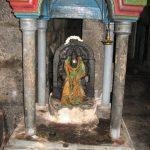
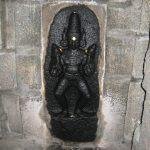
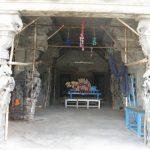
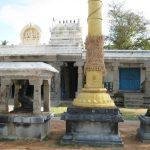
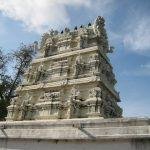
How to Reach
Cheyyur is a taluk in Kanchipuram District of Tamilnadu. One can reach Cheyyur through two routes, one through Madurantakam and the other through the East Coast Road, which goes towards Puducherry. This town is about 25 kms from Madurantakam and 5 kms from the Ellaiyamman Koil Bus Stop on East Coast Road (ECR). The nearest airport is Chennai and railway station is Chengalpattu.
Contact Details:
Kandhaswamy Temple,
Cheyyur, Kanchipuram
Mobile: +91 – 94447 29512
Recent Posts

Shri Kaamkoteeshwar Mandir, Varanasi – History & Significance
In the heart of Kashi, the eternal city of Lord Shiva, where the Ganges flows with celestial grace, stands the Shri Kaamkoteeshwar Mandir. This sacred Sannidhi is not merely a temple but a profound spiritual bridge between the Northern…

ओ सांवरे तूने ही मुझको संभाला – Lyrics & Meaning
ओ सांवरे तूने ही मुझको संभाला – A Prayer to Shyam Origin & Spiritual Essence Why This Bhajan Resonates Devotees chant this when overwhelmed by life’s storms—the refrain ‘तूने ही मुझको संभाला’ is the soul’s sigh of relief: “You…

कथा ये है महाराज मेरे की – Lyrics & Meaning
कथा ये है महाराज मेरे की छत्रपति संभाजी महाराज – A Prayer to Chhatrapati Sambhaji Maharaj Origin & Spiritual Essence Why This Bhajan Resonates Devotees chant this when their spirit feels tested—its powerful refrain “महाराज मेरे” is a soul’s…

Rigveda Samhita Yathartha Anuvada (ऋग्वेद संहिता यथार्थ अनुवाद) – Complete Set with Anvayartha & Hindi/English Translation
The Rigveda is the oldest surviving scripture of humanity and the foundational text of Sanātana Dharma. For serious students, scholars, UPSC aspirants studying ancient Indian history, Sanskrit learners, and spiritual seekers, a precise and grammatically structured translation is indispensable.…

आना भी अकेला है जाना भी अकेला है – Lyrics & Meaning | BharatTemples
आना भी अकेला है जाना भी अकेला है – A Prayer to the Divine Witness Origin & Spiritual Essence Why This Bhajan Resonates Devotees turn to this bhajan in moments of deep reflection—when life’s attachments begin to ache. The…

माता शेरावाली के द्वार जो भी जाता है – Lyrics & Meaning
माता शेरावाली के द्वार जो भी जाता है – A Prayer to Maa Sherawali Origin & Spiritual Essence Why This Bhajan Resonates Devotees turn to this bhajan in times of fear or uncertainty—its promise that no one leaves Maa’s…

मार लेना सपणी उबार लेणा भवरा – Lyrics & Meaning
मार लेना सपणी उबार लेणा भवरा – A Prayer to the Divine Beloved Origin & Spiritual Essence Why This Bhajan Resonates Devotees chant this in moments of deep vulnerability—its cry of “मार लेना सपणी, उबार लेणा भवरा” is the…

हमें श्याम सुंदर भरोसा तुम्हारा – Lyrics & Meaning
हमें श्याम सुंदर भरोसा तुम्हारा – A Prayer to Shyam Sundar Origin & Spiritual Essence Why This Bhajan Resonates Devotees chant this when feeling alone—its refrain ‘de do sahara’ is the soul’s cry for divine support. Lyrics in Hindi…

Mere Satguru Ne Di Thi Davai Lyrics in Hindi & Meaning
Mere Satguru Ne Di Thi Davai: Invoking the Guru’s Liberating Wisdom This soul-stirring bhajan venerates the Satguru (True Spiritual Master) as the divine physician who dispenses the only remedy for life’s deepest sufferings. Composed by Sant Karmaveer Tufani, it…

Janm Diyo Thari Maa Dukh Dekhiyo Lyrics in Hindi & Meaning
जन्म दियो थारी माँ दुख देखियो (Maa’s Grief Upon Birthing You) This soul-stirring Chetavani Bhajan (admonitory hymn) is addressed to the Divine Mother (Maa) – a call for repentance when children forget their filial duties in the dark age…