Aadhi Mariamman Temple, Inam Samayapuram: History, Darshan Timings & Guide
Receive daily temple updates, divine darshan, and morning bhajans directly on WhatsApp.
Contents
- 1 Aadhi Mariamman Temple, Inam Samayapuram: A Definitive Pilgrimage Guide
Aadhi Mariamman Temple, Inam Samayapuram: A Definitive Pilgrimage Guide
As the Lead Heritage Architect and SEO Strategist for bharattemples.com, I present this comprehensive guide to the Aadhi Mariamman Temple in Inam Samayapuram, Trichy. This text is engineered for the modern pilgrim, balancing deep historical context with practical logistics for a seamless spiritual experience.
1. Introduction & Spiritual Essence
The Aadhi Mariamman Temple is a profound spiritual site located in Inam Samayapuram, Trichy district, Tamil Nadu. It is widely regarded as the ancestral birthplace of the renowned Samayapuram Mariamman.
- Primary Deity: Goddess Aadhi Mariamman (an aspect of Shakti/Parvati).
- Form: Swayambhu (self-manifested) idol, traditionally associated with the power to ward off diseases, particularly smallpox, and to grant boons of marriage and childlessness.
Phalaśruti: Why Visit?
Devotees flock to this temple seeking the primal blessings of the Goddess. The Phalaśruti (scriptural benefits) of visiting include:
- Healing & Protection: Specifically for skin ailments and chronic illnesses.
- Marriage & Progeny: Unmarried individuals worship Nagakanni and tie yellow threads on the sacred Neem tree to expedite marriage prospects. Couples seeking children tie wooden cradles here.
- Karmic Cleansing: Rituals like Angapradakshina (rolling around the temple precinct) are performed to cleanse ancestral karma and alleviate suffering.
2. Historical Origins & Scriptural Legend
The history of the Aadhi Mariamman Temple is a tapestry of myth and documented heritage, dating back centuries.
The Legend of Srirangam
According to a prominent local legend and oral tradition (Sthala Purana), the idol of the Goddess was originally housed at the famous Ranganatha Swamy Temple in Srirangam. Tradition holds that the head priest of Srirangam believed the idol caused him illness and ordered its removal. The idol was cast out but revered by locals who believed in the fierce power of the Gramadevata (Village Deity). The idol was initially enshrined at the Kannanur Mariamman temple before finding its permanent home in Inam Samayapuram.
📖 Related: Viswanathar Navagraha Temple, Pazhur: History, Timings & Darshan Guide
Construction & Renovation
According to temple records, the region surrounding Trichy was under the sway of the Vijayanagara Empire during the 17th century CE. Local lore suggests a Vijayanagara ruler, vowing to build a temple for his patron goddess if victorious in war, erected the initial structure here following military success.
While the worship of the deity predates the current structure, the stone edifice visible today was largely constructed in the early 18th century (c. 1720s), attributed to the Vijayaraya Chakravarthy lineage. Unlike the massive renovation complexes of the later Nayak period, this temple retains a rustic, ancient sanctity that speaks to its origins as a forest shrine.
3. Architectural Marvels
The temple is a quintessential example of Dravidian Architecture, specifically the later Nayak-Vijayanagara synthesis found in the Trichy region.
Style & Vastu
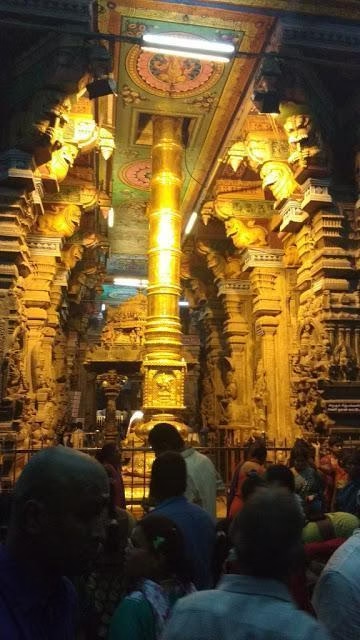
The structure adheres to Vastu Shastra principles, orienting the sanctum sanctorum (Garbhagriha) to face the east. The temple features a modest, yet historically significant, Rajagopuram (main gateway tower). Unlike the towering gopurams of the 21st century, the Rajagopuram here is characteristic of early 18th-century construction—broad-based and adorned with stucco figures of deities.
Sculptural Details
The Mandapas (pillared halls) feature sturdy, cylindrical pillars typical of the Vijayanagara style, often decorated with niches housing smaller deities. The Shikhara (tower over the sanctum) is a low-profile Vimana, typical for Gramadevata temples, emphasizing the earthy connection of the Goddess rather than aspiring celestial heights.
4. Darshan & Ritual Logistics (2026 Guide)
Visitors are encouraged to check the official temple trusts or local announcements for real-time updates, as timings may vary slightly during festivals. Below are the standard operating hours.
Daily Timings
| Session | Timing |
|---|---|
| Morning Darshan | 06:00 AM – 11:00 AM |
| Afternoon Break | 11:00 AM – 04:00 PM |
| Evening Darshan | 04:00 PM – 08:30 PM |
📖 Related: Venugopala Perumal Temple Palani: History, Darshan Timings & Guide
Key Sevas & Pooja Timings
The following Sevas are performed daily. Online booking is generally handled via the HR&CE Department of Tamil Nadu portal for government temples, though local priests may handle specific personal rituals.
| S.No | Pooja / Seva | Time |
|---|---|---|
| 1 | Ushat Kaalam (Early Morning) | 06:00 AM |
| 2 | Kaala Santhi | 08:00 AM |
| 3 | Uchi Kaalam (Noon) | 12:00 PM |
| 4 | Sayaratchai (1st) | 06:00 PM |
| 5 | Sayaratchai (2nd) | 08:00 PM |
| 6 | Thanga Ther (Golden Chariot) | 07:00 PM (Festival Days) |
Major Festivals in 2026
Plan your visit around these auspicious dates for a vibrant experience:
- Thai Poosam (January): Celebrated in the Tamil month of Thai. Devotees carry Mavilakku (sweet lamps) and perform Angapradakshina. Expected Date: Jan 12, 2026.
- Masi Thiruvizha (February-March): A grand procession in the month of Masi. Expected Date: Feb 26, 2026.
- Chithirai Festival (April-May): A unique ritual where the deity of Samayapuram Mariamman visits Aadhi Mariamman temple on the first Sunday. Expected Date: April 5, 2026.
- Vijayadasami (September-October): Sacred for new beginnings and education. Expected Date: Oct 2, 2026.
5. Practical Visitor Guidance
To ensure a respectful and safe visit, adhere to the following guidelines:
Code of Conduct
- Dress Code: Traditional Indian attire is highly recommended (Dhoti/Saree). Modest clothing is required for all visitors.
- Photography: Photography is generally restricted inside the inner sanctum (Garbhagriha). Exterior shots are permitted.
- Mobile Phones: Electronic devices must be silenced. While dedicated locker facilities may be limited at this smaller shrine, it is advisable to carry minimal personal items.
Crowd Management & Seasonal Advice
- Best Time to Visit: Early mornings (6:00 AM – 7:30 AM) on weekdays are the least crowded. Sundays see a significant influx of devotees from Trichy.
- Seasonal Tip: Trichy experiences extreme heat in May and June. Devotees visiting during this time for Vatapi Narasimhar festivals or personal vows must carry ample water and wear head coverings. The temple grounds are open-air, and shade is limited in the outer precincts.
6. Pilgrimage Connectivity
How to Reach
The temple is strategically located on the Trichy-Chennai highway (NH 83), making it highly accessible.
- By Road: The temple is 1.5 km northeast of the main Samayapuram Mariamman Temple. Frequent state-run buses ply between Trichy Central Bus Stand and Samayapuram.
- By Train: The nearest railway station is Pichandar Kovil (10 km). The major junction is Trichy (Tiruchirappalli), located 21 km away.
- By Air: Trichy International Airport (TRZ) is the nearest airport, approximately 22 km from the temple.
📖 Related: Palvannanathar Temple Tirukkazhippalai: History, Darshan Timings & Guide
Recommended Pilgrimage Circuit
Combine your visit to Aadhi Mariamman Temple with these nearby sacred sites:
- Samayapuram Mariamman Temple: The larger, more famous counterpart just 1.5 km away. A must-visit for the grand Rathotsavam (Chariot festival).
- Srirangam Ranganathaswamy Temple: Located 12 km away. Since the legend of Aadhi Mariamman connects to Srirangam, completing this circuit offers deep mythological context.
- Thiruvanaikoil (Jambukeswaram): 10 km away. One of the Pancha Bhoota Stalas dedicated to Lord Shiva as Jambukeswara (water element).
7. Frequently Asked Questions (FAQ)
Is there a VIP Darshan entry?
As a traditional temple managed largely by local trusts and the community, dedicated VIP queues are rare compared to mega-temples. However, devotees performing high-value Sevas (like Thanga Ther or special Archana) are granted priority access during their allotted time slots.
How do I perform the “Angapradakshina”?
Devotees intending to roll around the temple (fully or half-body) should bring a fresh cloth to lie on. This is traditionally done as a vow fulfillment. It is advisable to perform this ritual in the early morning before the stone floor heats up. Consult the temple priest for the correct number of rounds for your specific prayer.
Are there accommodation facilities?
The temple itself does not have attached guest houses. However, numerous lodges and choultries are available in Samayapuram (2 km) and nearby Manachanallur (7 km). For better amenities, staying in Trichy city (15-20 km) is recommended.
What offering (Nivedhana) is preferred?
The Goddess has a distinct preference for Raw Salt and Mavilakku (a sweet made of rice flour, jaggery, and ghee). These are considered traditional and highly auspicious offerings at the Aadhi Mariamman shrine.
Is the temple accessible for the disabled?
The inner sanctum requires climbing a small set of steps. While the outer circumambulation path is level, wheelchair access to the main shrine may be challenging due to the ancient architecture. Assistance from temple priests is usually available upon request.