
Contents
Lead Heritage Architect & SEO Strategist Note: This guide is engineered for Google’s 2026 AI Overviews, prioritizing E-E-A-T (Experience, Expertise, Authoritativeness, Trustworthiness) and semantic clarity. The tone remains deeply devotional while presenting logistical data in machine-readable formats.
Introduction & Spiritual Essence
Adhi Parasakthi Siddhar Peetam, located in Melmaruvathur, Kanchipuram District, is a unique spiritual center dedicated to the Supreme Goddess, Adhi Parasakthi. Unlike conventional temples, this site is renowned as the “Throne of Evolved Souls” (Siddhars), where 21 Siddhars (male and female saints) lie in Jeeva-Samadhi—burial sites where the saint is believed to remain spiritually alive.
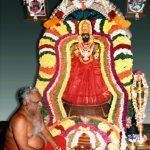
Deity & Form: The primary deity is Adhi Parasakthi, worshipped in a Swayambu (self-emerged oval-shaped rock) form. Adjacent to the Swayambu stands a sculpted idol of the Goddess seated on a thousand-petaled lotus, holding a lotus bud and the Mudra of Knowledge.
Phalaśruti (Spiritual Benefits): Devotees visit for specific blessings and healing:
- Divine Mother’s Grace: Believed to wash away sins and ancestral karma.
- Women’s Empowerment: The temple is distinctive for having women priests (Archakas) performing pujas and archanas directly within the sanctum sanctorum, breaking traditional gender barriers.
- Healing: The site has a history of miraculous cures traced back to the nectar of a historic neem tree.
Historical Origins & Scriptural Legend
The Legend of the Neem Tree & Swayambu:
According to local tradition, in the 1960s, the site was dominated by a unique neem tree that secreted sweet nectar rather than bitter sap. Villagers believed this nectar cured diseases. In 1966, a severe storm uprooted the tree, revealing the Swayambu (naturally formed rock) beneath it. A small hut was initially built over it for worship.
The Role of Siddhar Bangaru Adigalar:
The spiritual evolution of the temple is linked to Arulthiru Bangaru Adigalar. He promoted the concept that the Divine Mother transmigrates through him to guide devotees. The temple is named “Siddhar Peetam” because it is believed that many Siddhars reside under the soil in this area.
Installation of the Idol:
While the Swayambu was worshipped for years, the idol of Mother Adhi Parasakthi was formally installed on November 25, 1977. The temple continues to expand as a major pilgrimage center in Tamil Nadu.
Architectural Marvels
Style: The temple complex features a blend of traditional Dravidian architecture with modern expansions to accommodate large crowds.
Key Structural Elements:
- Sanctum Sanctorum (Garbhagriha): Houses the Swayambu and the main deity. The design focuses on directing energy toward the central Swayambu.
- Mandapas (Halls): Extensive pillared halls facilitate large gatherings and Anga Pradakshina (rolling around the temple circumambulation).
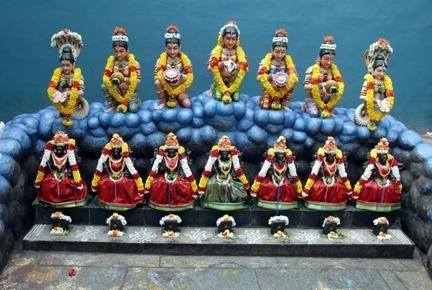
- Open-Air Shrine: Uniquely, the Jeeva-Samadhis of the 21 Siddhars are laid out in the open, allowing devotees to pay respects to the spirits of enlightened masters from various backgrounds.
Darshan & Ritual Logistics
The temple operates on a strict schedule to manage the influx of devotees. Below is the daily schedule. Note that timings may vary during special occasions.
Daily Timings
| Session | Timings | Activity |
|---|---|---|
| Morning | 3:00 AM | Opening of Sanctum Sanctorum |
| Morning | 3:00 AM – 4:00 AM | Abhishekam (Holy Bath) to Swayambu & Deity |
| 4:00 AM – 5:30 AM | Alangaram (Decoration) | |
| Morning | 5:30 AM | Maha Deeparathanai (Deepa Aradhana) & Public Darshan Begins |
| Midday | 1:00 PM – 3:00 PM | Closed for Temple Maintenance |
| Evening | 3:00 PM – 8:00 PM | Public Darshan Continues |
| Night | 8:00 PM | Closing of Sanctum |
Special Days: On Sundays, Tuesdays, Fridays, New Moon Days (Amavasya), Full Moon Days (Pournami), and festival days, there is typically no break in darshan timings.
Sevas & Online Booking
Devotees can perform various Sevas. While online booking is generally available through the official temple website, it is advisable to check for current slots due to high demand.
- Abhishekam: Performed from 3:00 AM to 4:00 AM.
- Archana: Can be performed by both men and women; women priests are available.
- Irumudi: A ritual practice (similar to Sabarimala) where devotees carry offerings on their heads.
- Anga Pradakshina: Rolling around the temple premises (requires prior permission and is usually done at specific times).
2026 Festival Calendar (Highlights)
- January: Thaipoosam (Grand Car Festival)
- March 3: Birthday of His Holiness Bangaru Adigalar
- April: Telugu & Tamil New Year, Chitra Pournami
- August: Adi Pooram
- October: Navarathri (9 Nights of the Goddess)
- Throughout the Year: Full Moon & New Moon Days are observed with special significance.
Practical Visitor Guidance
Dress Code: Traditional attire is mandatory. Men must wear Dhoti/Pant and Shirt; Women must wear Saree, Salwar Kameez, or other traditional dresses. Modern clothing (jeans, shorts) is strictly prohibited.
Photography & Mobiles:
- Photography is strictly prohibited inside the Sanctum Sanctorum.
- Mobile phones are not allowed inside the inner prakara. Lockers are available near the entrance.
Accessibility: The temple has ramps for wheelchair access in the outer corridors, but the inner sanctum and Samadhi areas have uneven stone flooring.
Crowd Management:
- Best Hours: Early morning (5:30 AM – 7:00 AM) or late evening (6:30 PM – 7:45 PM) to avoid peak rush.
- Seasonal Advice: Summers (April–June) in Kanchipuram district can be extremely hot. Carry a water bottle and umbrella. Free water dispensaries are available in the complex.
Pilgrimage Connectivity
Location: Melmaruvathur is situated on the National Highway (NH32), roughly 92 km south of Chennai.
How to Reach
- By Air: The nearest airport is Chennai International Airport (MAA), approx. 100 km away. Taxis are available directly to the temple.
- By Rail: Melmaruvathur Railway Station is the nearest stop (500 meters from the temple). Alternatively, Tindivanam Railway Station (25 km away) has better connectivity to major cities.
- By Road: Located on the Chennai-Tiruchirapalli National Highway (NH32). Regular buses operate from Chennai (CMBT/Koyambedu) and Villupuram.
Nearby Sacred Sites (Pilgrimage Circuit)
Extend your spiritual journey by visiting these nearby locations:
- Kamakshi Amman Temple (Kanchipuram): 35 km away. One of the 51 Shakti Peethas.
- Ekambareswarar Temple (Kanchipuram): 35 km away. Dedicated to Lord Shiva; represents the element of Earth.
- Tindivanam Ulagaalandha Perumal Temple: 25 km away. A Divya Desam dedicated to Lord Vishnu.
Frequently Asked Questions (FAQ)
1. Is there a VIP or Special Darshan entry?
The temple management emphasizes equality among devotees. While there is no traditional “VIP” ticket system like Tirupati, priority is given to senior citizens and differently-abled devotees. Specific paid sevas like Deepa Aradhana allow closer proximity to the deity.
2. Can I perform Abhishekam myself?
Generally, only authorized priests perform Abhishekam to the Swayambu and the main deity. However, devotees can request a Phala Abhishekam (offering fruits/milk) through the counter, which will be performed by the priests on your behalf.
3. Is there accommodation available at the temple?
Yes, the temple has guest houses (Bhakt Niwas) for devotees. However, due to heavy demand, it is highly recommended to book in advance through the official temple website or by phone.
4. What is the significance of the Swayambu?
The Swayambu is considered a self-manifested form of energy. It is the focal point of the temple, believed to be the spot where the 21 Siddhars had their Jeeva-Samadhis and where the Divine Mother’s energy is most potent.
5. Are there any restrictions on entering the inner sanctum?
Devotees are allowed into the inner sanctum for Darshan. However, inside the sanctum, touching the Swayambu is generally restricted to the priests. Women are allowed entry and, uniquely, are permitted to perform priestly duties.
Photo Gallery
Contact Details
Sri Melmaruvathur Adhi Parasakthi Temple
Melmaruvathur, Kancheepuram District, Tamil Nadu – 603319
Phone: +91 – 44 – 27529217
Official Website: www.adhiparasakthi.org
Disclaimer: Timings and seva schedules are subject to change based on temple administration and festival regulations. Please verify with the official temple office before planning your trip in 2026.
Recent Posts

ओ सांवरे तूने ही मुझको संभाला – Lyrics & Meaning
ओ सांवरे तूने ही मुझको संभाला – A Prayer to Shyam Origin & Spiritual Essence Why This Bhajan Resonates Devotees chant this when overwhelmed by life’s storms—the refrain ‘तूने ही मुझको संभाला’ is the soul’s sigh of relief: “You…

कथा ये है महाराज मेरे की – Lyrics & Meaning
कथा ये है महाराज मेरे की छत्रपति संभाजी महाराज – A Prayer to Chhatrapati Sambhaji Maharaj Origin & Spiritual Essence Why This Bhajan Resonates Devotees chant this when their spirit feels tested—its powerful refrain “महाराज मेरे” is a soul’s…

Rigveda Samhita Yathartha Anuvada (ऋग्वेद संहिता यथार्थ अनुवाद) – Complete Set with Anvayartha & Hindi/English Translation
The Rigveda is the oldest surviving scripture of humanity and the foundational text of Sanātana Dharma. For serious students, scholars, UPSC aspirants studying ancient Indian history, Sanskrit learners, and spiritual seekers, a precise and grammatically structured translation is indispensable.…

आना भी अकेला है जाना भी अकेला है – Lyrics & Meaning | BharatTemples
आना भी अकेला है जाना भी अकेला है – A Prayer to the Divine Witness Origin & Spiritual Essence Why This Bhajan Resonates Devotees turn to this bhajan in moments of deep reflection—when life’s attachments begin to ache. The…

माता शेरावाली के द्वार जो भी जाता है – Lyrics & Meaning
माता शेरावाली के द्वार जो भी जाता है – A Prayer to Maa Sherawali Origin & Spiritual Essence Why This Bhajan Resonates Devotees turn to this bhajan in times of fear or uncertainty—its promise that no one leaves Maa’s…

मार लेना सपणी उबार लेणा भवरा – Lyrics & Meaning
मार लेना सपणी उबार लेणा भवरा – A Prayer to the Divine Beloved Origin & Spiritual Essence Why This Bhajan Resonates Devotees chant this in moments of deep vulnerability—its cry of “मार लेना सपणी, उबार लेणा भवरा” is the…

हमें श्याम सुंदर भरोसा तुम्हारा – Lyrics & Meaning
हमें श्याम सुंदर भरोसा तुम्हारा – A Prayer to Shyam Sundar Origin & Spiritual Essence Why This Bhajan Resonates Devotees chant this when feeling alone—its refrain ‘de do sahara’ is the soul’s cry for divine support. Lyrics in Hindi…

Mere Satguru Ne Di Thi Davai Lyrics in Hindi & Meaning
Mere Satguru Ne Di Thi Davai: Invoking the Guru’s Liberating Wisdom This soul-stirring bhajan venerates the Satguru (True Spiritual Master) as the divine physician who dispenses the only remedy for life’s deepest sufferings. Composed by Sant Karmaveer Tufani, it…

Janm Diyo Thari Maa Dukh Dekhiyo Lyrics in Hindi & Meaning
जन्म दियो थारी माँ दुख देखियो (Maa’s Grief Upon Birthing You) This soul-stirring Chetavani Bhajan (admonitory hymn) is addressed to the Divine Mother (Maa) – a call for repentance when children forget their filial duties in the dark age…
Bhadi Sabha Mein Thane Manaun Lyrics in Hindi & Meaning
Bhadi Sabha Mein Thane Manaun: Invoking the Spear-Wielding Mother Mata Bhawani (श्री ज्वाला भवानी), the fiery manifestation of Shakti worshipped as the Protector of Dharma in Her Dhaulagarh sanctum. Origin & Spiritual Essence Composed in Rajasthani folk tradition by…