

Contents
Introduction & Spiritual Essence: The Abode of Sage Agastya
Nestled in the serene village of Nathanallur, just outside the historic town of Kanchipuram, stands the ancient Agastheeshwarar Temple. Dedicated to Lord Shiva, worshipped here as Agastheeshwarar (the Lord who manifested for the Sage Agastya) and Agastyeswarar, this temple represents the profound spiritual legacy of Southern Tamil Nadu. The presiding deity is a Swayambhu (self-manifested) Lingam, radiating a tranquil yet powerful presence.
For the devotee, this temple is a gateway to spiritual liberation and ancestral peace. The primary Phalaśruti (benefits of worship) cited in local traditions is the Prarabdha Dosha Nivarana—the mitigation of karmic debts carried over from past lives. It is widely believed that performing abhishekam for Lord Agastheeshwarar cleanses the soul of ancestral karma, ensuring peace for departed forefathers while granting spiritual progress to the devotee.
Historical Origins & Scriptural Legend
According to temple records and local folklore, the origins of this shrine are deeply rooted in the Skanda Purana and the legend of Sage Agastya. Tradition holds that during the epic wedding of Lord Shiva and Parvati, a massive crowd gathered to witness the event in the Himalayas. To balance the celestial weight and prevent the earth from tilting, Lord Shiva requested the sage to travel south. Sage Agastya, deeply devoted to Shiva, established a lingam here to worship the Lord without having to miss the divine wedding in the north. Thus, the Lord manifested here as Agastheeshwarar.
Archaeological evidence and stylistic analysis suggest the temple was originally constructed during the Pallava era (6th–9th century CE), known for establishing the foundations of Dravidian temple architecture. While the ruins have seen periods of neglect, recent decades have seen revitalization efforts by the local villagers. The village of Nathanallur derives its name from the celebrated poet Nathathanar, composer of the classical Tamil literature Sirupanatrupadai, who was born here.
Architectural Marvels: Dravidian Style
The Agastheeshwarar Temple exemplifies the classical Dravidian style of architecture, characterized by its pyramidal towers and intricate carvings. Though modest in scale compared to the grand Kanchipuram Kamakshi Amman temple, the structural elements are pure in form.
The temple features a modest yet aesthetically pleasing Vimana (tower over the sanctum sanctorum) and a Mandapa (pillared hall) adorned with monolithic pillars. These pillars showcase the craftsmanship of the Pallava artisans, featuring carvings of deities, mythical creatures, and floral motifs that resonate with Vastu Shastra principles, ensuring the flow of positive energy toward the inner sanctum. The temple tank, located adjacent to the shrine, is a significant feature used for ritual purification during festivals.
| Date built: | – |
|---|---|
| Deity: | Agastheeshwarar |
| Architectural style: | Dravidian architecture |
| Major festivals | – |
| Locale: | Nathanallur |
| District:: | Kanchipuram |
| Address: | – |
| Phone | – |
Darshan & Ritual Logistics (2026 Guide)
The temple follows traditional Tamil Nadu Agama rituals. One Kala Pooja is performed daily. The atmosphere is defined by the collective devotion of the villagers who regularly conduct bhajans.
Daily Timings
| Session | Timing |
|---|---|
| Morning Darshan | 6:00 AM – 11:00 AM |
| Midday Closure | 11:00 AM – 4:30 PM |
| Evening Darshan | 4:30 PM – 8:00 PM |
Key Sevas and Booking
While the temple primarily functions on a community basis, offerings can be made directly at the counter. For those seeking to perform specific rituals, the following are recommended:
- Abhishekam: Performed with milk, honey, and vibhuti. Best time: Morning (8:00 AM – 10:00 AM).
- Archana: Recitation of divine names.
- Rudra Homam: Performed during special occasions.
Note: As of 2026, specific online booking platforms may not be available for this local heritage site. It is advised to coordinate with the temple caretaker or local village committee for advanced arrangements.
Major Festivals in 2026
- Maha Shivaratri: February 26, 2026 – The most significant night of worship with extended darshan timings.
- Pradosham: Monthly (13th day of the lunar fortnight) – Special Abhishekam during twilight.
- Karthigai Deepam: November 4, 2026 – Lighting of the sacred lamp.
- Annabishekam: October 2026 (Tamil month of Aippasi) – Abhishekam with cooked rice offering.
Practical Visitor Guidance
As Nathanallur is a traditional village, visitors are expected to adhere to local customs to ensure a respectful visit.
- Dress Code: Traditional attire is highly recommended. Men should wear dhotis or trousers with shirts; women should wear sarees or salwar kameez. Avoid shorts and sleeveless tops.
- Photography: Photography is generally allowed in the outer precincts and mandapas but is strictly prohibited inside the sanctum sanctorum (Garbhagriha).
- Footwear & Lockers: There are no modern locker facilities. It is customary to leave shoes outside the temple premises at the designated stand.
- Crowd Management: Unlike the larger Kanchipuram temples, this site is relatively peaceful. However, during Shivaratri and Pradosham, expect moderate crowds. Best time to visit: November to February when the weather is cool.
- Seasonal Advice: If visiting in May (summer), carry water and an umbrella, as the village surroundings offer limited shade.
Pilgrimage Connectivity
The temple is well-connected via road and is a vital stop on the Kanchipuram rural pilgrimage circuit.
How to Reach
- By Road: Nathanallur is located on State Highway 48 (SH-48). It is 5.5 km from Walajabad and 20.9 km from Kanchipuram. From Chennai, it is approximately 70 km via NH48.
- By Train: The nearest railway station is Walajabad Railway Station (approx. 6 km). For broader connectivity, Kanchipuram Railway Station is the major hub.
- By Air: Chennai International Airport (MAA) is the nearest airport, roughly 1.5 hours away by car.
Nearby Sacred Sites
Extend your pilgrimage by visiting these nearby temples:
- Ulagalandha Perumal Temple (Kanchipuram): Located 21 km away, dedicated to Lord Vishnu in his Vamana (dwarf) avatar.
- Varadaraja Perumal Temple (Kanchipuram): A UNESCO heritage site famous for its ancient lizard carvings.
- Kamakshi Amman Temple (Kanchipuram): The seat of the Goddess and one of the holiest Shakti Peethas.
Photo Gallery

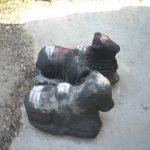
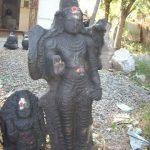
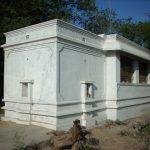
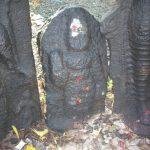
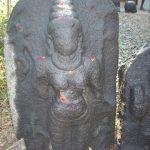
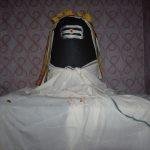
Frequently Asked Questions (FAQ)
1. Is there a VIP darshan entry at Agastheeshwarar Temple?
Given the temple’s heritage nature and community management, there is no formal VIP entry system. Darshan is accessible to all devotees equally. However, visiting early in the morning (6:00 AM – 7:00 AM) ensures a quicker, more peaceful audience with the deity.
2. What is the significance of the temple tank?
The temple tank (Teppakulam) is traditionally used for ritual purification before entering the temple. It is believed to have been constructed during the reign of the Nayak rulers and is an integral part of the temple’s Vastu layout.
3. Are non-Hindus allowed inside the temple?
As a traditional Saivite temple following ancient customs, entry is generally restricted to devotees of Hinduism. This is to maintain the sanctity of the Agamic rituals practiced within the Garbhagriha.
4. What is the contact number for the temple?
Official contact details are not publicly listed for the Agastheeshwarar Temple in Nathanallur. For inquiries, it is best to visit the local village office in Walajabad or speak with the temple caretaker (Pujari) on-site.
5. Can we conduct marriages or functions at this temple?
Yes, the temple hall (Mandapa) can be utilized for small religious gatherings and marriages. Permission must be obtained from the local temple committee in advance.
Recent Posts

Shri Kaamkoteeshwar Mandir, Varanasi – History & Significance
In the heart of Kashi, the eternal city of Lord Shiva, where the Ganges flows with celestial grace, stands the Shri Kaamkoteeshwar Mandir. This sacred Sannidhi is not merely a temple but a profound spiritual bridge between the Northern…

ओ सांवरे तूने ही मुझको संभाला – Lyrics & Meaning
ओ सांवरे तूने ही मुझको संभाला – A Prayer to Shyam Origin & Spiritual Essence Why This Bhajan Resonates Devotees chant this when overwhelmed by life’s storms—the refrain ‘तूने ही मुझको संभाला’ is the soul’s sigh of relief: “You…

कथा ये है महाराज मेरे की – Lyrics & Meaning
कथा ये है महाराज मेरे की छत्रपति संभाजी महाराज – A Prayer to Chhatrapati Sambhaji Maharaj Origin & Spiritual Essence Why This Bhajan Resonates Devotees chant this when their spirit feels tested—its powerful refrain “महाराज मेरे” is a soul’s…

Rigveda Samhita Yathartha Anuvada (ऋग्वेद संहिता यथार्थ अनुवाद) – Complete Set with Anvayartha & Hindi/English Translation
The Rigveda is the oldest surviving scripture of humanity and the foundational text of Sanātana Dharma. For serious students, scholars, UPSC aspirants studying ancient Indian history, Sanskrit learners, and spiritual seekers, a precise and grammatically structured translation is indispensable.…

आना भी अकेला है जाना भी अकेला है – Lyrics & Meaning | BharatTemples
आना भी अकेला है जाना भी अकेला है – A Prayer to the Divine Witness Origin & Spiritual Essence Why This Bhajan Resonates Devotees turn to this bhajan in moments of deep reflection—when life’s attachments begin to ache. The…

माता शेरावाली के द्वार जो भी जाता है – Lyrics & Meaning
माता शेरावाली के द्वार जो भी जाता है – A Prayer to Maa Sherawali Origin & Spiritual Essence Why This Bhajan Resonates Devotees turn to this bhajan in times of fear or uncertainty—its promise that no one leaves Maa’s…

मार लेना सपणी उबार लेणा भवरा – Lyrics & Meaning
मार लेना सपणी उबार लेणा भवरा – A Prayer to the Divine Beloved Origin & Spiritual Essence Why This Bhajan Resonates Devotees chant this in moments of deep vulnerability—its cry of “मार लेना सपणी, उबार लेणा भवरा” is the…

हमें श्याम सुंदर भरोसा तुम्हारा – Lyrics & Meaning
हमें श्याम सुंदर भरोसा तुम्हारा – A Prayer to Shyam Sundar Origin & Spiritual Essence Why This Bhajan Resonates Devotees chant this when feeling alone—its refrain ‘de do sahara’ is the soul’s cry for divine support. Lyrics in Hindi…

Mere Satguru Ne Di Thi Davai Lyrics in Hindi & Meaning
Mere Satguru Ne Di Thi Davai: Invoking the Guru’s Liberating Wisdom This soul-stirring bhajan venerates the Satguru (True Spiritual Master) as the divine physician who dispenses the only remedy for life’s deepest sufferings. Composed by Sant Karmaveer Tufani, it…

Janm Diyo Thari Maa Dukh Dekhiyo Lyrics in Hindi & Meaning
जन्म दियो थारी माँ दुख देखियो (Maa’s Grief Upon Birthing You) This soul-stirring Chetavani Bhajan (admonitory hymn) is addressed to the Divine Mother (Maa) – a call for repentance when children forget their filial duties in the dark age…