

Contents
Introduction & Spiritual Essence
Nestled in the spiritual heartland of the Kaveri delta, the Alanthurai Nathar Temple (also revered as the Brahmapureeswarar Temple of Thirpullamangai) stands as a monumental testament to the glory of Lord Shiva. Classified as the 133rd Paadal Petra Sthalam, this temple is hallowed by the hymns of Saint Tirugnana Sambandar in the 7th century Thevaram. The presiding deity, Alanthurai Nathar (the Lord of the Banyan Riverbank), is a Swayambhu (self-manifested) Lingam facing East.
Why Devotees Visit (Phalaśruti)
Devotees flock to this sacred shrine seeking spiritual liberation and the removal of obstacles. The temple is renowned for:
- Resolution of Ancestral Karma: Performing rituals here is believed to liberate ancestors from the cycle of rebirth.
- Removal of Curses (Sapa Vimochana): Particularly associated with Lord Brahma, who is said to have worshipped here to regain his creative faculties after a curse from Lord Vishnu.
- Protection from Evil: As the abode of Naga Shakti, the temple offers protection from planetary afflictions and negative energies.
Historical Origins & Scriptural Legend
The history of Alanthurai Nathar Temple is a narrative woven through centuries of devotion and royal patronage.
Chola Dynasty & Thevaram Era
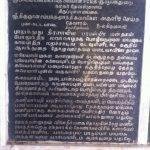
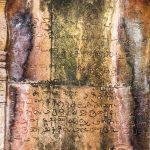
While the presence of natural springs and brick structures likely dates back to the early Sangam period (circa 6th century), the stone temple in its current form was erected during the reign of Parantaka Chola I (907–953 AD). Inscriptions within the temple complex attribute the construction to the “Parantaka School of Architecture,” marking a transition from brick to granite.
Saint Tirugnana Sambandar, in the Panniru Thirumurai, references “Pulamangai” (the ancient name for Thirpullamangai). His hymns describe a landscape teeming with natural springs and owls (a symbol of the Goddess Lakshmi), and an early course of the Kaveri river that has since shifted.
Scriptural Legend (Sthala Purana)
- Brahma’s Deliverance: Lord Shiva is worshipped here as Brahmapureeswarar because Lord Brahma, having been cursed by Lord Vishnu, performed penance here to regain his power and creativity.
- The Cosmic Churning: The name Alanthurai Nathar derives from the legend that Lord Shiva consumed the deadly poison (Halahala) that emerged during the Samudra Manthan (churning of the milky ocean) at this very site.
- Parvati’s Form: The Goddess, known as Pullamangai Thayar or Kondadu Embikai, is believed to have worshipped Shiva in the form of a Chakravaha bird.
Architectural Marvels
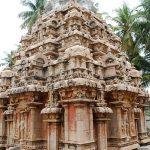
The temple is an exquisite example of early Medieval Tamil architecture, influenced by the structural innovations of the Chola period.
Style and Vastu
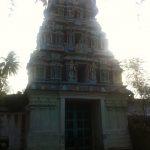
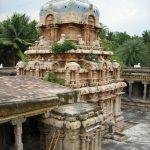
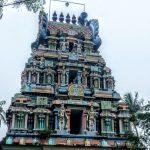
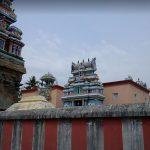
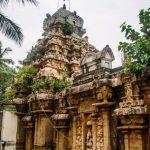
Facing East, the temple features a classic Dravida style Vimana (tower) above the sanctum. The complex adheres to Vastu Shastra principles, with the Garbhagriha (Sanctum Sanctorum) and Arthamandapa (inner hall) dating back to the Parantaka Chola era. Later additions, such as the Rajagopuram, were constructed during the Nayak and Maratha periods.
Notable Sculptures & Artistry
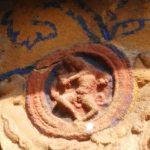
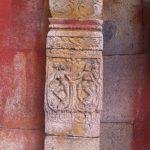
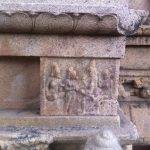
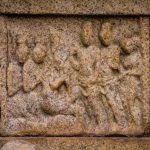
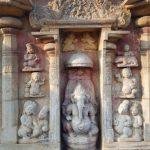
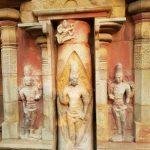
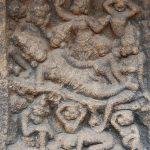
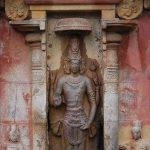
The temple is celebrated for its Devakoshtam (niches) housing magnificent sculptures:
- Dakshinamurthy: The teacher aspect of Shiva.
- Lingothbhavar: Shiva emerging from the Lingam.
- Narasimha & Tripuranthaka: Depictions of Vishnu’s avatars and Shiva’s triumph over the three cities.
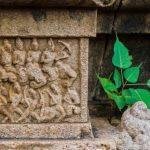
- Ramayana Panels: Miniature friezes depicting scenes from the epic Ramayana.
- Kochengat Cholan & The Spider: A unique sculpture depicting the legend of the Chola king (reborn spider) and the elephant, symbolizing the origin of “Maada Kovils” (temples with raised entrances inaccessible to elephants).
Darshan & Ritual Logistics
Note: Timings are subject to seasonal variation and festival schedules. It is advisable to contact the temple office for exact timings on the specific day of your visit.
Daily Timings
| Session | Timing |
|---|---|
| Morning Darshan | 6:00 AM – 12:00 PM |
| Afternoon Closure | 12:00 PM – 4:00 PM |
| Evening Darshan | 4:00 PM – 8:00 PM |
Key Sevas & Online Booking
While traditional bookings are available at the counter, the Tamil Nadu HR&CE department facilitates online booking for major Sevas.
- Abhishekam (Sacred Bath): Performed on Mondays and Pradosham. Items include milk, honey, and sandalwood paste.
- Archana: Individual prayers offered at the feet of Brahmapureeswarar.
- Thirukalyanam (Celestial Wedding): A special ritual performed during the Brahmotsavam.
Link: Tamil Nadu Tourism Portal (Check for Alanthurai Nathar Temple listings).
2026 Festival Calendar
- Arudra Darshan: January 2026 (Celebrating the cosmic dance of Nataraja).
- Shivaratri: February 26, 2026 (Major festival with special night-long vigils).
- Aadi Perukku: August 2026 (Celebrating the Kaveri river; special abhishekam for the Naga Shakti shrine).
- Navaratri: September/October 2026.
Practical Visitor Guidance
Dress Code & Etiquette
Visitors are required to wear traditional attire. Men should wear Dhoti or Mundu (preferred) or formal trousers with a shirt. Women should wear Saree, Salwar Kameez, or Churidar. Shorts and sleeveless tops are strictly prohibited.
Facilities & Rules
- Photography: Prohibited inside the inner sanctum. Permitted in the outer prakarams with prior permission.
- Mobile Lockers: Available near the entrance for electronic devices and leather items.
- Accessibility: The inner sanctum requires climbing steps; however, the outer corridors are accessible for wheelchairs. Ramp facilities are limited.
Crowd Management & Seasonal Tips
- Best Hours: Early morning (6:00 AM – 7:30 AM) offers the most serene darshan.
- Summer (April – June): Temperatures can exceed 40°C. Carry a water bottle, an umbrella, and wear breathable cotton.
- Monsoon (October – December): The region receives heavy rainfall. Mosquito repellent is recommended.
Pilgrimage Connectivity
How to Reach
The temple is located in Thirpullamangai, falling under the Papanasam taluk of Thanjavur district.
- By Air: The nearest airport is Tiruchirappalli International Airport (TRZ), approximately 50 km away.
- By Rail: The closest railway station is Papanasam (PAM) (approx. 12 km). Alternatively, Thanjavur Junction (TJ) is about 35 km away.
- By Road: Located off the Thanjavur – Kumbakonam Highway (SH 69). From Papanasam, take the state highway towards Budalur to reach the temple.
Nearby Sacred Sites (Pilgrimage Circuit)
- Kumbeswarar Temple (Kumbakonam): A 15-minute drive. One of the largest Shiva temples in Tamil Nadu.
- Papanasam Temple: A serene temple complex dedicated to Shiva, located by the Kaveri river, ideal for a holy dip.
- Brihadeeswarar Temple (Thanjavur): The UNESCO World Heritage Site known as the “Big Temple,” 35 km away.
Frequently Asked Questions (FAQ)
1. Is there a VIP darshan entry at Alanthurai Nathar Temple?
Yes, the temple management provides a special entry darshan for senior citizens, specially-abled devotees, and donors. Tickets can be purchased at the temple counter.
2. What is the significance of the Naga Shakti shrine here?
The temple houses a dedicated shrine for Naga Shakti. It is believed that the eight Ashta Naga Devas worshipped Lord Shiva here with 300 million Nagalinga flowers. This shrine is particularly powerful for those suffering from Sarpa Dosha (planetary afflictions related to serpents).
3. Are there accommodation facilities near the temple?
Basic guest houses are available in the nearby town of Papanasam and Budalur. For premium options, Thanjavur and Kumbakonam offer numerous hotels and choultries.
4. Can I perform Shradh rituals here?
Yes, being a Paadal Petra Sthalam, performing Shradh and Tarpanam for ancestors is considered highly auspicious here. Priests (Archakas) are available to perform these rituals.
5. What is the history of the temple tower (Gopuram)?
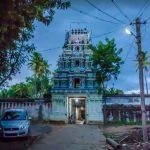
The Rajagopuram (main gateway tower) was built by the Vijayanagara ruler Veera Sumbanna Udayar. It stands in contrast to the ancient Chola Vimana inside, showcasing a blend of architectural periods.
How to Reach
Address: Alanthurai Nathar Temple, Thirpullamangai, Papanasam Taluk, Thanjavur District, Tamil Nadu 614205.
For real-time navigation, please use the Google Maps link provided in the contact section.
Contact Details
Official Address:
The Executive Officer,
Alanthurai Nathar Temple,
Thirpullamangai – 614205.
Phone: +91-435-245XXXX (Please contact the local Tamil Nadu HR&CE office for the most current number).
Recent Posts

Shri Kaamkoteeshwar Mandir, Varanasi – History & Significance
In the heart of Kashi, the eternal city of Lord Shiva, where the Ganges flows with celestial grace, stands the Shri Kaamkoteeshwar Mandir. This sacred Sannidhi is not merely a temple but a profound spiritual bridge between the Northern…

ओ सांवरे तूने ही मुझको संभाला – Lyrics & Meaning
ओ सांवरे तूने ही मुझको संभाला – A Prayer to Shyam Origin & Spiritual Essence Why This Bhajan Resonates Devotees chant this when overwhelmed by life’s storms—the refrain ‘तूने ही मुझको संभाला’ is the soul’s sigh of relief: “You…

कथा ये है महाराज मेरे की – Lyrics & Meaning
कथा ये है महाराज मेरे की छत्रपति संभाजी महाराज – A Prayer to Chhatrapati Sambhaji Maharaj Origin & Spiritual Essence Why This Bhajan Resonates Devotees chant this when their spirit feels tested—its powerful refrain “महाराज मेरे” is a soul’s…

Rigveda Samhita Yathartha Anuvada (ऋग्वेद संहिता यथार्थ अनुवाद) – Complete Set with Anvayartha & Hindi/English Translation
The Rigveda is the oldest surviving scripture of humanity and the foundational text of Sanātana Dharma. For serious students, scholars, UPSC aspirants studying ancient Indian history, Sanskrit learners, and spiritual seekers, a precise and grammatically structured translation is indispensable.…

आना भी अकेला है जाना भी अकेला है – Lyrics & Meaning | BharatTemples
आना भी अकेला है जाना भी अकेला है – A Prayer to the Divine Witness Origin & Spiritual Essence Why This Bhajan Resonates Devotees turn to this bhajan in moments of deep reflection—when life’s attachments begin to ache. The…

माता शेरावाली के द्वार जो भी जाता है – Lyrics & Meaning
माता शेरावाली के द्वार जो भी जाता है – A Prayer to Maa Sherawali Origin & Spiritual Essence Why This Bhajan Resonates Devotees turn to this bhajan in times of fear or uncertainty—its promise that no one leaves Maa’s…

मार लेना सपणी उबार लेणा भवरा – Lyrics & Meaning
मार लेना सपणी उबार लेणा भवरा – A Prayer to the Divine Beloved Origin & Spiritual Essence Why This Bhajan Resonates Devotees chant this in moments of deep vulnerability—its cry of “मार लेना सपणी, उबार लेणा भवरा” is the…

हमें श्याम सुंदर भरोसा तुम्हारा – Lyrics & Meaning
हमें श्याम सुंदर भरोसा तुम्हारा – A Prayer to Shyam Sundar Origin & Spiritual Essence Why This Bhajan Resonates Devotees chant this when feeling alone—its refrain ‘de do sahara’ is the soul’s cry for divine support. Lyrics in Hindi…

Mere Satguru Ne Di Thi Davai Lyrics in Hindi & Meaning
Mere Satguru Ne Di Thi Davai: Invoking the Guru’s Liberating Wisdom This soul-stirring bhajan venerates the Satguru (True Spiritual Master) as the divine physician who dispenses the only remedy for life’s deepest sufferings. Composed by Sant Karmaveer Tufani, it…

Janm Diyo Thari Maa Dukh Dekhiyo Lyrics in Hindi & Meaning
जन्म दियो थारी माँ दुख देखियो (Maa’s Grief Upon Birthing You) This soul-stirring Chetavani Bhajan (admonitory hymn) is addressed to the Divine Mother (Maa) – a call for repentance when children forget their filial duties in the dark age…