Ambika Mata Temple Udaipur: History, Darshan Timings & Complete Guide

Receive daily temple updates, divine darshan, and morning bhajans directly on WhatsApp.
Contents
- 1 Ambika Mata Temple, Udaipur: The Khajuraho of Mewar
Ambika Mata Temple, Udaipur: The Khajuraho of Mewar
Introduction & Spiritual Essence
Nestled in the serene village of Jagat, approximately 50 km southeast of Udaipur, lies the ancient Ambika Mata Mandir. This architectural jewel is dedicated to Ambika Devi, a radiant form of Goddess Durga (Shakti), revered as the primeval source of cosmic energy.
Unlike the bustling city temples, this shrine offers a profound spiritual atmosphere. The primary deity is depicted with a lion mount (vahana), symbolizing power and courage. In the Phalaśruti (scriptural promise of merit), devotees believe that worshipping here cleanses ancestral karma and grants protection from negative planetary influences. The temple is particularly significant for those seeking stability and strength in personal endeavors.
Historical Origins & Scriptural Legend
Builders and Timeline: According to temple records and inscriptional evidence, the temple dates back to the 10th century AD. The earliest stone inscription found here, dated 961 AD, documents a repair made to the sanctum, confirming its millennium-old legacy. While the specific royal patron is debated in certain annals, the structure bears the hallmark of the Gurjara-Pratihara architectural influence that permeated the Mewar region during this era.
📖 Related: Azhwar Swamy Temple Cheramangalam: History, Timings & Complete Guide
Sthala Purana (Local Legend): Tradition holds that the temple was built to honor the divine feminine form of Ambika. Legend connects Ambika to the Jain tradition through a vision advising Vimala Shah (Vimal Vasahi) regarding the construction of the Adinath Temple at Mount Abu. While the temple is a Hindu Shakta shrine, the cultural cross-pollination of that era enriched the iconography found here. The temple is currently preserved by the State Department of Archaeology and Museum, Rajasthan, ensuring this heritage remains intact.
Architectural Marvels
Often referred to as the “Khajuraho of Mewar”, the Ambika Mata Temple is a masterpiece of medieval Indian temple architecture. It is a pentagonal structure enclosed by a massive rampart wall.
- Shikhara & Roof: The temple features a distinctive pagoda-like gabled roof, unique to this region. The main shikhara (tower) is covered in intricate motifs resembling clouds, surrounded by smaller towers echoing the surrounding mountain peaks.
- Wall Sculptures: The exterior walls are adorned with exquisite carvings. Above the larger sculptures of deities, you will find celestial musicians, dancers, and apsaras (heavenly nymphs). The vegetal motifs and curling patterns symbolize a mountain palace—a celestial abode of the gods manifested on Earth.
- Preservation: As a protected monument, the carvings are remarkably well-preserved, showcasing the zenith of early medieval stone craftsmanship.
Photo Gallery
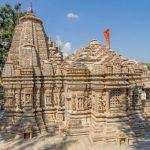
jagat-ambika-mata-temple2, Ambika Mata Temple, Udaipur, Rajasthan
Darshan & Ritual Logistics
Planning your visit to the Ambika Mata Temple in Jagat ensures a peaceful experience. As this is a protected archaeological site, timings are strict.
Daily Darshan Timings (2026 Schedule)
| Session | Timings | Notes |
|---|---|---|
| Morning | 08:00 AM – 12:00 PM | Best for natural light photography and cooler temperatures. |
| Evening | 02:00 PM – 05:00 PM | Subject to seasonal changes; verify before travel. |
| Aarti/Temple Closes | 05:00 PM | The temple gates close promptly at sunset. |
📖 Related: Rudranath Temple: History, Panch Kedar Darshan Timings & Guide
Seva & Online Booking
While this is a smaller heritage site, offerings are simple. Major rituals include Abhishekam (ritual bathing of the deity) and Archana (recitation of names). Given the temple’s archaeological status, large-scale commercial sevas are limited, but local priests facilitate daily offerings.
Note: For major festivals, bookings are handled by the Udaipur Temple Administration or local bodies. Please contact the State Department of Archaeology for specific authorized offerings.
2026 Festival Dates
- Navratri (Chaitra): March 30 – April 7, 2026 (Peak celebration for Goddess Ambika).
- Navratri (Sharad): September 22 – October 1, 2026.
- Dussehra: October 2, 2026.
Practical Visitor Guidance
Visiting a heritage site requires respect for both the divinity and the structure.
- Dress Code: Traditional attire is recommended. Men should wear dhotis or long trousers/shirts; women should wear sarees or full-length outfits covering shoulders and knees.
- Photography: Photography is allowed in the outer complex. However, tripods and professional equipment may require prior permission from the Archaeology Department.
- Mobile Lockers: There are no digital lockers available. It is advised to travel light and carry minimal belongings.
- Accessibility: The sanctum is reached via steps. While the outer complex is relatively flat, those with mobility issues may need assistance for the inner darshan area.
Crowd Management & Seasonal Advice
Unlike the City Palace in Udaipur, Jagat remains relatively uncrowded. However, during Navratri, expect local footfall.
Pro Tip: Visit between October and March for pleasant weather. In summer (April–June), carry water and sun protection, as the region gets arid and hot.
Pilgrimage Connectivity
How to Reach
- By Air: The nearest airport is Maharana Pratap Airport, Udaipur (UDR), approximately 65 km away.
- By Rail: Udaipur City Railway Station is the major railhead. From there, hire a taxi or take a bus to Jagat village.
- By Road: The temple is located on the Jagat-Gogunda Road. It is a scenic drive of about 1.5 hours (50 km) southeast of Udaipur. Regular buses ply from Udaipur’s Chetak Circle to Jagat.
📖 Related: Vyagrapureeswarar Temple, Sembilivaram: History, Darshan Timings & Guide
Nearby Sacred Sites (Pilgrimage Circuit)
Enhance your spiritual journey by visiting these nearby locations:
- Nathdwara (45 km): Home to the famous Shrinathji Temple, one of the richest temples in India.
- Eklingji Temple (30 km): The family deity of the Mewar dynasty, featuring a magnificent 2-faced black stone idol.
- Boheda Ghat: A serene spot for nature lovers, located en route to Jagat.
Contact Details & Preservation
The temple is a protected monument managed by the Department of Archaeology and Museum, Government of Rajasthan.
Official Address
Jagat Village,
Tehsil Girwa,
Udaipur District,
313205, India
Phone: For official inquiries, contact the District Archaeology Office, Udaipur.
Frequently Asked Questions (FAQ)
1. Is there a VIP or special entry darshan available?
As a protected heritage site, there is no commercial VIP darshan system. However, elderly visitors or those with special needs can request assistance from the onsite caretaker for easier access.
2. Are there accommodation options in Jagat village?
Basic guest houses are available, but for luxury stays, it is recommended to stay in Udaipur city (50 km away) and visit Jagat as a day trip.
3. What is the entry fee for the temple?
There is no entry fee for Indian nationals. A nominal fee may apply for foreign tourists, as per Rajasthan State Archaeology guidelines.
4. Can I perform last rites or Shradh here?
This is a Shakti temple dedicated to Ambika Devi. While ancestral prayers are offered for karmic cleansing, specific Shradh rituals are typically performed at riverbanks or specific ancestor temples. Please consult a local priest.