
Contents
Introduction & Spiritual Essence
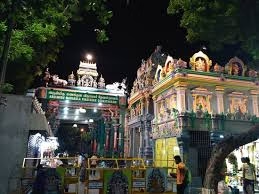
Standing majestically in the heart of White Town, Pondicherry, the Arulmigu Manakula Vinayagar Temple is a beacon of spiritual resilience and architectural grandeur. Dedicated to Lord Ganesha, this ancient shrine is revered as the remover of obstacles and the bestower of wisdom. The primary deity here is known as Bhuvaneshar Ganapathy, a specific form of Lord Ganesha mentioned in Hindu scriptures.
According to the Shadakshara tradition, the idol here is not merely a stone carving but a manifestation of immense spiritual energy. Unlike many temples where Lord Ganesha stands alone, here he is flanked by his consorts, Riddhi (prosperity) and Siddhi (spiritual power), a rare sight that amplifies the blessings for devotees. The name “Manakula” is derived from the Tamil words Manal (sand) and Kulam (pond), signifying its historical proximity to a sandy pond near the sea.
Phalaśruti: The Benefits of Visiting
Devotees flock to this temple for specific blessings:
- Removal of Obstacles: Seeking success in new ventures and educational pursuits.
- Ancestral Karmic Cleansing: Performing rituals here is believed to liberate ancestors from cycles of rebirth.
- Protection from Negative Energies: The “Sakthi” form of the deity acts as a shield against evil influences.
Historical Origins & Scriptural Legend
The Manakula Vinayagar Temple history dates back over 350 years, with origins rooted in the French colonial era. According to temple records and oral traditions, the temple was constructed in the early 17th century. It has withstood the test of time, surviving numerous attempts by French rulers to demolish it, which devotees attribute to the miraculous nature of the idol.
Tradition holds that the idol was originally located in a small shrine near the seashore. Over time, as the sea receded, the idol was moved inland to its current location. The temple underwent significant renovations during the reign of the French Governor Dupleix in the 18th century. Archaeological Survey of India (ASI) records indicate that the temple reflects the classic Dravidian style of the Vijayanagara period, preserved meticulously by generations of hereditary trustees.
The Sthala Purana (local legend) narrates that the sand in the vicinity of the temple possesses healing properties. It is said that Lord Ganesha took residence here to protect the fishermen community and local devotees from the harsh coastal elements.
Architectural Marvels
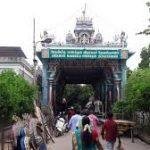
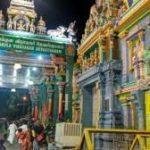
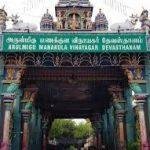
The temple is a quintessential example of the Dravidian style of architecture, characterized by its towering Gopurams (gateway towers) and intricate carvings. The outer Rajagopuram (main gateway) is brightly painted in vibrant hues of orange, red, and blue, depicting scenes from Hindu mythology.
Vastu Shastra Elements: The temple complex is designed according to Vastu principles, with the sanctum sanctorum (Garbhagriha) aligned to allow solar energy to charge the deity during specific times of the year.
Key Features:
- The Sanctum: The inner sanctum houses the Bhuvaneshar Ganapathy idol, carved from a single stone.
- Mandapas: The temple features several Mandapas (pillared halls), including a dedicated Nandi Mandapa and a hall used for musical performances during festivals.
- Gold Plating: A major renovation in recent years saw the sanctum and the idol adorned with gold plating, enhancing the divine aura.
Photo Gallery

Darshan & Ritual Logistics
Visitors to the Arulmigu Manakula Vinayagar Temple can participate in daily rituals. The temple is renowned for its punctual schedule and well-organized Seva (service) management.
Daily Darshan Timings
| Session | Timings | Notes |
|---|---|---|
| Morning | 05:30 AM – 12:30 PM | Includes Abhishekam hours |
| Afternoon Break | 12:30 PM – 04:00 PM | Temple closes for cleaning |
| Evening | 04:00 PM – 09:00 PM | Includes Deeparadhana |
| Night | 09:00 PM – 09:30 PM | Palliyarai Pooja (Resting period) |
Key Sevas and Online Booking
Devotees can book the following Sevas. While online booking is available via the official temple website, counter tickets are also issued.
- Ushakalam Abhishekam: 5:30 AM (Fragrant oil bath for the deity)
- Kaala Shanthi Pooja: 9:00 AM (Mid-day offering)
- Archana: Continuous chanting of Ganesha names (individual or family).
2026 Festival Dates (Tentative)
- Brahmotsavam: August 15 – August 24, 2026 (Highlights: Ratham/Chariot procession)
- Vinayagar Chathurthi: August 25, 2026 (Grand celebrations with special alankaram)
- Deepavali: November 2, 2026 (Special illumination)
Practical Visitor Guidance
To ensure a spiritually fulfilling experience, visitors are advised to adhere to the following guidelines.
Code of Conduct
- Dress Code: Traditional attire is mandatory. Men must wear Dhoti or trousers with a shirt; women must wear Saree, Salwar Kameez, or long skirts. Shorts and sleeveless tops are strictly prohibited.
- Photography: Photography is strictly forbidden inside the inner sanctum (Garbhagriha) and the prayer halls. Mobile phones must be kept on silent mode.
- Mobile Lockers: Free cloakrooms (lockers) are available at the entrance for depositing mobile phones, cameras, and leather items (bags/wallets).
- Accessibility: The temple provides wheelchairs for senior citizens and devotees with disabilities. Ramps are available for ground-floor access.
Crowd Management & Best Time to Visit
- Best Hours: For a peaceful Darshan, visit between 7:00 AM and 10:00 AM on weekdays. Saturday evenings are generally crowded.
- Seasonal Advice:
- May/June: Pondicherry is humid; carry water and wear cotton clothing.
- November–February: Peak season due to pleasant weather; expect larger crowds.
- Monsoon: September to November; carry an umbrella as the temple courtyard is open to the sky.
Pilgrimage Connectivity
The temple is centrally located in White Town, making it easily accessible.
How to Reach
- By Air: The nearest airport is Puducherry Airport (PNY), located approximately 6 km away. Alternatively, Chennai International Airport (MAA) is 150 km away.
- By Rail: Puducherry Railway Station is just 2 km from the temple. Auto-rickshaws and cabs are readily available.
- By Road: The temple is connected via NH 332A and NH 32. From Chennai, it is a 4-hour drive via the East Coast Road (ECR).
Nearby Sacred Sites
Expand your pilgrimage circuit by visiting these nearby spiritual centers:
- Thirukameshwara Temple (Villianur): Located 10 km away, known for the grand Rath Yatra (Chariot festival).
- Varadaraja Perumal Temple: A historic Vishnu temple located just 500 meters from Manakula Vinayagar.
- Paradise Beach (Chunnambar Boat House): While a leisure spot, the boat ride offers a serene view of the estuary, often used for quiet reflection.
Frequently Asked Questions (FAQs)
1. Is there a VIP Darshan entry available?
Yes, the temple offers a special entry darshan for Rs. 100 per person, which allows you to bypass the general queue. This ticket is available at the counter near the entrance.
2. Can I perform an Abhishekam with my own milk/fruits?
Generally, materials for Abhishekam must be purchased from the temple counters to ensure hygiene and standardization. However, you can request the priest to perform an Archana with your personal items.
3. What are the parking facilities?
Due to the temple’s location in a heritage zone, parking is limited. It is recommended to use public transport or park at the designated paid lots near Mission Street and walk to the temple.
4. Is the temple open during all national holidays?
Yes, the temple remains open 365 days a year. On major holidays like Diwali and Pongal, the timings may be extended.
5. Is non-vegetarian food allowed near the temple?
The temple is located in a strictly vegetarian zone. Alcohol and non-vegetarian food are prohibited within the temple vicinity.
For bookings and inquiries:
Manakula Vinayagar Koil St, White Town, Puducherry, 605001
Phone: 0413 233 6544
Recent Posts

Shri Kaamkoteeshwar Mandir, Varanasi – History & Significance
In the heart of Kashi, the eternal city of Lord Shiva, where the Ganges flows with celestial grace, stands the Shri Kaamkoteeshwar Mandir. This sacred Sannidhi is not merely a temple but a profound spiritual bridge between the Northern…

ओ सांवरे तूने ही मुझको संभाला – Lyrics & Meaning
ओ सांवरे तूने ही मुझको संभाला – A Prayer to Shyam Origin & Spiritual Essence Why This Bhajan Resonates Devotees chant this when overwhelmed by life’s storms—the refrain ‘तूने ही मुझको संभाला’ is the soul’s sigh of relief: “You…

कथा ये है महाराज मेरे की – Lyrics & Meaning
कथा ये है महाराज मेरे की छत्रपति संभाजी महाराज – A Prayer to Chhatrapati Sambhaji Maharaj Origin & Spiritual Essence Why This Bhajan Resonates Devotees chant this when their spirit feels tested—its powerful refrain “महाराज मेरे” is a soul’s…

Rigveda Samhita Yathartha Anuvada (ऋग्वेद संहिता यथार्थ अनुवाद) – Complete Set with Anvayartha & Hindi/English Translation
The Rigveda is the oldest surviving scripture of humanity and the foundational text of Sanātana Dharma. For serious students, scholars, UPSC aspirants studying ancient Indian history, Sanskrit learners, and spiritual seekers, a precise and grammatically structured translation is indispensable.…

आना भी अकेला है जाना भी अकेला है – Lyrics & Meaning | BharatTemples
आना भी अकेला है जाना भी अकेला है – A Prayer to the Divine Witness Origin & Spiritual Essence Why This Bhajan Resonates Devotees turn to this bhajan in moments of deep reflection—when life’s attachments begin to ache. The…

माता शेरावाली के द्वार जो भी जाता है – Lyrics & Meaning
माता शेरावाली के द्वार जो भी जाता है – A Prayer to Maa Sherawali Origin & Spiritual Essence Why This Bhajan Resonates Devotees turn to this bhajan in times of fear or uncertainty—its promise that no one leaves Maa’s…

मार लेना सपणी उबार लेणा भवरा – Lyrics & Meaning
मार लेना सपणी उबार लेणा भवरा – A Prayer to the Divine Beloved Origin & Spiritual Essence Why This Bhajan Resonates Devotees chant this in moments of deep vulnerability—its cry of “मार लेना सपणी, उबार लेणा भवरा” is the…

हमें श्याम सुंदर भरोसा तुम्हारा – Lyrics & Meaning
हमें श्याम सुंदर भरोसा तुम्हारा – A Prayer to Shyam Sundar Origin & Spiritual Essence Why This Bhajan Resonates Devotees chant this when feeling alone—its refrain ‘de do sahara’ is the soul’s cry for divine support. Lyrics in Hindi…

Mere Satguru Ne Di Thi Davai Lyrics in Hindi & Meaning
Mere Satguru Ne Di Thi Davai: Invoking the Guru’s Liberating Wisdom This soul-stirring bhajan venerates the Satguru (True Spiritual Master) as the divine physician who dispenses the only remedy for life’s deepest sufferings. Composed by Sant Karmaveer Tufani, it…

Janm Diyo Thari Maa Dukh Dekhiyo Lyrics in Hindi & Meaning
जन्म दियो थारी माँ दुख देखियो (Maa’s Grief Upon Birthing You) This soul-stirring Chetavani Bhajan (admonitory hymn) is addressed to the Divine Mother (Maa) – a call for repentance when children forget their filial duties in the dark age…