
Contents
Arulmigu Subramaniya Swami Temple: The Pinnacle of Divine Solace
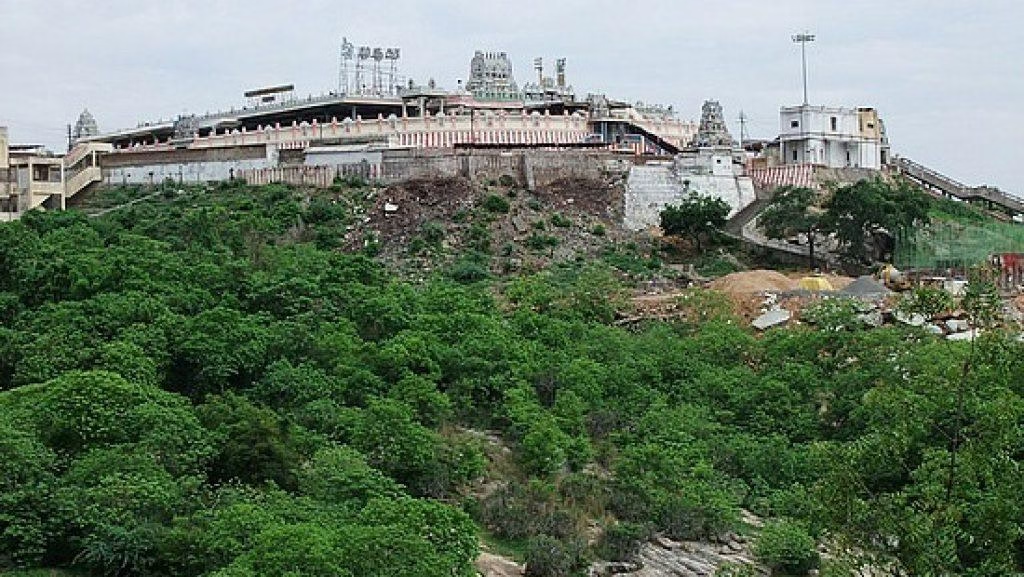
As the Lead Heritage Architect for BharatTemples.com, it is my distinct honor to guide you through the sacred aisles of the Arulmigu Subramaniya Swami Temple in Thiruvallur. Revered as one of the six holiest abodes (Padai Veedu) of Lord Muruga, this hilltop sanctuary offers a spiritual ascent that rivals the physical climb up its rocky terrain. This definitive guide is engineered for the modern devotee, blending ancient wisdom with practical logistics for a seamless pilgrimage experience.
Introduction & Spiritual Essence
The presiding deity here is Arulmigu Subramaniya Swami, worshipped as Muthukumara Swami. The idol is a Swayambhu (self-manifested) Moorthy, radiating an aura of immense potency and grace. Unlike a crafted idol, the deity is believed to have emerged naturally from the earth, making this Kshetram (land) exceptionally powerful for those seeking justice and resolution.
The Phalaśruti: Why Devotees Visit
According to Vedic tradition, the Phalaśruti (benefits of worship) of this temple is unparalleled. Devotees flock here to:
- Cleansing Ancestral Karma: Performing rites here is believed to alleviate Pitru Dosha (ancestral afflictions), bringing peace to departed souls.
- Resolution of Legal Disputes: Lord Muruga, holding the Vel (divine spear), is the destroyer of ignorance and obstacles. He is specifically worshipped here to win legal battles and overcome hidden enemies.
- Relief from Planetary Afflictions: Worship during Tuesdays and Fridays is known to pacify the malefic effects of Mars and Venus, respectively.
Historical Origins & Scriptural Legend
The temple’s history is a tapestry of myth and recorded dynastic patronage. It is situated on a single rock rising 700 feet above sea level, crowned by the temple at the summit.
The Legend of Skanda
Tradition holds that this hill is the very spot where Lord Muruga bestowed his grace upon Indra and the Devas who were suffering under the curse of the demon Surapadman. The hill is often referred to as “Vajra Giri” (Diamond Hill), symbolizing the indestructible nature of truth established here.
Another local legend suggests that the river Swarnamukhi flows near the base of the temple specifically to wash away the sins of devotees before they begin their ascent.
Architectural History
While the origins are rooted in the Treta Yuga, the visible structures were largely expanded under the Vijayanagara rulers in the 15th century. The Chola kings, known for their temple patronage, also contributed significantly to the Garbhagriha (sanctum sanctorum). Recent renovations have preserved the ancient carvings while restoring the Rajagopuram (main gateway) to its majestic height.
Architectural Marvels
The temple showcases a harmonious blend of Dravidian architecture, characterized by towering gateways and intricate stonework. The structure is designed according to the tenets of Vastu Shastra, aligning the energy flows of the hill with the sanctity of the shrine.
Key Structural Elements
- The Mandapas: The temple features three concentric Mandapas (halls). The outer hall is used for processions, the middle for musical performances during festivals, and the innermost is where devotees offer their prayers before entering the sanctum.
- The Sculptural Friezes: The pillars depict scenes from the Skanda Purana, specifically the Six Abodes of Muruga, creating a visual encyclopedia for the illiterate devotee of centuries past.
- The Hilltop View: The architectural planning utilizes the natural elevation. The Garbhagriha is oriented to catch the first rays of the sun, illuminating the idol in natural light—a feat of ancient astronomical engineering.
While this temple is not a UNESCO site, it is a protected monument under the Archaeological Survey of India (ASI) and the HR&CE Department of Tamil Nadu, ensuring its preservation.
Darshan & Ritual Logistics
To ensure a divine experience, understanding the daily schedules and rituals is essential. The temple follows the Agama Shastra for all rites.
Daily Timings (2026 Season)
The temple opens early to welcome the dawn sun and closes after the evening rituals. Note: Timings are subject to change during festival seasons.
| Session | Timing | Activity |
|---|---|---|
| Morning | 05:00 AM – 12:00 PM | Ushathkalam (Early Morning Pooja), Abhishekam, Kalasandhi |
| Afternoon | 12:00 PM – 04:30 PM | Resting period (Temple closes to public for deity rest) |
| Evening | 04:30 PM – 09:00 PM | Pradosham Pooja, Aarthi, Palliyarai Pooja (Night Rituals) |
Key Sevas & Online Booking
Devotees can book specific rituals to enhance their connection with the deity. In 2026, the HR&CE Department has upgraded its digital infrastructure for seamless booking.
- Abhishekam: Performed with milk, honey, and sandalwood paste. Best performed on Tuesdays.
- Archana: Recitation of the deity’s 108 names. Available in Tamil, Telugu, and Sanskrit.
- Kavadi: Pilgrims carry decorated structures (Kavadi) as a vow of thanks. Advance registration is mandatory due to crowd control measures.
Online Booking: Visit tncebg.com (official Tamil Nadu Temples portal) to reserve your slot.
2026 Festival Calendar
- Thaipusam: January 13, 2026. The most significant event here, drawing lakhs of devotees.
- Thai Poosam: February 2, 2026.
- Panguni Uthiram: March 25, 2026. A grand procession of the deity around the hill.
- Vaikasi Visakam: May 24, 2026. The birth anniversary of Lord Muruga.
Practical Visitor Guidance
Visiting a hill temple requires preparation. Here are the essential guidelines for a comfortable darshan.
Dress Code & Temple Rules
- Attire: Traditional dress is mandatory. Men should wear Dhoti or formal trousers with a shirt; women should wear Saree or Salwar Kameez. Shorts and modern western wear are strictly prohibited.
- Photography: Prohibited inside the sanctum sanctorum. You may take photos of the exterior architecture, but refrain from photographing priests during rituals.
- Mobile Phones: Electronic devices must be switched to silent mode. Mobile Lockers are available near the entrance for ₹10 to deposit phones and cameras.
Crowd Management
To avoid long queues:
- Best Hours: Visit between 8:00 AM and 11:00 AM on weekdays. Avoid weekends and public holidays if possible.
- Seasonal Advice: During May and June, temperatures in Thiruvallur can exceed 40°C. Carry a reusable water bottle (plastic is discouraged) and an umbrella. The climb generates heat; stay hydrated.
- Accessibility: A Palanquin (Doli) service is available at the base of the hill for elderly devotees and those unable to walk the stairs. Wheelchairs are available at the entrance.
Pilgrimage Connectivity
The temple is strategically located on the Chennai-Mumbai route, making it highly accessible.
How to Reach
Based on the provided logistical data:
By Air
The nearest airport is Chennai International Airport (MAA), located approximately 84 kilometers away. From the airport, hired taxis and buses are available to Thiruvallur.
By Train
The nearest railway station is Thiruvallur (TRL), situated just 4 kilometers from the town center. Southern Railway operates frequent passenger services from Chennai Central. The first local train departs Chennai Central at 4:00 AM, with the last return train at 8:15 PM. Express trains also halt here.
By Road
The temple is well-connected via the Chennai-Mumbai Highway (NH 16 / Old NH 4). It is 13 kilometers from Arakkonam and 84 kilometers from Chennai. The Tamil Nadu State Transport Corporation (TNSTC) runs frequent buses from Chennai, Salem, Bangalore, and Vellore. Local bus services connect the town to nearby villages.
Nearby Sacred Sites
To maximize your spiritual journey, consider visiting these nearby shrines to complete a Pancha Pada (five-mountain) circuit:
- Sholingar & Vallimalai: Located to the West, these are famous hill temples associated with the Vedaranyeswarar and Muruga, respectively.
- Tirupati (Balaji): Located North, the most famous Vishnu temple in India.
- Kalahasti: To the North, renowned for the Vayu Lingam (Wind element of Shiva).
- Tiruvalangadu: To the East, famous for its Arupadaiveedu (Muruga) temple and the Nataraja idol.
- Kancheepuram: To the South, known as the “Banaras of the South,” a hub of both Shiva and Vishnu worship.
Photo Gallery

Address & Contact
- Address: Thiruthani Hill, Thiruttani, Tamil Nadu 631209
- Contact: 044 2788 5247 (Office of the Executive Officer)
Frequently Asked Questions (FAQ)
1. Is there a VIP darshan entry?
Yes, the temple offers a Special Darshan ticket (often referred to as VIP entry) priced at a nominal rate (typically ₹50 – ₹100). This allows devotees to bypass the general queue, though timing varies during peak festivals like Thaipusam.
2. How difficult is the climb to the temple?
The temple is located at an elevation of 700 feet. There are approximately 550 steps leading to the summit. The steps are wide and well-maintained, but the climb can be physically demanding. Regular breaks are suggested for those with health conditions.
3. Can I perform rituals for my ancestors here?
Absolutely. The Thila Homam performed at this temple is specifically aimed at the salvation of ancestors. It is recommended to consult the temple priest for scheduling.
4. Are there accommodation facilities nearby?
Yes, the Tamil Nadu Tourism Development Corporation (TTDC) runs a Choultry (guest house) at the foothills, and there are several private lodges in Thiruvallur town.
5. What is the significance of the diamond rock?
Local lore states that the hill contains traces of diamond ore, symbolizing the permanence and value of Lord Muruga’s grace. It is believed that the hill is the resting place of the weapon Vel used to vanquish evil forces.
Recent Posts

ओ सांवरे तूने ही मुझको संभाला – Lyrics & Meaning
ओ सांवरे तूने ही मुझको संभाला – A Prayer to Shyam Origin & Spiritual Essence Why This Bhajan Resonates Devotees chant this when overwhelmed by life’s storms—the refrain ‘तूने ही मुझको संभाला’ is the soul’s sigh of relief: “You…

कथा ये है महाराज मेरे की – Lyrics & Meaning
कथा ये है महाराज मेरे की छत्रपति संभाजी महाराज – A Prayer to Chhatrapati Sambhaji Maharaj Origin & Spiritual Essence Why This Bhajan Resonates Devotees chant this when their spirit feels tested—its powerful refrain “महाराज मेरे” is a soul’s…

Rigveda Samhita Yathartha Anuvada (ऋग्वेद संहिता यथार्थ अनुवाद) – Complete Set with Anvayartha & Hindi/English Translation
The Rigveda is the oldest surviving scripture of humanity and the foundational text of Sanātana Dharma. For serious students, scholars, UPSC aspirants studying ancient Indian history, Sanskrit learners, and spiritual seekers, a precise and grammatically structured translation is indispensable.…

आना भी अकेला है जाना भी अकेला है – Lyrics & Meaning | BharatTemples
आना भी अकेला है जाना भी अकेला है – A Prayer to the Divine Witness Origin & Spiritual Essence Why This Bhajan Resonates Devotees turn to this bhajan in moments of deep reflection—when life’s attachments begin to ache. The…

माता शेरावाली के द्वार जो भी जाता है – Lyrics & Meaning
माता शेरावाली के द्वार जो भी जाता है – A Prayer to Maa Sherawali Origin & Spiritual Essence Why This Bhajan Resonates Devotees turn to this bhajan in times of fear or uncertainty—its promise that no one leaves Maa’s…

मार लेना सपणी उबार लेणा भवरा – Lyrics & Meaning
मार लेना सपणी उबार लेणा भवरा – A Prayer to the Divine Beloved Origin & Spiritual Essence Why This Bhajan Resonates Devotees chant this in moments of deep vulnerability—its cry of “मार लेना सपणी, उबार लेणा भवरा” is the…

हमें श्याम सुंदर भरोसा तुम्हारा – Lyrics & Meaning
हमें श्याम सुंदर भरोसा तुम्हारा – A Prayer to Shyam Sundar Origin & Spiritual Essence Why This Bhajan Resonates Devotees chant this when feeling alone—its refrain ‘de do sahara’ is the soul’s cry for divine support. Lyrics in Hindi…

Mere Satguru Ne Di Thi Davai Lyrics in Hindi & Meaning
Mere Satguru Ne Di Thi Davai: Invoking the Guru’s Liberating Wisdom This soul-stirring bhajan venerates the Satguru (True Spiritual Master) as the divine physician who dispenses the only remedy for life’s deepest sufferings. Composed by Sant Karmaveer Tufani, it…

Janm Diyo Thari Maa Dukh Dekhiyo Lyrics in Hindi & Meaning
जन्म दियो थारी माँ दुख देखियो (Maa’s Grief Upon Birthing You) This soul-stirring Chetavani Bhajan (admonitory hymn) is addressed to the Divine Mother (Maa) – a call for repentance when children forget their filial duties in the dark age…
Bhadi Sabha Mein Thane Manaun Lyrics in Hindi & Meaning
Bhadi Sabha Mein Thane Manaun: Invoking the Spear-Wielding Mother Mata Bhawani (श्री ज्वाला भवानी), the fiery manifestation of Shakti worshipped as the Protector of Dharma in Her Dhaulagarh sanctum. Origin & Spiritual Essence Composed in Rajasthani folk tradition by…