
Contents
Introduction & Spiritual Essence
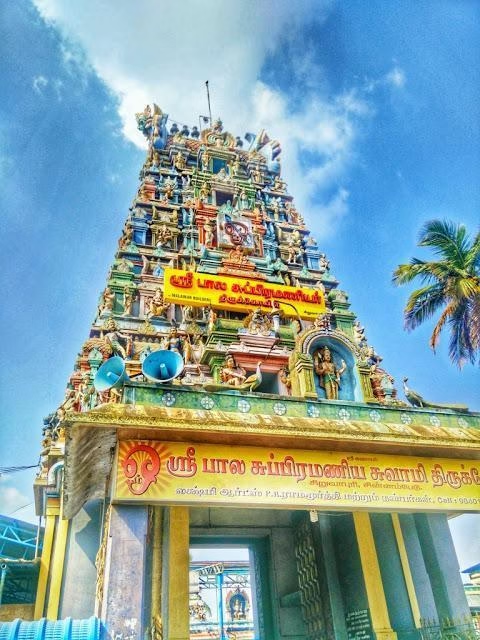
Nestled in the serene landscape of Chinnambedu (historically known as Siruvapuri), the Bala Subrahmanya Temple stands as a beacon of devotion for Lord Murugan. This sacred shrine is unique in its presiding deity, Bala Subrahmanya, who appears here as a youthful Brahmin bachelor (Nadanar), distinct from the consorted form found in other shrines. The temple is a powerful spiritual hub for devotees seeking resolution for housing-related anxieties, marital alliances, and ancestral peace.
Phalaśruti: The Divine Boons
According to deep-rooted temple traditions, devotees visit this shrine for specific spiritual benefits:
- House Construction & Ownership: The temple is renowned as a “Vasstu” sanctuary. Devotees believe that worshiping Lord Murugan here removes obstacles in purchasing land or constructing a new home.
- Ancestral Karma Cleansing: As a site linked to the Ashwamedha Yaga of Lord Rama, prayers here are potent for pacifying ancestral spirits and resolving Pitru Dosha.
- Marriage & Family Unity: Unmarried individuals pray here for a swift alliance, while married couples seek harmony.
Historical Origins & Scriptural Legend
While the current stone structure dates back approximately 500 years (constructed during the late Vijayanagara or Nayak period), the spiritual history spans millennia. The temple is administrated by the Hindu Religious & Charitable Endowments (HR&CE) Department of Tamil Nadu.
The Legend of Siruvar Por Puri
The Sthala Purana (local legend) is deeply interwoven with the epic Ramayana. The name “Siruvapuri” is derived from the Tamil words Siruvar (children) and Por (war). Tradition holds that Lava and Kusha, the twin sons of Lord Rama, resided in this forest.
According to oral records, the princes unknowingly waged a war against Rama’s forces near this location. The site is revered as the place where the children first drew their arrows against the mighty Rama. Thus, the village was named Siruvar Ambu Edu (where children took up weapons). It is also believed the horse tethered during Rama’s Ashwamedha Yaga grazed these lands.
Divine Intervention: The Tale of Murugammai
A poignant local legend recounts the story of a devotee named Murugammai, a woman of unshakeable faith. Her husband, angered by her relentless worship, severed her hands. In her agony, she cried out to Lord Murugan. Miraculously, the Lord restored her arms, leaving no trace of the wound, proving that devotion transcends physical pain.
Architectural Marvels
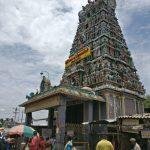
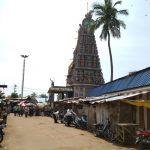
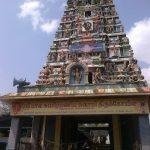
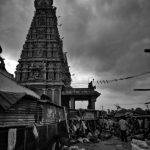
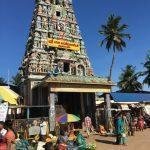
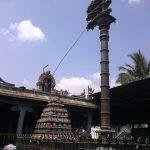
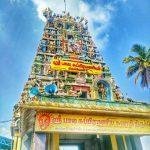
The temple showcases the quintessential Dravidian architectural style. Though compact, the layout adheres to the principles of Vastu Shastra, orienting the sanctum to harness positive cosmic energy.
Sanctum & Sculptures
The Garbhagriha (sanctum sanctorum) houses the swayambhu (self-manifested) idol of Bala Subrahmanya in a standing posture. Unlike the major Murugan temples (Arupadaiveedu), the deity here holds a Vel (spear) in one hand and blesses with the other, embodying the benevolent bachelor form.
The Mandapa (hall) features intricately carved pillars depicting scenes from the Ramayana and the lives of the Nayanmars. The Prakaram (circumambulatory path) is lined with shrines for Lord Ganesha, Lord Rama, and a dedicated shrine for Goddess Valli (though the main deity is unmarried, this shrine acknowledges his eternal consort).
Darshan & Ritual Logistics
To ensure a seamless spiritual experience, devotees are advised to follow the official timings. Note that temple timings may occasionally shift during festivals.
Daily Timings & Pooja Schedule
| Session | Opening Time | Major Pooja |
|---|---|---|
| Morning | 06:00 AM | Kalasanthi (7:00 AM) |
| Noon | Closed | – |
| Afternoon | 04:00 PM | Uchikalam (10:00 AM) & Sayarakshai (5:00 PM) |
| Night | 08:00 PM | Palliyarai Pooja |
2026 Major Festival Dates
The temple celebrates various Tamizh Festivals with great fervor. Below are the tentative dates for 2026:
- Thai Poosam (January 2026): A peak pilgrimage time. Special abhishekams are performed.
- Maha Shivaratri (February/March 2026): While primarily a Shiva festival, Lord Murugan is worshipped here as the son of Shiva.
- Vaikasi Visakam (May/June 2026): Celebrating the birth of Lord Murugan.
- Panguni Uthiram (March/April 2026): Signifies the divine marriage of the Lord; highly auspicious for devotees seeking matrimony.
Online Seva Booking
Devotees unable to visit in person can book online seva through the official Tamil Nadu HR&CE portal. Popular sevas include:
- Milk Abhishekam: Performed after the fulfillment of a wish (especially for house construction).
- Archana: Recitation of the devotee’s birth star and lineage.
- Deepa Aradhana: Offering of lamps.
Practical Visitor Guidance
Code of Conduct & Dress Code
To maintain the sanctity of the shrine, visitors must adhere to a modest dress code. Traditional Indian attire (dhoti/saree) is highly recommended. Western wear (shorts/t-shirts) is discouraged. Leather items (belts, wallets) are generally prohibited inside the sanctum.
Crowd Management & Accessibility
- Best Hours: For a tranquil darshan, visit between 6:00 AM and 7:30 AM. Evenings (4:00 PM) can be crowded on weekends.
- Seasonal Advice: Tamil summers (April–June) are hot; carry a water bottle and an umbrella. The monsoon (October–November) brings lush greenery but requires rain gear.
- Photography: Photography is strictly prohibited inside the inner sanctum. However, the outer precincts offer beautiful views for commemorative shots.
- Lockers: Mobile lockers are available near the entrance; large bags must be deposited outside.
Pilgrimage Connectivity
How to Reach
The temple is strategically located on the Chennai-Kolkata Highway (NH16), making it accessible for devotees from Chennai, Thiruvallur, and surrounding districts.
- By Air: Chennai International Airport (MAA) is the nearest airport, approximately 50 km away (1.5 hours by car).
- By Rail: The nearest railway stations are Kavaraippettai (10 km) and Gummidipoondi (14 km). From there, local autos and buses connect to Siruvapuri.
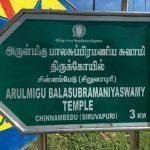
- By Road: From Chennai, take the NH16 towards Gummidipoondi. Pass the Thatchoor crossroad, drive 3 km, and look for the green signage on the left leading to the temple.
Nearby Sacred Sites
Enhance your pilgrimage by visiting these nearby shrines:
- Periyapalayam Temple (10 km): Famous for the “Vinayaka Chaturthi” festival and the offering of milk and jaggery.
- Thiruninravur (15 km): Home to the historic Vedapuriswarar Temple dedicated to Lord Shiva.
- Pulicat Lake Sanctuary (30 km): For a moment of tranquility after the temple visit.
Frequently Asked Questions (FAQ)
1. Is there a VIP Darshan entry?
There is no specific VIP ticket system like in Tirupati. However, paying for special archana or seva allows for closer access to the deity during peak hours.
2. What is the significance of Magizhamaram (Wood Apple tree) here?
The Sthala Vriksham (Sacred Tree) of this temple is the Magizhamaram. It is believed to be the same species as the tree in Thiruvannamalai, symbolizing the spiritual connection between the two shrines.
3. Can I perform the housewarming (Grihapravesam) pooja here?
Yes. Many devotees perform a special abhishekam for the keys of their new home here. It is customary to visit this temple before entering a new house to ensure prosperity.
4. What is the history of Arunagirinathar in this temple?
The saint poet Arunagirinathar, who composed the Thiruppugazh, visited this temple and sang hymns in praise of Murugan. His verses are preserved here as a testament to the temple’s spiritual vibrancy.
5. Are there accommodation facilities?
There are no guesthouses within the temple complex. However, ample lodging options are available in Chennai and Thiruvallur, or at the Periyapalayam temple trust buildings.



Recent Posts

Shri Kaamkoteeshwar Mandir, Varanasi – History & Significance
In the heart of Kashi, the eternal city of Lord Shiva, where the Ganges flows with celestial grace, stands the Shri Kaamkoteeshwar Mandir. This sacred Sannidhi is not merely a temple but a profound spiritual bridge between the Northern…

ओ सांवरे तूने ही मुझको संभाला – Lyrics & Meaning
ओ सांवरे तूने ही मुझको संभाला – A Prayer to Shyam Origin & Spiritual Essence Why This Bhajan Resonates Devotees chant this when overwhelmed by life’s storms—the refrain ‘तूने ही मुझको संभाला’ is the soul’s sigh of relief: “You…

कथा ये है महाराज मेरे की – Lyrics & Meaning
कथा ये है महाराज मेरे की छत्रपति संभाजी महाराज – A Prayer to Chhatrapati Sambhaji Maharaj Origin & Spiritual Essence Why This Bhajan Resonates Devotees chant this when their spirit feels tested—its powerful refrain “महाराज मेरे” is a soul’s…

Rigveda Samhita Yathartha Anuvada (ऋग्वेद संहिता यथार्थ अनुवाद) – Complete Set with Anvayartha & Hindi/English Translation
The Rigveda is the oldest surviving scripture of humanity and the foundational text of Sanātana Dharma. For serious students, scholars, UPSC aspirants studying ancient Indian history, Sanskrit learners, and spiritual seekers, a precise and grammatically structured translation is indispensable.…

आना भी अकेला है जाना भी अकेला है – Lyrics & Meaning | BharatTemples
आना भी अकेला है जाना भी अकेला है – A Prayer to the Divine Witness Origin & Spiritual Essence Why This Bhajan Resonates Devotees turn to this bhajan in moments of deep reflection—when life’s attachments begin to ache. The…

माता शेरावाली के द्वार जो भी जाता है – Lyrics & Meaning
माता शेरावाली के द्वार जो भी जाता है – A Prayer to Maa Sherawali Origin & Spiritual Essence Why This Bhajan Resonates Devotees turn to this bhajan in times of fear or uncertainty—its promise that no one leaves Maa’s…

मार लेना सपणी उबार लेणा भवरा – Lyrics & Meaning
मार लेना सपणी उबार लेणा भवरा – A Prayer to the Divine Beloved Origin & Spiritual Essence Why This Bhajan Resonates Devotees chant this in moments of deep vulnerability—its cry of “मार लेना सपणी, उबार लेणा भवरा” is the…

हमें श्याम सुंदर भरोसा तुम्हारा – Lyrics & Meaning
हमें श्याम सुंदर भरोसा तुम्हारा – A Prayer to Shyam Sundar Origin & Spiritual Essence Why This Bhajan Resonates Devotees chant this when feeling alone—its refrain ‘de do sahara’ is the soul’s cry for divine support. Lyrics in Hindi…

Mere Satguru Ne Di Thi Davai Lyrics in Hindi & Meaning
Mere Satguru Ne Di Thi Davai: Invoking the Guru’s Liberating Wisdom This soul-stirring bhajan venerates the Satguru (True Spiritual Master) as the divine physician who dispenses the only remedy for life’s deepest sufferings. Composed by Sant Karmaveer Tufani, it…

Janm Diyo Thari Maa Dukh Dekhiyo Lyrics in Hindi & Meaning
जन्म दियो थारी माँ दुख देखियो (Maa’s Grief Upon Birthing You) This soul-stirring Chetavani Bhajan (admonitory hymn) is addressed to the Divine Mother (Maa) – a call for repentance when children forget their filial duties in the dark age…