Bambleshwari Temple Rajnandgaon: History, Timings & Complete Guide
Receive daily temple updates, divine darshan, and morning bhajans directly on WhatsApp.
Contents
- 1 The Definitive Pilgrimage Guide: Bambleshwari Temple, Dongargarh
The Definitive Pilgrimage Guide: Bambleshwari Temple, Dongargarh
1. Introduction & Spiritual Essence
Perched majestically atop a 1,600-foot hill in the heart of Chhattisgarh, the Bambleshwari Temple (also locally revered as Badi Bambleshwari) is a beacon of faith in the region. Dedicated to Maa Bamleshwari (an incarnation of Goddess Durga), this shrine is not merely a stone structure but a living embodiment of the region’s spiritual vitality. Alongside the main hilltop temple, the Chhotti Bambleshwari temple sits at ground level, roughly 1.5 km away, forming a twin complex of worship.
Phalaśruti: The Divine Benefits
Why do devotees undertake this pilgrimage? According to local tradition and the collective faith of lakhs of visitors, the temple holds immense power to:
- Bestow Success: It is widely believed that prayers here help students succeed in examinations and professionals achieve stability in business.
- Cleansing Ancestral Karma: Lighting the Jyoti Kalash (flame pot) during Navratri is specifically performed to wash away sins and bring prosperity to the family lineage.
- Resolution of Troubles: Devotees visit to seek relief from prolonged ailments and life obstacles, believing the Goddess listens to the sincere cries of her followers.
2. Historical Origins & Scriptural Legend
While the architectural history of the temple has seen renovations over the centuries, the spiritual history is timeless. The temple is deeply rooted in the Shakti cult, which venerates the Divine Feminine as the supreme power.
📖 Related: Shri Rudreshwar Temple, North Goa
The Legend of Raja Bdeo
According to temple records and popular folklore, the region was once ruled by a Raja named Bdeo (or Bdeo Rai). The story goes that the King did not have an heir for a long time. Through his deep devotion and penance to the Goddess, he was blessed with a son. In gratitude, he built the original shrine on the hilltop. The name “Bambleshwari” is often linked to the bamboo forests that once surrounded the area (“Bamboo” + “Ishwari”), though locals associate it with the divine mother fulfilling the desires of her devotees.
Sthala Purana
Tradition holds that the hill itself is sacred earth. It is said that even before the temple was structured, sadhaks (spiritual practitioners) visited this hill to meditate, drawn by the unique energy of the location. The temple stands as a testament to centuries of uninterrupted worship, weathering time and history.
3. Architectural Marvels
The temple complex is a striking example of Nagara-style architecture, adapted to the local geography of the Chhattisgarh region. The structure rises from a high plinth, dominated by a towering Shikhara (spire) that points toward the heavens, visible from miles away in the valley.
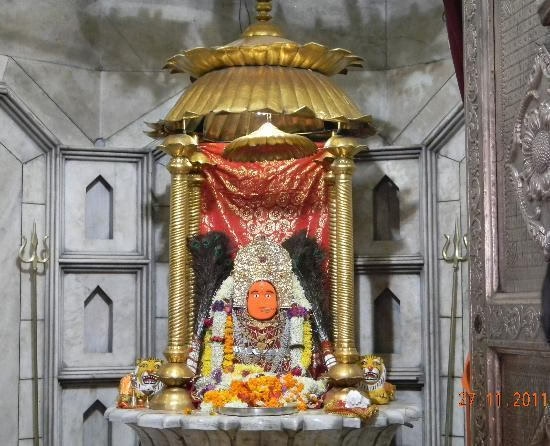
- The Sanctum (Garbhagriha): The inner shrine houses the idol of Maa Bamleshwari. Unlike some ancient sculptures, the deity here is worshipped in a form that invites deep devotion, often adorned with heavy silver and gold jewelry and a vibrant mukhaut (mask/face covering) specific to the region’s artistry.
- The Mandapas: The temple features pillared mandapas (halls) where devotees can sit for meditation. The pillars are adorned with intricate carvings depicting scenes from Hindu mythology, though much of the intricate work reflects the revivalist styles of the 19th and 20th-century renovations.
- Vastu Shastra: The temple adheres to Vastu principles, with the main entrance facing the east to welcome the first rays of the sun, symbolizing enlightenment and energy.
While the temple does not have an ASI or UNESCO designation, it is protected and maintained by the District Administration, serving as a central pillar of Chhattisgarh’s cultural heritage.
4. Darshan & Ritual Logistics (2026 Guide)
The temple operates year-round, but the atmosphere shifts dramatically during the Chaitra (Spring) and Sharad (Autumn) Navratris. During these times, the temple administration implements special crowd management protocols.
📖 Related: Mahalaxmi Temple, North Goa
Daily Timings
Please note that timings may vary slightly during festivals.
| Session | Timing |
|---|---|
| Morning Darshan | 06:00 AM – 12:00 PM |
| Afternoon Break | 12:00 PM – 01:00 PM |
| Evening Darshan | 04:00 PM – 09:00 PM |
Key Sevas & Booking
Devotees can perform various sevas (offerings). While standard offerings can be made at the temple counter, advanced bookings for specific rituals are often handled through the local administration or designated committees.
- Abhishekam: Ritual bathing of the deity. Best performed during morning hours.
- Archana: Recitation of the 108 names of the Goddess.
- Jyoti Kalash: A special tradition unique to this temple, especially during Navratri.
Note: For 2026, the temple administration recommends checking the official local notice boards for specific online booking portals, as digital infrastructure is being updated annually.
2026 Festival Calendar
- Chaitra Navratri: April 7 – April 15, 2026 (Peaking on Ram Navami).
- Sharad Navratri: September 22 – October 1, 2026 (Peaking on Dussehra/Vijayadashami).
- Kartik Purnima: November 4, 2026 (Special evening Aarti).
5. Practical Visitor Guidance
Dress Code & Etiquette
Visitors are advised to dress modestly. Traditional Indian attire is highly recommended. Men should avoid shorts, and women should cover their heads inside the sanctum as a sign of respect.
Photography & Electronics
Photography is generally restricted inside the inner sanctum. However, photography is permitted in the outer courtyards and mandapas. Mobile phones should be kept on silent mode.
Crowd Management & Best Time to Visit
- Peak Hours: 8:00 AM to 11:00 AM and 5:00 PM to 7:00 PM witness heavy rush.
- Best Time: Visit between 1:00 PM and 3:00 PM for a relatively quieter darshan.
- Seasonal Advice: Summers in Rajnandgaon can be harsh (April-June). Carry ample water and an umbrella. The monsoon (July-September) brings lush greenery to the Dongargarh hills, making the ropeway ride particularly scenic.
Accessibility
The complex is accessible via a motorable road to the hill’s parking area. For those unable to climb stairs, a cable car (ropeway) service is available, operating generally from 9:00 AM to 5:00 PM (subject to maintenance).
6. Pilgrimage Connectivity
How to Reach
By Air: The nearest airport is Raipur Airport (RPR), approximately 110 km away. Taxis are readily available.
By Train: Dongargarh has its own railway station on the Mumbai-Howrah main line. It is well-connected to major cities like Nagpur (200 km) and Raipur (100 km).
📖 Related: Mahadeva Temple, North Goa
By Road: Dongargarh is located about 40 km from the district headquarters, Rajnandgaon. It is connected via NH 6 (part of the ancient Grand Trunk Road). From Raipur, the drive via Bhilai and Rajnandgaon takes approximately 2.5 hours.
Nearby Sacred Sites
To extend your spiritual journey, consider these nearby destinations:
- Chhotti Bambleshwari Temple: Located just 1.5 km from the main temple at ground level. It is often visited first by devotees before ascending the hill.
- Balaji Mandir (Rajnandgaon): Located 40 km away, this massive temple complex is dedicated to Lord Venkateswara (Balaji) and is a major architectural attraction.
- Chandrahuri Scenic Spot: About 55 km from Dongargarh, a serene spot near the river, ideal for meditation and nature walks.
7. Frequently Asked Questions
What is the history of Bambleshwari Temple?
The temple is traditionally associated with the region of Raja Bdeo, who built the shrine after being blessed with a child. It stands on a 1,600-foot hill and has been a center of Shakti worship for centuries.
Is there a VIP darshan entry?
The temple administration does not have a formal online VIP pass system. However, during regular days, there is often a separate line for senior citizens and specially-abled devotees. During Navratri, special passes may be issued by the district authorities for smooth crowd management; these are distributed at the temple complex counter.
How much is the entry fee?
Entry to the Bambleshwari Temple is free for all devotees. However, specific sevas and offerings have fixed charges.
Is the ropeway safe and functional?
Yes, the ropeway at Dongargarh is regularly maintained and is one of the key attractions in Chhattisgarh. It offers a scenic ride to the hilltop, saving the physical effort of climbing stairs. However, it may close during heavy winds or maintenance.
Can I visit Chhotti Bambleshwari on the same day?
Absolutely. Both temples are close (approx 1.5 km apart). Most pilgrims visit the ground-level Chhotti Bambleshwari first to pay respects before taking the ropeway or driving up to Badi Bambleshwari.
images (97), Bambleshwari Temple, Rajnandgaon, Chhattisgarh

images (96), Bambleshwari Temple, Rajnandgaon, Chhattisgarh
bamleshwari-temple-img2, Bambleshwari Temple, Rajnandgaon, Chhattisgarh

images (95), Bambleshwari Temple, Rajnandgaon, Chhattisgarh
images (94), Bambleshwari Temple, Rajnandgaon, Chhattisgarh
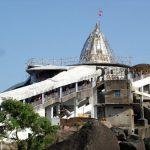
two-thousand-old-history-of-the-temple-561cf87c70280_l

maa-bambleshwari-temple (1), Bambleshwari Temple, Rajnandgaon, Chhattisgarh
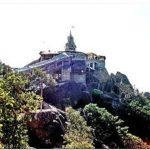
maa-bambleshwari-temple, Bambleshwari Temple, Rajnandgaon, Chhattisgarh
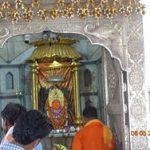
250px-Shrine_bimbleswari, Bambleshwari Temple, Rajnandgaon, Chhattisgarh
Contact Details
For specific inquiries or lost and found, you may contact the temple administration:
- Phone: 07823232990
- Address: Dongargarh, Chhattisgarh 491445