
Contents
- 1 Bhaktavachleshwarar Temple: The Definitive Pilgrimage Guide to Thirupanticode
Bhaktavachleshwarar Temple: The Definitive Pilgrimage Guide to Thirupanticode
By Lead Heritage Architect & SEO Strategist, bharattemples.com
Welcome to the sacred realm of Bhaktavachleshwarar Temple, nestled in the spiritual tranquility of Thirupanticode, Kanyakumari. As we approach 2026, this guide serves as your comprehensive portal to understanding the divine energy, architectural grandeur, and logistical intricacies of this ancient Shiva shrine.
Introduction & Spiritual Essence
The temple is a sanctified abode of Lord Shiva, revered here as Bhaktavachleshwarar (The Lord who grants the boons of devotion) and locally as Mahadevar. It is one of the 54 ancient shrines in the Shivalaya Ottam pilgrimage circuit, ranking as the eleventh temple in this lineage of devotion.
Phalaśruti: The Boon of Visitation
Why do devotees undertake this journey?
- Ancestral Liberation: It is believed that offering prayers here helps cleanse ancestral karma, granting peace to departed souls.
- Resolution of Conflicts: As Bhaktavachleshwarar, the deity blesses devotees with the wisdom to resolve personal and interpersonal conflicts, restoring harmony.
- Completion of Circuits: For pilgrims undertaking the full Shivalaya Ottam, visiting this eleventh shrine is mandatory to complete the spiritual loop.
Historical Origins & Scriptural Legend
While the exact inscriptional dates remain elusive, the temple’s architecture and oral traditions point to a legacy spanning centuries, likely developed under the patronage of the Travancore Dynasty, which preserved the cultural ethos of Kanyakumari.
The Legend: Vishnu’s Atonement
According to the Sthala Purana, a profound celestial event unfolded here. After Mahavishnu, in his Varaha (wild boar) avatar, rescued the Earth from the demon Hiranya, he remained consumed by the residual fury of battle. This rage disrupted the cosmic balance. The Devas surrendered to Lord Shiva, who descended to pacify Vishnu. In a dramatic display of dominance, Lord Shiva broke Vishnu’s tusk (horn) and utilized it as a weapon to subdue the chaos.
However, the aftermath was one of humility. Realizing his lapse, Lord Vishnu worshipped Lord Shiva here at Thirupanticode. Tradition holds that Lord Shiva, in a gesture of grace, adorned the broken horn upon his own head. Thus, the deity stands as a symbol of remorse, forgiveness, and integration.
Sage Vyakarapadhar’s Reverence
Historical records and folklore indicate that the great sage Vyakarapadhar visited this very spot to offer his prayers, solidifying the temple’s status as a center of Vedic learning and spiritual austerity.
Architectural Marvels
The Bhaktavachleshwarar Temple is a quintessential example of the Dravidian style of architecture. Unlike the towering shikharas of the North, this temple emphasizes expansive horizontal layouts and distinct gateways.
Key Structural Elements
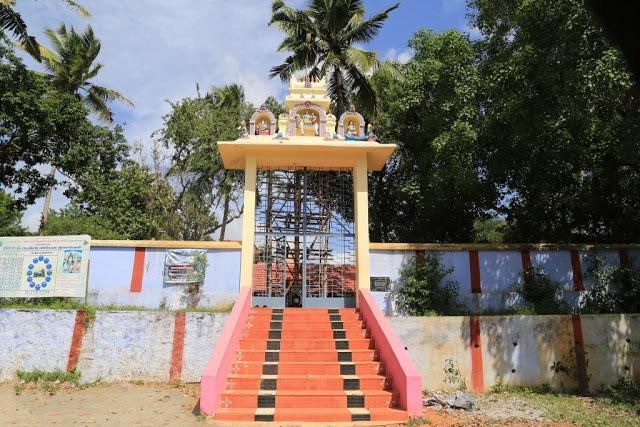
- Gopurams: The temple is enclosed by a massive Raja Gopuram (main gateway), rising in tiers adorned with colorful sculptures of deities, dancers, and mythological beasts.
- Mandapas: The Artha Mandapa (hall of intermediate space) features stone pillars intricately carved with scenes from the Puranas. The Maha Mandapa serves as the congregation hall for major festivals.
- The Sanctum (Garbhagriha): The inner sanctum houses the Swayambhu (self-manifested) lingam of Bhaktavachleshwarar. The Vimana (tower over the sanctum) follows the Dravida style, featuring tiered structures known as talas.
Note: While this temple is a protected monument under the Department of Hindu Religious and Charitable Endowments (HR&CE), it is a prime candidate for archaeological study due to its link to the Shivalaya Ottam circuit.
Darshan & Ritual Logistics (2026 Update)
Planning your visit requires attention to the temple’s rhythmic schedule. Below are the operational timings for 2026. Please note that during Pradosham and festival days, timings may extend.
Daily Temple Timings
| Session | Timings |
|---|---|
| Morning Darshan | 5:00 AM – 11:00 AM |
| Mid-day Closure | 11:00 AM – 5:00 PM |
| Evening Darshan | 5:00 PM – 8:00 PM |
Key Sevas & Online Booking
To perform specific rituals, devotees can book through the official Tamil Nadu HR&CE portal.
- Abhishekam: Performed during the morning hours. Special ingredients include milk, honey, and sandalwood paste.
- Archana: Individual prayers chanted in the name of the devotee.
- Shivalaya Ottam Ticket: A special pass for pilgrims undertaking the full circuit of 54 temples. This often aligns with Pradosham dates.
2026 Festival Calendar:
- Shivaratri: February 26, 2026 – Major all-night vigil.
- Thiruvadirai (Ardra Darshanam): December 15, 2026 – Special Abhishekam.
- Pradosham: Every 13th lunar day (14th day of the waxing/waning moon).
Pro Tip: For 2026, ensure you book your Shivalaya Ottam registration at least 48 hours in advance via the digital counter at the nearest major temple (Nagercoil HQ).
Practical Visitor Guidance
Code of Conduct & Essentials
- Dress Code: Traditional attire is strictly observed. Men should wear Dhoti or trousers with a shirt; women should wear sarees or salwar kameez.
- Photography: Prohibited inside the Garbhagriha (inner sanctum). Photography is permitted in the outer quadrangle (prakaram).
- Electronic Devices: Mobile lockers are generally unavailable at this medium-sized temple. It is advisable to carry minimal valuables.
- Accessibility: The temple has stone steps at the entrance. While accessible, those with mobility issues may require assistance.
Crowd Management Strategy
Best Hours to Visit: To avoid the local rush, visit between 7:00 AM and 9:00 AM or shortly after opening in the evening.
Seasonal Advice:
Kanyakumari experiences tropical weather. In May and June, temperatures rise. Carry a water bottle, but be mindful that plastic disposal is restricted near the sanctum.
Pilgrimage Connectivity
How to Reach Bhaktavachleshwarar Temple
The temple is strategically located in the Kanyakumari district, well-connected by road.
- By Road: Located 1 km from Nattalam, 11 km from Thuckalay, and 25 km from the district headquarters, Nagercoil. It is accessible via the NH-66 (formerly NH-44) route.
- Nearest Railway Station: Kuzhithurai (approx. 11 km) is the closest major stop.
- Nearest Airport: Trivandrum International Airport (TIV) in Thiruvananthapuram, Kerala (approx. 61 km). The drive takes about 90 minutes.
Extended Pilgrimage Circuit
Extend your spiritual journey by visiting these nearby sacred sites:
- Thiruvattaru Adikesava Perumal Temple: Located 10 km away, a Vishnu temple also part of the Shivalaya Ottam association.
- Kotikkulangara Bhagavathi Temple: 8 km away, known for its fierce deity and protective energy.
- Muttom Beach Church: A coastal spiritual site 15 km away, showcasing the religious harmony of Kanyakumari.
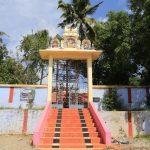
Photo Gallery

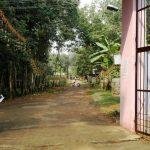
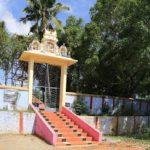
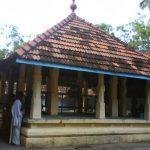
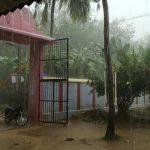
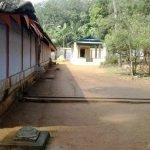
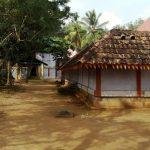
Frequently Asked Questions (FAQ)
1. Is there a VIP Darshan entry available?
Yes, the temple provides a special entry for senior citizens and persons with disabilities. While there isn’t a commercial “VIP” ticket, purchasing a special seva ticket (like Abhishekam) allows for priority access during the ritual window.
2. What is the significance of the Shivalaya Ottam?
The Shivalaya Ottam is a pilgrimage involving 54 Shiva temples in and around Kanyakumari. Completing the circuit is believed to grant Moksha (liberation). Bhaktavachleshwarar is the 11th temple in this sequence.
3. Are there food facilities (Annadanam) at the temple?
The temple is a medium-sized shrine and does not have a permanent canteen. However, on festival days, Annadanam is often served. It is advisable to eat in Nagercoil or Thuckalay before visiting.
4. Can I find accommodation nearby?
There are no guest houses directly attached to the temple. Pilgrims usually stay in Nagercoil (25 km) or Kanyakumari (47 km), where hotels range from budget to premium.
5. Is the temple open on all days?
Yes, the temple generally remains open daily, barring major maintenance hours or unforeseen local notifications. Checking the HR&CE website before travel is recommended.
Recent Posts

ओ सांवरे तूने ही मुझको संभाला – Lyrics & Meaning
ओ सांवरे तूने ही मुझको संभाला – A Prayer to Shyam Origin & Spiritual Essence Why This Bhajan Resonates Devotees chant this when overwhelmed by life’s storms—the refrain ‘तूने ही मुझको संभाला’ is the soul’s sigh of relief: “You…

कथा ये है महाराज मेरे की – Lyrics & Meaning
कथा ये है महाराज मेरे की छत्रपति संभाजी महाराज – A Prayer to Chhatrapati Sambhaji Maharaj Origin & Spiritual Essence Why This Bhajan Resonates Devotees chant this when their spirit feels tested—its powerful refrain “महाराज मेरे” is a soul’s…

Rigveda Samhita Yathartha Anuvada (ऋग्वेद संहिता यथार्थ अनुवाद) – Complete Set with Anvayartha & Hindi/English Translation
The Rigveda is the oldest surviving scripture of humanity and the foundational text of Sanātana Dharma. For serious students, scholars, UPSC aspirants studying ancient Indian history, Sanskrit learners, and spiritual seekers, a precise and grammatically structured translation is indispensable.…

आना भी अकेला है जाना भी अकेला है – Lyrics & Meaning | BharatTemples
आना भी अकेला है जाना भी अकेला है – A Prayer to the Divine Witness Origin & Spiritual Essence Why This Bhajan Resonates Devotees turn to this bhajan in moments of deep reflection—when life’s attachments begin to ache. The…

माता शेरावाली के द्वार जो भी जाता है – Lyrics & Meaning
माता शेरावाली के द्वार जो भी जाता है – A Prayer to Maa Sherawali Origin & Spiritual Essence Why This Bhajan Resonates Devotees turn to this bhajan in times of fear or uncertainty—its promise that no one leaves Maa’s…

मार लेना सपणी उबार लेणा भवरा – Lyrics & Meaning
मार लेना सपणी उबार लेणा भवरा – A Prayer to the Divine Beloved Origin & Spiritual Essence Why This Bhajan Resonates Devotees chant this in moments of deep vulnerability—its cry of “मार लेना सपणी, उबार लेणा भवरा” is the…

हमें श्याम सुंदर भरोसा तुम्हारा – Lyrics & Meaning
हमें श्याम सुंदर भरोसा तुम्हारा – A Prayer to Shyam Sundar Origin & Spiritual Essence Why This Bhajan Resonates Devotees chant this when feeling alone—its refrain ‘de do sahara’ is the soul’s cry for divine support. Lyrics in Hindi…

Mere Satguru Ne Di Thi Davai Lyrics in Hindi & Meaning
Mere Satguru Ne Di Thi Davai: Invoking the Guru’s Liberating Wisdom This soul-stirring bhajan venerates the Satguru (True Spiritual Master) as the divine physician who dispenses the only remedy for life’s deepest sufferings. Composed by Sant Karmaveer Tufani, it…

Janm Diyo Thari Maa Dukh Dekhiyo Lyrics in Hindi & Meaning
जन्म दियो थारी माँ दुख देखियो (Maa’s Grief Upon Birthing You) This soul-stirring Chetavani Bhajan (admonitory hymn) is addressed to the Divine Mother (Maa) – a call for repentance when children forget their filial duties in the dark age…
Bhadi Sabha Mein Thane Manaun Lyrics in Hindi & Meaning
Bhadi Sabha Mein Thane Manaun: Invoking the Spear-Wielding Mother Mata Bhawani (श्री ज्वाला भवानी), the fiery manifestation of Shakti worshipped as the Protector of Dharma in Her Dhaulagarh sanctum. Origin & Spiritual Essence Composed in Rajasthani folk tradition by…