
Contents
- 1 Introduction & Spiritual Essence
- 2 Historical Origins & Scriptural Legend
- 3 Architectural Marvels
- 4 Darshan & Ritual Logistics
- 5 Practical Visitor Guidance
- 6 Pilgrimage Connectivity
- 7 Frequently Asked Questions (FAQ)
- 7.1 1. Is there a VIP Darshan entry available?
- 7.2 2. Can I perform the Lakshmi Pooja Yantra ritual myself at home?
- 7.3 3. What is the significance of the name “Bhaktavatsala”?
- 7.4 4. Is there a dress code for children?
- 7.5 5. Are there accommodation facilities nearby?
- 7.6 6. Is the temple accessible for those with mobility issues?
- 8 Contact Details
Introduction & Spiritual Essence
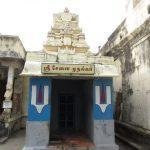
Amidst the sacred geography of Tamil Nadu lies Bhaktavatsala Perumal Temple in Thiruninravur, a revered Divya Desam (abode of Vishnu) located in the Thiruvallur district. Presiding over this hallowed shrine is Lord Vishnu, worshipped here as Bhaktavatsala Perumal—the Lord who holds affection for his devotees. His consort, Lakshmi, is venerated as Ennai Petra Thayar (the mother who gave birth to me).
The temple is a Swayambhu (self-manifested) shrine where the primary deity is a Murti carved from Saligramam. It is counted among the 108 Divya Desams glorified by the Azhwar saints. This temple is uniquely significant as it represents the harmony between the Thenkalai sect of Vaishnavism and the worship of Lord Shiva (as seen in the nearby Hridayaleeswarar Temple).
Phalaśruti: Why Visit Bhaktavatsala Perumal?
Devotees flock to Thiruninravur seeking specific spiritual and material boons (Phalaśruti):
- Wealth Restoration: Known as Kubera Puram and Sukra Kshetram, worshipping here is believed to regain lost wealth and resolve property disputes.
- Removal of Doshas: Devotees worship Sri Adisesha (the serpent bed of Vishnu) on Wedneshes to alleviate Rahu-Ketu doshas and snake-related afflictions.
- Marital Harmony: Women offer prayers to Goddess Ennai Petra Thayar to ensure longevity for their husbands and success in marriage proposals.
- Ancestral Karma: Performing Thila Tarpanam or specific rituals here is said to cleanse ancestral karma, as the place is linked to Samudra Rajan (the Ocean King).
Historical Origins & Scriptural Legend
The Legend of Samudra Rajan and Thirunindravur
According to the Sthala Purana, this place is named Thirunindravur (the standing place of Lakshmi). Legend states that Goddess Mahalakshmi left Vaikuntha and stood (Nindra) here to separate herself from Lord Vishnu. Her father, Samudra Rajan (the King of Oceans), intervened to reconcile the divine couple. He pleaded with Lakshmi, calling her “Ennai Petra Thayar” (You who gave birth to me), acknowledging that his existence depended on her.
The Lord, pleased with the devotion of the ocean king, manifested here as Bhaktavatsala—”The One who is affectionate to the Bhakta.” Thus, the temple signifies the power of a devotee’s prayer to bring the Lord back to His consort.
Historical Timeline & Inscriptions
Temple records and stone inscriptions confirm the structure was built during the late 8th century AD by the Pallava dynasty. Later additions and renovations were performed by the Medieval Cholas and Vijayanagara kings.
- Pallava Inscriptions (820–890 AD): Found during the reign of King Nripatungavarman, referring to the area as “Ninravur.”
- Chola Inscriptions: Contributions by Rajendra Chola II (1051–1063 AD) and Vira Rajendra (1063–1070 AD).
- Oral Tradition: It is believed the Pallava King constructed the temple complex following direct divine instructions in a dream.
Architectural Marvels
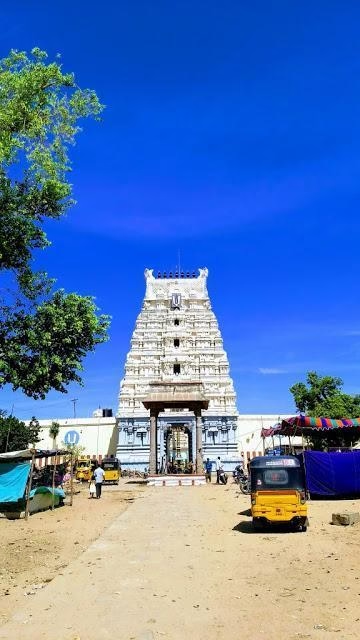
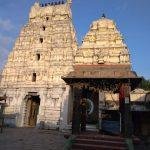
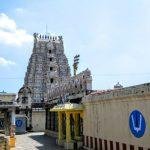
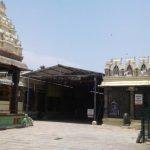
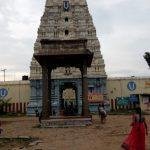
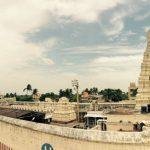
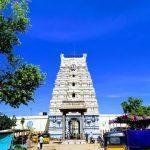
The Bhaktavatsala Perumal Temple is a masterpiece of Dravidian Architecture dating back to the 9th century. The structure is enclosed by a massive granite wall protecting the sanctity of the shrines.
Key Structural Elements
- Rajagopuram: A towering five-tiered gateway tower that serves as the grand entrance, aligned with Vastu Shastra principles to channel positive energy.
- Sanctum Sanctorum: The inner sanctum houses the Swayambhu Murti of Bhaktavatsala Perumal (facing East) and the idol of Ennai Petra Thayar (facing South).
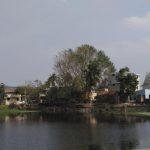
- Water Bodies: The complex includes two sacred tanks—the Mandapa Theertham and the Azhi Theertham—essential for ritual purification.
- Artistic Sculptures: The Mandapas (halls) feature exquisite pillars depicting scenes from Hindu mythology and various Asanas (postures) of Vishnu.
ASI and Heritage Status
While not a UNESCO World Heritage site, the temple is protected and administered by the Hindu Religious and Endowment Board of the Government of Tamil Nadu. The presence of Pallava-era inscriptions makes it a subject of study for the Archaeological Survey of India (ASI).
Darshan & Ritual Logistics
The temple follows a strict routine of six daily rituals (Sextuple worship). The priests, belonging to the Vishwakarma (Salivahara) sect, perform these services.
Daily Timings (2026 Schedule)
Note: Timings are subject to change during festivals. It is advisable to call the temple office +91 44 5517 3417 before planning a late evening visit.
| Ritual / Session | Timing | Description |
|---|---|---|
| Temple Opening | 07:30 AM | Opening of the Sannidhi. |
| Ushathkalam Pooja | 07:00 AM | Morning wake-up ritual. |
| Kalasanthi Pooja | 08:00 AM | Mid-morning worship. |
| Uchikalam Pooja | 12:00 PM | Mid-day high noon worship. |
| Temple Closing (Morning) | 11:30 AM | Break for afternoon rest. |
| Temple Reopens | 04:30 PM | Evening session begins. |
| Sayarakshai Pooja | 06:00 PM | Evening worship. |
| Irandamkalam Pooja | 07:00 PM | Second evening ritual. |
| Ardha Jamam Pooja | 08:30 PM | Final closing ritual. |
| Temple Closing (Night) | 08:30 PM | Sannidhi closes. |
Key Sevas and Online Booking
Devotees can perform specific Sevas to seek blessings. For Online Seva Booking, one can visit the official Tamil Nadu HR&CE portal or contact the temple administration directly.
- Abhishekam: Performed with milk, honey, and sandalwood paste. Best performed on Wednesdays (Sri Adisesha worship).
- Archana: Recitation of the Divya Prabandham. Specific for resolving wealth issues (offered to Ennai Petra Thayar).
- Thirumanjanam: Ceremonial bathing of the deity.
- Lakshmi Pooja (Yantra): Devotees can replicate the 9-squared Yantra matrix at home.
Major 2026 Festivals
- Vaikunda Ekadasi (December/January): Special procession of Paramapada Gate.
- Panguni Brahmmotsavam (March/April): The most significant annual festival. Includes Panguni Tiruvonam.
- Masi Magam (February/March): Occurs in the Tamil month of Masi.
- Deepavali (October/November): Special lighting and Thirukalyana rituals.
- Navaratri (Sept/Oct): Special Garba and Thirukalyana events for the Goddess.
- Brahmotsavam (Margazhi) (Dec/Jan): Special Saptaha recitations.
Practical Visitor Guidance
Dress Code & Etiquette
- Attire: Traditional attire is mandatory. Men must wear Veshti (dhoti) or formal trousers with a shirt; women should wear Saree, Salwar Kameez, or Half-Saree. Avoid shorts and sleeveless tops.
- Footwear: Please remove footwear outside the temple complex. Designated racks are available.
- Photography: Strictly prohibited inside the Sanctum Sanctorum (Garbhagriha). Photography is allowed in the outer prakarams (corridors) without flash.
- Mobile Phones: Silence mode is required. Lockers are available near the entrance for electronic devices.
Crowd Management & Accessibility
- Best Time to Visit: Weekday mornings (07:30 AM – 09:00 AM) offer the calmest darshan. Friday evenings are crowded due to special pujas.
- Seasonal Advice: Carry water and a hat during the summer months of April–June. The temple floors can be hot.
- Accessibility: The main sanctum is accessible via ramps for wheelchairs, though the inner sanctum requires a few steps. Assistance is available from the temple staff.
Pilgrimage Connectivity
Thiruninravur is a major railway junction and a bus hub, making it easily accessible from Chennai and surrounding districts.
How to Reach
- By Air: The nearest airport is Chennai International Airport (MAA), approximately 33 km away (1 hour drive via NH48).
- By Train: Thiruninravur Railway Station (TUV) is just 1.5 km from the temple. EMU trains from Chennai Central and Beach halt here.
- By Road: Located on the Chennai – Thiruvallur Road (MTH Road). The temple is accessible via the Mettu Street bus stop. Bus numbers 54A (from Poonamallee) and 71E (from Parrys) connect to the temple.
Nearby Sacred Sites (Pilgrimage Circuit)
- Hridayaleeswarar Temple (Thiruninravur): Located very close to Bhaktavatsala Perumal Temple, this Shiva temple is associated with the legend of Lord Brahma creating a heart for Shiva.
- Thiruvallur Veeraraghava Swamy Temple: Located 18 km away, this is another major Divya Desam dedicated to Lord Rama.
- Thirumazhisai (Bhikshandar Kovil): Approximately 15 km away, known for the Thirumazhisai Azhwar shrine and the unique Narasinga deity.
Frequently Asked Questions (FAQ)
1. Is there a VIP Darshan entry available?
Yes, the temple administration offers a “Special Darshan” ticket, which allows devotees to bypass the general queue for a small fee (typically under ₹50). However, during peak festival days like Panguni Brahmmotsavam, all devotees are generally grouped together for the procession.
2. Can I perform the Lakshmi Pooja Yantra ritual myself at home?
Absolutely. The text mentions a unique 9-squared matrix (Yantra) drawn in front of the Ennai Petra Thayar shrine. You can replicate this on a flat surface in your puja room using white Kolam powder or a card purchased at the temple. Perform this for nine days by placing coins and reciting the Lakshmi Ashtothram. The coins are then offered to the Goddess at the temple.
3. What is the significance of the name “Bhaktavatsala”?
The name translates to “The affectionate Lord towards his devotees.” This stems from the legend where the Ocean King (Samudra Rajan) prayed to the Lord to bring back Mahalakshmi. Lord Vishnu obliged the king’s prayer, hence earning the title of Bhaktavatsala.
4. Is there a dress code for children?
Children under the age of 12 are generally exempt from strict dress codes, but it is respectful to dress them in traditional attire or neat clothing.
5. Are there accommodation facilities nearby?
There are no major hotels inside Thiruninravur. For lodging and food, it is best to travel to Thiruvallur (18 km) or return to Chennai (35 km). The temple itself has a small rest house for devotees, subject to availability; contacting the temple office (+91 93805 16055) in advance is recommended.
6. Is the temple accessible for those with mobility issues?
Yes. The temple management has installed ramps for wheelchair access to the main mandapam. However, the inner sanctum (Garbhagriha) is small, and priests assist devotees in having darshan from the entrance if needed.
Contact Details
Bhaktavatsala Perumal Temple
Thiruninravur – 602 024
Tiruvallur District, Tamil Nadu
Phone: +91 44 5517 3417 / 2639 0434
Mobile: +91 93805 16055 / 98401 92735
Recent Posts

Shri Kaamkoteeshwar Mandir, Varanasi – History & Significance
In the heart of Kashi, the eternal city of Lord Shiva, where the Ganges flows with celestial grace, stands the Shri Kaamkoteeshwar Mandir. This sacred Sannidhi is not merely a temple but a profound spiritual bridge between the Northern…

ओ सांवरे तूने ही मुझको संभाला – Lyrics & Meaning
ओ सांवरे तूने ही मुझको संभाला – A Prayer to Shyam Origin & Spiritual Essence Why This Bhajan Resonates Devotees chant this when overwhelmed by life’s storms—the refrain ‘तूने ही मुझको संभाला’ is the soul’s sigh of relief: “You…

कथा ये है महाराज मेरे की – Lyrics & Meaning
कथा ये है महाराज मेरे की छत्रपति संभाजी महाराज – A Prayer to Chhatrapati Sambhaji Maharaj Origin & Spiritual Essence Why This Bhajan Resonates Devotees chant this when their spirit feels tested—its powerful refrain “महाराज मेरे” is a soul’s…

Rigveda Samhita Yathartha Anuvada (ऋग्वेद संहिता यथार्थ अनुवाद) – Complete Set with Anvayartha & Hindi/English Translation
The Rigveda is the oldest surviving scripture of humanity and the foundational text of Sanātana Dharma. For serious students, scholars, UPSC aspirants studying ancient Indian history, Sanskrit learners, and spiritual seekers, a precise and grammatically structured translation is indispensable.…

आना भी अकेला है जाना भी अकेला है – Lyrics & Meaning | BharatTemples
आना भी अकेला है जाना भी अकेला है – A Prayer to the Divine Witness Origin & Spiritual Essence Why This Bhajan Resonates Devotees turn to this bhajan in moments of deep reflection—when life’s attachments begin to ache. The…

माता शेरावाली के द्वार जो भी जाता है – Lyrics & Meaning
माता शेरावाली के द्वार जो भी जाता है – A Prayer to Maa Sherawali Origin & Spiritual Essence Why This Bhajan Resonates Devotees turn to this bhajan in times of fear or uncertainty—its promise that no one leaves Maa’s…

मार लेना सपणी उबार लेणा भवरा – Lyrics & Meaning
मार लेना सपणी उबार लेणा भवरा – A Prayer to the Divine Beloved Origin & Spiritual Essence Why This Bhajan Resonates Devotees chant this in moments of deep vulnerability—its cry of “मार लेना सपणी, उबार लेणा भवरा” is the…

हमें श्याम सुंदर भरोसा तुम्हारा – Lyrics & Meaning
हमें श्याम सुंदर भरोसा तुम्हारा – A Prayer to Shyam Sundar Origin & Spiritual Essence Why This Bhajan Resonates Devotees chant this when feeling alone—its refrain ‘de do sahara’ is the soul’s cry for divine support. Lyrics in Hindi…

Mere Satguru Ne Di Thi Davai Lyrics in Hindi & Meaning
Mere Satguru Ne Di Thi Davai: Invoking the Guru’s Liberating Wisdom This soul-stirring bhajan venerates the Satguru (True Spiritual Master) as the divine physician who dispenses the only remedy for life’s deepest sufferings. Composed by Sant Karmaveer Tufani, it…

Janm Diyo Thari Maa Dukh Dekhiyo Lyrics in Hindi & Meaning
जन्म दियो थारी माँ दुख देखियो (Maa’s Grief Upon Birthing You) This soul-stirring Chetavani Bhajan (admonitory hymn) is addressed to the Divine Mother (Maa) – a call for repentance when children forget their filial duties in the dark age…