sri-chakreshvari-shiva-temple_1417862434

Introduction & Spiritual Essence

Nestled in the historic city of Bhubaneswar, the Chakreshvari Siva Temple stands as a profound testament to the Shaivism tradition of Odisha. Dating back to the 10th-11th century A.D., this living temple is dedicated to Lord Shiva, worshipped here in his aniconic form as a Swayambhu (self-manifested) Lingam. The deity rests within a circular Yonipitha, radiating an aura of timeless serenity amidst the urban landscape of the Rajarani Colony.

Phalaśruti (Spiritual Benefits): Devotees flock to Chakreshvari not merely for sightseeing, but for spiritual liberation. According to ancient texts, worship here is believed to cleanse ancestral karma and remove obstacles in one’s life path. The temple is particularly renowned for fulfilling the wishes of childless couples and granting mental peace. It serves as a vital center for life-cycle rituals, including the Thread Ceremony (Upanayana), Rudrabhiseka (ritualistic abhishekam of Shiva), and Chandrabhiseka, making it a cornerstone of the local spiritual community.

Historical Origins & Scriptural Legend

The Kalinga Legacy

According to temple records and archaeological evidence, the Chakreshvari Siva Temple was constructed between the 10th and 11th centuries A.D., a period marking the zenith of the Keshari dynasty in Odisha. The architecture reflects the transition from early to mature Kalinga styles, showcasing the sophisticated craftsmanship of the era. While major restoration works have been undertaken over the centuries to preserve the sanctity of the structure, the core sanctum remains untouched by modernization.

See also  Ajaikapada Bhairava Temple History and Darshan Timings: Jagatsinghpur, Odisha

The Legend of Chakreshvari

Tradition holds that the temple derives its name from the deity Chakreshvari, a manifestation of Goddess Shakti (energy), often associated with Lord Shiva in this region. The local folklore suggests that the temple tank (located to the west) was once a site for holy dips where the water wheels (Chakras) turned by devotees would cleanse the soul. Unlike many other temples in Bhubaneswar that were commissioned by kings, this temple appears to have been a significant community effort, reflecting the deep-rooted devotion of the local populace to the Great Shiva.

Architectural Marvels

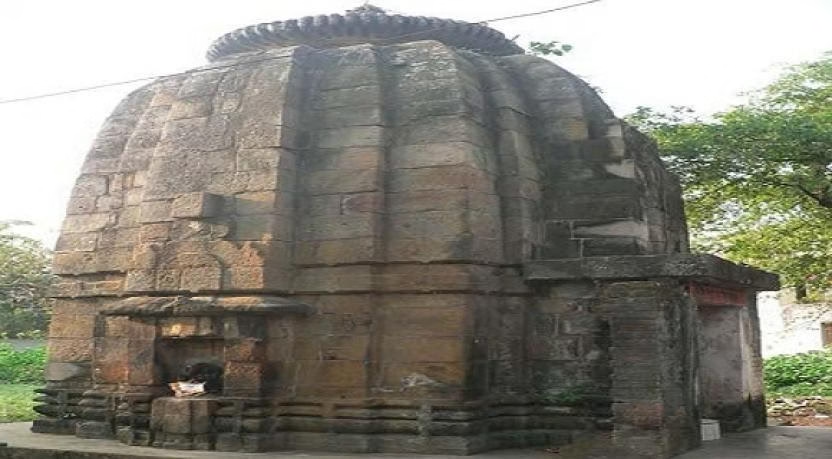
The Chakreshvari Siva Temple is a masterpiece of Kalinga Architecture, characterized by its distinct verticality and intricate stone carvings.

Structural Components

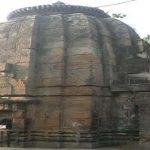
  • The Vimana (Shikhara): The temple features a Pancharatha type Rekha order Vimana. This means the tower rises in a curvilinear spire composed of five longitudinal sections. From the base (Pabhaga) to the top (Kalasa), the structure is divided into three parts: the Bada (vertical wall), Gandi (spire), and Mastaka (roof).
  • The Bada (Base): The lower portion exhibits a trianga bada (three-fold division) with four distinct mouldings: Khura (base moulding), Kumbha (pot-like structure), Pata (horizontal slab), and Basanta (cushion-like moulding).
  • The Facade: The temple is surrounded by private residential buildings on the east and north, creating a unique integration of sacred and domestic spaces. To the west lies the temple tank, essential for ritual purification.

Iconography and Sculpture

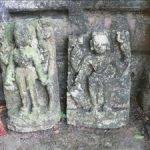
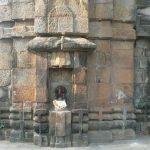
The temple offers fascinating deviations from standard iconography. On the Lalatabimba (lintel of the sanctum), one finds a four-armed Lord Ganesha in place of the usual Gajalakshmi. Interestingly, at the Kalarahanga (niche), the lintel is occupied by images of both Ganesha and Saraswathi—a rare combination symbolizing the removal of obstacles alongside the bestowal of wisdom. In front of the temple, images of Parvati and Kartikeya stand guard, accompanied by an Amlaka stone on the southern side.

Darshan & Ritual Logistics

The temple operates year-round, maintaining traditional Vedic timings. As we move through 2026, the temple administration has streamlined services to accommodate both local devotees and pilgrims.

See also  Sivatirtha Matha: History, Darshan Timings & Complete Guide (Old Town, Bhubaneswar)

Daily Darshan Timings

PeriodTimingActivity
Morning6:00 AM – 12:00 PMMangala Alati, Abhishekam, Normal Darshan
Afternoon12:00 PM – 3:00 PMSanctum Closed (Cleaning & Preparation)
Evening3:00 PM – 8:00 PMSandhya Alati, Darshan

Seva and Online Booking

The temple performs specific rituals vital for the community. Key services include:

  • Abhishekam: Ritual bathing of the Shiva Lingam.
  • Archana: Recitation of names.
  • Rudrabhiseka: Special Vedic ritual for planetary peace.

Online Booking: Devotees can now book Sevas online via the official Odisha Temple Administration portal. For Chakreshvari Siva Temple, select “Bhubaneswar” district and search for “Chakreshvari” to view available slots.

2026 Festival Calendar

  • Maha Shivaratri: February 26, 2026 (Extended night-long darshan).
  • Nuakhai: August 26, 2026 (Harvest festival special Alati).
  • Diwali: October 21, 2026 (Deepa Alati special).
  • Sankranti: Monthly observances, with Makar Sankranti on January 14, 2026.

Practical Visitor Guidance

Code of Conduct & Dress Code

To maintain the sanctity of the Garbhagriha (sanctum sanctorum):

  • Dress Code: Traditional Indian attire (Dhoti/Kurta for men, Saree/Salwar for women) is highly recommended. Western clothing should be modest and covered.
  • Photography: Strictly prohibited inside the sanctum and near the Shikhara. Photography is allowed in the courtyard (Mandapa) without flash.
  • Mobiles: Please silence your phones. Lockers are available at the entrance for electronic devices and shoes.
  • Accessibility: The temple has a stone-planked entrance. While there are no lifts, volunteers are available to assist elderly pilgrims.

Crowd Management & Best Hours

  • Best Time to Visit: Weekday mornings (6:00 AM – 8:00 AM) offer the most peaceful darshan. Weekends and festivals see significant crowds.
  • Seasonal Advice: Bhubaneswar can be humid. In summer (April-June), carry a water bottle and head cover. During the monsoon (July-September), an umbrella is essential.

Pilgrimage Connectivity

How to Reach Chakreshvari Temple

The temple is located at Hatiasuni Lane, Rajarani Colony, Bhubaneswar.

  • By Air: The nearest airport is Biju Patnaik International Airport (BBI), approximately 10 km away (20-30 mins by taxi).
  • By Rail: Bhubaneswar Railway Station (BBS) is the major railhead, about 4 km from the temple. Auto-rickshaws and cabs are readily available.
  • By Road: The temple is easily accessible via NH 16 (formerly NH 5). It connects Bhubaneswar to Kolkata and Chennai. Local transit via auto-rickshaws from Master Canteen Square or Baramunda Bus Stand is common.
See also  Rajarani Temple Bhubaneswar: History, Timings & Darshan Guide

Nearby Sacred Sites (Pilgrimage Circuit)

Enhance your spiritual journey by visiting these nearby landmarks:

  1. Lingaraj Temple: Located 3 km away. The largest temple in Bhubaneswar, dedicated to Lord Harihara.
  2. Mukteswar Temple: 2.5 km away. Known for its exquisite stone arch (Torana) and detailed carvings.
  3. Rajrani Temple: Located just minutes away (Rajarani Colony is named after it). Famous for its missing deity and ornate sculptures.

Photo Gallery

Frequently Asked Questions (FAQ)

1. Is there a VIP darshan entry available?

Currently, Chakreshvari Siva Temple does not have a formal VIP entry system. Darshan is based on first-come, first-served. However, those booking special Sevas (like Rudrabhiseka) are allowed entry during the ritual time.

2. What is the significance of the Ganesha on the lintel?

Usually, the lintel of a Shiva temple features Gajalakshmi (Goddess Lakshmi on a lotus with elephants). In Chakreshvari, the presence of Lord Ganesha signifies the removal of obstacles for devotees entering the sanctum. The combination with Saraswati in the Kalarahanga suggests a blessing of both wisdom and success.

3. Are there accommodation facilities near the temple?

While there are no guesthouses inside the temple premises, the OTDC (Odisha Tourism Development Corporation) Panthanivas and numerous private hotels are available within a 2-3 km radius in Bhubaneswar city center.

4. What is the best route from Bhubaneswar Railway Station?

Take a taxi or auto-rickshaw towards Rajarani Colony via Nayapalli or Master Canteen. The journey usually takes 15-20 minutes depending on traffic.

5. Can non-Hindus visit the temple?

While Bhubaneswar has a rich history, many temples, including Lingaraj, restrict entry to non-Hinds in the sanctum. Chakreshvari is generally a community space. It is advisable to check with the temple management committee regarding entry rules for non-Hindus before visiting.

Recent Posts

कथा ये है महाराज मेरे की – Lyrics & Meaning

कथा ये है महाराज मेरे की छत्रपति संभाजी महाराज – A Prayer to Chhatrapati Sambhaji Maharaj Origin & Spiritual Essence Why This Bhajan Resonates Devotees chant this when their spirit feels tested—its powerful refrain “महाराज मेरे” is a soul’s…

Mere Satguru Ne Di Thi Davai Lyrics in Hindi & Meaning

Mere Satguru Ne Di Thi Davai: Invoking the Guru’s Liberating Wisdom This soul-stirring bhajan venerates the Satguru (True Spiritual Master) as the divine physician who dispenses the only remedy for life’s deepest sufferings. Composed by Sant Karmaveer Tufani, it…

Janm Diyo Thari Maa Dukh Dekhiyo Lyrics in Hindi & Meaning

जन्म दियो थारी माँ दुख देखियो (Maa’s Grief Upon Birthing You) This soul-stirring Chetavani Bhajan (admonitory hymn) is addressed to the Divine Mother (Maa) – a call for repentance when children forget their filial duties in the dark age…