

Contents
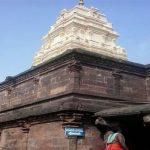
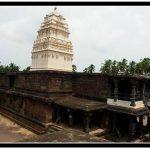
The Sri Chalukya Kumararama Sri Bhimeswaraswamy vari temple is a temple in Samalkota. The presiding deity at this temple is Lord Shiva, known as Kumara Bhimeswara. The most important festival that is celebrated in this temple is Maha Sivarathri.
The temple is historically prominent, as it was built by Chalukyas who reigned over this location. Construction of the temple started in 892 and completed around 922. It is similar to the temple in Draksharamam, but is also unique, such as the linga being white. The temple still stands strong, and it was made a National Heritage Site. It resembles a twin of Draksharam, with two staired Mandapa, and notable that it is in excellent condition, without any cracks. Though the temple is not in a populated place, people do visit there.
The linga is a limestone, 14 feet (4.3 m) high. The temple was built in Dravidian style, by the King Chalukya Bhima. Hence, the god name is Bhimeswara (between 892-922CE). The Kakatiya rulers (in the period 1340-1466CE) have added and renovated the temple pillars with very fine sharp finishes. The work of Chalukyas and Kakatiya’s is very easily distinguished, by the well-decorated and polished pillars in the temple to the rest of the temple, both new and old. The construction of this temple is so solid that it has not changed much through all the years, when compared to the Draksharaam temple. Kala Bhairava is also of importance, and Balatripura sundari is the Goddess. Shaasanas between 1147-1494 were scripted into pillars of the temple, which also have lists of gifts given, through the ages, for the temple. Recent excavations in the compound of the temple has yielded many figures dated back 1000 years are now present inside the temple. In Puranas it has been written that it is a Yogakshetram, which means, the person who has the “yogam” (“fated to have” or “opportunity given by god” or “boon”) to visit, will visit the temple
Architecture
Legend / Local stories
Photo Gallery
How to Reach:
Address
Jaggamma Garipeta, Samarlakota, Andhra Pradesh 533440
Contact Details

Recent Posts

आना भी अकेला है जाना भी अकेला है – Lyrics & Meaning | BharatTemples
आना भी अकेला है जाना भी अकेला है – A Prayer to the Divine Witness Origin & Spiritual Essence Why This Bhajan Resonates Devotees turn to this bhajan in moments of deep reflection—when life’s attachments begin to ache. The…

माता शेरावाली के द्वार जो भी जाता है – Lyrics & Meaning
माता शेरावाली के द्वार जो भी जाता है – A Prayer to Maa Sherawali Origin & Spiritual Essence Why This Bhajan Resonates Devotees turn to this bhajan in times of fear or uncertainty—its promise that no one leaves Maa’s…

मार लेना सपणी उबार लेणा भवरा – Lyrics & Meaning
मार लेना सपणी उबार लेणा भवरा – A Prayer to the Divine Beloved Origin & Spiritual Essence Why This Bhajan Resonates Devotees chant this in moments of deep vulnerability—its cry of “मार लेना सपणी, उबार लेणा भवरा” is the…

हमें श्याम सुंदर भरोसा तुम्हारा – Lyrics & Meaning
हमें श्याम सुंदर भरोसा तुम्हारा – A Prayer to Shyam Sundar Origin & Spiritual Essence Why This Bhajan Resonates Devotees chant this when feeling alone—its refrain ‘de do sahara’ is the soul’s cry for divine support. Lyrics in Hindi…

Mere Satguru Ne Di Thi Davai Lyrics in Hindi & Meaning
Mere Satguru Ne Di Thi Davai: Invoking the Guru’s Liberating Wisdom This soul-stirring bhajan venerates the Satguru (True Spiritual Master) as the divine physician who dispenses the only remedy for life’s deepest sufferings. Composed by Sant Karmaveer Tufani, it…

Janm Diyo Thari Maa Dukh Dekhiyo Lyrics in Hindi & Meaning
जन्म दियो थारी माँ दुख देखियो (Maa’s Grief Upon Birthing You) This soul-stirring Chetavani Bhajan (admonitory hymn) is addressed to the Divine Mother (Maa) – a call for repentance when children forget their filial duties in the dark age…
Bhadi Sabha Mein Thane Manaun Lyrics in Hindi & Meaning
Bhadi Sabha Mein Thane Manaun: Invoking the Spear-Wielding Mother Mata Bhawani (श्री ज्वाला भवानी), the fiery manifestation of Shakti worshipped as the Protector of Dharma in Her Dhaulagarh sanctum. Origin & Spiritual Essence Composed in Rajasthani folk tradition by…
श्याम सुन्दरवा छोटे छोटे कनुवा Lyrics & Meaning
श्याम सुन्दरवा छोटे छोटे कनुवा (Shyam Sundarva Chhote Chhote Kanuva) is a heartfelt invocation to Lord Krishna in his most enchanting form—Shyam Sundar (the dark, beautiful one). This bhajan is a plea for the divine child Kanha to grace…
Maat Meri Chintapurni Lyrics in Hindi & Meaning
Maat Meri Chintapurni is a heartfelt devotional prayer dedicated to Maa Chintapurni, a form of the Divine Mother. She is revered as the remover of worries and the granter of wishes, especially venerated in the Himalayan region of Himachal…
थारी रे नदियां का ढावा पे खीची राजा Lyrics & Meaning
खीची राजा का अद्भुत युद्ध: एक शौर्य गाथा यह भजन एक पौराणिक या ऐतिहासिक शूरवीर राजा की वीरता का वर्णन करता है, जो प्रायः गुजराती लोक संस्कृति में लोककथाओं का हिस्सा है। इसकी रचना दुर्गेश कटारा ने की है…