
Contents
Introduction & Spiritual Essence
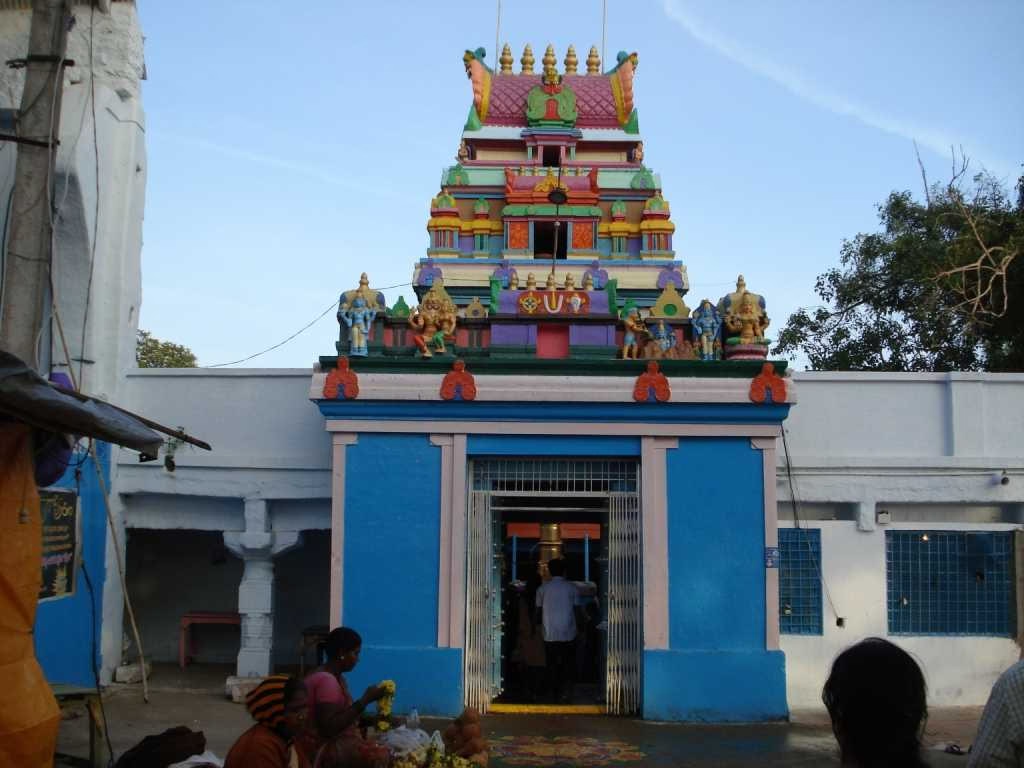
The Chilkoor Balaji Temple (also spelled Chilkur), officially the Sri Venkateswara Swamy Temple, is a beacon of ancient faith and modern spiritual aspiration. Located on the banks of the Osman Sagar near Hyderabad, this 14th-century shrine is popularly known globally as the “Visa Balaji Temple”. Unlike other major temples, it holds the unique distinction of having no Hundi (donation box) and no VIP entry, maintaining a pure egalitarian atmosphere for devotees.
Deity and Form: The principal deity is Lord Venkateswara (Balaji), a form of Vishnu. The idol is a Swayambhu (self-manifested) murti discovered in a molehill. Accompanied by Sridevi (Goddess Lakshmi) and Bhoodevi (Goddess Earth), the idol is unique because it was accidentally struck by an axe, leading to its discovery.
Phalaśruti: The Spiritual Benefits
Devotees flock here seeking the blessings of Lord Venkateswara for removing obstacles, particularly in careers and foreign travel. The ritual of performing 108 circumambulations (Pradakshina) is the primary mode of worship here. Completing these rounds with unwavering faith is believed to fulfill the devotee’s desires, making it a powerful center for ancestral karma cleansing.
Historical Origins & Scriptural Legend
Builders and Era: According to historical records and architectural analysis, the temple structure dates back to the 14th century. It flourished during the reign of the Qutb Shahi dynasty. The temple was managed during the time of Madanna and Akkanna, the uncles of the saint-poet Bhakta Ramadas, which establishes its deep roots in the Vijayanagara era of Deccan history.
The Sthala Purana (Local Legend)
Tradition holds that a devout priest regularly visited Tirupati but fell gravely ill, preventing his journey. Lord Venkateswara appeared in his dream, revealing, “I am right here in the jungle nearby; you need not travel.” The priest rushed to the spot indicated and found a molehill.
As he struck the earth with his axe to clear it, the blade accidentally hit the idol’s chin and chest. Miraculously, blood began to flow profusely, turning the ground scarlet. Hearing a divine voice instruct him to flood the molehill with cow’s milk, the priest complied. The milk cleansed the mud, revealing the Swayambhu idol of Lord Balaji along with Sridevi and Bhoodevi. This idol was then consecrated, forming the heart of the Chilkoor Balaji Temple.
Architectural Marvels
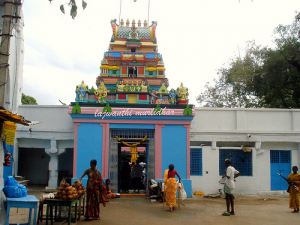
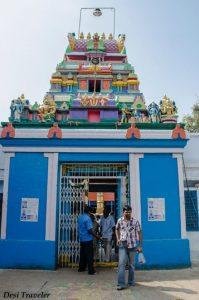
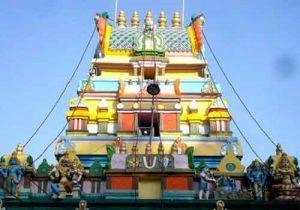
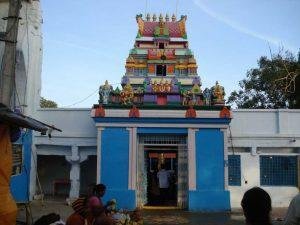
The temple architecture reflects a blend of the Vijayanagara and Kakatiya styles, common in Telangana and Andhra Pradesh. While the outer structure appears modest, the inner sanctity is defined by the Garbha Griha (sanctum sanctorum).
- The Sanctum: The Swayambhu idol is enshrined in a small, intimate space, emphasizing the personal connection between the deity and the devotee.
- Mandapas: The temple features pillared halls used for circumambulation. The walls, though recently repaired due to age, retain the rustic charm of ancient stone work.
- Unique Aspect: Unlike monumental Dravida or Nagara structures, Chilkoor’s architecture is functional and spiritual, designed to facilitate the specific ritual of 108 Pradakshinas rather than grand public gatherings. The temple precincts are lush with trees, acting as a forest retreat.
Darshan & Ritual Logistics (2026 Guide)
The temple is open throughout the year. Note that the temple administration has transitioned to digital systems for certain services, though physical tickets remain available for on-site rituals.
Daily Temple Timings
| Session | Timings | Details |
|---|---|---|
| Morning Darshan | 5:00 AM – 1:00 PM | Opens with Suprabhatam. Includes morning Archana. |
| Afternoon Break | 1:00 PM – 4:00 PM | Temple remains closed for rituals and cleaning. |
| Evening Darshan | 4:00 PM – 8:30 PM | Closes after the final offering (Darbar). |
| Special Timing (Fridays) | 5:00 AM – 9:30 PM | Extended hours due to heavy rush. |
Sevas and Booking
Note on Hundi: The Chilkoor Balaji Temple has no Hundi (donation box). No money is accepted from devotees. Sevas are performed strictly based on tradition.
- Maha Puja / Archana: Performed daily. Tickets can be purchased at the counter upon arrival.
- 108 Pradakshina: The primary ritual. No ticket required; free for all.
- Online Seva Booking: While the temple is known for being traditional, the Telangana Endowments Department occasionally facilitates bookings for special festivals. For the most current status, devotees should check the official Telangana Endowments website.
2026 Festival Dates (Key Events)
- Brahmotsavam: Typically held in May/June (Chaitra/Visakha month). 2026 Dates: May 10th – May 16th.
- Venkateswara Kalyanam: Celebrated during Brahmotsavam.
- Rajya Lakshmi Ammavaru Festival: Celebrated in November.
- Vaikuntha Ekadashi: December 2026 (Dates vary by Panchangam).

Practical Visitor Guidance
Rules and Etiquette
- Dress Code: Traditional attire is mandatory. Men should wear Dhoti or Kurta Pyjama; Women should wear Saree or Salwar Kameez. Modern clothing like jeans/t-shirts is strictly discouraged.
- Footwear: Shoes must be removed at the designated stands outside the temple. It is advisable to wear easy-to-remove footwear.
- Electronics: Mobile phones are allowed but must be kept on silent. Photography is permitted in the outer courtyard but prohibited inside the sanctum.
- Lockers: The temple does not have extensive locker facilities. Carry minimal valuables.
Crowd Management & Best Time to Visit
Approximately 75,000 to 1,00,000 devotees visit weekly. The temple sees maximum rush on Fridays and Sundays.
- Best Hours: 6:00 AM – 8:00 AM (Early Morning) or 5:00 PM – 6:00 PM (Post Lunch).
- Seasonal Advice: Summers (April-June) in Hyderabad are scorching. Carry a water bottle and an umbrella. Monsoons (July-September) bring humidity; the temple grounds can be muddy.
- Accessibility: The inner sanctum requires climbing stairs, which may be difficult for those with mobility issues. However, the administration is supportive; please inform the staff for assistance.
Pilgrimage Connectivity
How to Reach Chilkoor Balaji
The temple is located at Chilkur Village, Gandipet, Hyderabad, approximately 25-33 km from Mehdipatnam.
- By Road: Take the Rajiv Gandhi International Airport Highway (NH 44) and exit towards Gandipet/Osmansagar. The roads are well-paved.
- By Bus: TSRTC (Telangana State Road Transport Corporation) runs special buses from Mehdipatnam and Madhapur during weekends and festival days.
- By Air: The nearest airport is Rajiv Gandhi International Airport (HYD), roughly 20 km away (30 mins by car).
- By Rail: The nearest major railway station is Lingampally (about 10 km away). Alternatively, Secunderabad Junction is the hub for long-distance trains.
Nearby Sacred Sites
- Mahanandi Temple: Located near the airport, famous for its serene atmosphere.
- Ananda Buddha Vihara: A tranquil Buddhist monastery nearby on the Osman Sagar banks.
- Mrugavani National Park: Located in Chilkur, it offers a spiritual connection with nature after the darshan.
Frequently Asked Questions (FAQs)
1. Is there a VIP darshan entry available at Chilkoor?
No. Chilkoor Balaji Temple is famous for having no VIP or special entry lanes. Every devotee, regardless of status, must stand in the general queue, preserving the sanctity of the pilgrimage.
2. Why is it called the Visa Balaji Temple?
The nickname originated during the IT boom in Hyderabad. Devotees who faced visa delays for traveling abroad (particularly to the US) visited the temple, prayed, and experienced positive results. The trend caught on, and now hundreds of visa aspirants visit daily, circling the temple 108 times.
3. Does the temple accept money or donations?
No. The temple does not have a Hundi (donation box). It is managed entirely by the hereditary trustees and family of the Archaka (priest) without accepting funds from devotees. This makes it unique in India.
4. What is the 108 Pradakshina?
It involves circumambulating the inner sanctum 108 times. Each round removes a specific obstacle. Combined with the chanting of the Lord’s name, it is considered the most potent form of prayer here.
5. Are food facilities available?
There is no large-scale restaurant inside the temple complex, but small shops outside serve simple vegetarian snacks and tea. For a full meal, devotees usually return to the city or visit eateries near Gandipet.
| Date built: | 14th century |
|---|---|
| Deity: | Lord Venkateswara |
| Architectural style: | – |
| Major festivals | – |
| Locale: | Chilkur Village, Gandipet, Hyderabad |
| District:: | Hyderabad |
| Address: | – |
| Phone | – |
Recent Posts

ओ सांवरे तूने ही मुझको संभाला – Lyrics & Meaning
ओ सांवरे तूने ही मुझको संभाला – A Prayer to Shyam Origin & Spiritual Essence Why This Bhajan Resonates Devotees chant this when overwhelmed by life’s storms—the refrain ‘तूने ही मुझको संभाला’ is the soul’s sigh of relief: “You…

कथा ये है महाराज मेरे की – Lyrics & Meaning
कथा ये है महाराज मेरे की छत्रपति संभाजी महाराज – A Prayer to Chhatrapati Sambhaji Maharaj Origin & Spiritual Essence Why This Bhajan Resonates Devotees chant this when their spirit feels tested—its powerful refrain “महाराज मेरे” is a soul’s…

Rigveda Samhita Yathartha Anuvada (ऋग्वेद संहिता यथार्थ अनुवाद) – Complete Set with Anvayartha & Hindi/English Translation
The Rigveda is the oldest surviving scripture of humanity and the foundational text of Sanātana Dharma. For serious students, scholars, UPSC aspirants studying ancient Indian history, Sanskrit learners, and spiritual seekers, a precise and grammatically structured translation is indispensable.…

आना भी अकेला है जाना भी अकेला है – Lyrics & Meaning | BharatTemples
आना भी अकेला है जाना भी अकेला है – A Prayer to the Divine Witness Origin & Spiritual Essence Why This Bhajan Resonates Devotees turn to this bhajan in moments of deep reflection—when life’s attachments begin to ache. The…

माता शेरावाली के द्वार जो भी जाता है – Lyrics & Meaning
माता शेरावाली के द्वार जो भी जाता है – A Prayer to Maa Sherawali Origin & Spiritual Essence Why This Bhajan Resonates Devotees turn to this bhajan in times of fear or uncertainty—its promise that no one leaves Maa’s…

मार लेना सपणी उबार लेणा भवरा – Lyrics & Meaning
मार लेना सपणी उबार लेणा भवरा – A Prayer to the Divine Beloved Origin & Spiritual Essence Why This Bhajan Resonates Devotees chant this in moments of deep vulnerability—its cry of “मार लेना सपणी, उबार लेणा भवरा” is the…

हमें श्याम सुंदर भरोसा तुम्हारा – Lyrics & Meaning
हमें श्याम सुंदर भरोसा तुम्हारा – A Prayer to Shyam Sundar Origin & Spiritual Essence Why This Bhajan Resonates Devotees chant this when feeling alone—its refrain ‘de do sahara’ is the soul’s cry for divine support. Lyrics in Hindi…

Mere Satguru Ne Di Thi Davai Lyrics in Hindi & Meaning
Mere Satguru Ne Di Thi Davai: Invoking the Guru’s Liberating Wisdom This soul-stirring bhajan venerates the Satguru (True Spiritual Master) as the divine physician who dispenses the only remedy for life’s deepest sufferings. Composed by Sant Karmaveer Tufani, it…

Janm Diyo Thari Maa Dukh Dekhiyo Lyrics in Hindi & Meaning
जन्म दियो थारी माँ दुख देखियो (Maa’s Grief Upon Birthing You) This soul-stirring Chetavani Bhajan (admonitory hymn) is addressed to the Divine Mother (Maa) – a call for repentance when children forget their filial duties in the dark age…
Bhadi Sabha Mein Thane Manaun Lyrics in Hindi & Meaning
Bhadi Sabha Mein Thane Manaun: Invoking the Spear-Wielding Mother Mata Bhawani (श्री ज्वाला भवानी), the fiery manifestation of Shakti worshipped as the Protector of Dharma in Her Dhaulagarh sanctum. Origin & Spiritual Essence Composed in Rajasthani folk tradition by…