

Contents
Introduction & Spiritual Essence
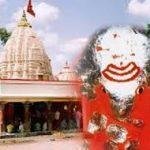
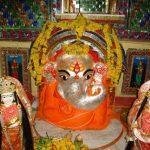
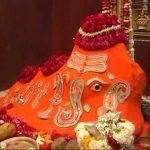
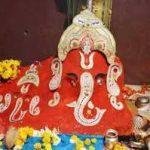
Chintaman Ganesh Temple stands as a monumental testament to devotion in the ancient city of Ujjain, Madhya Pradesh. Dedicated to Lord Ganesha, the remover of obstacles, this temple is revered as the largest Ganesha shrine in the region. The presiding deity is known as Chintaman, which translates to “the remover of worries.” Unlike many sculpted idols, the main murti (deity) here is believed to be Swayambhu (self-manifested), emerging naturally from the sacred earth over centuries.
Devotees flock here to offer prayers to Chintaharan (the one who takes away burdens). According to Hindu beliefs, Lord Ganesha is the first deity worshipped in any ritual to ensure success and remove hurdles. Worshipping at Chintaman Ganesh Temple is believed to cleanse ancestral karma and bring mental peace (Chinta-shanti) to the devotee.
Phalaśruti: The Boon of Visitation
Scriptural traditions suggest that a visit to this temple yields specific spiritual benefits:
- Removal of Obstacles: Seeking blessings before starting new ventures or journeys.
- Ancestral Peace: Performing rituals here is said to pacify Pitru Dosha (ancestral planetary imbalances).
- Mental Clarity: The temple’s energy is renowned for dissolving anxiety and providing clarity in decision-making.
Historical Origins & Scriptural Legend
According to temple records and historical analysis, the Chintaman Ganesh Temple dates back to the 11th and 12th centuries. It was constructed during the reign of the Paramara Dynasty, which ruled over the Malwa region. The architectural style and stone carvings align with the Paramara period, characterized by robust stonework and intricate detailing.
Scriptural References & Sthala Purana
While the Bhagavata Purana and other texts glorify Lord Ganesha, the Sthala Purana (local legend) of Ujjain holds a unique significance. Legend holds that the idol appeared naturally to protect the region from negative influences, hence the name Vighneshwara (Lord of Modulators).
Interestingly, the term “Chintamani” is also associated with Lord Vishnu, representing the divine gem that grants wishes. This temple reflects the syncretic nature of Ujjain’s spirituality, where Lord Ganesha and Lord Vishnu are revered together. The temple has undergone several renovations to preserve its sanctity while maintaining its ancient structural integrity.
Architectural Marvels
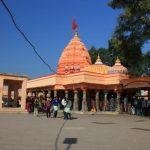
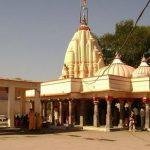
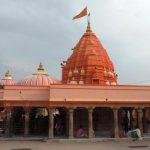
The temple architecture is a prime example of Malwa-style Nagara architecture, characterized by a towering Shikhara (spire) and intricate stone carvings.
- The Sanctum (Garbhagriha): The inner shrine houses the Swayambhu idol of Lord Ganesha. Flanking him are his consorts, Riddhi (prosperity) and Siddhi (spiritual power).
- The Assembly Hall (Mandapa): The temple features a spacious Mandapa supported by finely-carved stone pillars. These pillars depict various celestial beings and motifs typical of medieval Indian craftsmanship.
- Material: The entire structure is built using solid stone, contributing to its “antediluvian” (ancient) appearance that has withstood the test of time.
Darshan & Ritual Logistics
Planning your visit requires attention to specific timings and festival schedules. Below are the estimated daily timings for 2026. Please note: Timings may vary slightly during festivals or specific planetary alignments.
Daily Timings
| Session | Opening Time | Closing Time |
|---|---|---|
| Morning Darshan | 05:00 AM | 01:00 PM |
| Evening Darshan | 04:00 PM | 09:00 PM |
Key Sevas & Online Booking
Devotees can perform various Sevas (rituals) to invoke blessings. It is recommended to book these in advance via the official temple trust portals or authorized platforms.
- Abhishekam: Ritual bathing of the idol with milk, honey, and curd. Best performed during morning hours.
- Archana: Recitation of Ganesha’s names. Can be done individually or for family groups.
- Modak Offering: As Lord Ganesha’s favorite sweet, offerings are distributed to devotees post-ritual.
Online Seva Booking: For 2026, the temple management has integrated digital platforms. Visit the official Ujjain temple board website to select your preferred date and Seva type. Receipts should be carried on mobile or printed for verification at the counter.
2026 Major Festival Dates
- Ganesh Chaturthi: August 26, 2026 (Main Maha Aarti and special darshan throughout the day).
- Magh Shukla Chaturthi: January 23, 2026 (Winter festival of Ganesha).
- Wednesdays (Budhwar): Special significance for Ganesha worship; expect larger crowds.
Practical Visitor Guidance
To ensure a smooth pilgrimage experience, adhere to the following guidelines:
- Dress Code: Traditional attire is recommended. Men should wear dhotis or trousers with a shirt; women should wear sarees or full-length dresses. Avoid shorts or sleeveless tops.
- Photography Rules: Photography is strictly prohibited inside the inner sanctum (Garbhagriha). Discretion is advised in the outer courtyard.
- Mobile Lockers: Large bags and electronic devices are often restricted. Small lockers are usually available near the entrance for a nominal fee.
- Accessibility: The temple has stone steps at the entrance. While the main hall is accessible, the inner sanctum may be challenging for those with mobility issues due to narrow passages.
Crowd Management
- Best Hours: The ideal time for Darshan is early morning (5:30 AM – 7:00 AM) or late evening (after 8:00 PM) to avoid peak crowds.
- Seasonal Advice: Ujjain experiences extreme weather. In May and June, carry water and a head covering as temperatures can exceed 40°C. Winters (Nov-Feb) are the most pleasant for visiting.
Pilgrimage Connectivity
The temple is located on Chintaman Road, about 7 km south-westerly from the main Ujjain town center. It lies near the railway line and the Kshipra river.
How to Reach
- By Air: The nearest airport is Devi Ahilya Bai Holkar Airport, Indore (approx. 55 km). Regular flights connect Indore to Mumbai, Delhi, Kolkata, and Ahmedabad. Taxis and buses are available from Indore to Ujjain.
- By Rail: Ujjain has three major stations: Ujjain Junction (Main), Vikram Nagar, and Chintaman (Metre Gauge). Regular trains connect Ujjain to all major Indian cities.
- By Road: Ujjain is well-connected via National Highways. Major roads include the Indore Road (NH 75), Agar Road, and Dewas Road. State transport buses ply frequently from Indore (1.5 hours) and Bhopal (3.5 hours).
Nearby Sacred Sites
Complete your pilgrimage circuit by visiting these nearby sites:
- Mahakaleshwar Jyotirlinga: One of the 12 revered Jyotirlingas of Shiva, located in the heart of Ujjain.
- Har Siddhi Temple: Located on the banks of the Kshipra, dedicated to the Goddess of Ujjain.
- Kal Bhairav Temple: An ancient shrine dedicated to the fierce form of Shiva, known for its unique offerings.
Frequently Asked Questions (FAQ)
1. Is there a VIP darshan entry available?
Yes, the temple trust facilitates a special entry darshan for elderly devotees and differently-abled persons. VIP tickets are generally not sold publicly, but specific donation passes may be available at the administrative office.
2. What is the significance of the idol being Swayambhu?
A Swayambhu idol is one that was not carved by human hands but formed naturally. Devotees believe such idols possess a higher concentration of spiritual energy and fulfill wishes more effectively.
3. Are outside Prasad (offerings) allowed?
No, outside food items are generally not permitted inside the temple complex. The temple provides its own Prasad, which includes Modak and Laddu, which can be purchased from the authorized counters.
4. How far is the temple from Mahakaleshwar?
Chintaman Ganesh Temple is approximately 6-7 km from the Mahakaleshwar temple. An auto-rickshaw or taxi ride takes about 20-25 minutes depending on traffic.
5. What is the contact number for the temple?
For inquiries and emergency assistance, you can contact the temple administration at 09009004999 (as per official records).
| Date built: | 11th – 12th Century |
|---|---|
| Deity: | – |
| Architectural style: | – |
| Major festivals | – |
| Locale: | Ujjain, Madhya Pradesh |
| District:: | Ujjain |
| Address: | Chintaman Road, Ujjain, Madhya Pradesh 456006 |
| Phone | 09009004999 |
Conclusion
A visit to Chintaman Ganesh Temple is more than a religious obligation; it is a journey into the ancient spiritual fabric of Ujjain. Whether you are seeking relief from worldly worries or exploring the architectural heritage of the Paramara dynasty, this temple offers a sanctuary of peace. Plan your visit, respect the traditions, and immerse yourself in the divine grace of Chintaman.
Recent Posts

Shri Kaamkoteeshwar Mandir, Varanasi – History & Significance
In the heart of Kashi, the eternal city of Lord Shiva, where the Ganges flows with celestial grace, stands the Shri Kaamkoteeshwar Mandir. This sacred Sannidhi is not merely a temple but a profound spiritual bridge between the Northern…

ओ सांवरे तूने ही मुझको संभाला – Lyrics & Meaning
ओ सांवरे तूने ही मुझको संभाला – A Prayer to Shyam Origin & Spiritual Essence Why This Bhajan Resonates Devotees chant this when overwhelmed by life’s storms—the refrain ‘तूने ही मुझको संभाला’ is the soul’s sigh of relief: “You…

कथा ये है महाराज मेरे की – Lyrics & Meaning
कथा ये है महाराज मेरे की छत्रपति संभाजी महाराज – A Prayer to Chhatrapati Sambhaji Maharaj Origin & Spiritual Essence Why This Bhajan Resonates Devotees chant this when their spirit feels tested—its powerful refrain “महाराज मेरे” is a soul’s…

Rigveda Samhita Yathartha Anuvada (ऋग्वेद संहिता यथार्थ अनुवाद) – Complete Set with Anvayartha & Hindi/English Translation
The Rigveda is the oldest surviving scripture of humanity and the foundational text of Sanātana Dharma. For serious students, scholars, UPSC aspirants studying ancient Indian history, Sanskrit learners, and spiritual seekers, a precise and grammatically structured translation is indispensable.…

आना भी अकेला है जाना भी अकेला है – Lyrics & Meaning | BharatTemples
आना भी अकेला है जाना भी अकेला है – A Prayer to the Divine Witness Origin & Spiritual Essence Why This Bhajan Resonates Devotees turn to this bhajan in moments of deep reflection—when life’s attachments begin to ache. The…

माता शेरावाली के द्वार जो भी जाता है – Lyrics & Meaning
माता शेरावाली के द्वार जो भी जाता है – A Prayer to Maa Sherawali Origin & Spiritual Essence Why This Bhajan Resonates Devotees turn to this bhajan in times of fear or uncertainty—its promise that no one leaves Maa’s…

मार लेना सपणी उबार लेणा भवरा – Lyrics & Meaning
मार लेना सपणी उबार लेणा भवरा – A Prayer to the Divine Beloved Origin & Spiritual Essence Why This Bhajan Resonates Devotees chant this in moments of deep vulnerability—its cry of “मार लेना सपणी, उबार लेणा भवरा” is the…

हमें श्याम सुंदर भरोसा तुम्हारा – Lyrics & Meaning
हमें श्याम सुंदर भरोसा तुम्हारा – A Prayer to Shyam Sundar Origin & Spiritual Essence Why This Bhajan Resonates Devotees chant this when feeling alone—its refrain ‘de do sahara’ is the soul’s cry for divine support. Lyrics in Hindi…

Mere Satguru Ne Di Thi Davai Lyrics in Hindi & Meaning
Mere Satguru Ne Di Thi Davai: Invoking the Guru’s Liberating Wisdom This soul-stirring bhajan venerates the Satguru (True Spiritual Master) as the divine physician who dispenses the only remedy for life’s deepest sufferings. Composed by Sant Karmaveer Tufani, it…

Janm Diyo Thari Maa Dukh Dekhiyo Lyrics in Hindi & Meaning
जन्म दियो थारी माँ दुख देखियो (Maa’s Grief Upon Birthing You) This soul-stirring Chetavani Bhajan (admonitory hymn) is addressed to the Divine Mother (Maa) – a call for repentance when children forget their filial duties in the dark age…