Chirakkara Mahavishnu Temple Malaicode

Introduction & Spiritual Essence

Nestled in the serene landscape of Malaicode in the Kanyakumari district of Tamil Nadu, the Chirakkara Mahavishnu Temple stands as a beacon of spiritual tranquility and architectural grace. Dedicated primarily to Lord Mahavishnu (the Sustainer in the Hindu Trinity), the temple is revered by devotees for its powerful blessings and ancient lineage. In local tradition, Lord Vishnu is often depicted here in his Sayana form (reclining on the serpent Ananta), symbolizing cosmic rest and protection.

Phalaśruti (Spiritual Benefits): Devotees visit this sacred shrine to seek relief from Pitru Dosha (ancestral afflictions) and to attain mental peace and prosperity. It is believed that offering sincere prayers here cleanses the devotee’s Karma, paving the way for a harmonious life. The temple holds particular significance for those seeking stability in professional and personal endeavors.

Historical Origins & Scriptural Legend

While specific historical records regarding the exact century of construction are sparse, the architectural style suggests a lineage rooted in the medieval Dravidian temple-building era, potentially dating back several centuries. According to local temple records and oral history (Sthala Purana), the temple was established by local chieftains under the patronage of the Madurai Nayak or Travancore dynasties, who were ardent devotees of Lord Vishnu.

Tradition holds that the name “Chirakkara” is associated with a unique local legend involving the Lord bestowing a “chirakku” (feather/pen) or a specific boon to a sage, or perhaps referring to the Chirakara form (holding a conch and discus). The temple serves as a testament to the deep-rooted Vaishnavite culture in the southern tip of India, reflecting the syncretic blend of Vedic scriptures and local Tamil traditions.

See also  Bhadrakali Devi Temple, Nangarathala: History, Darshan Timings & Guide

Architectural Marvels

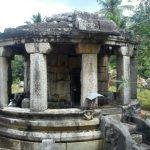
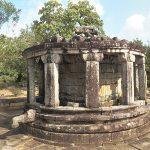
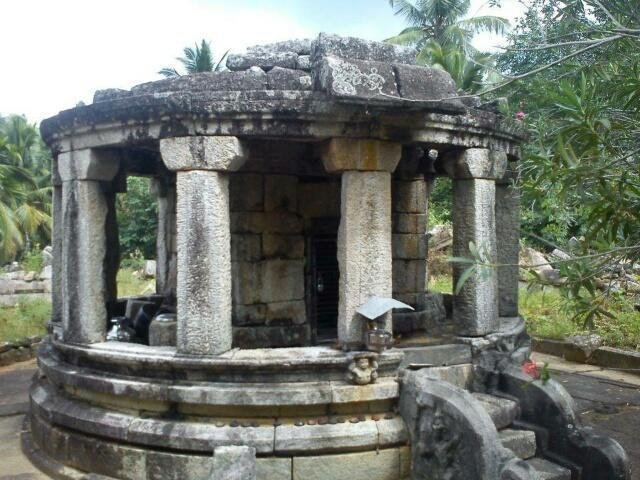
The Chirakkara Mahavishnu Temple is a classic example of Dravidian Architecture. This style is characterized by its intricate sculpture, grand gateways (Gopurams), and a pyramidal tower (Shikhara) that rises over the sanctum.

  • The Sanctum (Garbhagriha): The inner sanctum houses the main deity, Lord Mahavishnu, carved with exquisite detail.
  • Mandapas: The temple features pillared halls (Mandapas) adorned with sculptures depicting scenes from Hindu mythology, specifically the Dashavatara (ten incarnations of Vishnu).
  • Vastu Shastra: The temple follows strict Vastu principles, oriented to allow sunlight to fall on the deity during specific times of the year, enhancing the spiritual energy of the space.

Note: While this temple is a significant local heritage site, it is not currently listed under ASI (Archaeological Survey of India) or UNESCO World Heritage sites, maintaining its unique regional identity.

Darshan & Ritual Logistics

Planning your visit requires an understanding of the daily rituals. Please note that timings are subject to change during festival seasons. The current year is assumed to be 2026 for the purpose of this guide.

Daily Timings

SessionTiming
Morning Darshan6:00 AM – 12:00 PM
Afternoon Break12:00 PM – 4:00 PM
Evening Darshan4:00 PM – 8:30 PM

Key Sevas & Online Booking

Devotees can participate in various Sevas (ritual offerings). While specific online portals for this temple may be managed by local trustees, standard procedures in the Kanyakumari region often align with the HR&CE Department (Hindu Religious and Charitable Endowments) or local temple committees.

  • Abhishekam: Ritual bathing of the deity (Usually performed in the morning).
  • Archana: Chanting of names (Can be done individually).
  • Thirumanjanam: Special offering on auspicious days.
See also  Vedaranyeswarar Temple, Vedaranyam: History, Darshan Timings & Complete Guide

Instructions for Online Booking: Visit the official Tamil Nadu HR&CE website or the temple’s social media presence (if available) to book slots for special days.

2026 Major Festivals

  • Vaikuntha Ekadashi: January 2026 (Specific date depends on the Tamil calendar).
  • Rama Navami: April 2026.
  • Narayana Brahmothsavam: The temple’s annual festival, usually held in the Tamil month of Panguni (March-April).
  • Deepavali: October/November 2026.

Practical Visitor Guidance

To ensure a smooth darshan experience, please adhere to the following guidelines:

  • Dress Code: Traditional attire is mandatory. Men should wear Dhoti or trousers with a shirt; women should wear Saree, Salwar Kameez, or full-length skirts. Avoid shorts and sleeveless tops.
  • Photography & Mobiles: Photography is strictly prohibited inside the inner sanctum. Mobile phones are allowed but must be silenced. Some temples require devices to be deposited in lockers before entry.
  • Accessibility: The temple has steps leading to the main entrance. It may be challenging for wheelchair users without assistance.

Crowd Management: The temple attracts a significant crowd on Saturdays (Sani Pradosham) and during festival days. To avoid long waits, visit on weekdays between 10:00 AM and 11:30 AM. In the summer months (April–June), carry a water bottle and a handkerchief, as Kanyakumari can be humid.

Pilgrimage Connectivity

The temple is strategically located in the Kanyakumari district, making it accessible via various modes of transport.

How to Reach

  • By Road: The temple is located on the Malaicode to Manjalumoodu Road. It is approximately 38 km from Nagercoil and 59 km from Kanyakumari town. It lies close to National Highway 66 (formerly NH 47).
  • By Rail: The nearest major railway station is Kuzhithurai (approx. 12 km). Nagercoil Junction is a larger hub about 38 km away.
  • By Air: The nearest airport is Trivandrum International Airport (Thiruvananthapuram), Kerala, located approximately 43 km away.
See also  Kolavizhi Amman Temple Mylapore: History, Timings & Complete Pilgrimage Guide

Nearby Sacred Sites

Enhance your pilgrimage by visiting these nearby temples:

  1. Thiruvattaru Adikesava Perumal Temple: Located about 12 km away, this is another ancient Vishnu temple known for its unique architectural layout.
  2. Thirupparappu Waterfall & Shiva Temple: A scenic spot roughly 10 km from Malaicode, combining nature with devotion.
  3. Kumarakovil Temple: Situated on a hill near Nagercoil (approx. 25 km), dedicated to Lord Murugan, offering a serene contrast to the coastal temples.

Frequently Asked Questions (FAQs)

Is there a VIP darshan entry at Chirakkara Mahavishnu Temple?

Currently, the temple operates on a general darshan basis. While special tickets may be issued during major festivals for faster access, there is no permanent VIP entry system. All devotees are treated equally.

What is the best time to visit Malaicode?

The ideal time to visit is between October and February when the weather in Kanyakumari is pleasant and cool. Avoid summer afternoons if you are sensitive to heat.

Are there accommodation facilities available nearby?

While the temple itself does not have attached guesthouses, the town of Nagercoil (38 km away) offers a wide range of hotels and lodges. For a more spiritual stay, devotees often prefer the guest houses at nearby temples like Thiruvattaru or Kumarakovil.

Is outside food allowed inside the temple?

Outside food is generally not allowed inside the sanctum. However, the temple may offer Prasadam (blessed food) to devotees. It is recommended to check at the entrance office.

How do I contact the temple administration?

For the most current contact details, it is advisable to check the official Tamil Nadu Tourism Department website or the local temple notice board, as phone numbers can change.


Disclaimer: The information provided is based on available data and local traditions. Visitors are advised to confirm timings and specific rituals with the temple administration before planning their travel.

Recent Posts

कथा ये है महाराज मेरे की – Lyrics & Meaning

कथा ये है महाराज मेरे की छत्रपति संभाजी महाराज – A Prayer to Chhatrapati Sambhaji Maharaj Origin & Spiritual Essence Why This Bhajan Resonates Devotees chant this when their spirit feels tested—its powerful refrain “महाराज मेरे” is a soul’s…

Mere Satguru Ne Di Thi Davai Lyrics in Hindi & Meaning

Mere Satguru Ne Di Thi Davai: Invoking the Guru’s Liberating Wisdom This soul-stirring bhajan venerates the Satguru (True Spiritual Master) as the divine physician who dispenses the only remedy for life’s deepest sufferings. Composed by Sant Karmaveer Tufani, it…

Janm Diyo Thari Maa Dukh Dekhiyo Lyrics in Hindi & Meaning

जन्म दियो थारी माँ दुख देखियो (Maa’s Grief Upon Birthing You) This soul-stirring Chetavani Bhajan (admonitory hymn) is addressed to the Divine Mother (Maa) – a call for repentance when children forget their filial duties in the dark age…