Chittaranjan Park Kali Mandir, Delhi: History, Darshan Timings & Festivals
Receive daily temple updates, divine darshan, and morning bhajans directly on WhatsApp.
Contents
- 1 Chittaranjan Park Kali Mandir: A Definitive Pilgrimage Guide
Chittaranjan Park Kali Mandir: A Definitive Pilgrimage Guide
Welcome to the spiritual heart of New Delhi’s Bengali community. This comprehensive guide explores the Chittaranjan Park Kali Mandir (Kali Bari), a revered sanctuary dedicated to Goddess Kali. Whether you are a local devotee or a pilgrim visiting the capital, this guide provides essential insights into the temple’s history, architecture, and logistical details for a fulfilling darshan experience.
Introduction & Spiritual Essence
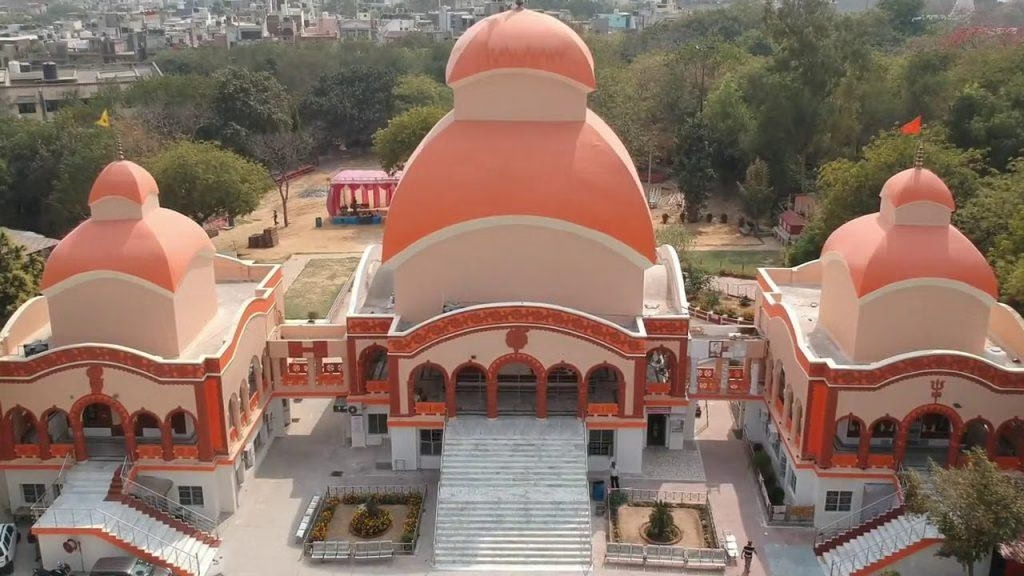
The Chittaranjan Park Kali Mandir serves as a beacon of spiritual energy and cultural preservation for the Bengali diaspora in Delhi. Established in the early 1970s, the temple complex has evolved from a small shrine into a grand architectural marvel, deeply rooted in the Shakta tradition of Hinduism.
The Divine Deity
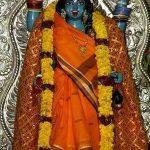
The primary deity is Maa Kali, the fierce yet benevolent form of the Divine Mother. She is worshipped here as Shyama Kali, the second aspect of Mahavidya, representing the destruction of evil and the liberation of the soul. The complex also houses shrines for Lord Shiva (the first consecrated deity on the hill), Radha-Krishna, and Lord Hanuman.
Phalaśruti: The Fruits of Visiting
Devotees believe that a visit to the Kali Bari offers profound spiritual benefits. According to tradition, worshipping Maa Kali here helps in:
- Cleansing Karmic Debt: Removing ancestral sins and obstacles in one’s lineage.
- Removing Fear: Kali is known as Bhaya Nashini—the one who destroys fear.
- Navagraha Shanti: The temple energy is believed to pacify malefic planetary influences.
📖 Related: Tambdi Surla Temple, North Goa
Historical Origins & Scriptural Legend
Founding of the Temple
According to temple records, the foundation was laid in 1973 on land designated by the EPDP (East Pakistani Displaced Persons) colony. What began as a humble Shiv temple on a small hill eventually grew into a massive complex. The defining moment came in February 1984 when the main Kali temple was consecrated, marking the start of a new era for the community.
The Sthala Purana
Tradition holds that the spiritual vibration of the site was established when the Murti of Goddess Kali was brought from Bengal. Unlike ancient archaeological sites, the legend of this temple is living and oral—passed down by the first generation of Bengali refugees who transformed the rocky terrain of South Delhi into a sacred landscape, mirroring the spiritual geography of their homeland.
Architectural Marvels
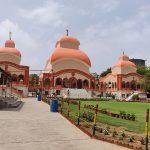
The temple is a masterpiece of Bengal Terracotta Temple Architecture. It draws inspiration from the medieval temples of West Bengal, specifically the Bankura and Bishnupur styles.
Vastu Shastra & Design
The temple is built on an elevated hill (symbolic of the Mount Meru), adhering to Vastu principles of elevation and direction. The walls and facades feature intricate terracotta carvings installed between 2006 and 2009. These panels depict scenes from the Ramayana, Mahabharata, and the life of Lord Krishna.
- The Shikhara: The towering spire of the main Kali shrine follows the Nagara style of architecture.
- Mandapas: The temple features a Mandapa (hall) for gatherings, which becomes the epicenter of cultural activities.
While it is a modern construction, the craftsmanship is traditional. The use of red brick and terracotta connects the devotee immediately to the spiritual heritage of Bengal.
Darshan & Ritual Logistics
Planning your visit is crucial for a peaceful experience. Below are the current timings and major festival dates for 2026.
📖 Related: Laxmi Narasimha Temple, North Goa
Daily Timings
| Session | Opening Time | Closing Time |
|---|---|---|
| Morning | 06:00 AM | 12:00 PM |
| Evening | 04:00 PM | 10:00 PM |
| Break | 12:00 PM – 4:00 PM (Temple closed) | |
Key Sevas & Booking
The temple management, Chittaranjan Park Kali Mandir Society, manages rituals efficiently. For special occasions, online seva booking is available via their official website or designated portals.
- Mangala Aarti: Daily at 6:00 AM (Best for a serene experience).
- Abhishekam: Special Ritual bathing of the deity (Requires prior booking).
- Archana: Individual prayers offering flowers and sweets.
- Satyanarayan Puja: Conducted on full moon days.
Major 2026 Festival Dates
Note: Dates are based on the Hindu lunar calendar and are subject to local sighting.
- Navratri (Spring): March 30 – April 7, 2026
- Deepavali: November 10, 2026
- Christmas: December 25, 2026 (Special prayer)
🚨 Special Event: Durga Puja 2026
The Chittaranjan Park Kali Mandir is the focal point of Delhi’s Durga Puja celebrations. For 2026, the festival will run from October 21 to October 25. Expect massive crowds, cultural performances, and elaborate food stalls. Due to restricted parking, public transport is highly recommended during these days.
Photo Gallery
Explore the divine beauty of the temple through images. The terracotta reliefs and the vibrant night lighting create a mesmerizing atmosphere.

images, Chittaranjan Park Kali Mandir, New Delhi
kali-mandir-cr-park, Chittaranjan Park Kali Mandir, New Delhi

chittaranjan-park-kali, Chittaranjan Park Kali Mandir, New Delhi
2017-05-24, Chittaranjan Park Kali Mandir, New Delhi
Chittaranjan-Park-Kali-Mandir-1, Chittaranjan Park Kali Mandir, New Delhi
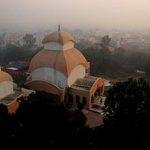
300px-I1377_shivmandir_crp-g2, Chittaranjan Park Kali Mandir, New Delhi
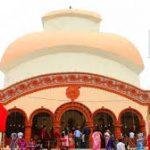
download, Chittaranjan Park Kali Mandir, New Delhi
Practical Visitor Guidance
What to Wear
Modest attire is required. As a temple dedicated to the fierce form of the Goddess, it is respectful to cover shoulders and knees. Traditional Indian wear is preferred but not mandatory.
Photography & Electronic Devices
Photography is generally permitted in the outer courtyards but strictly prohibited inside the sanctum sanctorum (Garbhagriha). Mobile phones should be kept on silent mode.
Crowd Management & Accessibility
- Best Time to Visit: Early mornings (6:00 AM – 8:00 AM) on weekdays.
- Pilgrimage Circuit: The temple complex includes the Shiv temple, Hanuman temple, and a Radha-Krishna shrine. Allow at least 2 hours to cover the entire complex.
- Accessibility: The temple is built on a hill, requiring a climb of approximately 50 steps. There is no elevator facility currently.
Pilgrimage Connectivity
How to Reach
Located in the heart of South Delhi, the temple is well-connected by road and metro.
- By Metro: Take the Magenta Line to Kalkaji Mandir Station (Exit Gate 3). The temple is a 10-minute auto-rickshaw ride away. Alternatively, Nehru Enclave Station is also nearby.
- By Road: Situated off Mehrauli-Badarpur Road (NH-24). From Ashram Chowk, it is a 15-minute drive.
- Nearest Airport: Indira Gandhi International Airport (Terminal 3) is approximately 35 minutes away via NH-48 (traffic dependent).
📖 Related: Mahalaxmi Temple, North Goa
Nearby Sacred Sites
Extend your pilgrimage with these nearby destinations:
- ISKCON Temple (Nehru Place): Dedicated to Lord Krishna, located 2 km away.
- Kalkaji Mandir: An ancient temple for Goddess Kali, one of the oldest in Delhi, located 3 km away.
- Bahai Lotus Temple: A symbol of unity and peace, situated 4 km from CR Park.
Frequently Asked Questions (FAQs)
Is there a VIP or special darshan entry available?
Yes, the temple offers Scheduled Darshan for a nominal fee during regular hours. However, during Durga Puja, general darshan lines are followed, and VIP passes are issued only to donors and specific community members.
Where can I park my vehicle?
The temple has a limited parking area for two-wheelers and cars, but it fills up quickly. It is advisable to use Metro or ride-sharing services. Paid parking is available in the surrounding residential colonies.
Are there food facilities available inside?
Yes, the temple complex has a Bhojanalaya (community kitchen) that serves vegetarian Prasad and meals (Thali) at subsidized rates during morning and evening hours. There are also multiple Bengali sweet and snack stalls outside the temple gates.
Can non-Hindus visit the temple?
While the temple is primarily a Hindu place of worship, visitors from all backgrounds are welcome to explore the architectural complex and enjoy the cultural atmosphere. However, entry to the inner sanctum is typically restricted to those who wish to worship.
What is the contact number for the temple office?
For queries regarding Pujas or donations, you can contact the administration at 011-26276661. It is recommended to call between 10:00 AM and 5:00 PM.