Daksheswara Mahadev Temple, Haridwar: History, Darshan Timings & Guide
Receive daily temple updates, divine darshan, and morning bhajans directly on WhatsApp.
Contents
- 1 Introduction & Spiritual Essence
- 2 Historical Origins & Scriptural Legend
- 3 Architectural Marvels
- 4 Darshan & Ritual Logistics
- 5 Practical Visitor Guidance
- 6 Pilgrimage Connectivity
- 7 Frequently Asked Questions (FAQ)
- 8 Conclusion
Introduction & Spiritual Essence
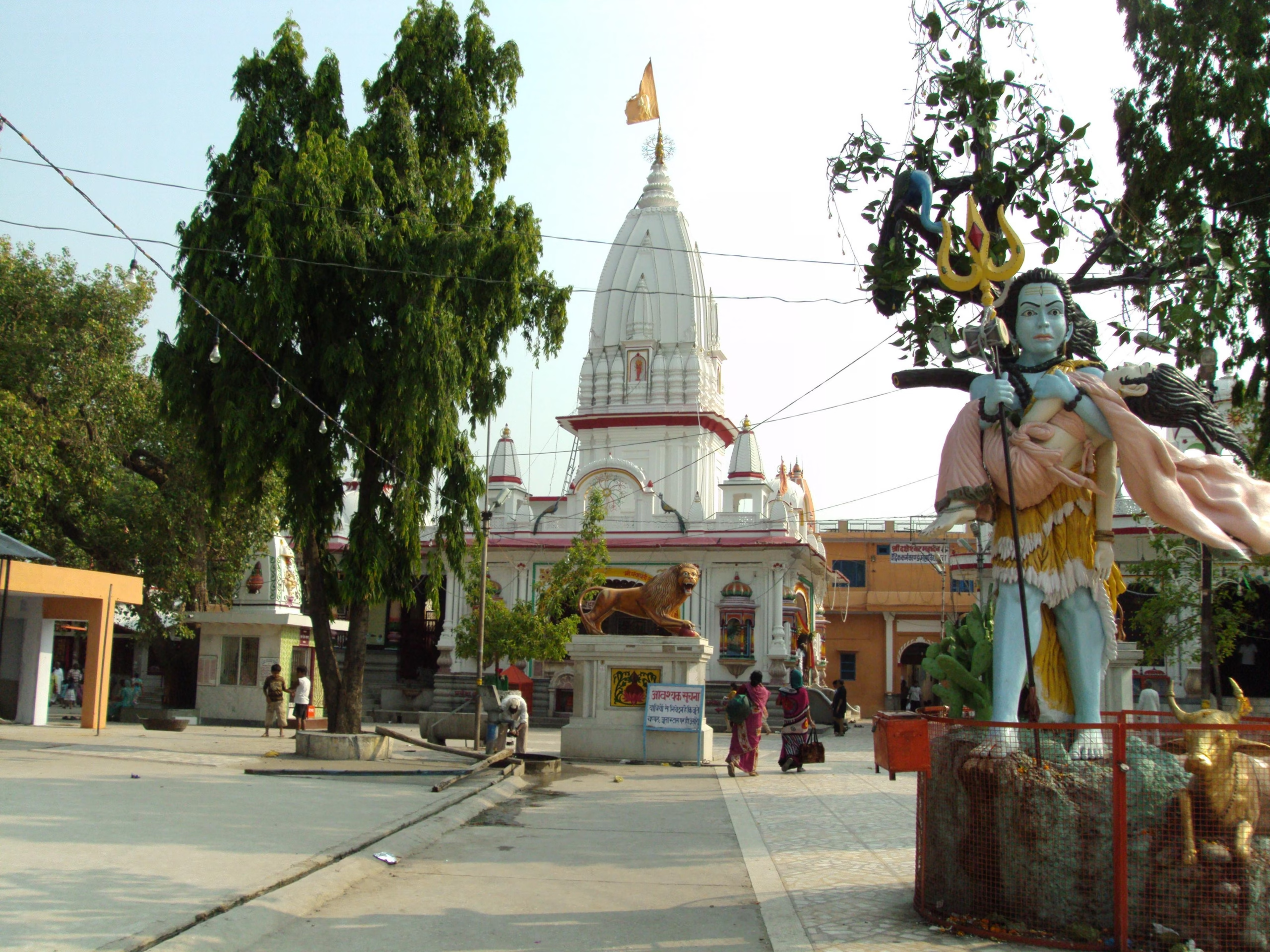
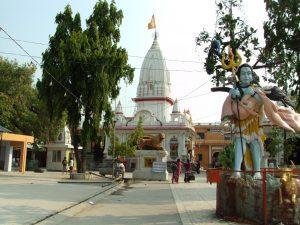
Daksheswara Mahadev Temple, also revered as Daksha Mahadev, is a sacred abode of Lord Shiva situated in Kankhal, a historic suburb of Haridwar in Uttarakhand. Unlike isolated mountain shrines, this temple stands as a testament to the complex human emotions and divine justice entwined in the cosmic dance of Shiva and Sati. It is named after King Daksha Prajapati, one of the fourteen Prajapatis and the father of Goddess Sati.
Phalaśruti: Why Visit Daksheswara Mahadev?
Devotees flock to this temple not merely to witness architecture, but to engage with a living narrative of redemption. According to temple records and Shaivite traditions, visiting Daksheswara Mahadev offers specific spiritual benefits:
- Ancestral Karmic Cleansing: The temple is associated with the Preta state (the wandering soul). Rituals performed here are believed to alleviate the suffering of departed ancestors, helping them achieve Moksha (liberation).
- Resolution of Family Discord: Given the legend of Daksha and Sati, this is a powerful site for devotees praying for reconciliation within the family unit and the healing of fractured relationships.
- Destruction of Ego: Just as Daksha’s pride was humbled before Shiva’s fierce form, worshipping here aids in dissolving the ego (Ahamkara), leading to spiritual surrender and peace.
Historical Origins & Scriptural Legend
The spiritual history of Daksheswara Mahadev is a tapestry woven from ancient texts and local folklore. It serves as a primary Tirtha (crossing place) for devotees tracing the footsteps of the Daksha Yagna.
The Legend of the Daksha Yagna
Tradition holds that this sacred ground in Kankhal was the site of the catastrophic Yagna performed by King Daksha. According to the Vayu Purana and the epic Mahabharata, Daksha Prajapati, born of Lord Brahma, organized a massive sacrificial ceremony but deliberately excluded his son-in-law, Lord Shiva, due to his ascetic appearance and disregard for Vedic rituals.
📖 Related: Chandi Devi Temple, Haridwar: History, Darshan Timings & Panch Tirth Guide
When Goddess Sati, Shiva’s first wife, learned of this exclusion, she attended the Yagna to protest. Witnessing her husband being disrespected and her father’s arrogance, she sacrificed herself in the sacred fire (Agni Kund). In grief and rage, Shiva unleashed his fearsome avatar, Virabhadra, and the goddess Bhadrakali, who beheaded Daksha. Later, at the plea of other deities, Shiva restored Daksha’s life by replacing his head with that of a goat, symbolizing the sacrifice of the ego.
Architectural Heritage
The current structure is a relatively modern restoration of the ancient site. Queen Dhankaur constructed the original temple in 1810 CE. Following a period of disrepair, the temple was rebuilt in its current form in 1962. Despite its modern construction, the temple retains the sanctity of the original Yagna Kunda, which remains visible within the complex.
Architectural Marvels
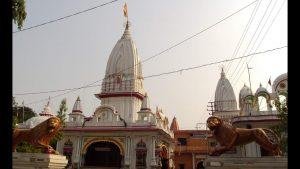
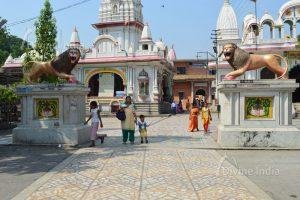
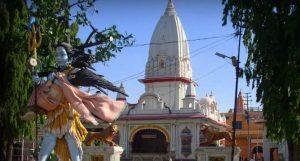
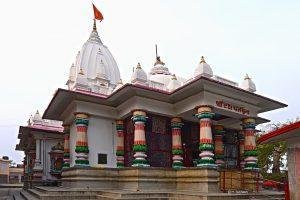
Daksheswara Mahadev Temple is a fine example of the Nagara style of temple architecture, prevalent in Northern India. While the structure is not an ancient ASI-protected monument, its design follows traditional Vastu principles dedicated to Lord Shiva.
Structural Highlights
- Shikhara (Spire): The temple features a tiered Shikhara that rises elegantly, symbolizing the Mount Meru. The exterior walls are adorned with intricate carvings depicting scenes from Hindu mythology.
- Mandapa (Hall): A spacious pillared hall allows devotees to gather for Satsang and prayer. The open layout facilitates the flow of natural light and air.
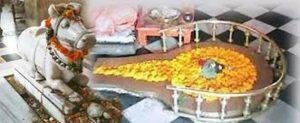
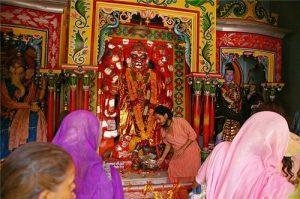
- Presiding Deity: The inner sanctum (Garbhagriha) houses a Swayambhu (self-manifested) or highly revered Murti of Daksheswara Mahadev (Shiva) facing east. - Sub-Shrines: Adjacent to the main temple stands the Das Mahavidya Temple, dedicated to the ten forms of Goddess Shakti (including Kali and Tara). A temple dedicated to the Ganga and the Nileshwar Mahadev Temple are also part of the complex.
_
Darshan & Ritual Logistics
Visiting Daksheswara Mahadev requires an understanding of the daily Seva schedule. The temple follows a standard routine typical of major Shiva temples in Uttarakhand.
Daily Darshan Timings (2026 Schedule)
| Session | Timing | Activity |
|---|---|---|
| Morning | 6:00 AM – 12:00 PM | Mangala Aarti, Shringar Darshan |
| Afternoon | 12:00 PM – 4:00 PM | General Darshan (restricted during Bhog) |
| Evening | 4:00 PM – 8:00 PM | Sandhya Aarti, Shayan Darshan |
Key Sevas and Online Booking
Devotees can perform specific rituals to deepen their spiritual connection. Note that while the temple administration manages onsite bookings, many rituals in Haridwar are facilitated through the Shri Ganga Sabha or the Uttarakhand Char Dham Devasthanam Board portal for standardized booking.
- Abhishekam: Ritual bathing of the Shiva Linga with milk, honey, and Belpatra. Timing: 6:00 AM – 7:00 AM.
- Archana: Individual prayer offerings. Available throughout the day.
- Rudrabhishek: A Vedic ritual for large groups or families. Booking required 24 hours in advance.
2026 Major Festival Dates
- Maha Shivaratri: February 26, 2026 (Peak pilgrimage day; expect massive crowds).
- Navratri (Chaitra): March 30 – April 7, 2026 (Special Pujas at Das Mahavidya Temple).
- Saavan (Shravan) Month: July 7 – August 23, 2026 (Weekly Mondays are particularly auspicious).
Practical Visitor Guidance
To ensure a seamless pilgrimage, please adhere to the following guidelines established by the temple management.
Code of Conduct & Facilities
- Dress Code: Traditional Indian attire (Dhoti, Kurta, Saree, or Salwar Kameez) is mandatory for entry into the sanctum. Western clothing is discouraged.
- Photography: Strictly prohibited inside the Garbhagriha. Photography in the outer complex is permitted but without flash.
- Mobile Lockers: Available at the entrance for electronic devices, as smartphones are not allowed inside the inner shrine.
- Accessibility: The temple ground floor is wheelchair accessible, though the inner sanctum involves a few steps.
Crowd Management
- Best Hours: Visit between 10:00 AM and 2:00 PM to avoid the morning rush of locals and the evening rush of Aarti attendees.
- Seasonal Advice:
- Summer (May-June): Haridwar becomes very hot. Carry a water bottle and cover your head.
- Monsoon (July-August): The humidity is high, but the temple is lush. Umbrellas are essential.
- Winter (Nov-Feb): Mornings are foggy and cold. Woolens are necessary for morning Aarti.
Pilgrimage Connectivity
How to Reach
By Air: The nearest airport is Jolly Grant Airport (DED) in Dehradun, approximately 35 km (1 hour drive). The international airport in Delhi is roughly 210 km away (4-5 hours).
By Rail: Haridwar Junction (HW) is the nearest railway station, located about 5 km from Kankhal. Auto-rickshaws and cabs are readily available at the station.
By Road: Kankhal is located on the Haridwar-Raiwala Highway (NH 334). Buses from Delhi’s ISBT Kashmere Gate drop you at Haridwar Bus Stand, from where local transport connects to Kankhal.
Nearby Sacred Sites (Pilgrimage Circuit)
Enhance your spiritual journey by visiting these nearby landmarks:
- Daksha Ghat: Located just next to the temple, this ghat on the Ganges is ideal for ritual bathing and performing Pinda Daan for ancestors.
- Har Ki Pauri: The most famous ghat in Haridwar, 4 km away, where the Ganga Aarti takes place daily.
- Chandi Devi Temple: A cable car ride (Udan Khatola) takes you to this hilltop temple dedicated to Goddess Chandi, offering panoramic views of the Ganges.
Haridwar Daksha Mahadev temple 3, Daksheswara Mahadev Temple, Haridwar, Uttarakhand
maxresdefault (81), Daksheswara Mahadev Temple, Haridwar, Uttarakhand
Haridwar-dakshamahadev, Daksheswara Mahadev Temple, Haridwar, Uttarakhand
Daksheshwar_Mahadev_temple,_Kankhal
daksheswara-mahadev-temple-complex, Daksheswara Mahadev Temple, Haridwar, Uttarakhand
daksha-mhadev-temple-haridwar1, Daksheswara Mahadev Temple, Haridwar, Uttarakhand
Daksheswara-Mahadev-Temple-Daksha-Mahadev-Temple1
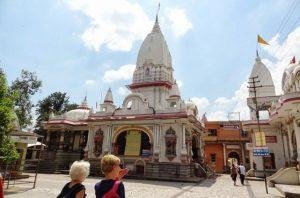
daksheswara-mahadev-temple, Daksheswara Mahadev Temple, Haridwar, Uttarakhand
Frequently Asked Questions (FAQ)
1. Is there a VIP or special entry darshan at Daksheswara Mahadev?
While the temple does not have a formal “VIP” system like Tirupati, senior citizens and differently-abled devotees are given priority queue access. General VIP entry is usually managed through the Shri Ganga Sabha office onsite for a nominal donation.
2. What is the significance of the goat head in the temple lore?
The goat head represents the sacrifice of ego. After the war, Lord Shiva spared King Daksha’s life by replacing his severed human head with a goat’s head, signifying that the destructive aspect of the ego had been removed, leaving a docile, surrendered nature.
3. Can non-Hindus visit the temple?
While the temple is a center for Shaivite worship, access is generally open to all visitors who respect the sanctity of the shrine and adhere to the dress code and behavioral rules.
4. Is there accommodation available near the temple?
Yes, Kankhal has numerous Dharamshalas and guesthouses. However, for better amenities, most pilgrims prefer staying in Haridwar city center, which is only 10-15 minutes away by auto.
5. Are offerings available at the temple?
Fresh flowers, milk, and coconut are available at shops just outside the temple entrance. It is recommended to buy these outside rather than inside to ensure freshness and fair pricing.
Conclusion
Visiting Daksheswara Mahadev Temple is more than a physical journey; it is an immersion into the cosmic drama of love, loss, and redemption. Standing in the shadow of the ancient Yagna Kunda, amidst the chanting of Shiva’s name, devotees find a profound connection to the eternal truth. Whether you seek the boon of prosperity, the peace of ancestral blessings, or simply the darshan of Mahadev, Kankhal awaits with open arms.
_