Dandapani Temple Varanasi: History, Darshan Timings & Guide
Receive daily temple updates, divine darshan, and morning bhajans directly on WhatsApp.
Contents
- 1 The Definitive Pilgrimage Guide to Dandapani Temple, Varanasi
- 1.1 Introduction & Spiritual Essence
- 1.2 Historical Origins & Scriptural Legend
- 1.3 Architectural Marvels
- 1.4 Darshan & Ritual Logistics
- 1.5 Practical Visitor Guidance
- 1.6 Pilgrimage Connectivity
- 1.7 Frequently Asked Questions (FAQs)
- 1.7.1 1. Is there a VIP Darshan entry at Dandapani Temple?
- 1.7.2 2. Can I enter the temple without a guide?
- 1.7.3 3. Is photography allowed?
- 1.7.4 4. What is the difference between the Dandapani near Gyan Vapi and the one near Kaal Bhairav?
- 1.7.5 5. What is the significance of offering Pinda Daan here?
- 1.8 Photo Gallery
- 1.9 How to Reach
- 1.10 Contact Details
The Definitive Pilgrimage Guide to Dandapani Temple, Varanasi
As the Lead Heritage Architect and SEO Strategist for BharatTemples.com, I present this comprehensive guide to the Dandapani Temple in Varanasi. Situated near the sacred Gyan Vapi (Well of Wisdom), this ancient shrine is dedicated to Dandapani, a unique form of Lord Shiva serving as the protector (Yaksh Raj) of Kashi.
Introduction & Spiritual Essence
The Dandapani Temple holds a distinct spiritual significance within the Kashi Khand of Skanda Purana. Unlike the self-manifested (Swayambhu) Shiv Lingas of Kashi, the deity here is a Yaksh—a divine guardian deity. The name Dandapani translates to “One who holds the staff (Danda) in hand.”
Phalaśruti: Why Visit?
According to ancient scriptures, Dandapani is the protector of Kashi, tasked with driving away negative forces and ensuring that only the virtuous attain the darshan of Lord Visweshwar (Kashi Vishwanath).
- Removal of Obstacles: Devotees worship here to overcome life hurdles and receive blessings for a prosperous life.
- Protection of Ancestors: It is believed that worshipping Dandapani after performing rituals at Gyan Vapi brings peace to ancestors and absolves “ancestral karma.”
- Path to Mukti: The temple is intrinsically linked to Mukti (liberation from the cycle of birth and death). The Kashi Khand states that those who fail to worship Dandapani may not attain the full spiritual benefits of dying in Kashi.
Historical Origins & Scriptural Legend
The history of Dandapani is deeply rooted in the Kashi Khand of the Skanda Purana (Chapter 32). The local tradition and temple records narrate a captivating story involving Yaksh Raj.
📖 Related: Pita Maheshwar Temple Varanasi: History, Timings & Kashi Khand Legend
The Legend of Harikesh
Tradition holds that a Yaksh named Ratnabhadra had a son named Poornabhadra. Born into wealth, Poornabhadra was childless and sought blessings from Lord Shiva in Kashi. He worshipped through Bhajans, and his wife, Kanaka Kundala, soon gave birth to a boy named Harikesh.
At the age of eight, Harikesh developed a profound inclination towards spirituality. He began making clay Shiv Lings and addressing his friends by names of Shiva (Chandrashekhar, Mrityunjay). Disappointed by his lack of interest in household duties, Harikesh eventually left home for Kashi.
The Divine Encounter
In Kashi, Harikesh underwent extreme asceticism, his body reducing to a skeleton due to intense worship of Lord Visweshwar. Goddess Parvati, moved by his devotion, urged Lord Shiva to intervene. Lord Shiva appeared, touched the boy, and revived his spirit.
Lord Shiva proclaimed:
“Those who live in Kashi are happy; those who die here are free from rebirth. You shall remain here as the saviour of my devotees, driving away evil forces. You are Dandapani—the Yaksh Raj.”
Lord Shiva ordained that two of his ganas, Samparam and Utparam, would forever remain with Dandapani. The Lord stated that devotees taking a bath in Gyan Vapi Teerth and worshipping Dandapani would receive his supreme blessings.
Architectural Marvels
The Dandapani Temple is a testament to the fusion of Dravidian architecture and the spiritual aesthetics of Varanasi. While specific ASI monument records are not marked for this small shrine, the structure exhibits the features typical of the Dravidian style adopted in the holy city.
Key Architectural Elements
- The Shikhara: The temple features a tiered Shikhara (tower) typical of Dravidian style, culminating in a Kalash (pot finial).
- The Sanctum (Garbhagriha): The inner sanctum houses the Yaksh Murti of Dandapani. Unlike a traditional Shiv Ling, the deity is depicted as a standing figure holding a staff, protecting the southern approach to Lord Vishwanath.
- Sculptural Details: The outer walls feature intricate carvings of various forms of Lord Shiva, and the temple is situated in a narrow lane (Galli) leading to the Gyan Vapi, preserving the medieval urban layout of Varanasi.
Darshan & Ritual Logistics
As an active place of worship located near Gyan Vapi, the temple follows traditional timings. Devotees are encouraged to check for specific Puja timings on festivals.
📖 Related: Vamadeveshwar Temple: Kashi Khand Legend, Darshan Timings & Guide
Daily Darshan Timings
| Session | Timing | Description |
|---|---|---|
| Morning Darshan | 05:00 AM – 12:00 PM | Best time for Snaan (bath) rituals at Gyan Vapi. |
| Evening Darshan | 04:00 PM – 09:00 PM | Ideal for evening Aarti and Deep Daan. |
Key Sevas & Booking
While many rituals are conducted directly at the temple, specific Vedic rituals for ancestors are popular here.
- Abhishekam: Daily morning ritual performed to the Dandapani Murti.
- Pinda Daan: Most significant ritual performed after bathing in Gyan Vapi, dedicated to ancestors.
- Online Seva Booking: For larger rituals, the Kashi Vishwanath Temple Trust offers online portals. However, for Dandapani, it is recommended to coordinate with the Pandas (priests) present at Gyan Vapi for personalized Seva bookings.
2026 Festival Calendar
Plan your visit around these auspicious dates in 2026:
- Shivratri: February 26, 2026 (Grand celebrations in Kashi; expect crowds at Dandapani).
- Kashi Yatra: July 15, 2026 (A specific observance in Varanasi).
- Deepawali: October 21, 2026 (The lane near Gyan Vapi is illuminated beautifully).
- Pradosh Vrat: Monthly (January 12, February 26, March 23, etc.).
Practical Visitor Guidance
Visiting Dandapani requires navigating the dense lanes of Old Varanasi (Chowk area).
Rules & Etiquette
- Dress Code: Traditional Indian attire is preferred (Dhoti/Saree/Kurtas). Avoid shorts.
- Photography: Photography is strictly prohibited inside the inner sanctum. Use discretion outside the temple.
- Mobile & Bags: As the lanes are narrow, it is advisable to use the mobile lockers available near the main Gyan Vapi entrance (Chowk area).
- Accessibility: The temple requires walking down narrow steps and lanes. It is not wheelchair accessible.
Crowd Management
- Best Hours: Visit between 6:00 AM and 9:00 AM for a peaceful darshan. Avoid 6:00 PM to 8:00 PM when the area is packed.
- Seasonal Advice: Varanasi summers (May-June) are extreme. Carry a water bottle and cover your head. Winters (Nov-Feb) are pleasant for long pilgrimages.
Pilgrimage Connectivity
How to Reach
- Nearest Airport: Varanasi Lal Bahadur Shastri International Airport (VNS) – Approx. 30 mins by taxi.
- Railway Station: Varanasi Junction (BSB) – 4 km away. Take an auto-rickshaw to Chowk.
- Road Access: Located near Chowk. Private vehicles cannot enter the old city. Auto-rickshaws are available up to Chowk main gate. From there, it is a 5-minute walk.
Nearby Sacred Sites
Extend your pilgrimage to these nearby holy sites:
- Gyan Vapi Well: Located immediately adjacent; the well holds the Jyotirling of Kashi Vishwanath submerged in its water.
- Kaal Bhairav Temple: Located 500 meters from Chowk. Note: The Dandapani temple near Kaal Bhairav is different from the Gyan Vapi one.
- Maa Annapurna Temple: Just a short walk across the ghats.
📖 Related: Bharabhooteshwar Temple, Varanasi: History, Darshan Timings & Legends
Frequently Asked Questions (FAQs)
1. Is there a VIP Darshan entry at Dandapani Temple?
No, the Dandapani temple is a small shrine in the old city lanes. VIP entry protocols generally apply to the main Kashi Vishwanath Corridor. Here, entry is on a first-come, first-served basis, though priests may expedite rituals for those pre-booking services.
2. Can I enter the temple without a guide?
Yes, the temple is relatively easy to find near Gyan Vapi. However, a local guide can help explain the significance of the Gyan Vapi and the historical context of the Kashi Khand legends.
3. Is photography allowed?
Photography is banned inside the sanctum. Photography outside the temple is allowed but should be respectful and non-disruptive to other devotees.
4. What is the difference between the Dandapani near Gyan Vapi and the one near Kaal Bhairav?
There are two temples dedicated to Dandapani. The one near Gyan Vapi is the primary temple associated with the Kashi Khand legend. The one near Kaal Bhairav is a smaller shrine. This guide covers the Gyan Vapi temple.
5. What is the significance of offering Pinda Daan here?
Offering Pinda Daan at Gyan Vapi after worshipping Dandapani is believed to ensure that ancestors receive Mukti (liberation) and their souls reside peacefully in Kashi.
Photo Gallery
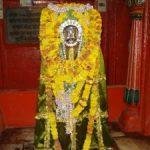
Dandapani-Bhairav-300×225, Dandapani Temple, Varanasi

Dandapani1-276×300, Dandapani Temple, Varanasi
How to Reach
Dandapani is located at Ck.36/10, Dhundhiraj Galli, Bazar behind Gyan Vapi. Devotees can travel up to Gyan Vapi (Near Chowk) by rickshaw, take a right turn, climb down the steps, and take a right turn. (If a devotee proceeds diagonally towards the left, he will enter the Gyan Vapi area). After walking a few yards, the devotee will come to Markandeyshwar on the right side and immediately thereafter he will find Dandapani. For ready reference, Jalan’s (textile merchants) have a portion of their shop nearby.
One thing is worth mentioning here: this Dandapani should not be confused with another Dandapani temple which is in the proximity of the Kaal Bhairav temple.
Contact Details
Official Address: Ck.36/10, Dhundhiraj Galli, Varanasi, Uttar Pradesh 221001